
Reviewed · WHALE WATCHING
Port Hardy: Sea Otter and Whale Watching
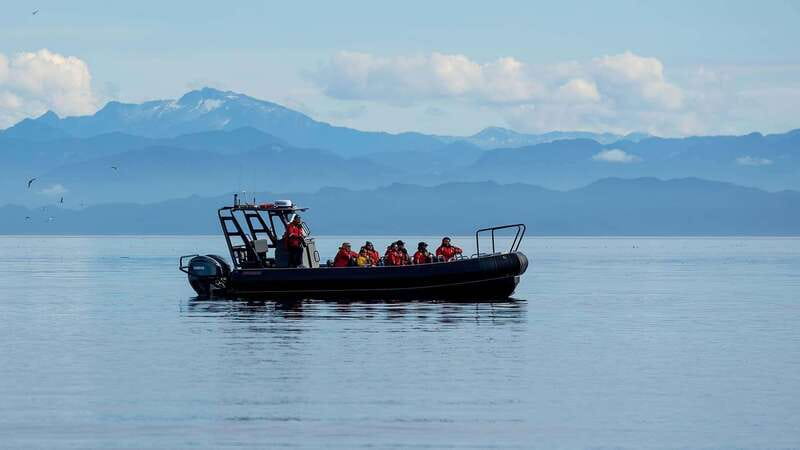
The best part of this Port Hardy outing is its reach. A fast, custom-built RHIB can cover a lot of northern Vancouver Island’s coastal waters, giving you more chances to find orcas, whales, sea otters, and other marine life in a remote setting. The wildlife is never guaranteed, but the broad search area gives the guides a fair shot at a memorable day.
I like the individual suspension seats, which make a real difference when the boat hits chop, and I like the thoughtful gear package: flotation suits, warm hats, binoculars, lunch, and hot drinks. The local Indigenous staff add useful knowledge about these waters, while the onboard hydrophone lets you hear whales as well as watch them.
The main catch is the sea itself. This is not a good choice if you have serious back problems or often get seasick, and August can bring thick fog, sometimes nicknamed Fogust. Weather may limit visibility, even when the wildlife cooperates.
Key points to know before booking
- A 12-passenger RHIB reaches more water: The high-speed boat can search a wide area instead of staying close to Port Hardy.
- Suspension seats soften the ride: Each passenger sits on an individual shock-mitigating platform rather than a fixed bench.
- The hydrophone adds a second way to find whales: You can listen for underwater calls while watching the surface.
- The gear is built for northern weather: Two-piece flotation suits, warm hats, and binoculars are supplied.
- Lunch is part of the day: You receive lunch and hot drinks during the 330-minute trip.
- Wildlife comes first: Guides approach respectfully, and sightings can change with weather and animal movement.
Leaving Port Hardy for Kwakwakaʼwakw waters
Your day begins at Coastal Rainforest Safaris’ office at 7185 Market St. Arrive 30 minutes before departure, not at the departure time. You need that extra half-hour to be fitted with a flotation suit and sign the required waiver.
Port Hardy is on the northern end of Vancouver Island, and this trip takes you into the traditional lands and waters of the Kwakwakaʼwakw First Nations. That setting matters. You are not simply riding out from a busy harbor to look for a few animals. You are entering a broad coastal area shaped by open water, forested shores, changing weather, and long-standing Indigenous ties to the sea.
The boat carries 12 passengers, a useful limit for a wildlife trip. A small group means you are less likely to spend the whole outing peering around a crowd, and the guide can explain what you are seeing without shouting across a large cabin. The tradeoff is that departures may have limited availability, so it is sensible to reserve ahead during the summer season.
The high-speed RHIB is designed to cover distance. That does not mean the trip is a constant race. The speed is valuable because it allows the crew to search different areas and respond when wildlife is reported or spotted. Northern waters are large, and a boat that can move efficiently gives you better odds than one restricted to a short loop.
Other whale trips in Vancouver Island:
- Victoria Whale and Wildlife Cruise
★ 5.0 · 1,729 reviews - Cowichan Bay Half Day Whale & Wildlife Adventure
★ 5.0 · 393 reviews - Vancouver Island Half-Day Whale Watching Tour – Telegraph Cove
★ 5.0 · 333 reviews
Why the suspension seats matter on a six-hour boat ride
Traditional zodiac-style boats often use a long bench. That can be fine for a short ride, but six hours on a fixed seat can become tiring, especially when wind and waves pick up.
Here, each passenger has an individual seat mounted on a shock-mitigating suspension platform. You still feel the movement of the boat, but the seat helps soften the harder jolts. This is one of the most useful details of the entire experience, particularly on a fast boat and in open water.
The arrangement also gives you a more personal place to settle in with your binoculars. You are not balancing on a narrow tube or sharing a hard bench with several people. Still, the suspension system does not turn the RHIB into a calm indoor lounge. If you have back problems, the operator says this activity is not suitable for you.
The trip also includes an onboard toilet. That is a small feature until you spend several hours away from shore. You will not need to plan the day around finding a dock or cutting a wildlife search short.
Searching for orcas, whales, and sea otters
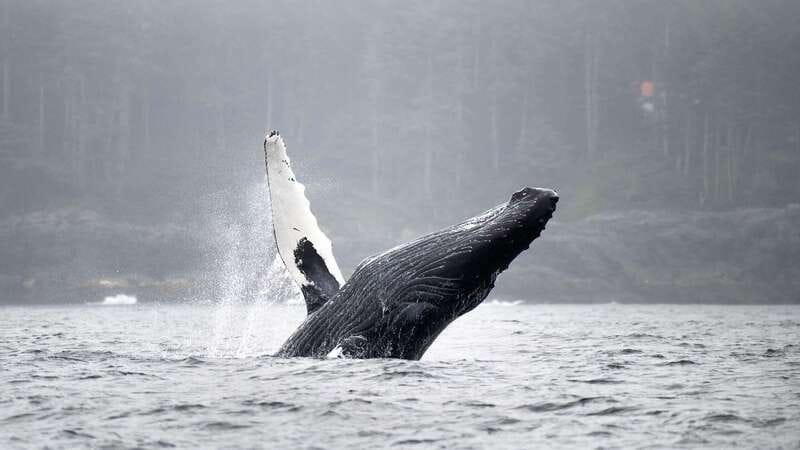
The exact route changes with conditions and wildlife movement, so you should think of the day as a moving search rather than a fixed sightseeing circuit. The guide drives and watches the water, looking for signs of whales, sea otters, and other marine animals.
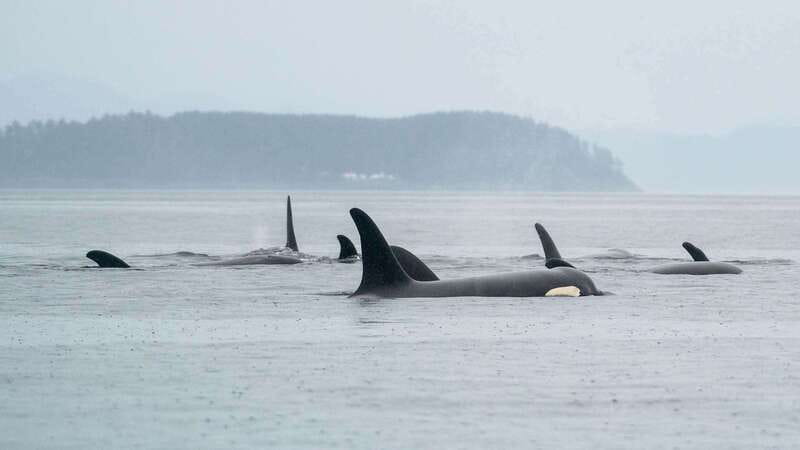
Orcas are a major possibility, and the conditions can make a sighting feel especially dramatic. One August outing took place in poor weather but still found many orcas. That contrast is worth keeping in mind: gray skies do not automatically mean a disappointing day, though fog can make animals harder to locate.
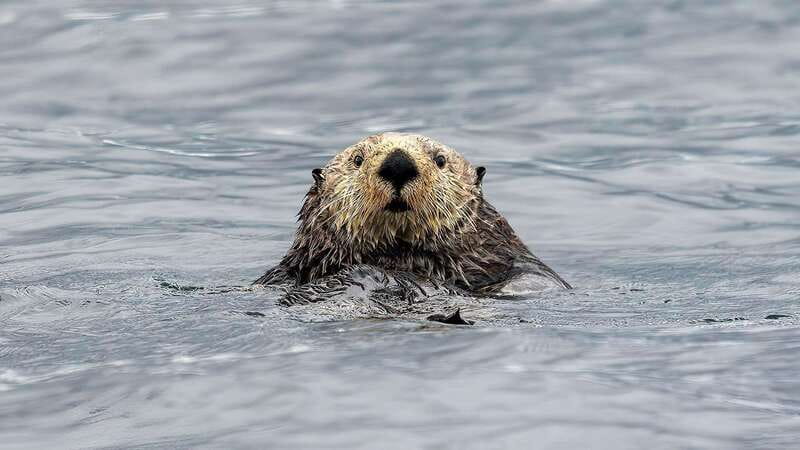
Sea otters are another highlight. They are smaller and easier to miss than whales, so your binoculars are useful. Keep scanning rather than looking only for a large blow or dorsal fin. The guide can help direct your attention when a small animal appears on the water.
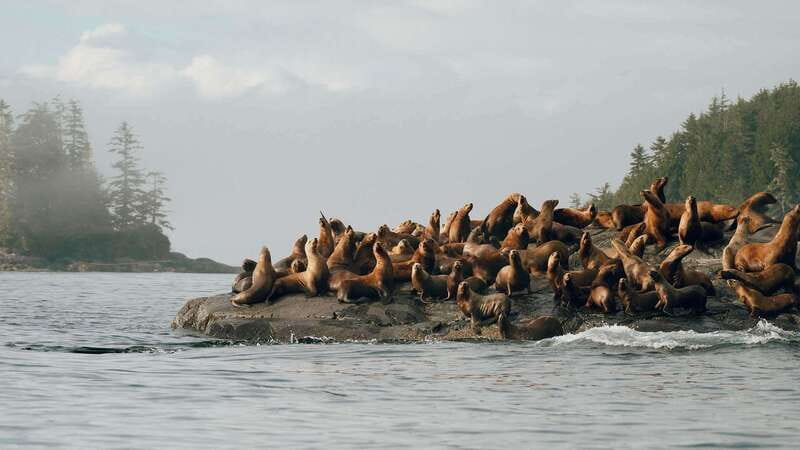
You may also encounter other marine wildlife, but no species is promised on every departure. That is the honest part of whale watching. Animals move on their own schedule, and wind, fog, and visibility affect what the crew can find. The operator’s local experience improves your chances, but it cannot guarantee a full list of sightings.
This uncertainty is not a reason to skip the trip. It is a reason to book it for the whole experience: the open water, the scenery, the listening equipment, the boat, and the possibility of a close look at wild animals in their own environment.
The hydrophone changes how you watch whales
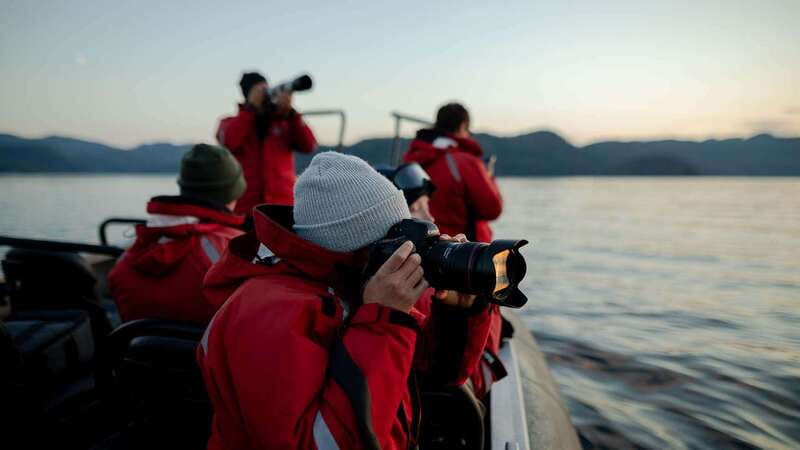
The onboard hydrophone is one of the more distinctive features. Instead of relying only on what you can see above the surface, you can listen for whale sounds underwater.
That adds another layer to the trip. A whale may be difficult to spot in low visibility, but sound can give the guide and passengers another clue that animals are nearby. When whales are visible, hearing them can make the sighting feel less like a quick glimpse and more like a connection to what is happening below the boat.
Your guide can explain what you are hearing and help put the sound into context. The experience is still centered on watching wildlife, but the hydrophone turns quiet stretches into useful observation time. You are not simply waiting for an animal to appear. You are paying attention to the water in more than one way.
Bring your patience. A wildlife boat ride includes pauses, searches, and moments when everyone looks toward the same patch of sea. The hydrophone helps give those pauses a purpose.
Other whale trips out of Vancouver Island:
- Victoria Sunset Whale-Watching Cruise
★ 5.0 · 281 reviews - Vancouver Island Zodiac Whale Watching Adventure – Telegraph Cove
★ 5.0 · 281 reviews - Whale Watching Nanaimo Open Boat Tour
★ 5.0 · 194 reviews - Campbell River: Whale & Wildlife Discovery Cruise
★ 4.8 · 143 reviews
Guides, local knowledge, and respectful viewing
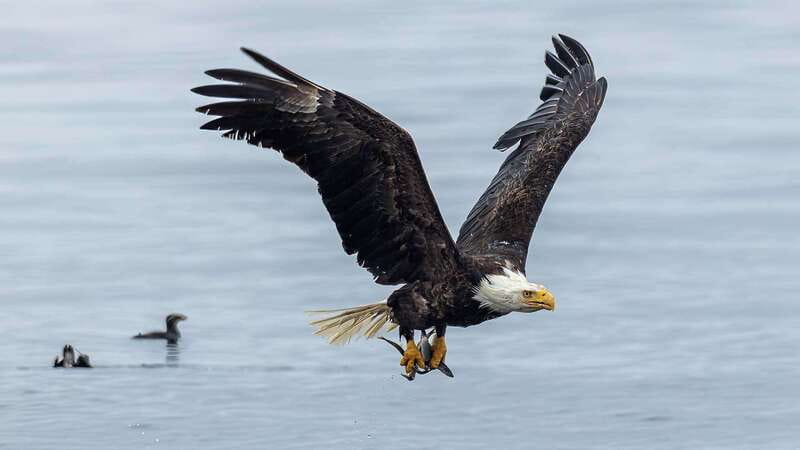
The staff are local, and the operation includes Indigenous guides and crew familiar with the area. That local connection gives the trip more meaning than a basic transport ride. You get practical insight into the waters, wildlife behavior, and the places you pass through.
The guiding style also matters. AJ was singled out for bringing passengers close enough to see wildlife while still respecting the animals and keeping the setting quiet and wild. That balance is important. The goal is not to chase animals for a photograph or crowd them at the surface.
Your guide is also the driver, naturalist, spotter, and interpreter. Those roles require more than naming species. You need clear directions when wildlife appears, sensible boat handling, and an understanding of when to wait and when to move on.
English is the tour language. If you value explanation and conversation, you should find the format a good fit. If you prefer a silent scenic cruise, expect more interpretation than that.
Warm gear, binoculars, lunch, and practical comfort
Port Hardy weather can change quickly, so bring warm clothing even though two-piece flotation suits and warm hats are provided. The flotation suit is not just a safety item. It also gives you a useful layer against wind and spray.
Wear clothing you can layer underneath. Avoid strong fragrances, since they are not allowed, and leave pets, drones, and tripods at home. Smoking and bare feet are also not permitted. A camera is welcome, but a large tripod is not.
Binoculars are included, which saves you from packing your own. They are particularly helpful for spotting sea otters and distant whales, and they let you keep watching without trying to hold a camera at full zoom.
Lunch and hot drinks are provided. That matters on a 330-minute outing, when buying food on the way is not practical. The food has been praised as a strong part of the day, and a hot drink is welcome after time on the water. You should still dress properly, since lunch cannot solve the problem of being underdressed in cold wind.
The boat’s individual seats, toilet, flotation suits, binoculars, and meal make this more comfortable than a stripped-down wildlife ride. You are paying for a full day at sea, not just a short trip out and back.
Photography without turning the trip into a gear contest
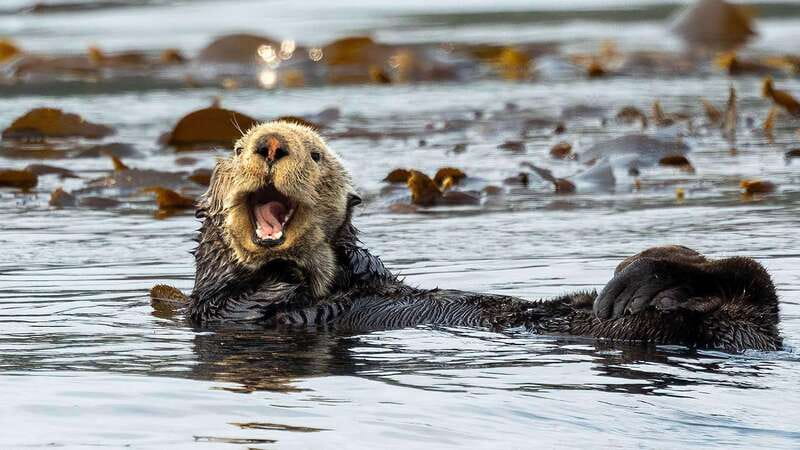
Wildlife photography is a natural fit here. The boat reaches open areas where you may see whales, orcas, sea otters, and other animals, and the small passenger count should give you a reasonable chance to look and shoot from your seat.
The best approach is to stay ready rather than obsess over settings. Wildlife can surface suddenly, and the guide may call out a sighting from one side of the boat. A compact camera or phone is easier to manage than bulky equipment, especially since tripods are not allowed.
Fog and low light can change your results. In August, thick fog is a known possibility, so you may get atmospheric pictures rather than clear, bright shots. That is part of the northern coast experience, but it is worth adjusting your expectations if photography is your main reason for booking.
Keep watching with your own eyes. A photograph is a nice record, but the hydrophone, the quiet between sightings, and the changing weather are also part of the day.
Price, timing, and who gets good value
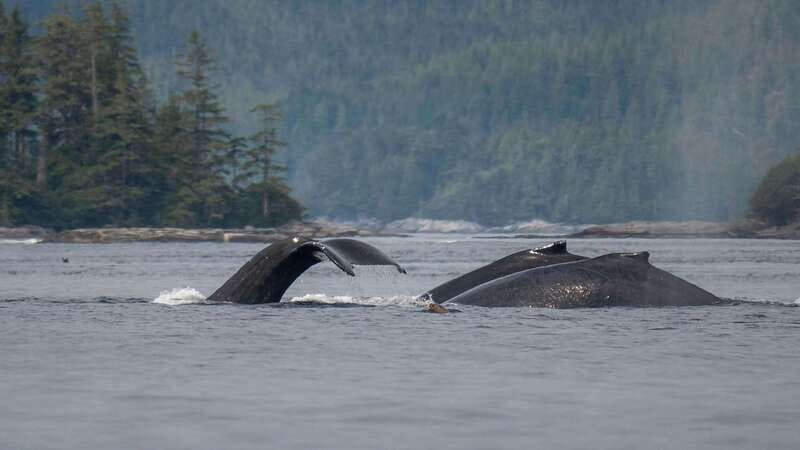
At $276 per person, this is a major activity expense. I would not compare it with a short harbor cruise. The fair comparison is a nearly six-hour guided wildlife outing with a fast 12-passenger boat, local crew, specialized seats, flotation gear, binoculars, lunch, hot drinks, a toilet, and a hydrophone.
That package gives the price real substance. You are also paying for the boat’s ability to cover a wide search area, which is important in a remote coastal region where wildlife may be spread out. The value improves if you want a serious wildlife day rather than a quick scenic ride.
The price feels less worthwhile if you need guaranteed sightings, dislike boat movement, or have only a passing interest in marine animals. No operator can promise that every species will appear, and weather can reduce visibility. You should book with the mindset that the crew will search hard, not that nature has been scheduled for your convenience.
The tour lasts 330 minutes, or five and a half hours. With the required 30-minute early arrival, allow at least six hours from arrival at the office until the activity is complete. That makes it a central part of your Port Hardy plans, not a small side excursion.
Free cancellation is available up to 24 hours before departure, and you can reserve now and pay later. Those terms help if your northern Vancouver Island schedule is still shifting.
Is this the right Port Hardy experience for you?
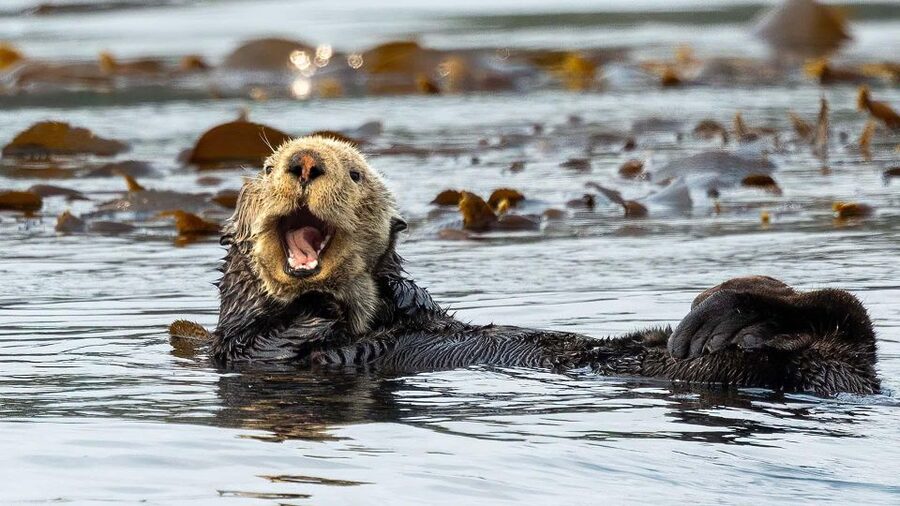
I would choose this outing if you want a serious chance to see marine wildlife and appreciate the setting as much as the checklist. It suits photographers, wildlife fans, couples, families with older children who can manage a long boat ride, and anyone who likes small-group outings with active guiding.
I would think twice if you have back trouble or are prone to seasickness. The suspension seats improve comfort, but they do not remove the movement of a fast RHIB. If you strongly dislike cold, wind, fog, or waiting between sightings, this may not be your best day out.
The strongest reasons to book are the small boat, the suspension seating, the local Indigenous staff, the hydrophone, and the chance to reach remote waters around northern Vancouver Island. The biggest caution is simple: wild animals and northern weather set the schedule.
FAQ
Where does the Port Hardy whale watching tour meet?
Meet at Coastal Rainforest Safaris’ office at 7185 Market St, Port Hardy.
How early should I arrive?
Arrive 30 minutes before departure so you can be fitted with flotation suits and sign a waiver.
How long does the tour last?
The activity lasts 330 minutes, or five and a half hours.
How many passengers fit on the boat?
The custom RHIBs carry 12 passengers.
What wildlife might I see?
You may see sea otters, whales, orcas, and other marine wildlife. Sightings vary, and no species is guaranteed on every trip.
Is a guide included?
Yes. The tour includes a local driver and naturalist who guides the wildlife search in English.
What equipment is provided?
The operator provides two-piece flotation suits, warm hats, binoculars, and an onboard hydrophone.
Is food included?
Yes. Lunch and hot drinks are included.
Is there a toilet on the boat?
Yes. The RHIB has an onboard toilet.
What should I bring?
Bring warm clothing. Pets, smoking, drones, tripods, strong fragrances, and bare feet are not allowed.
Should you book it?
Book this tour if you want the best chance to cover a wide stretch of Port Hardy’s marine territory in a small, well-equipped boat. The combination of suspension seats, local guiding, a hydrophone, lunch, and warm gear makes the six-hour price easier to justify.
Skip it if you need calm water, guaranteed wildlife, or a short and simple outing. For the right passenger, though, this is a strong Port Hardy choice: remote, practical, wildlife-focused, and handled with clear respect for the sea and its animals.
Just added in Vancouver Island
- Tofino: Whale Watching Tour with Nature Guide★ 4.7 · 30 reviews
- Tofino: Bear Watching Boat Tour with Nature Guide★ 4.6 · 23 reviews
- Telegraph Cove: 3-Hour Whale Watching Tour in a Zodiac Boat★ 4.8 · 109 reviews
- Telegraph Cove: Half-Day Kayaking Tour★ 4.7 · 9 reviews
- Parksville: Half-Day Whale and Wildlife Adventure★ 4.9 · 26 reviews
- Parksville: Sunset Whale and Wildlife Adventure★ 4.9 · 10 reviews
- Nanaimo: Whale Watching Open Boat Tour★ 4.8 · 85 reviews
- Campbell River: Whale Watching and Wildlife Viewing Day Tour★ 4.9 · 23 reviews
Whale Watching, compared.
Vancouver Half-Day Whale Watching Adventure with Free Photos
Read our review →
Tadoussac/Charlevoix: Whale Watching Zodiac Tour
Read our review →
Covered Whale Watching Adventure with Free Photos
Read our review →
Tadoussac/Charlevoix: 3-Hour Whale Watching Boat Tour
Read our review →
Browse the lists this tour appears in