
Reviewed · CANADA
Nikka Yuko Admission (Adults & Children)
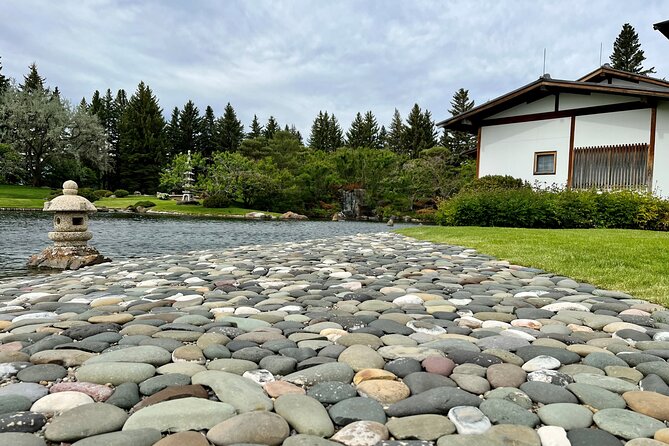
Nikka Yuko Japanese Garden gives you a quiet slice of Japan on the Southern Alberta prairie, with winding paths, a dry rock garden, cultural programming, and Henderson Lake views. The family package adds activity books and crayons, plus child-friendly surprises that let young visitors explore without needing constant entertainment from you.
I especially like the chance to ring the Friendship Bell and the mix of calm garden time with live Minyo dancing, tea ceremonies, and seasonal displays. The main caution is size: the garden is compact, and its traditional design does not depend on flowers being in bloom. If you expect a large botanical garden, you may feel the admission is high.
Key points to know before you go
- Plan on one to two hours: This is a focused garden visit, not a full-day attraction.
- Family extras are included: Children receive activity books and crayons, with themed activities and Japanese treats connected to the package.
- The garden changes by season: Apple blossoms appear in spring and peonies in July, but flowers are not the main feature all year.
- Programming adds the value: Daily activities, performances, exhibits, tea ceremonies, sake tastings, and Minyo dance can make the visit feel much fuller than a simple stroll.
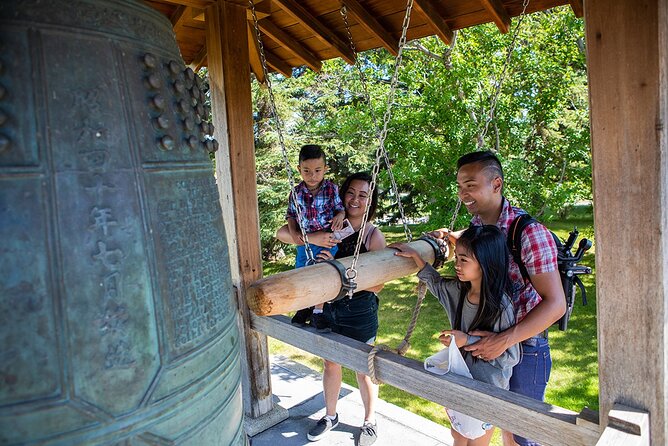
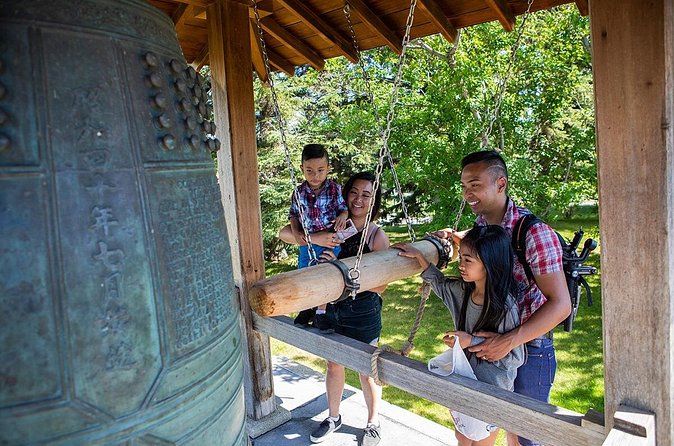
- The Friendship Bell is a highlight: Ring it beside Henderson Lake as a small gesture of goodwill between Japan and Canada.
- Admission costs $8.91 per person: That is reasonable if you use the programming, but less convincing if you only take a quick walk around the grounds.
A Japanese garden on the Alberta prairie
Nikka Yuko Japanese Garden was created to represent Japan-Canada friendship. The name itself means Japan-Canada Friendship, and the site connects garden design with the story of Japanese Canadians in the area, including the hardships faced after the war.
That context matters. You are not simply walking among ornamental rocks and clipped plants. The garden offers a small lesson in local history and cultural exchange, presented through its grounds, exhibits, performances, and daily activities.
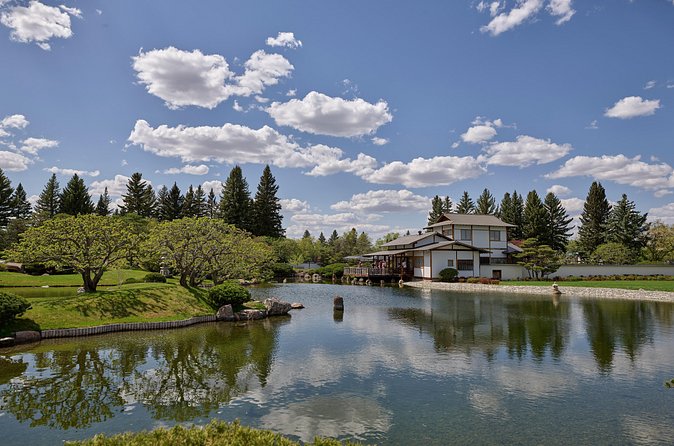
The setting also gives the garden its special character. Instead of a dense urban park or a large formal estate, you find a Japanese-style oasis beside Henderson Lake, surrounded by the broad openness of Southern Alberta. The contrast is part of the appeal. Quiet paths and carefully arranged garden features feel unexpected on the prairie.
You should arrive with the right idea of the place. This is a compact cultural garden designed for thoughtful wandering, not a vast property with hours of paths and constantly changing flower beds. Some parts may take only a few minutes to see. The visit works best when you slow down and pay attention to the details.
Other trips people book in Alberta:
- Wild Water Adventures
★ 5.0 · 581 reviews - Moraine Lake, Lake Louise Johnston Canyon Banff National Park
★ 4.5 · 243 reviews - Icefields Parkway: a Smartphone Audio Driving Tour
★ 4.0 · 118 reviews
What the one to two hour visit feels like
Your admission covers the garden, daily programming and activities, access to the Tea Pavilion and current exhibits, and guided tours offered from Thursday through Monday. The exact feel of your visit depends on the season and what is scheduled that day.
I would allow at least an hour if you want a proper look at the grounds. You can stretch the visit toward two hours by attending a performance, joining a guided tour, spending time at the exhibits, or stopping for refreshments.
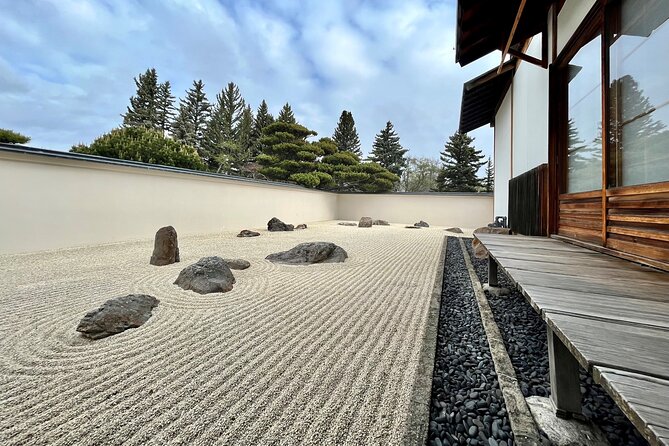
The garden invites a slower pace. You can walk along the paths, pause beside the dry rock garden, and study the patterns in the stones and gravel. This is a place where the quiet is part of the attraction. Children can follow the activity book while you take in the garden, rather than rushing from one large attraction to another.
The family format helps with that balance. The activity books and crayons give children something concrete to do, while the themed surprises and Japanese treats add a playful layer. You should not expect a full amusement-style program. The appeal is gentle, hands-on discovery within a peaceful setting.
The dry rock garden and the limits of flowers
The dry rock garden is one of the places where your expectations matter most. Its design focuses on patterns, stones, space, and contemplation rather than bright color. You may find yourself enjoying it more if you treat it as a visual exercise instead of waiting for a flower display.
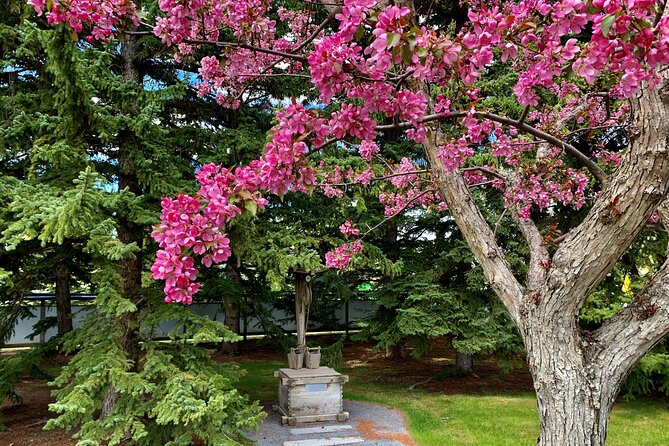
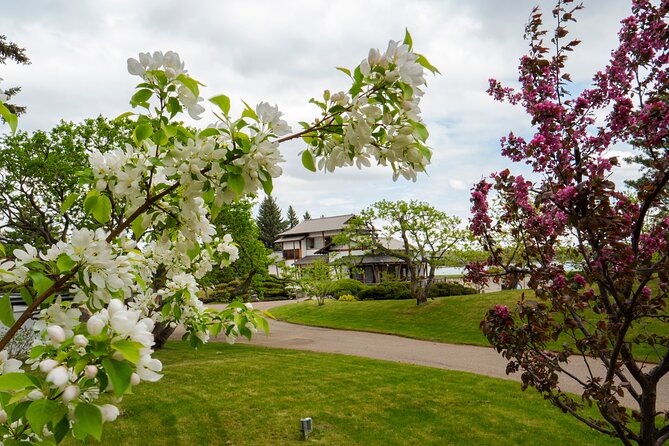
The garden does have seasonal blooms. Apple blossoms appear in spring, and peonies arrive in July. Outside those periods, flowers are not the main reason to visit. Traditional Japanese gardens often use plants, rocks, water, paths, and empty space together, so the garden may look restrained compared with a prairie flower garden or a botanical park.
That restraint explains the mixed value. If you want large beds of flowers, a broad collection of plants, or a long route through varied scenery, this visit may disappoint you. The grounds are small, and a quick walk can feel brief.
If you appreciate design, quiet, and cultural meaning, the same compact size becomes useful. You can see the main features without tiring young children, and you can give each section more attention. I would check the seasonal schedule before booking if blooms matter to you.
Tea Pavilion, treats, and cultural programming
The Tea Pavilion and current exhibits give you reasons to spend time indoors or pause between garden walks. Admission includes access, but drinks, cookies, and snacks are available for purchase separately inside the Visitors Centre and gift shop.
Green tea is mentioned as part of the garden experience, but drinks and cookies are not included in the admission. Plan to pay extra if you want refreshments. Sake and Japanese beer may also be available during programming, particularly when Minyo dancing performances are taking place, but these are not part of the basic ticket.
The cultural schedule is the strongest reason to visit beyond the grounds. You may find tea ceremonies, sake tastings, Minyo dance shows, seasonal activities, exhibits, and other performances during the summer season. Since the exact program can change, I would treat these as valuable possibilities rather than guaranteed events at every visit.
A performance can change your impression of the garden. Without one, you may spend a quiet hour looking at the grounds and exhibits. With music, dance, or a demonstration, you get a more active connection to Japanese culture. Families can divide the visit naturally: children work through activities while adults watch the programming or take a peaceful garden pause.
Guided tours begin on Thursdays and continue through Mondays. No guide names are provided, so you should not book this expecting a named private guide or a fully guided experience from start to finish. The admission is primarily self-guided, with scheduled tours and activities adding structure on selected days.
Same base, a different sort of day:
- Lake Louise Summer Gondola Experience
★ 4.0 · 65 reviews - Calgary Airport Shuttle to Banff & Lake Louise
★ 4.5 · 54 reviews - Adrenaline Canyoning Tour
★ 5.0 · 39 reviews - Self-Guided Audio Driving Tour in Icefields Parkway
★ 5.0 · 24 reviews
The Friendship Bell beside Henderson Lake
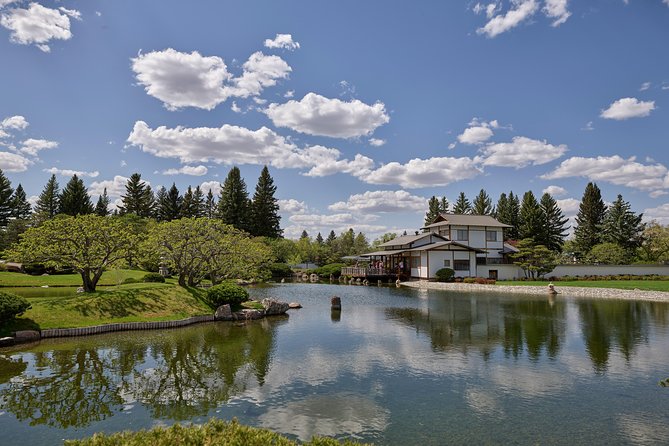
The Friendship Bell is one of the most memorable details here because it gives you something to do, not just something to look at. Ring it to send goodwill across Henderson Lake, a simple act that connects the site to its Japan-Canada friendship theme.
This stop also helps children understand the place. A bell is easier to remember than a paragraph on a display panel, and the moment gives the family a shared ritual. You can combine it with a short pause for the views and a chance to reset before continuing through the garden.
The lake setting adds openness to the visit. You are not confined to a series of enclosed garden rooms. Instead, the garden and water create a calm contrast with the surrounding prairie. The views may be more important here than an abundance of blooms.
Why the $8.91 admission may be good value
At $8.91 per person, admission is modest by attraction standards, but value depends on how you use the visit. If you enter, walk quickly, find few flowers, and leave after half an hour, you may think the garden is too small for the price.
If you stay for the daily activities, look through the exhibits, use the Tea Pavilion, join a guided tour, and catch a performance, the ticket makes more sense. The admission helps support a nonprofit garden and its cultural programming. You are paying not only for access to the grounds, but also for the events and demonstrations that help keep the site active.
For a family, the included activity books and crayons improve the calculation. Young children have a clear task, and you can enjoy the garden with less pressure to invent games along the way. The package is best for parents who want a calm cultural outing rather than a large attraction built around rides or elaborate play areas.
The low price also makes the visit easier to pair with other Southern Alberta plans. You do not need to reserve an entire day or commit a large portion of your budget. Still, I would look at the scheduled activities before deciding. The garden offers more value when you visit at a time when something specific is happening.
Who will enjoy Nikka Yuko most
I would recommend this experience to families with children who can enjoy a quiet walk, a cultural activity, or a simple hands-on task. The crayons and activity book help younger visitors, while the bell, performances, treats, and themed surprises give the outing a clear shape.
It also suits adults who like Japanese garden design, local history, and peaceful public spaces. The dry rock garden rewards patience, and the exhibits provide context about the garden’s founders and the Japanese-Canadian experience in the area after the war.
You may want to skip it if your main goal is a large flower display. The garden is small, and flowers are seasonal. A visit in spring for apple blossoms or in July for peonies may suit you better than a visit when you expect every bed to be in bloom.
It may also be a poor match if you want a packed schedule from morning to evening. The normal visit lasts about one to two hours, and the calm atmosphere is intentional. Think of it as a focused cultural stop, not a full-day attraction.
Practical details that affect your visit
Confirmation is provided when you book. The experience is near public transportation, and service animals are allowed. Most people can participate, though the supplied information does not give detailed route or surface information, so you may want to contact the garden directly if you have specific mobility concerns.
The garden is smoke-free and vape-free. Drones are not permitted at any time inside the grounds. The activity has a maximum group size of 10 travelers, which suggests a relatively small-scale setting for any organized portion of the experience.
The booking is weather-dependent. If poor weather causes cancellation, you can choose another date or receive a full refund. You can cancel for a full refund up to 24 hours before the start time. Cancellations or changes made inside 24 hours are not refunded or accepted.
Because the visit depends on outdoor paths and seasonal programming, I would check the forecast and schedule before setting out. Good weather makes it easier to enjoy the garden at its intended pace, while poor weather can reduce the appeal of a quiet outdoor visit.
Should you book the Nikka Yuko family admission?
Book it if you want a short, affordable cultural outing with children, especially when a guided tour, performance, tea ceremony, or seasonal event is scheduled. The activity books and crayons make the visit easier for parents, and the Friendship Bell gives the family a memorable moment.
Think twice if you expect acres of plants or a constant display of flowers. The garden is compact and intentionally restrained. Its value comes from the combination of design, history, Japanese-Canadian context, exhibits, and programming, not from sheer size.
My practical advice is simple: choose a day with good weather, check which activities are running, and allow closer to two hours if you want to experience more than the paths. At $8.91 per person, it is an easy addition to a Southern Alberta itinerary when you value calm surroundings and cultural programming.
FAQ
How long does the Nikka Yuko Japanese Garden visit last?
The visit lasts approximately one to two hours.
What does admission include?
Admission includes entry to Nikka Yuko Japanese Garden, daily programming, activities and performances, access to the Tea Pavilion and current exhibits, and guided tours starting Thursday through Monday.
Are activity books and crayons included for children?
Yes. The family-focused experience includes activity books and crayons, along with child-oriented activities and themed surprises.
Are food and drinks included?
No. Coffee, tea drinks, cookies, snacks, and other drinks are available for purchase inside the Visitors Centre and gift shop.
Can I join a guided tour?
Guided tours start on Thursdays and run through Mondays. The supplied information does not provide guide names or exact tour times.
Are performances offered at the garden?
Daily programming and performances are included with admission. Possible cultural programming includes tea ceremonies, sake tastings, and Minyo dance shows, with offerings varying by season and schedule.
Is the garden suitable for children?
Yes. The family package is designed to help children explore at their own pace, with activity books, crayons, interactive activities, Japanese treats, and themed surprises.
Are service animals allowed?
Yes. Service animals are allowed.
What happens if I need to cancel?
You can cancel at least 24 hours before the start time for a full refund. Cancellations and changes made less than 24 hours before the start time are not accepted or refunded. If poor weather cancels the experience, you can choose another date or receive a full refund.
Just added in Alberta
- Smartphone Audio Driving Tour between Lake Louise and Calgary★ 4.0 · 15 reviews
- Official SkiByk Rentals in Banff & The Canadian Rockies★ 5.0 · 9 reviews
- Moraine Lake and Lake Louise Sightseeing Half Day Tour★ 5.0 · 23 reviews
- Icefields Parkway: a Smartphone Audio Driving Tour★ 4.0 · 118 reviews
- Discover the Lake Agnes Tea House Trail with an Audio Nature Tour★ 4.0 · 7 reviews
- Lake Louise to Jasper One-Way Tour★ 5.0 · 17 reviews
- Airport Shuttle: Lake Louise <---> Calgary★ 5.0 · 4 reviews
- Lake Louise Summer Gondola Experience★ 4.0 · 65 reviews