
Reviewed · CANOES & KAYAKS
Algonquin Park 3-Day Deluxe Camping & Canoeing Adventure
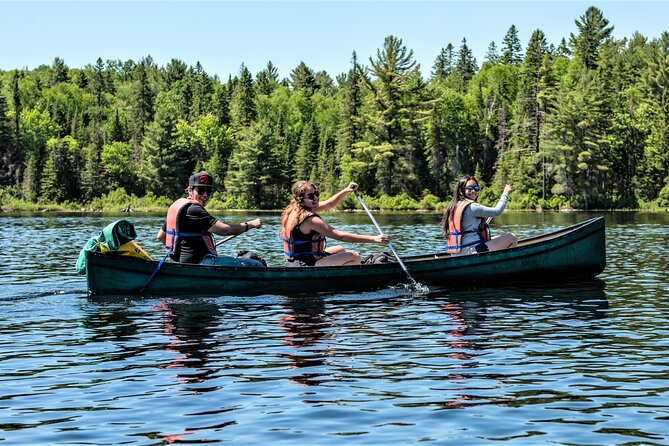
The best part of this Algonquin adventure is that you paddle away from the road and spend two nights beside a backcountry lake. Your guide supplies the canoe, tent, sleeping gear, meals, and lessons, so you can focus on the forest, the water, and the sky full of stars. The sunrise canoe with hot chocolate is a fine final morning treat.
I especially like the mix of outdoor skills and comfort: you learn to make a fire without matches, then sit down to a carefully prepared meal. The small-group format can make the trip feel personal, and guides such as Baz have been praised for their humor, care, and calm handling of the group. The main caution is that deluxe does not mean lodge comfort. Tents, plastic bags for keeping gear dry, no tables or chairs, mosquitoes, and changing meal supplies are all part of the deal.
Key points at a glance
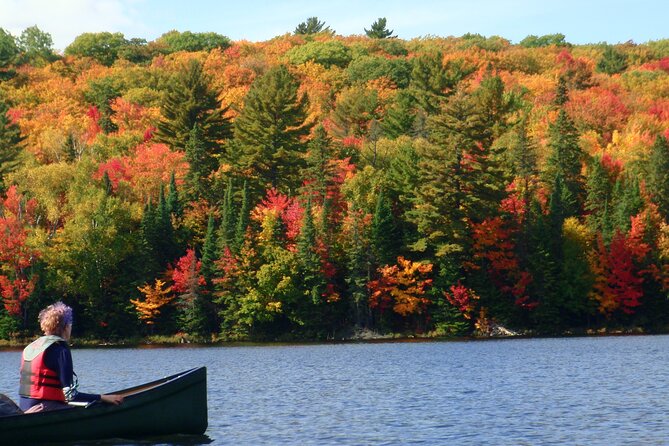
- Three hours of paddling on day one: Reach the lakeside campsite by canoe, with a short 200-meter portage.
- Food is a major part of the experience: Meals include breakfasts, lunches during the camping portion, dinner, dessert, and substantial campfire cooking.
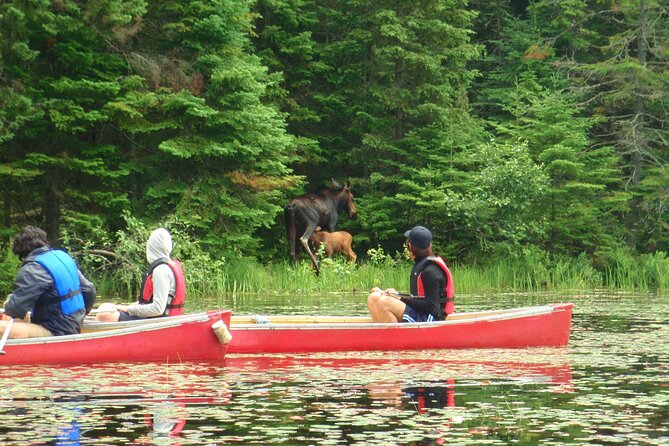
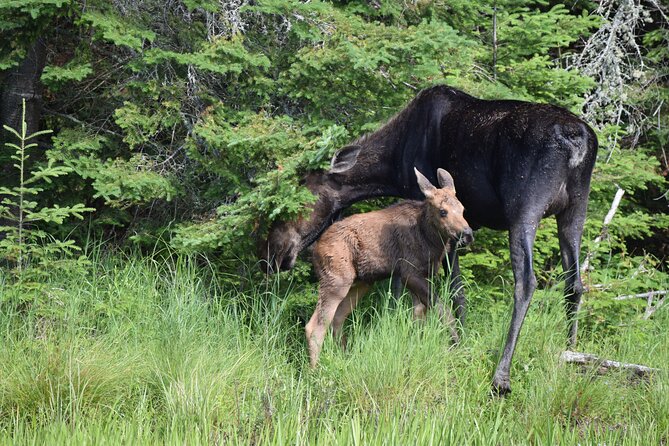
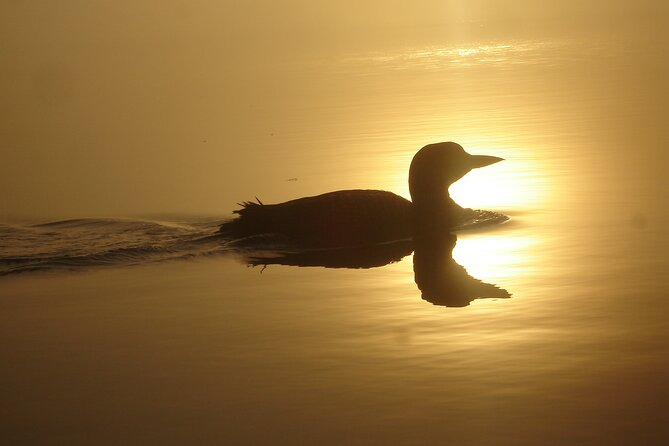
- Wildlife is possible, not promised: Beaver ponds, loons, snapping turtles, moose habitat, and other signs of wildlife are part of the route.
- A wilderness sauna adds a memorable twist: The intended heat is about 80 to 85 C, though the actual temperature can vary.
- The last morning begins on the water: Watch sunrise from a canoe with hot chocolate before returning to Canoe Lake.
- Pack for real camping: Bring insect protection, personal items, snacks, sandals, and a reliable waterproof way to protect your belongings.
Paddling into Algonquin on the first day
Your meeting point is at Canoe Lake Access Point 5 in Algonquin Provincial Park. The first day is long, lasting about 13 hours for the paddling and transfer portion, followed by several more hours of camp activities. Arrive ready to start on time, because the group has equipment to organize and water to cover.
The guides provide a canoe, paddle, life jacket, tent, sleeping bag, liner, and camping cot. You also receive a basic paddling lesson before setting out. That is useful if you are new to canoeing, though you should still feel comfortable with several hours of physical activity.
The route takes about three hours of paddling, plus a short 200-meter portage, to reach the lakeside campsite. Three hours on a lake can feel very different depending on wind, sun, and your paddling rhythm. You will need a moderate level of fitness and enough patience to keep working as a team.
The short portage is not a major trek, but it is a reminder that this is a backcountry camping trip, not a boat ride with a campsite beside the parking lot. Protect your personal gear carefully. The company has used free black plastic bags for belongings, and one detailed account specifically found them less useful than proper waterproof bags because they can tear during portages. Bring your own waterproof bag if you have one.
Other paddling trips in Canada:
- Banff National Park Big Canoe Tour
★ 5.0 · 303 reviews - From Toronto: Algonquin Park Canoeing & Hiking Adventure
★ 4.6 · 291 reviews - Banff National Park: Big Canoe River Explorer Tour
★ 4.7 · 286 reviews
Fire skills, wildlife lessons, and a serious camp dinner
Once camp is set up, the schedule shifts from physical work to demonstrations and evening activities. You learn how to start a fire without matches, hear about Algonquin animals, and receive handouts covering moose, loons, beavers, bears, wolves, and snapping turtles.
That wildlife talk helps you read the woods more closely. You may not see every animal named in the program, and you may see none of them. Wild animals do not follow a timetable. The more reliable reward is learning where to look: beaver ponds, inlets, shorelines, and quiet water are more useful than simply hoping a moose appears on cue.
The first dinner is described as gourmet, with a campfire barbecue and wild salmon included in the plan. Food is clearly one of the strongest parts of this trip. Past menus have included pasta, salad, eggs, steak, seafood, vegetables, and desserts, although particular ingredients can change because supplies are not always available. A food item can also be removed for safety if wildlife has touched it.
After dinner, you may collect wood, learn about astronomy, and sit by the fire. If the weather cooperates, the dark sky can reveal countless stars and perhaps the Milky Way. A guided night paddle to a beaver habitat is also offered, though optional activities depend on energy, conditions, and group interest.
Day two: beaver habitat and the realities of wildlife
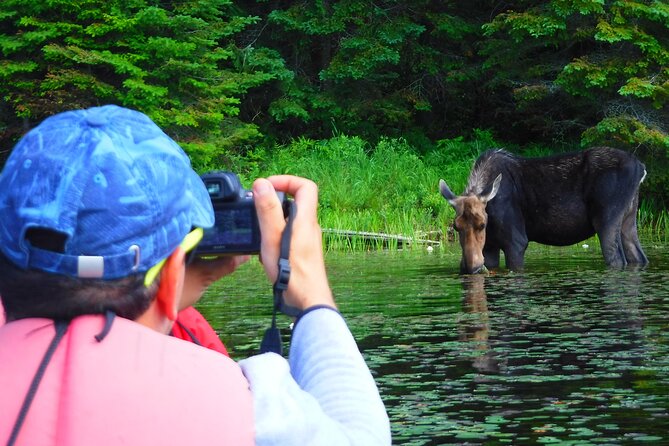
Breakfast is scheduled for 8:00 AM, followed by a guided outing to beaver and moose habitat. You can expect dams, lodges, ponds, and forest near the water. This is the kind of outing that rewards quiet attention more than speed.
The program is built around seeing signs of animal life. You might spot beavers, loons, or snapping turtles, while moose remain a possibility rather than a promise. One trip produced sightings of snapping turtles, beavers, and loons but no moose. That is normal for a wild park, and the tour would be more honestly understood as a chance to explore animal habitat than as a wildlife-watching guarantee.
A packed or camp-prepared lunch with dessert follows the morning outing. Two lunches and two breakfasts are included during the camping portion, but the first-day lunch and last-day lunch are not included. Plan your food around those gaps.
The long second day can be demanding. The morning nature outing, paddling, heat, and evening activities add up quickly. Drink water and tell your guide early if you are tired or unwell. A past situation involved a participant feeling ill after dehydration, hard activity, and strong sun. That is a useful warning, especially if you are treating the schedule like a relaxed sightseeing tour.
Cliff jumping, swimming, and the camp sauna
The afternoon brings a more playful side of the trip. You paddle to a cliff area with jumps listed at 2, 3, 5, and 7 meters, then swim in the lake. This is optional, and you should not feel pressured to jump. The program may change if the group is tired or if conditions do not suit the activity.
The wilderness sauna is one of the more unusual features. The planned temperature is about 80 to 85 C, with a sea salt scrub, eucalyptus oils, and clay mask. In practice, the temperature can vary. One account recorded a sauna reaching about 70 C, which was too hot for one person but not warm enough for two others.
That variation tells you what to expect: this is a handmade outdoor sauna, not a spa with exact temperature controls. It can be a wonderful way to relax after paddling, but it is not suitable for everyone. Leave if the heat feels too much, and skip it if you are dehydrated or unwell.
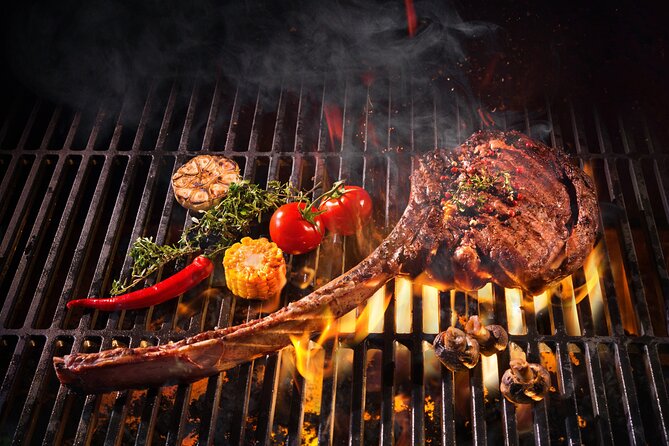
Dinner is intended to be a substantial campfire barbecue. The advertised style includes tomahawk steak, shrimp, deer and bison skewers, corn, mushrooms, peppers, and dessert. Supplies can change, so you should treat the menu as an example rather than a fixed restaurant order. Vegetarian meals are accommodated, and the food has been a major strength for people who have taken the trip.
A few more things to do in Canada worth a look
- 3 Days 2 Nights Tour in New York
★ 5.0 · 125 reviews - 3 Day and 2 Night Tour: Toronto, 1000 Islands, and Niagara Falls
★ 5.0 · 46 reviews - 3 Days 3 Cities Tour: Montreal, Quebec, Ottawa from Toronto
★ 4.1 · 32 reviews - 3 Day Algonquin Park Canoe Trip – Moose & Beaver Safari
★ 5.0 · 27 reviews
Sleeping beside the lake, not in a luxury cabin
The word deluxe refers mainly to what is supplied and how much work the guide handles. You do not need to bring a canoe, tent, sleeping bag, liner, or cot. That makes the trip easier for visitors who are traveling through Ontario and do not want to carry a full camping kit.
Still, you sleep in a tent. There are no tables or chairs at the campsite, and rainy weather can make meals less comfortable. One account described an older tent that allowed water in overnight. Another raised concerns about a sleeping bag odor and insufficient warmth.
The provided summer sleeping bags are rated around plus 5 C, and the airbed is intended to remain comfortable around plus 3 C. Night temperatures on one trip stayed above 10 C, but comfort varies from person to person. Tell the guide at once if your sleeping bag, liner, or bed has a problem. The operator keeps extra sleeping bags, liners, and airbeds for such situations.
A smaller tent may feel warmer for two people than a large six-person tent. That detail matters if you are sensitive to cold. Bring personal hygiene items, dry clothing, sandals, and snacks, since those are not supplied.
The sunrise canoe and return to Canoe Lake
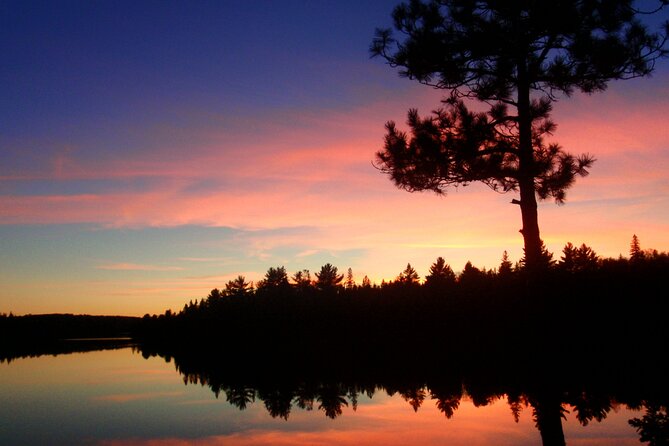
The third morning begins early with a sunrise canoe tour. You paddle with hot chocolate, watch the light come across the water, and then have breakfast before breaking camp. This is likely the quietest and most atmospheric part of the trip.
After packing, the group paddles back toward Canoe Lake, looking through beaver ponds and inlets for wildlife. The return route gives you another chance to notice the park at a slower pace. Water, shoreline, weather, and animal signs become familiar by this point, and you may find yourself paying closer attention than you did on the first morning.
The schedule calls for a return to the registration office by about 1:00 PM. A short stop at the Tom Thomson Memorial and the site of his death adds a cultural note to the final paddle. The famous Canadian artist spent time painting Algonquin, so this stop connects the scenery with the way the park has shaped Canadian art.
After leaving the park, the group stops for about 20 minutes at Dwight Trading Post. You can browse souvenirs and work made by local artisans and Indigenous people of Canada. It is a brief stop, but useful if you want something more distinctive than a standard park-shop souvenir.
What the $368 price really covers
At about $368.01 per person, this is not a cheap camping weekend. The value comes from the amount of equipment, food, instruction, guiding, and organization included in one package.
You are paying for two nights of camping gear, canoe equipment, paddling instruction, guided nature outings, meals during the camping section, campsite logistics, and several planned activities. Buying or renting that equipment separately, then planning food and routes yourself, would take time and local know-how.
The price makes less sense if you already own camping equipment, know Algonquin well, and prefer to travel independently. It also may disappoint you if you expect private facilities, comfortable furniture, fixed restaurant menus, or a guaranteed list of animals.
The strongest value is for someone who wants a managed introduction to backcountry canoe camping. You get the hard-to-arrange pieces without having to transport a canoe or work out every meal and route yourself.
Group size, guides, and physical demands
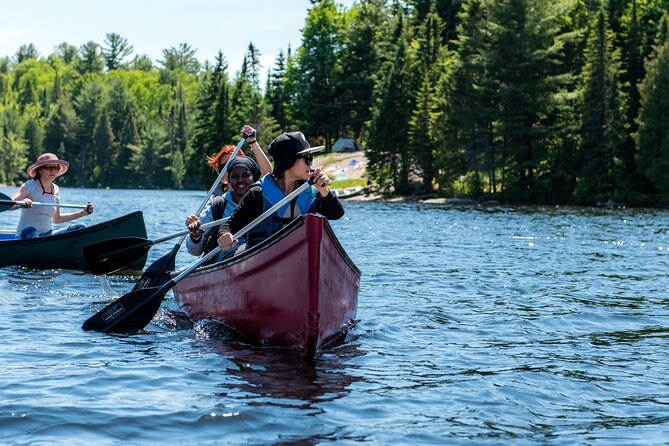
The experience is promoted as a small-group trip, with no more than eight people highlighted as the ideal size. The additional tour information allows up to 18 participants, and one account reported a group of 11. Ask about the expected group size before booking if a truly intimate outing matters to you.
Guide quality can shape the whole trip. Baz is specifically praised for being experienced, efficient, caring, funny, and easy to spend several days with. Other accredited guides may lead the departure, so Baz should not be assumed for every date.
The pace suits people with moderate fitness who can paddle for hours, carry gear over a short portage, walk to wildlife areas, and cope with changing weather. The minimum age is listed as one, but the physical demands mean parents should judge a child’s paddling and camping ability for themselves. A maximum weight of 110 kilograms is listed, and medical insurance is required.
Mosquitoes are a serious practical issue. Use repellent, cover exposed skin, and reapply it, especially if you are not used to northern Ontario insects. This is not a minor detail. Bugs can affect your comfort at camp, on the water, and during the evening activities.
Who should book this Algonquin canoe trip
I would choose this trip if you want a guided introduction to wilderness canoeing and like the idea of a full schedule. It suits couples, families with outdoor experience, and visitors who want camp cooking, paddling, wildlife habitat, and a night sky in one short trip.
The mix of activities is a real strength. You can learn fire skills, paddle to camp, look for beavers, try the sauna, swim, sit around a fire, and watch sunrise from the water. Vegetarian food is accommodated, and the supplied equipment reduces the amount you need to organize.
I would hesitate if you need dependable indoor shelter, dry storage, comfortable camp furniture, or a tightly controlled menu. I would also think twice if you dislike mosquitoes, cannot manage several hours of paddling, or expect moose and other animals to appear on schedule.
Cancellation terms are worth noting before you pay. A full refund is available when you cancel at least six full days before the start time. Cancellations two to six days ahead receive 50 percent, while cancellations less than two days ahead are nonrefundable.
Should you book it?
Book this Algonquin adventure if you want real canoe camping with the safety net of a guide, supplied equipment, and organized meals. The sunrise paddle, campfire cooking, beaver habitat, and sauna give it more variety than a basic overnight canoe trip.
Go in with the right expectations. This is backcountry camping with good food, not a luxury lodge. Wildlife sightings, menu items, sauna heat, group size, and comfort at camp can vary. Pack for insects and rain, protect your belongings, tell the guide quickly about any equipment problem, and you are more likely to enjoy what this trip does best: getting you onto Algonquin’s water without requiring you to plan the whole expedition yourself.
FAQ
Where does the Algonquin canoe adventure start and end?
It starts at Canoe Lake Access Point 5, listed at G7PV+3G Algonquin Park, Ontario. The activity returns to the same meeting point after the final paddle.
How long is the experience?
The experience lasts approximately three days. The first day includes about three hours of paddling and a 200-meter portage, while the final day returns to Canoe Lake by about 1:00 PM.
What camping equipment is provided?
The tour provides a canoe, paddle, life jacket, tent, sleeping bag, liner, and camping cot. You should still bring personal hygiene items, snacks, sandals, and a waterproof bag for your belongings.
Are meals included?
Meals during the camping portion are included, including two breakfasts, two lunches, and dinner. The first-day lunch and last-day lunch are not included.
Is wildlife guaranteed?
No. The itinerary includes wildlife habitat visits and instruction about animals such as moose, beavers, loons, bears, wolves, and snapping turtles, but sightings are not guaranteed.
How physically demanding is the trip?
You should have a moderate level of physical fitness. The trip involves several hours of canoeing, a short portage, walking to wildlife areas, camping, and optional activities such as swimming and cliff jumping.
What is the cancellation policy?
Cancel at least six full days before the start time for a full refund. Cancellation two to six days before the start time receives a 50 percent refund. Less than two days before the start time is nonrefundable.
Just added in Canada
- 2-Hour Two Castle 1000 Islands Cruise from Ivy Lea★ 4.5 · 24 reviews
- Medway Lakes Canoe Trip 3-Day★ 5.0 · 12 reviews
- Meet The Seals Boat Tour – Travel by boat to a Secret Seal Cove★ 5.0 · 21 reviews
- 20 Minute Scenic Helicopter Private Tour★ 5.0 · 14 reviews
- Wine, Cheese, Chocolate 6 Hour Tasting Tour with Lunch★ 5.0 · 45 reviews
- Wine Tour with Lunch in Niagara-on-the-Lake★ 5.0 · 25 reviews
- Guided Craft Cider Tour in Niagara★ 4.5 · 4 reviews
- Walking Food Tour in Niagara Falls★ 5.0 · 6 reviews
Canoes & Kayaks, compared.
Snorkel, Kayak, and Seal Adventure: Vancouver Boat Tour
Read our review →
Wild Current Canoe Adventure Join a small group
Read our review →
Banff/Canmore Moraine Lake & Lake Louise– Hike, Canoe or Sightsee
Read our review →
Browse the lists this tour appears in