
Reviewed · TOURS IN JASPER
Jasper: Jasper Planetarium Dark Sky Experience
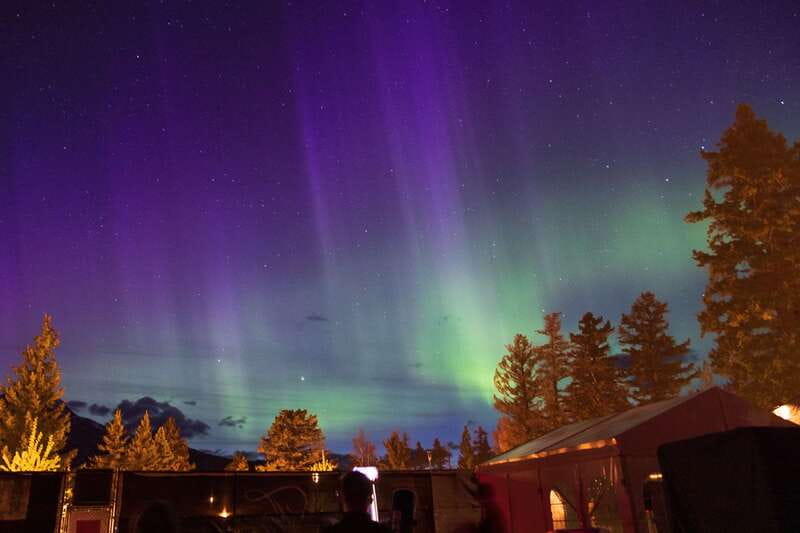
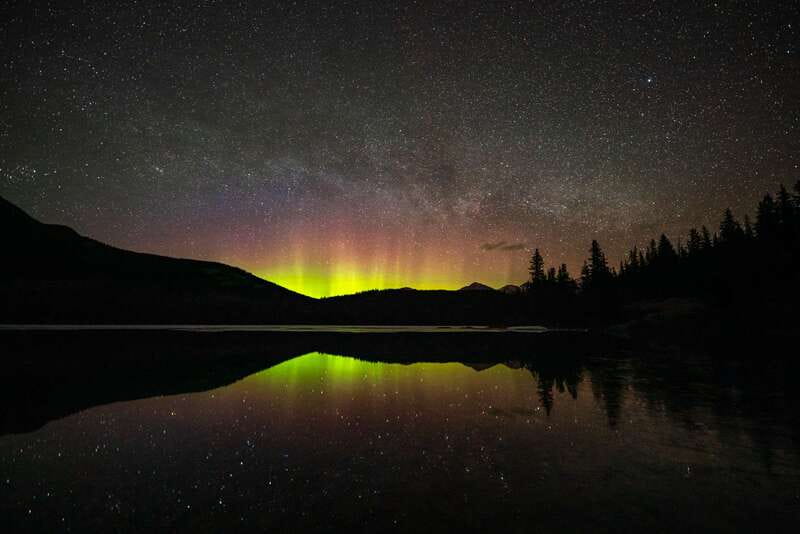
The best part of this Jasper evening is its mix of indoor astronomy and outdoor stargazing. You begin with a dome-theatre show, move to the telescope area, then walk about 480 metres to a darker site for a laser-guided tour of constellations and binocular viewing of the Milky Way and deep-space objects. I like the supplied binoculars and the focus on local Indigenous constellations. I also like the two-year rain check, which matters in the Rockies, where clouds can erase the main event.
The main drawback is simple: this tour depends heavily on the weather. A cloudy night can leave the outdoor telescope and constellation portions thin, and one recent account found the setup more like a tent in a parking area than a traditional planetarium. Check the forecast before booking, and arrive early enough to avoid being turned away.
Key points to know before booking
- Three different astronomy experiences: You get the dome theatre, optical telescope session, and guided dark-sky walk rather than a single short viewing.
- A 480-metre walk follows the indoor program: Wear warm, weather-ready clothing and shoes you can walk in comfortably.
- Binoculars are supplied: You use them to study the Milky Way and selected deep-space objects with guidance from the astronomy team.
- Local Indigenous constellations are included: This adds a regional cultural angle beyond the usual planets and zodiac stars.
- Cloud cover does not necessarily end the experience: Unclear parts can be repeated through a two-year rain check at no added cost.
- The tour costs $102 per person: That is fair for a three-hour program if the sky is clear, but less compelling if you mainly want a large telescope view.
Starting at Jasper Park Lodge
Your evening begins inside the Main Lodge at Jasper Park Lodge. Check in at the Planetarium Retail Desk in the southwest corner of the lobby, directly across from the Emerald Lounge. Walk straight past the front desk after entering, and you will find it without much trouble.
Plan to arrive 15 minutes before departure. This is not a casual suggestion. Late arrivals are not admitted because they interrupt the program, and you may be moved to the next available departure, possibly on another day.
If you drive, use any available space in parking lots P2, P3, or P4. P2 is closest to the Planetarium. Build in extra time for parking and finding the lobby, especially if you are unfamiliar with the lodge.
The tour is conducted in English, with a live guide throughout. Food and drinks are not included, and they are not allowed during the experience. Smoking, vaping, alcohol, drugs, intoxication, photography inside, and audio recording are also prohibited.
Other trips people book in Jasper:
- Jasper: Columbia Icefield Skywalk and Ice Explorer Ticket
★ 4.6 · 2,444 reviews - Jasper: Columbia Icefield Skywalk
★ 4.3 · 916 reviews - Jasper National Park: Maligne Lake Cruise With Guide
★ 4.7 · 896 reviews
The dome theatre sets the scene
The first major part is the world-exclusive Planetarium dome theatre experience. This gives you a guided introduction to planets, nebulas, deep-space objects, and the scale of the universe before you go outside.
That order makes sense. If you already know the basic constellations, the dome show may feel familiar rather than revelatory. One person found this portion fairly ordinary, while enjoying the telescope and outdoor sections more. If your children are new to astronomy, though, the show gives them a clear starting point and helps put the later observations in context.
Children under four are not permitted inside the dome theatre. The overall activity is open to all ages beyond that limit, but children must not attend unaccompanied. Families should also remember that the full program lasts three hours and includes a walk and time outdoors.
The dome is especially useful on a cloudy night. It cannot replace a real starry sky, but it means the evening is not entirely dependent on clear conditions.
Telescopes, including a weather-proof option
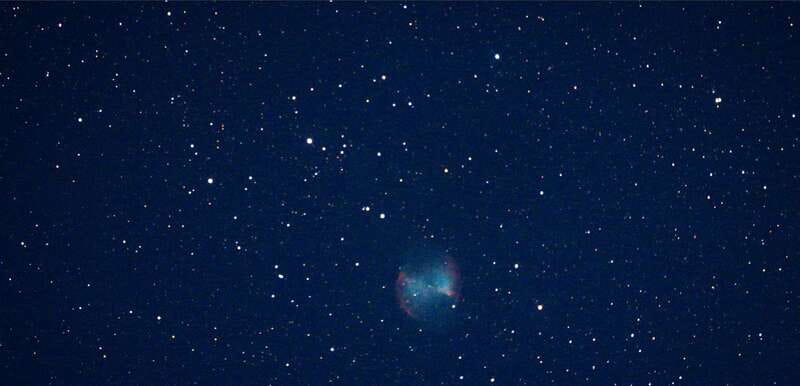
Next comes the telescope experience. The program includes access to optical telescopes, along with a weather-proof telescope element designed to keep part of the presentation going when the sky is not fully cooperative.
The telescope session is not just a quick glance through one instrument. The team demonstrates a range of optical and video telescopes, then answers questions. The quality of this section depends on what the sky allows and on what is visible at the time, but it gives you a better sense of how astronomers use different equipment.
Keep your expectations in check. This is not an observatory visit built around a giant research telescope. One person booked mainly to look through a very large telescope and was disappointed to find only a smaller instrument available for viewing on a cloudy night. Another found the telescope section very good, with several optical and video telescopes demonstrated.
That difference tells you how to judge the value. Come for a guided introduction to several types of telescope, not a guarantee of a dramatic close-up of Saturn, a nebula, or a distant galaxy. The sky decides what can be seen.
The walk to the darker site
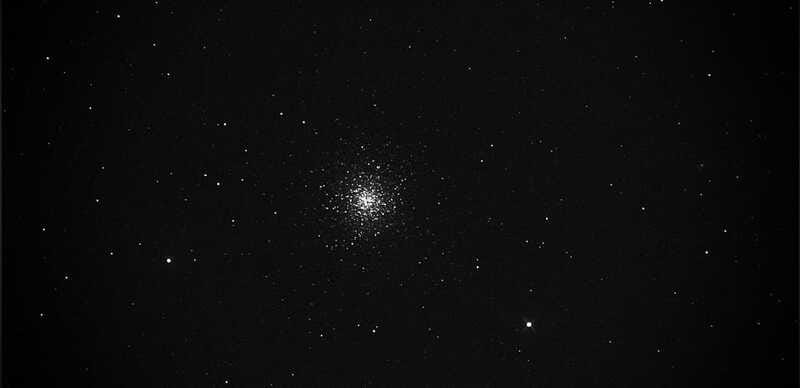
After the indoor and telescope portions, a dark-sky guide makes an announcement and leads you about 480 metres to a specially selected site within walking distance. This is a short walk for most people, but it can feel longer in cold, dark conditions or for anyone with mobility limits.
The activity is not suitable for people with mobility impairments. The supplied information does not describe the route as accessible, so you should take that restriction seriously rather than assume the walk will be easy for everyone.
Bring weather-appropriate clothing. Mountain evenings can feel cold even after a warm afternoon, and you may stand still for long stretches while looking upward. Warm layers, a hat, and gloves are sensible choices. The tour does not provide food or drinks, so eat beforehand and plan your evening around the no-food rule.
The darker site matters because light from buildings and parking areas can wash out faint stars. You will not be in a remote wilderness location, but moving away from the lodge gives the guides a better chance to point out constellations and dimmer objects.
Same base, a different sort of day:
- Jasper Evening Wildlife Tour
★ 4.5 · 710 reviews - Jasper National Park: Evening or Morning Wildlife Watch Tour
★ 4.6 · 691 reviews - Jasper Wildlife & Sightseeing Tour with Maligne Lake Cruise
★ 5.0 · 603 reviews - Jasper SkyTram Roundtrip Flight Ticket
★ 4.7 · 567 reviews
Learning the sky with a laser and binoculars
At the dark-sky site, your guide uses a laser to identify naked-eye constellations. This is often the most useful part for beginners because it teaches you how to find shapes in the sky rather than simply showing you a picture on a screen.
The guide also introduces local Indigenous constellations. That regional focus gives the night a stronger sense of place. You are not only learning a standard list of planets and zodiac figures, but also hearing how the sky can be understood through Indigenous traditions connected to this part of Canada.
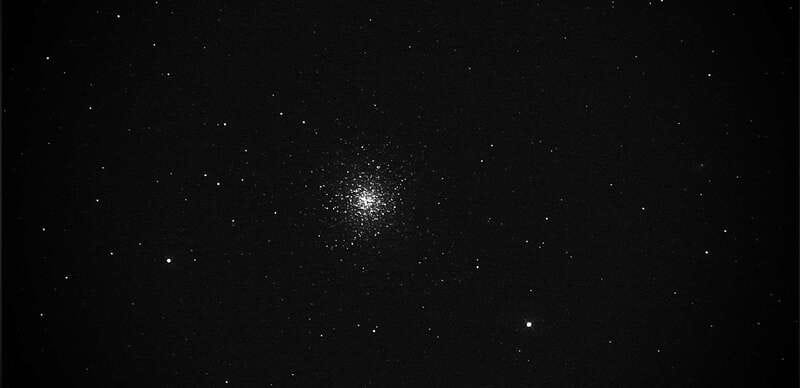
The binocular portion is a nice touch. The Planetarium supplies the binoculars, and the guides lead a shared exercise in finding the Milky Way and selected deep-space objects. Binoculars show more stars than your eyes alone while keeping a broad field of view. For some objects, that can be more satisfying than peering through a telescope and seeing only a small patch of sky.
The group format also makes this part approachable. You do not need to arrive with astronomy experience or expensive equipment. The guides provide the tools and help you work out where to look.
What happens on a cloudy night
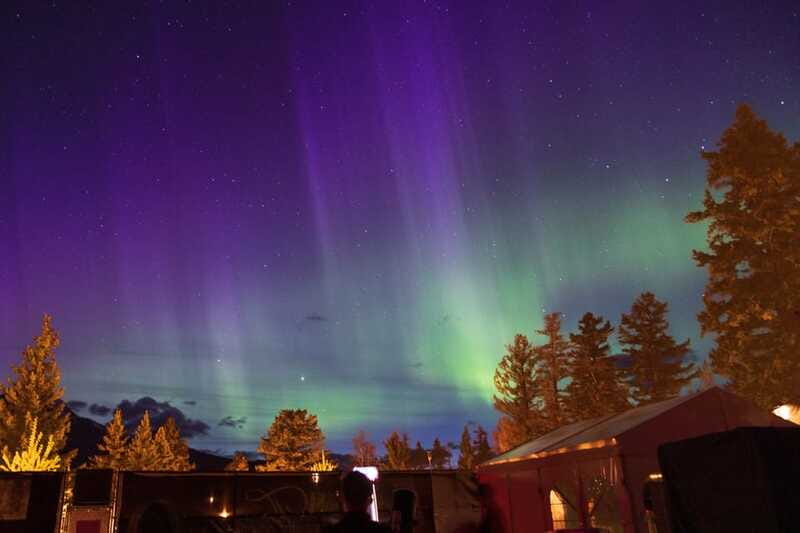
Weather is the big question. The tour can still operate with cloud cover, and the dome theatre, talks, questions, and some telescope demonstrations may continue. But the outdoor viewing can be limited or impossible if the clouds are thick.
The formal safety net is a two-year rain check. If any part of the tour is not clear on the night you attend, you can return and repeat those aspects at no additional charge within two years. That is unusually generous and makes the booking less risky for visitors with flexible plans or a return trip to Jasper.
Still, the rain check is only useful if you can come back. If you are visiting Jasper once and leaving the next morning, cloudy conditions can leave you with a partial experience. One account also described receiving a generous refund and a revisit plan after cloud cover, but you should not treat that as an automatic substitute for the stated two-year rain check.
I would check the forecast on the day of the tour and ask the Planetarium about conditions if the sky is clearly deteriorating. Do not assume the activity will be canceled before you arrive. The provider may run the indoor sections and leave the outdoor portions for the rain check.
The guides make the difference
The astronomy team is a major part of the value. The guides explain the subject in a friendly, fun way and take questions throughout the evening. That matters because astronomy can become dry fast if it is reduced to a list of names and distances.
The strongest praise has focused on the guides’ ability to teach without making the subject feel like a school lecture. A family with two children found that the small group received the same energy and attention as a larger party. That suggests the program can work well for both families and adults, though the tone is clearly educational.
The Q&A is worth using. Ask about the object you have just seen, how the telescope works, or how the Indigenous constellations differ from the patterns commonly taught in Western astronomy. The program is built for questions, not just a scripted talk.
If you are two adults hoping for a late-night, highly technical observing session, the family-friendly teaching style may feel basic. One person found the content better suited to school-age children than to two adults attending late in the evening. That is not a flaw for families, but it is an important expectation to set.
Is $102 a fair price?
At $102 per person, this is not a cheap add-on. The value comes from the three-hour format and the combination of facilities, guides, equipment, and weather protection.
You are paying for:
- Entry to the dome theatre
- Access to optical telescopes
- A guided constellation tour
- Use of supplied binoculars
- Astronomy instruction and Q&A
- Parking
- A two-year rain check for unclear portions
For a clear night, the price is reasonable if you want a structured astronomy experience and do not own binoculars or a telescope. You get more than a short look through an instrument. The program teaches you how to read the sky and gives you several ways to view it.
The value drops if your only goal is a close-up telescope image. The equipment available and the objects visible can vary, and cloud cover may prevent the most memorable views. For that reason, I would not book this solely for a promised look at one specific planet or galaxy.
The price also makes more sense for families. Two adults with no interest in the educational parts may find the dome show and guided explanations too basic. Children old enough to stay engaged for three hours are likely to get more from the full format.
Who should book this Jasper astronomy tour?
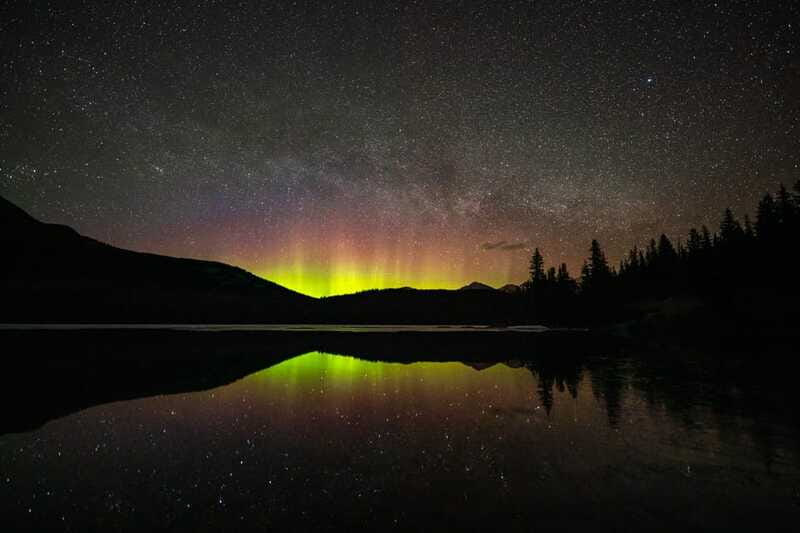
I would recommend it to first-time stargazers, families with children over four, couples who enjoy guided learning, and anyone curious about Indigenous sky traditions. It is also a good choice if you want an organized evening rather than trying to identify stars on your own.
You should be comfortable walking outdoors, standing in cool weather, following a group, and accepting that the sky controls the final result. The experience suits curious beginners better than serious amateur astronomers seeking advanced observing or guaranteed telescope targets.
For the best chance at the full program, choose a night with a favorable forecast and keep the next day or another evening in Jasper flexible. If the clouds arrive, the rain check protects the booking, but only if your schedule allows a return.
Should you book the Jasper Planetarium Dark Sky Experience?
Book it if you want a full, guided astronomy evening rather than a single telescope viewing. The strongest parts are the friendly teaching, the supplied binoculars, the laser-guided constellations, and the inclusion of local Indigenous knowledge. The two-year rain check softens the weather risk.
Skip it if you need guaranteed clear skies, a large observatory telescope, or a highly technical program for experienced astronomers. At $102, the tour earns its price on a clear night. On a cloudy one, it becomes mainly an indoor astronomy presentation with the possibility of returning later.
FAQ
How long does the Jasper Planetarium Dark Sky Experience last?
The experience lasts three hours.
How much does the tour cost?
The price is $102 per person.
Where do I check in?
Check in at the Planetarium Retail Desk inside the Main Lodge at Jasper Park Lodge. It is in the southwest corner of the lobby, across from the Emerald Lounge.
How early should I arrive?
You must check in 15 minutes before the scheduled departure. Late arrivals are not admitted and may be moved to the next available tour, which could be on another day.
Is the tour suitable for young children?
The activity is open to all ages except children under four, who are not permitted in the Planetarium Dome Theatre. Unaccompanied minors are not allowed.
What is included in the price?
The price includes admission to the Planetarium Dome Theatre, access to optical telescopes, binoculars for the constellation tour, parking, and Q&A with the guides.
What should I bring?
Bring weather-appropriate clothing. You will walk about 480 metres to a selected dark-sky site and may spend time outside.
What happens if the sky is cloudy?
If parts of the tour are not clear, you can use a two-year rain check to return at no additional charge for those aspects.
Can I cancel the tour?
You can cancel up to 24 hours in advance for a full refund. Within 24 hours, there is no refund, but you may change your booking to another time.
Just added in Jasper
- Wildfire Peak Nic★ 5.0 · 5 reviews
- Planetarium and Telescope Combo Tour★ 4.0 · 144 reviews
- Whitewater Rafting on Jasper’s Fraser River★ 5.0 · 59 reviews
- Ultimate Jasper Nature Walk★ 4.5 · 9 reviews
- Sunwapta Challenge Whitewater Rafting: Class III Rapids★ 5.0 · 139 reviews
- Wild Current Canoe Adventure Join a small group★ 5.0 · 177 reviews
- Winter Wildlife Discovery Tour★ 4.5 · 68 reviews
- Jasper to Lake Louise One-Way Tour★ 5.0 · 19 reviews
Tours in Jasper, compared.
Columbia Icefield Skywalk and Ice Explorer Ticket
Read our review →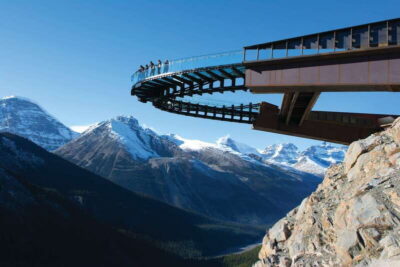
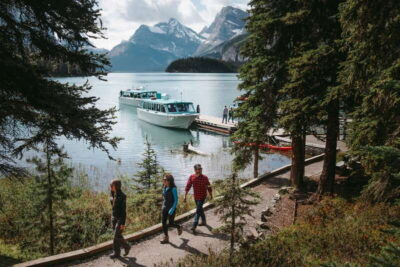
Jasper National Park: Maligne Lake Cruise With Guide
Read our review →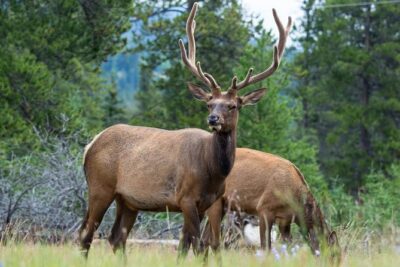
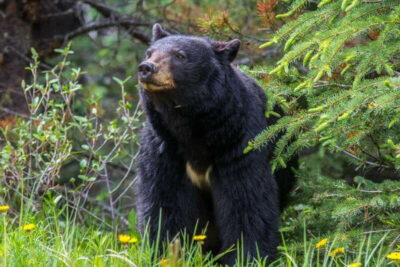
Jasper National Park: Evening or Morning Wildlife Watch Tour
Read our review →
Jasper Wildlife & Sightseeing Tour with Maligne Lake Cruise
Read our review →
Browse the lists this tour appears in