
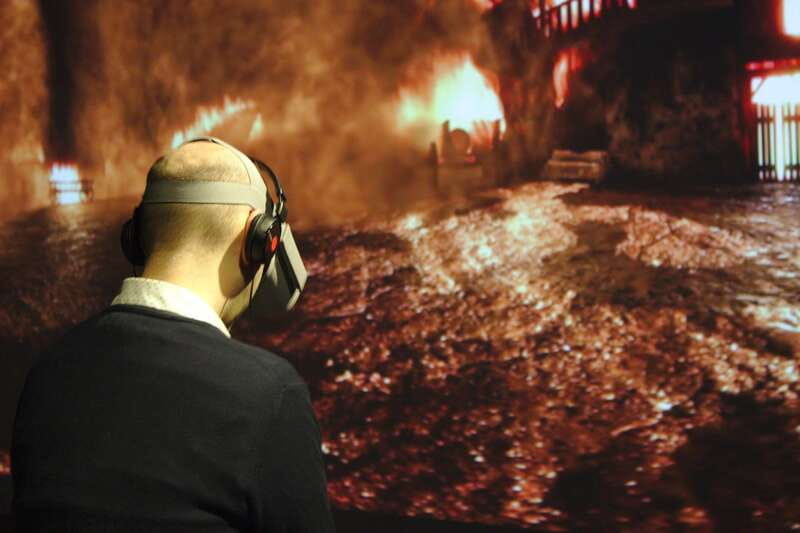
Reviewed · HISTORICAL TOURS
Quebec City’s History in Virtual Reality
Quebec City’s past unfolds while you remain seated beneath the stone vaults of Maison Chevalier, a building dating to 1752. The 40-minute presentation uses a headset, 3D animation, historical images, and sound to cover more than 400 years through 10 key moments.
I like the setting and the price. The old vaults give the experience a real connection to the city, while $19 makes this an easy add-on to a day of sightseeing. The clear battle scenes and reenactments can also help you picture events that are hard to grasp from a plaque or textbook.
The main consideration is the technology. Some of the images may look blurry or dated, and music has occasionally been loud enough to make the narration harder to hear. If you want a polished modern VR game, this may feel modest. If you want a short history lesson with atmosphere, it earns a look.
Key points to know before you go
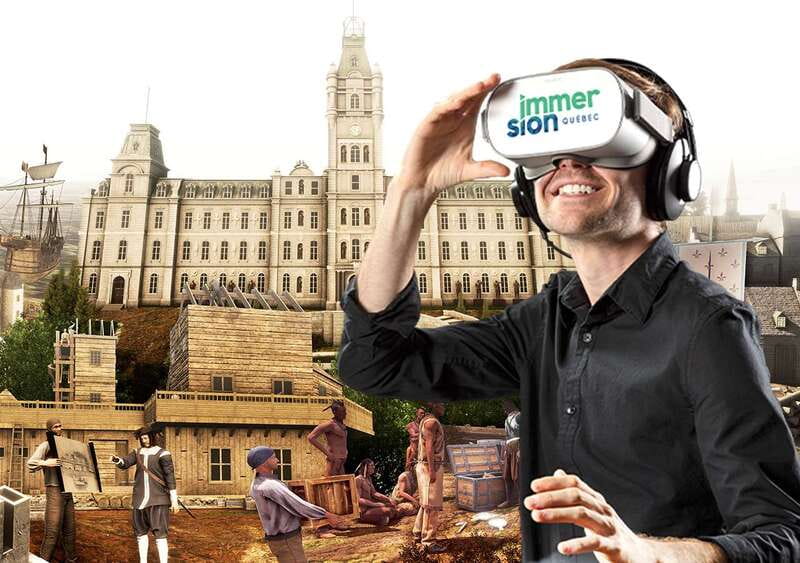
- 400 years in 40 minutes: The presentation moves through ten selected moments in Quebec City’s story.
- A historic setting: The activity takes place in the vaulted rooms of Maison Chevalier, dating from 1752.
- Seated from start to finish: You use the headset while remaining in your seat, making this a low-effort sightseeing choice.
- Several audio languages: Audio is available in English, French, Spanish, and Chinese. The instructor speaks English or French.
- A useful battle overview: The reenactments help explain the conflicts that shaped control of the city.
- Good value at $19: It costs less than many longer guided attractions and fits neatly into a busy day.
Quebec City’s past, told from a chair
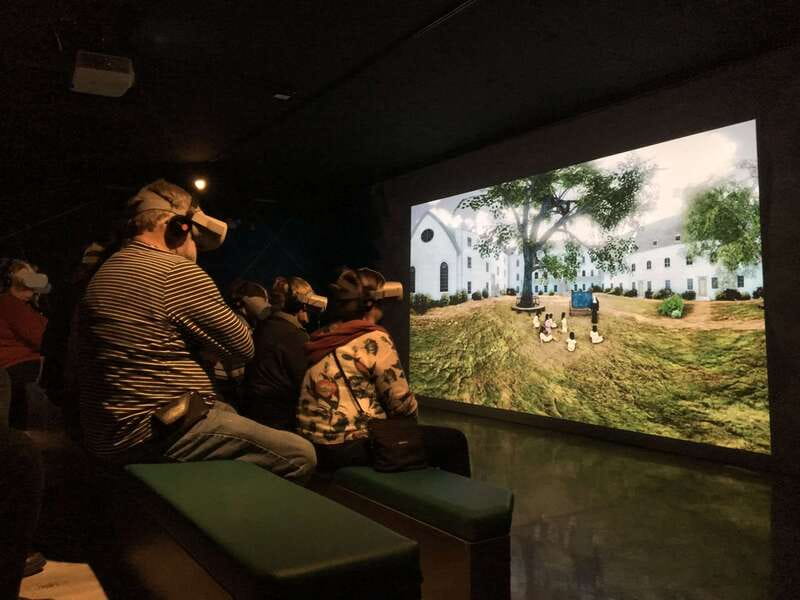
This experience takes a simple approach: sit down, put on the virtual reality headset, and let the presentation carry you through more than four centuries of local history. You do not walk from room to room or handle equipment beyond the headset. The whole program lasts about 40 minutes.
That format matters in Quebec City, where much of the sightseeing involves cobblestones, hills, stairs, and long periods on your feet. I like that you can place this activity between walks without asking your legs to work harder. It also gives you a break on a rainy or very cold day.
The presentation is built around 10 key moments, rather than a long list of dates and names. That keeps the story moving. You get a broad explanation of why Quebec City matters today, how its position shaped its past, and why battles for control of the city were so important.
You should not expect a full university course in 40 minutes. The strength here is the wide view. You get a readable outline of the city’s development, then leave with enough context to make the streets, fortifications, buildings, and historic sites more meaningful.
A few more things to do in Quebec City worth a look
- Evening Gourmet Tour 5 Course Dinner – History and Food in Old Quebec City
★ 5.0 · 496 reviews - Quebec City: Old Quebec Historical Walking Tour
★ 4.8 · 409 reviews - Combo Historical and Food Tour of Old Quebec
★ 5.0 · 360 reviews
Inside the 1752 vaults of Maison Chevalier
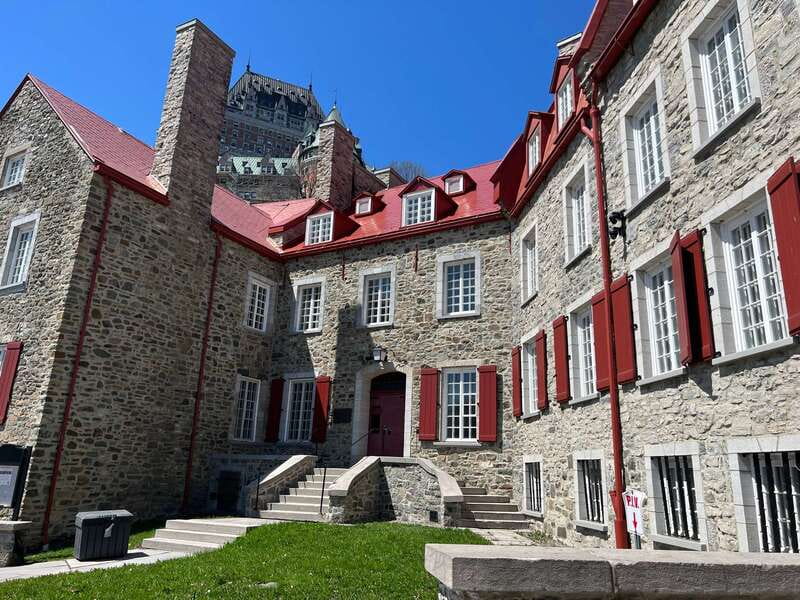
The location does useful work before the headset even goes on. Maison Chevalier dates to 1752, and the activity takes place in its historic vaults. You are not watching a history program in an anonymous shopping-center room. The old masonry gives the presentation a physical link to the period it discusses.
The entrance to Immersion Quebec is the door on the left near the sidewalk. That small detail is worth keeping in mind, since the activity is located within the Maison Chevalier building rather than announced as a large street-front theater.
The setting is also a good reminder that Quebec City’s story is not only something on a screen. You are already sitting inside a piece of the city’s built past. The virtual scenes add movement and explanation to the physical surroundings.
I would allow a few extra minutes to find the entrance, especially if you are working around a tight sightseeing schedule. The program itself is only 40 minutes, so a missed start time would take a noticeable bite out of your day.
Ten moments, one clear historical arc
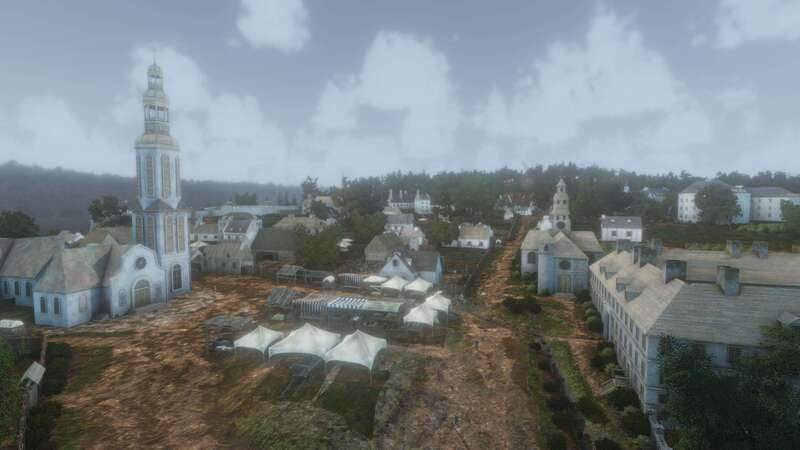
The presentation does not provide a stop-by-stop list of all ten moments, so I would think of it as a guided historical arc rather than ten separate attractions. The program uses detailed research and programming, 3D animation, and historical images to connect the selected events.
You begin with the broad story of Quebec City and then move through the moments that explain its importance. The point is not simply to memorize dates. It is to see how the city became known for its location, its culture, and its role in conflicts involving control of the area.
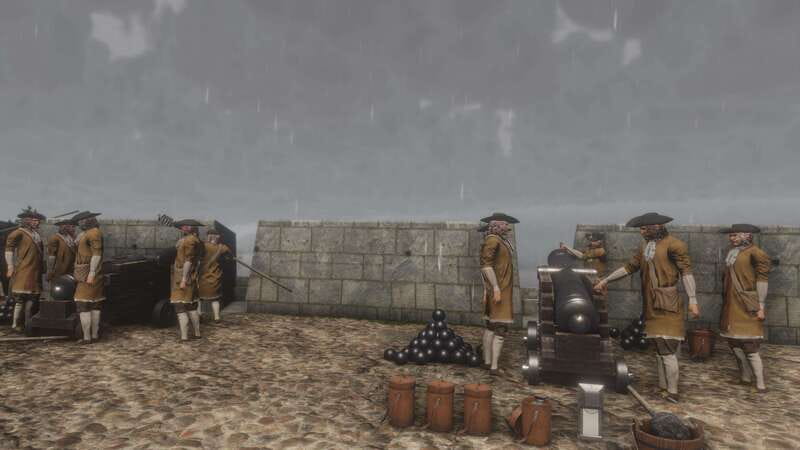
The battle scenes receive particular attention. Reenactments help you picture military events and changing control of the city in a way that a written description often cannot. If you have already walked around Quebec City and wondered why certain defenses and historic sites matter, this section can give those places a clearer purpose.
The program also helps visitors who arrive with little background. You do not need to know the difference between every political group or remember a timeline of colonial events before sitting down. The presentation is designed to explain the broad story as it goes.
That said, a short presentation must simplify. Ten moments cannot cover every community, conflict, or social change in equal detail. You will get a selective story built for a general audience, not a complete account of every part of Quebec City’s past.
How the virtual reality presentation works
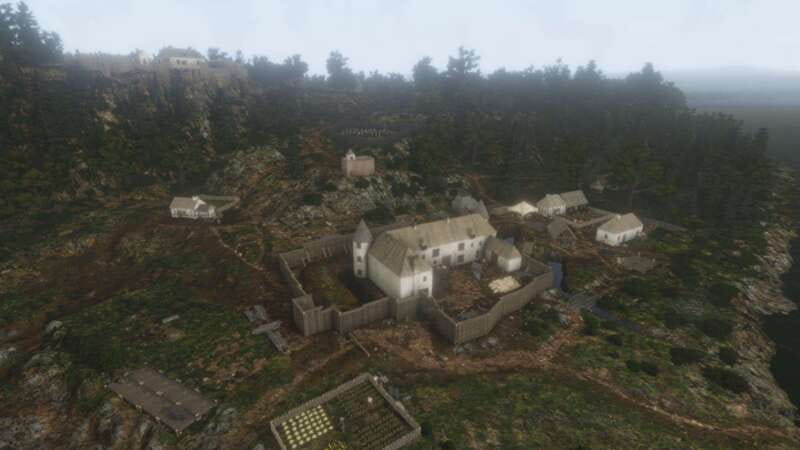
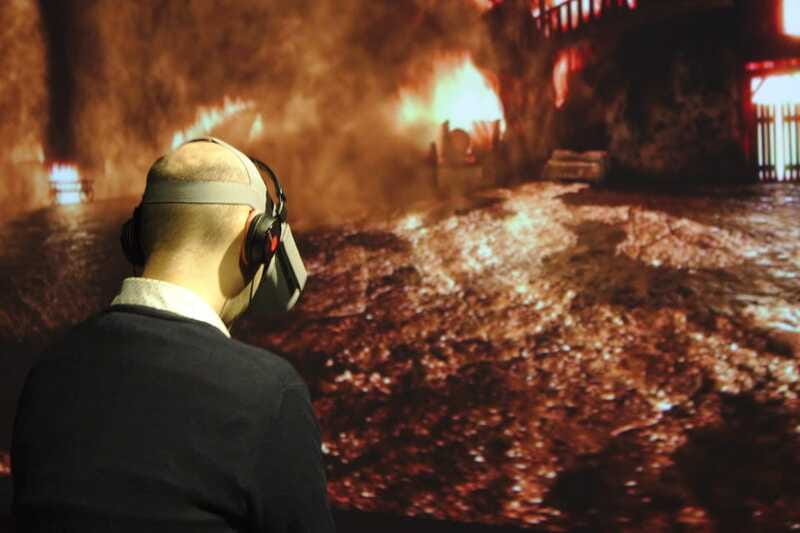
The experience uses a virtual reality projection headset. You remain seated while the headset presents 3D animation and historical images. This is closer to a narrated visual history program than an interactive game, so you should not expect to walk through a digital city or make choices that alter the story.
That can be a benefit. You can focus on the narration and images without learning controls or worrying about missing the next step. Families, first-time visitors, and people who prefer a gentle pace may find this easier than a more demanding VR attraction.
The technology has a mixed edge. It brings battles and historical scenes to life better than still photographs alone, but the visual quality may not match current high-end games or cinema presentations. One assessment found some images blurry and suggested that more detailed drawings or real photographs could improve the way people and buildings appear.
I would set your expectations accordingly. The value is in the combination of research, narration, and visual explanation, not cutting-edge graphics. If you judge it as a modern video game, you may be disappointed. If you judge it as a compact city-history presentation, the format makes more sense.
Same base, a different sort of day:
- Quebec City Walking Tour
★ 5.0 · 4,716 reviews - Quebec City: Guided Tour of Fairmont Le Château Frontenac
★ 4.7 · 3,027 reviews - Québec City: Guided Sightseeing River Cruise
★ 4.4 · 3,000 reviews - Half-Day Trip to Montmorency Falls and Ste-Anne-de-Beaupré from Quebec city
★ 4.0 · 2,718 reviews
Narration, languages, and sound
The instructor speaks English or French. The audio guide is available in Spanish, Chinese, English, and French, giving this activity broader appeal than a standard English-only talk.
If you want the clearest experience, choose the language you follow most comfortably and pay attention to the audio setting at the start. The presentation depends heavily on narration. The images support the story, but they do not replace the spoken explanation.
Sound levels are one practical weakness to keep in mind. Music has been reported as loud enough at times to make the narration difficult to hear. That does not ruin the program, but it can matter if you have hearing difficulties or find background music distracting.
If the sound feels unbalanced, say so promptly to the staff rather than trying to follow a muffled narration for 40 minutes. There is no need to treat the soundtrack as part of the challenge. The history is the reason you are there.
What $19 buys you
At $19 per person, this is priced as a short attraction rather than a major half-day tour. I see the best value when you use it to add context to other sightseeing. It can help you understand Quebec City before visiting more historic sites, or help tie together places you have already seen.
The seated format also adds value. You are paying for a focused presentation without a long walk, transport, or extended standing time. For a family or small group, that makes the cost easier to justify when you want an educational activity that does not demand a full afternoon.
The price is less compelling if you are seeking a highly advanced VR production. The visuals may feel dated beside newer digital attractions, and the 40-minute length means the content is selective. You are paying for a compact history experience in a historic setting, not an all-day guided tour.
For most visitors, the deciding question is simple: do you want more context for Quebec City’s past? If yes, $19 is reasonable. If you already know the city’s history well and mainly want polished technology, spend the money elsewhere.
Who will get the most from it
I would recommend this for first-time visitors who want a quick orientation. The program explains why Quebec City is well-known today and shows how major conflicts shaped its story. It can give you a useful framework before you explore on foot.
It also suits families and mixed-age groups. Everyone remains seated, the program is short, and the visual format can make military history easier to follow. The activity is not described as a children’s attraction, but the balance of animation, narration, and reenactment should be easier for younger viewers than a long lecture.
History-minded visitors may appreciate the amount of research behind the presentation, listed at more than 6,200 hours of research and programming. Still, specialists should regard it as an introduction. The format leaves little room for detailed debate or extended discussion.
It is less suitable for anyone who strongly dislikes headsets, gets uncomfortable with virtual reality, or wants a fully interactive attraction. The visual material can also feel less polished than current technology. That is not a dealbreaker for me, but it is a real part of the decision.
Practical planning for your Quebec City day
The listed duration is 40 minutes, with starting times available according to the schedule. That makes it easy to place between other activities, but remember that the program itself is fixed in length once it begins.
You can reserve ahead and pay later, which is useful if your weather plans are still shifting. Free cancellation is available up to 24 hours in advance for a full refund. Those terms give you some room to adjust a day that depends on weather or changing plans.
The activity is offered in Quebec City at Maison Chevalier. Look for the entrance to Immersion Quebec, the door on the left near the sidewalk. The location inside the historic vaults is part of the appeal, so take a moment to notice the building rather than treating it only as a place to collect a headset.
The experience is designed for a small number of people, which should make it feel more focused than a large theater presentation. No group size is specified, so I would not assume a private session. The practical benefit is simply that the activity is not described as a crowded mass attraction.
My final call: book it for context, not cutting-edge VR
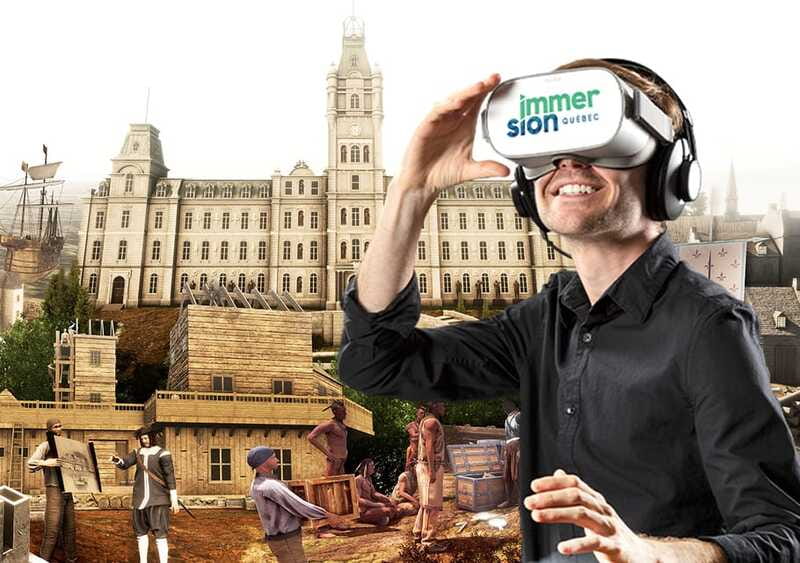
I would book Quebec City’s History in Virtual Reality if I wanted a short, affordable introduction to the city’s past. The combination of Maison Chevalier’s 1752 vaults, ten historical moments, battle reenactments, and a seated format gives it a clear purpose.
I would skip it only if I had little interest in history or expected the latest VR graphics. The dated images and occasionally loud music are genuine drawbacks. Still, the $19 price keeps the risk low, and the experience can make the rest of your Quebec City sightseeing easier to understand.
Book it early in your visit if you want an overview, or later if you want to make sense of the places you have already seen. Either way, treat it as a compact history lesson with atmosphere, not a substitute for exploring the city itself.
FAQ
How long does Quebec City’s History in Virtual Reality last?
The experience lasts 40 minutes.
How much does the experience cost?
The price is $19 per person.
Where does the experience take place?
It takes place in the historic vaults of Maison Chevalier in Quebec City. The building dates back to 1752.
How do I find the entrance?
The entrance to Immersion Quebec is the door on the left near the sidewalk at Maison Chevalier.
Do I remain seated during the presentation?
Yes. You remain seated throughout the experience.
What does the ticket include?
The activity includes a virtual reality headset.
How many historical moments are covered?
The presentation covers more than 400 years of history through 10 key moments.
What languages are available?
The audio guide is available in Spanish, Chinese, English, and French. The instructor speaks English or French.
Can I cancel my booking?
Yes. You can cancel up to 24 hours in advance for a full refund.
Do I have to pay when I book?
No. The reserve-now, pay-later option allows you to book your spot without paying immediately.
Just added in Quebec City
- Stoneham: Nordic spa Thermal Experience★ 4.9 · 20 reviews
- Quebec : Old Town Walking Tour With A Local Guide★ 4.5 · 38 reviews
- Quebec Interactive Street Theatre: “Crimes in New France”★ 4.6 · 175 reviews
- Quebec: Christmas Interactive Walking Tour of New France★ 4.3 · 7 reviews
- Québec City: Weekend River Brunch Cruise★ 4.5 · 116 reviews
- Québec: Fortifications-of-Québec Guided Walking Tour★ 4.7 · 60 reviews
- Québec City: Saint-Louis-Forts-and-Châteaux visit★ 4.7 · 126 reviews
- Quebec City Private Walking Tour with Funicular Ride★ 4.8 · 10 reviews
Historical Tours, compared.



Evening Gourmet Tour 5 Course Dinner – History and Food in Old Quebec City
Read our review →

Browse the lists this tour appears in