
Reviewed · TOURS IN TORONTO
Toronto: Experience PATH – A 32km/24mile underground walkway
Toronto’s PATH is a second downtown, hidden below the streets. This 32-kilometre underground walkway links shops, food courts, hotels, subway stations, office towers, sports arenas, and major sights, letting you cross much of central Toronto without facing winter wind, summer heat, or a red light.
I like two things here: you learn practical tricks for finding your way, and the tour shows you city spaces most people pass without noticing. Guides such as Dave and Ram add local history, odd facts, and useful suggestions. The main drawback is physical: the route covers about 3 kilometres and uses four escalators, stairs, and sometimes elevators, so it is not suitable for wheelchair users, people with mobility impairments, strollers, children under 10, or people over 80.
Key points to know before you book
- The tour covers about 3 kilometres: The full PATH system is far larger, but this guided route gives you a useful introduction rather than trying to cover every corridor.
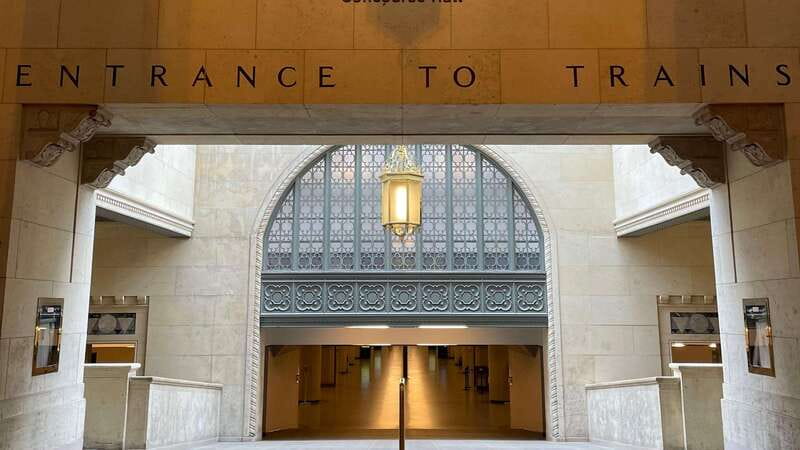
- Union Station is the starting point: Meet in the historic Great Hall, near the clock and VIA Rail departure board.
- You stay underground for much of the route: Shops, food courts, hotels, subway stations, arenas, and office buildings are all connected below downtown.
- You step outside for major sights: The route ends at City Hall and includes views of the CN Tower, Scotiabank Arena, and Hockey Hall of Fame.
- The group is limited to 10 people: That makes it easier to ask questions and keep up in a maze of corridors.
- Winter and rainy days are ideal: You can see central Toronto while spending far less time outdoors.
Toronto’s second downtown, below street level
The PATH is not a single tunnel. It is a connected network of passageways running beneath Toronto’s central business district. On an average workday, between 200,000 and 300,000 people use it to move around downtown without going outside.
That number matters. You are not walking through an abandoned underground attraction. You are sharing the route with office workers, shoppers, diners, sports fans, hotel guests, and commuters. The PATH works as part of the city’s daily transport system, and that gives the tour a useful local feel.
The network includes more than 1,200 shops and food courts, six subway stations, and nine hotels. It also connects with Toronto’s hockey and basketball arena and the city’s busiest shopping mall. You might pass bright retail spaces one moment, then enter a quiet office building or a broad public concourse the next.
I like this tour because it explains how the pieces fit together. Without guidance, the PATH can feel like a series of disconnected basements. With a map, signs, and a few basic rules, it becomes a practical way to cross downtown.
Other trips people book in Toronto:
- Toronto: Niagara Falls Day Tour with Optional Boat Cruise
★ 4.6 · 3,178 reviews - Niagara Falls Day Tour from Toronto
★ 5.0 · 2,889 reviews - Toronto: Casa Loma Entry Ticket
★ 4.7 · 2,705 reviews
Starting in Union Station’s Great Hall
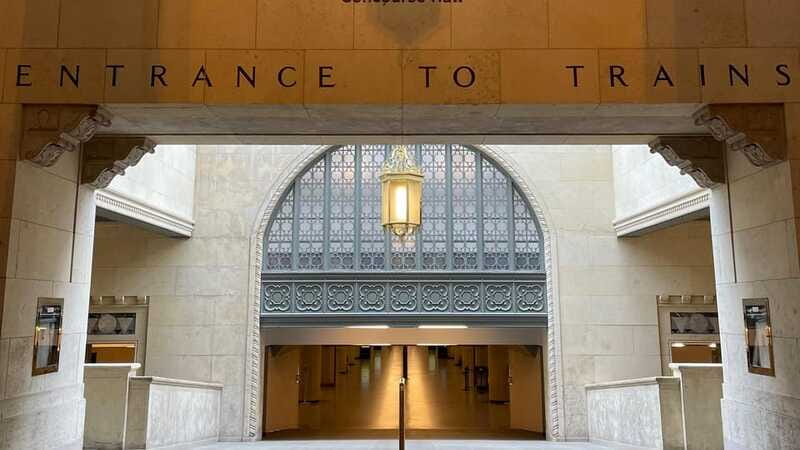
The meeting point is inside Union Station at 65 Front Street West. Enter through the historic section of the station from Front Street West, then head to the centre of the Great Hall. Your guide holds a small sign marked PATH and waits near the clock and VIA Rail departure board.
Give yourself enough time to find the right part of the station. Union Station is a large building, and the historical Great Hall is not the same as simply arriving at the station and stopping at the first entrance you see.
The setting is a fitting beginning. Union Station is one of Toronto’s main transport hubs, and the PATH grew around the need to connect rail passengers, offices, shops, hotels, and the downtown street grid. Your guide uses historical photos to help explain how this underground system developed and why it became such a major part of city life.
The tour is conducted in English. The small-group limit is 10 people, which is helpful here. A large group could easily block a corridor or lose sight of the guide at a busy junction. A small group also gives you room to ask about a building, a sign, or a place you plan to visit later.
Learning to read the PATH without getting lost
The best part of the tour is not simply seeing underground shops. It is learning how to navigate the system after the two hours are over.
Your guide shares tricks for working out which direction you are going. This is important because the PATH does not feel like a simple straight line. Different buildings connect at different levels, signs can point toward separate destinations, and a corridor that looks promising may lead to a mall, hotel, subway entrance, or office tower rather than the street you want.
I would pay close attention to these navigation lessons. The biggest practical benefit is that you can use the PATH later on your own. Several people who took the tour early in their stay found it changed how they moved through Toronto for the rest of their visit.
The guide also gives tips about buildings and nearby places. Dave is the main guide named in the available information, while Ram has also led the experience. Both are described as friendly, funny, and well informed about Toronto and the PATH. Dave is especially praised for explaining the system clearly, answering questions, sharing local facts, and helping with photographs.
The tone seems relaxed rather than rushed. One booking was a private-feeling walk with only one participant, while other groups remained small. That can make a difference in a complicated setting where you may want to stop for a question or take a photograph.
What you see along the 3-kilometre route
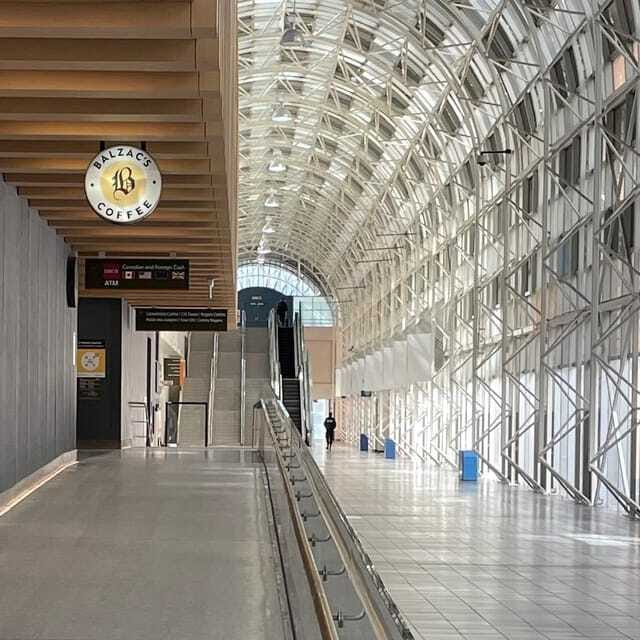
The guided route covers around 3 kilometres, or 2 miles, within the much larger PATH network. That is enough to show the system’s variety without leaving you underground for an entire day.
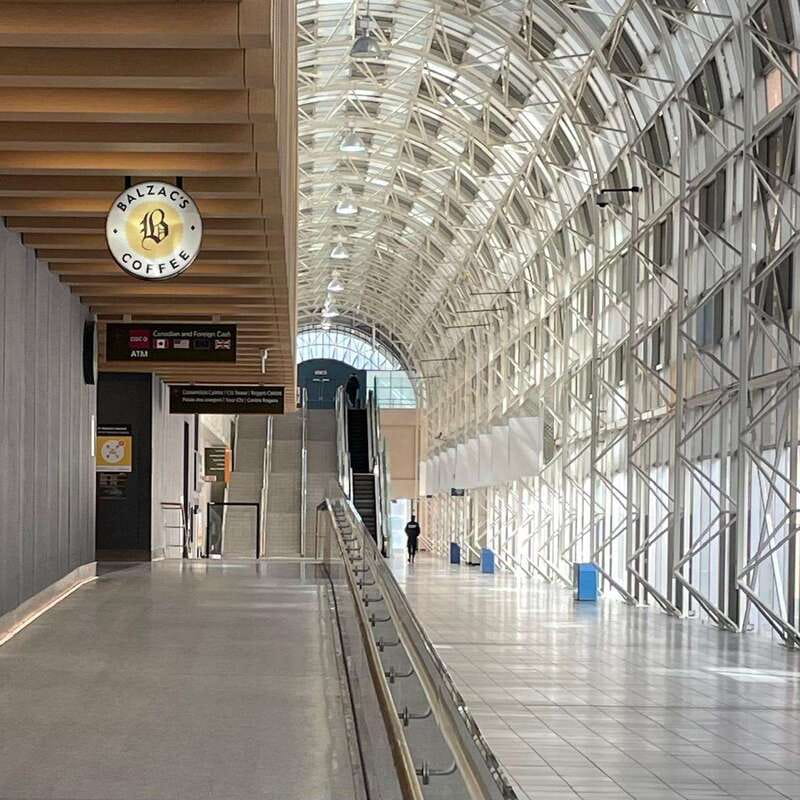
You can expect to pass through shopping areas, food courts, hotel links, office buildings, and connections to public transport. Some sections feel polished and modern. Others are more functional, showing that the PATH is first and foremost a working part of downtown rather than a purpose-built sightseeing tunnel.
The route also connects with major sports and shopping destinations. The PATH reaches Toronto’s basketball and hockey arena, and it links to the city’s busiest shopping mall. These connections help explain why the system matters to more than office workers. On a game day or during poor weather, the underground route can save you a long outdoor walk.
The tour does not attempt to show every business or corridor. That is a good thing. The PATH is too large to cover properly in two hours, and trying to do so would turn the walk into a confusing march. Instead, you get a manageable sample plus the skills to continue exploring.
Some locations may be closed on certain weekends and holidays. That means the exact feel of the route can change. A weekday may show the PATH in its full working rhythm, while a weekend can be quieter, with some shops or building escalators unavailable.
Same base, a different sort of day:
- Niagara Falls Canada Day Tour From Toronto + Boat Cruise Option
★ 5.0 · 2,576 reviews - Toronto: Harbor and Islands Sightseeing Cruise
★ 4.7 · 2,566 reviews - Toronto: City Sightseeing Hop-On Hop-Off Bus Tour
★ 4.3 · 2,544 reviews - Niagara Falls from Toronto: Skip-the-Line Boat & Skylon Tower
★ 5.0 · 2,406 reviews
Popping outside for Toronto’s biggest landmarks
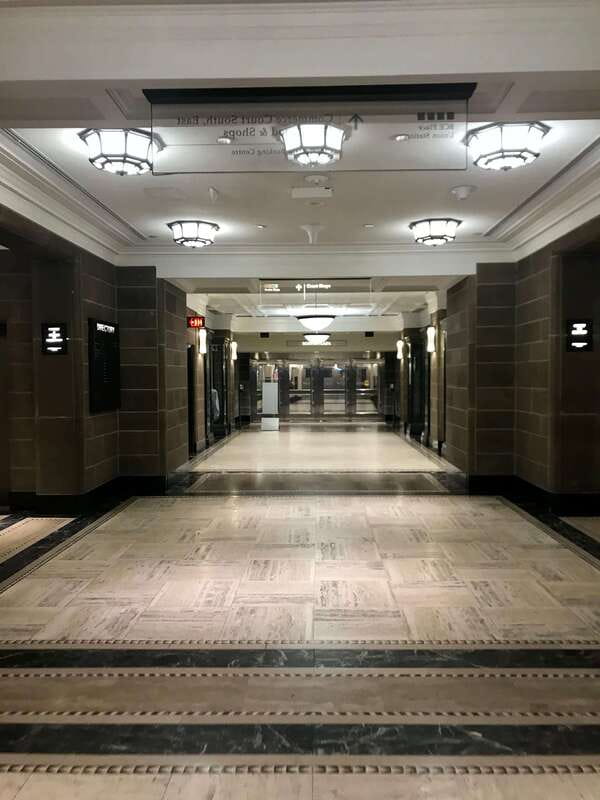
Although the PATH is the main subject, this is not a completely underground experience. The route includes outdoor views of the CN Tower, Scotiabank Arena, and the Hockey Hall of Fame.
These short outdoor sections help you connect the underground network to the city above. After walking through corridors and buildings, it is useful to see exactly where you are in relation to Toronto’s best-known landmarks.
The CN Tower gives you a clear visual reference for downtown. Scotiabank Arena shows how the PATH serves major sporting and event venues. The Hockey Hall of Fame adds another recognizable stop and reinforces Toronto’s strong hockey identity.
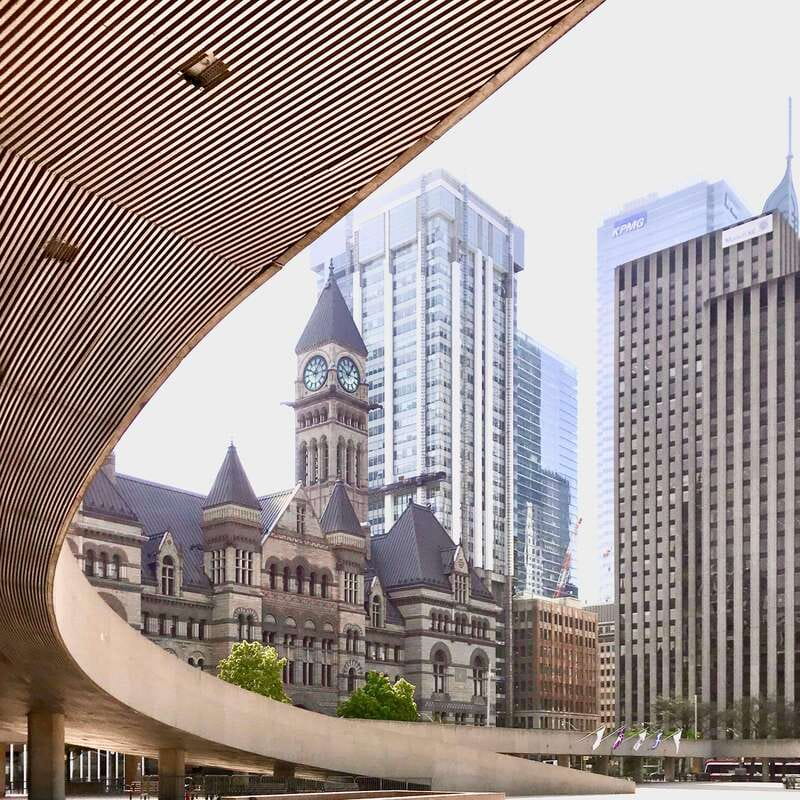
The tour ends at Toronto City Hall. This makes the route easy to understand: you begin at one of the city’s main transport centres and finish near an important civic landmark. It also gives you a useful place to continue your day above ground.
Do not expect long sightseeing stops at every landmark. The focus remains the PATH, with outdoor views woven into the walk. If you want full visits to the CN Tower or Hockey Hall of Fame, you will need separate time and admission.
Why this is especially useful in winter
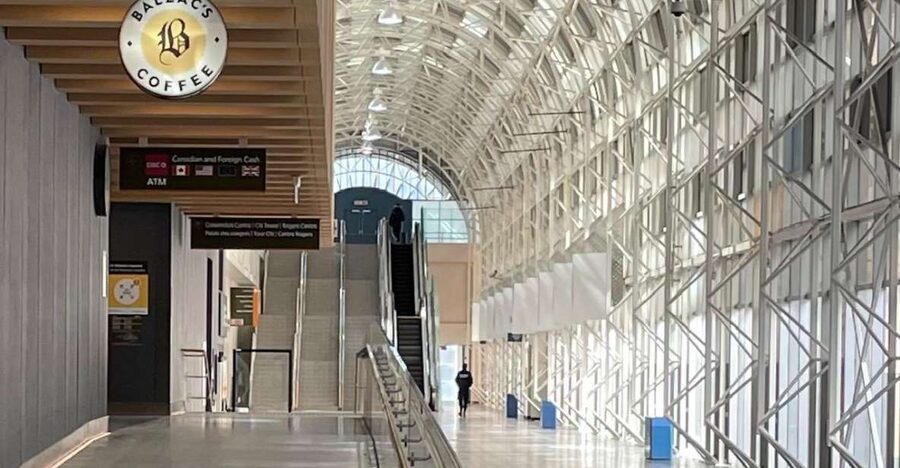
Toronto’s winter weather is the clearest reason to book this experience. You can move across much of the downtown core without spending the whole day stepping in and out of the cold.
The route is also useful in rain. One participant found it particularly worthwhile on a wet day, while another said the experience changed how they handled downtown Toronto in winter. That is the practical value in plain terms: after the tour, you know how to avoid some unpleasant outdoor stretches.
The PATH is not a total replacement for street-level sightseeing. You still need to go outside for the city’s views, and the underground network can make you miss the character of the streets above. I would use this tour as a complement, not a substitute.
A good plan is to take it early in your stay. You can then use the route on later days to reach shops, food courts, hotels, subway stations, sports venues, or downtown sights. If you leave it until the end, you may understand the system just as your visit is finishing.
A small group with room for questions
The group limit is 10 participants. That is a sensible size for a two-hour walk through narrow corridors, busy shopping zones, and shared public spaces.
A small group also suits the teaching side of the tour. You are not just being led from one point to another. You are learning how the signs, buildings, and connections work. If you are unsure about a direction or want to know how to reach a particular area later, there is a better chance to ask.
The pace is described as relaxed and accommodating. Still, you should wear comfortable shoes. The route is 3 kilometres, and you use four escalators. On weekends, some buildings may have escalators that are not operating, so stairs or elevators may be used instead.
This is one reason I would not book it casually for someone with mobility limits. The published restrictions are clear: the tour is not suitable for wheelchair users, people with mobility impairments, children under 10, or people over 80. It may also be difficult with a stroller.
Is $29 good value?

At $29 per person, the tour is reasonably priced for a two-hour guided walk with a small group. There are no optional fees or extra charges during the tour.
You are paying for more than a walk through shopping passages. The useful part is the orientation. If the guide helps you understand the system well enough to use it for the rest of your stay, the tour can save time and reduce the frustration of taking the wrong corridor or emerging far from your intended destination.
The price also compares well with the amount of city infrastructure covered. You see links to major buildings, shops, food courts, hotels, transit stations, sports venues, and public landmarks, while learning how the pieces relate to one another.
The value is lower if you already know Toronto’s downtown very well or have no interest in shopping, office architecture, public transport, or city design. It is also less useful if you want a conventional outdoor walking tour focused on historic façades and street life.
Timing, closures, and practical details
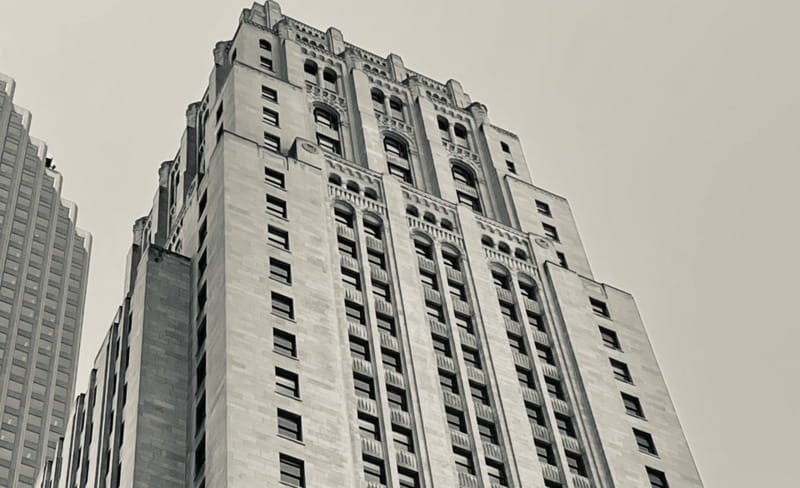
The experience lasts two hours, with starting times dependent on availability. The tour is offered in English.
Weekend conditions can differ from weekday conditions. Some buildings may be closed on weekends and holidays, and certain escalators may not be operating. If you care most about seeing the PATH in its full working form, a weekday may offer a livelier picture, though the system can also be busier.
Cancellation is flexible: you can cancel up to 24 hours in advance for a full refund. You can also reserve now and pay later, which is useful if your Toronto plans are still shifting.
Wear comfortable shoes and bring only what you need for a two-hour city walk. You will not need to pay extra for anything listed as part of the tour.
Who should book the PATH tour?
I would recommend it most strongly to first-time visitors, winter visitors, people staying downtown, and anyone curious about how cities function beneath the street. It is also a smart choice if you plan to use Toronto’s shops, food courts, subway links, hotels, or sports venues during your stay.
It suits you if you enjoy practical city knowledge, unusual urban spaces, and local facts. The historical photos and stories add context, while the navigation tips remain useful after the tour ends.
I would skip it if you want a long outdoor sightseeing route, have limited walking ability, are travelling with a stroller, or are bringing children under 10. The tour also has less appeal if you already know the PATH well.
Should you book it?
Book this tour if you want to turn Toronto’s underground maze into a working map. The strongest reason is not the novelty of walking below street level. It is the chance to learn a system that can help you move around downtown in winter, rain, or heavy traffic.
Book early in your stay, wear comfortable shoes, and listen closely to the direction tips. At $29, this is a practical introduction to a major part of Toronto that many visitors miss. Just remember that it is a guided orientation, not a full tour of every attraction connected to the PATH.
FAQ
Where does the PATH tour begin?
It begins inside Union Station at 65 Front Street West, in the historic Great Hall. Meet near the clock and VIA Rail departure board, where the guide holds a small sign marked PATH.
Where does the tour end?
The tour ends at Toronto City Hall.
How long is the tour?
The tour lasts two hours.
How far do you walk?
The guided route covers about 3 kilometres, or 2 miles. The full PATH network is much larger, at about 32 kilometres or 24 miles.
How much does the tour cost?
The price is $29 per person.
Is the tour conducted in English?
Yes. The live tour guide speaks English.
How many people are in the group?
The tour is limited to 10 participants.
Is the tour suitable for wheelchair users?
No. It is listed as unsuitable for wheelchair users and people with mobility impairments. The route uses four escalators, and on some weekends stairs or elevators may be used if escalators are not operating.
Can children join the tour?
Children under 10 are not permitted according to the activity information.
What should I bring?
Bring comfortable shoes. There are no optional fees or charges during the tour.
Just added in Toronto
- Toronto Waterfront and Islands Guided Bicycle Tour★ 4.9 · 80 reviews
- Toronto: Winter Niagara Falls Tour with Attractions Package★ 4.7 · 43 reviews
- Toronto: Toronto Zoo Entry Ticket★ 4.1 · 68 reviews
- Toronto: Toronto Raptors NBA Game Ticket at Scotiabank Arena★ 4.6 · 88 reviews
- Toronto: Must Do NonTouristy Street Art Tour by local Artist★ 4.9 · 30 reviews
- Toronto: Craft Brewery Tour★ 5.0 · 8 reviews
- Toronto: Toronto Maple Leafs Game Ticket at Scotiabank Arena★ 4.6 · 43 reviews
- Toronto Highlights Walking Tour with Tower Entry★ 4.8 · 53 reviews
Tours in Toronto, compared.
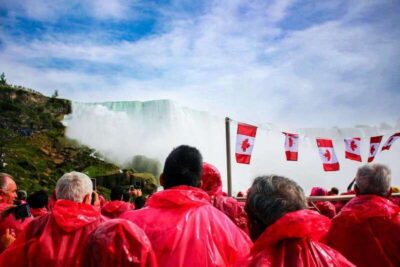
Niagara Falls Day Tour with Optional Boat Cruise
Read our review →
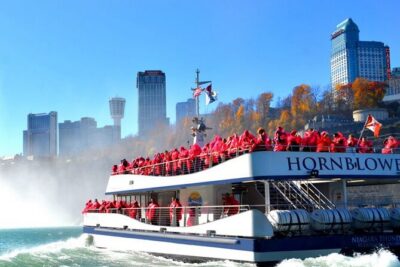
Niagara Falls Canada Day Tour From Toronto + Boat Cruise Option
Read our review →

Niagara Falls from Toronto: Skip-the-Line Boat & Skylon Tower
Read our review →
Niagara Falls Tour + Boat Ride and/or Journey
Read our review →Browse the lists this tour appears in