

Reviewed · TOURS IN MONTREAL
Montreal: Ecomuseum Zoo Entry Ticket
The Ecomuseum Zoo gives you a focused look at animals native to Quebec, from black bears and wolves to foxes, eagles, reptiles, amphibians, and fish. Instead of presenting wildlife from around the world, it keeps its attention on species that belong to this province and the habitats they know.
I like the local focus and the way each animal has a story, including animals that were orphaned, rehabilitated, or born under professional human care. I also like the flexible format: you can arrive at any point during the day, use the free parking, and stay as long as you wish.
The main drawback is that this is an outdoor experience, so weather matters. Ice can make the paths slippery in winter, and some animals may be less visible or inactive during the cold months. A few enclosures may also be empty when you visit.
Key points to know before you go
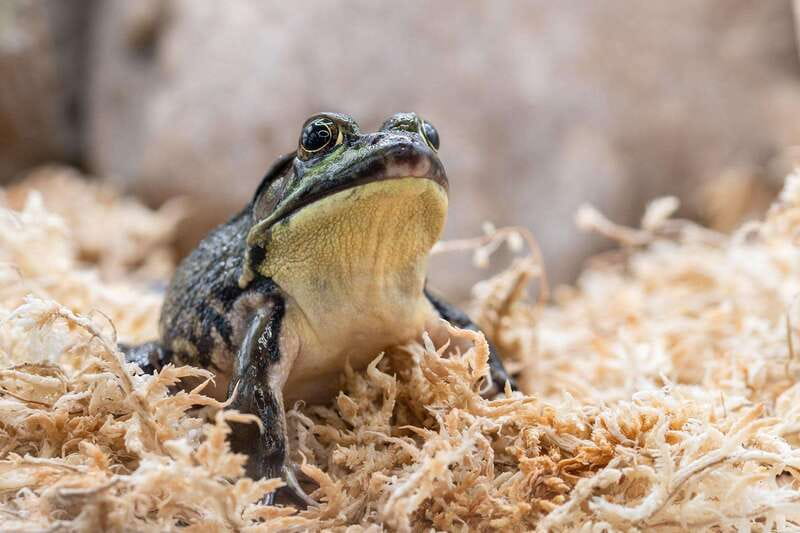
- Quebec animals only: You see mammals, birds, reptiles, amphibians, and fish from the region.
- About 1.5 hours: That is the usual time needed to see all the animals and stop for observation.
- Thirty minutes from downtown Montreal: It offers an easy change of pace from the city.
- Natural-climate habitats: The animals live in spaces designed to reflect their normal surroundings and seasonal conditions.
- Strong animal-care mission: The nonprofit works around environmental education, wildlife conservation, and animal well-being.
- Free parking and flexible timing: You can arrive during the valid day and remain as long as you like.
Quebec wildlife, not a worldwide collection
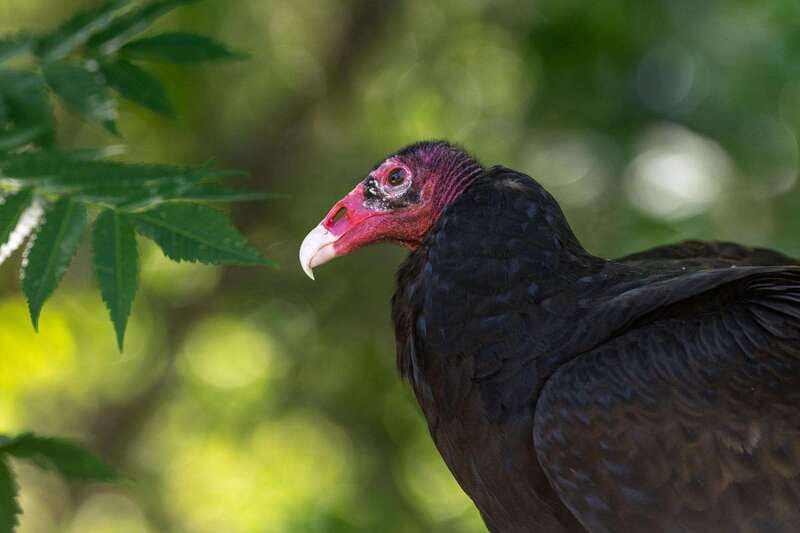
The Ecomuseum Zoo is most appealing when you understand what it is not. You will not find lions, giraffes, elephants, or tropical monkeys here. The collection is limited to animals from Quebec, which gives the visit a clear purpose and keeps the focus close to home.
That local approach makes the experience useful for families who want children to recognize the wildlife found in the province. It also gives you a better chance to connect the animals with Quebec’s own forests, wetlands, waterways, and colder seasons. The setting is not trying to recreate an international zoo. It is a place to meet the species that belong to this part of Canada.
You may see large mammals such as black bears and wolves, along with foxes and other regional wildlife. Birds include eagles, and the collection also covers reptiles, amphibians, and fish. The exact experience can vary because animals are not performing on a schedule. You may need to look carefully, wait a little, and accept that some residents will be resting or keeping out of sight.
I consider that a fair trade for a wildlife visit built around observation rather than spectacle. If you need constant activity, this may feel quiet. If you enjoy watching animal behavior and taking your time, the slower pace is part of the appeal.
A few more things to do in Montreal worth a look
- Granby Zoo 1 Day
★ 5.0 · 25 reviews - Saint Felicien: Admission to Zoo Sauvage
★ 4.6 · 79 reviews - Toronto: Toronto Zoo Entry Ticket
★ 4.1 · 68 reviews
Habitats designed for Quebec conditions
Each living space is intended to copy important features of the animal’s natural environment. That matters here because the animals are kept in the climate they are adapted to, rather than in a heated indoor setting designed to keep every species active all year.
The spaces are meant to support comfort and well-being, while also giving you a chance to observe natural behavior. You might see an animal moving through its enclosure, resting, feeding, or staying partly hidden. The instruction to search carefully is practical advice, not a gimmick. A good visit rewards patience.
One of the most praised features is the amount of room given to the animals. The spacious habitats are noticeable, and you can see the effort to provide appropriate surroundings rather than simply placing animals on display in tight quarters. That is a meaningful strength for anyone who cares about animal welfare.
At the same time, not every enclosure will feel perfect to every person. One visit left a visitor concerned that some bird enclosures did not seem tall enough for comfortable flight, even though the birds had room to move. The zoo’s stated commitment to welfare is clear, but you may still have your own reaction to individual spaces.
A few areas may also be empty. Animals can be resting, temporarily off display, or difficult to spot. This is one reason I would avoid treating the $16 admission as payment for a guaranteed checklist of every species.
A visit built around animal stories

The animals here are not presented only as examples of a species. Each one has an individual background. Some were orphaned. Some were rehabilitated. Others were born under professional human care.
That information gives the visit a more personal angle. You are not simply looking at a black bear or an eagle. You are learning why that animal lives under human care and what role the facility plays in protecting it. The stories also help explain why certain animals cannot simply be returned to the wild.
The zoo’s three-part mission is environmental education, wildlife conservation, and animal well-being. Those goals shape the experience. You are encouraged to observe, learn, and think about the animals rather than treat the visit as a quick photo stop.
The institution is accredited by CAZA-AZAC, the Canadian organization that checks standards for animal care, management, education, research, and conservation. Accreditation does not mean every enclosure will match your personal expectations, but it does give the facility a formal framework for its work.
I find this especially valuable for families. Children can learn that wildlife care involves difficult decisions and long-term responsibility. The visit becomes more than naming animals. It can raise sensible questions about orphaned wildlife, rehabilitation, and why some animals need professional care.
What the visit feels like in about 90 minutes
The average visit takes about 1.5 hours. That is enough time to see all the animals and pause to observe them, but it is not an all-day attraction for most people.
You can move at your own pace. There is no required guided route described for the experience, and you can arrive at any point during the day. I would plan to walk from exhibit to exhibit without rushing, especially if you want to wait for a bear, wolf, fox, or bird to become active.
The first part of the visit is likely to involve getting oriented and finding the animals that are easiest to spot. From there, you can spend more time at the exhibits that interest you most. Large mammals may draw children first, while the reptiles, amphibians, and fish offer a quieter change of pace.
Educational games and presentations take place on some days. These can add structure to the visit, but they are not presented as a daily guarantee. Check the schedule for your chosen date if a presentation is important to you.
Because you can stay longer than the average 1.5 hours, the zoo works well as a flexible stop rather than a tightly timed excursion. You might finish the main circuit quickly, or you might linger when an animal is active. The freedom is useful for families, since young children often set the pace.
Same base, a different sort of day:
- Montreal: Guided Bus Tour
★ 4.4 · 3,064 reviews - Montreal: Hop-On Hop-Off Double-Decker Bus Tour
★ 4.1 · 2,760 reviews - From Montreal: Quebec City and Montmorency Falls Day Trip
★ 4.5 · 2,669 reviews - Montreal Mile End Authentic Food Tour with 7 Delicacies Tastings
★ 5.0 · 2,598 reviews
The weather can change the whole experience
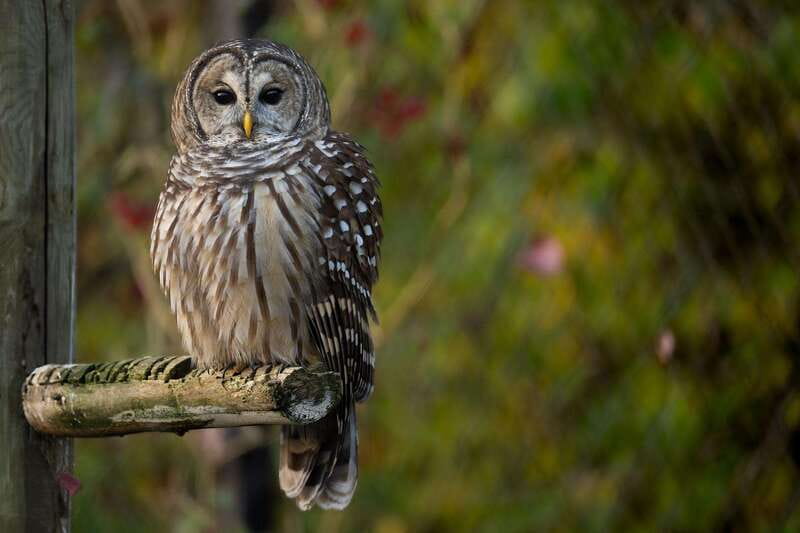
Weather is the biggest practical factor. This is an outdoor visit, and winter conditions can affect both the animals and the paths.
Ice has made the ground feel like a skating rink during at least one winter visit. That is more than a minor inconvenience. Slippery paths can make the visit uncomfortable and can be a concern for anyone with limited balance. Wear sturdy, comfortable shoes, and take extra care after freezing weather.
Cold conditions can also reduce what you see. Some animals may be less active, while others may be hibernating or otherwise difficult to spot. A winter visit can still be worthwhile, but you should not expect the same level of activity as on a mild day.
The timing of your visit matters for value. At $16 per person, the price is modest compared with many larger attractions, but it can feel high if icy conditions limit your movement and several animals are out of sight. On a pleasant day, the same price feels more reasonable because you can enjoy the outdoor setting, take your time, and stay beyond the average visit.
I would check the forecast before committing to a winter visit. If the paths are icy or your main goal is to see many active animals, choose a milder day when possible.
Why families may enjoy the flexible format
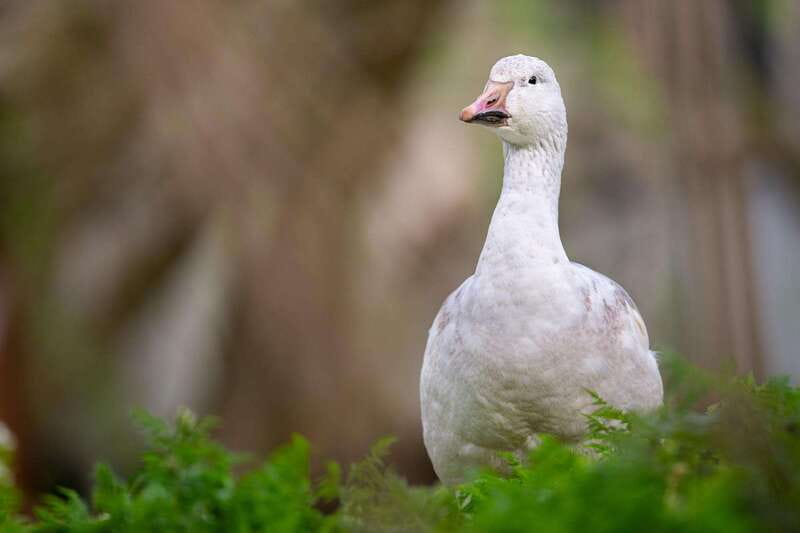
The Ecomuseum Zoo is designed for a broad family audience. You can arrive without fitting into a fixed tour departure, walk at your own speed, and leave when the children have had enough. Free parking also keeps the outing simple and helps contain the total cost.
The range of animals gives the visit variety. A child fascinated by bears may also discover eagles, foxes, amphibians, or fish. The educational mission adds substance without requiring you to turn the day into a formal lesson.
The no-touch rule is important. You are there to observe the animals, not interact with them directly. Pets are not allowed, and smoking, alcohol, drugs, and explosive substances are prohibited. These rules protect the animals and help keep the setting calm.
The zoo is wheelchair accessible, though winter ice can still affect comfort and ease of movement. If accessibility is important for your visit, weather conditions deserve as much attention as the facility’s stated accessibility.
I would bring comfortable shoes and allow at least 1.5 hours. If you have children who enjoy watching animals rather than racing from one exhibit to the next, leave extra time. The flexible entry makes that easy.
The value of a $16 admission

At $16 per person, the Ecomuseum Zoo sits in a reasonable range for a short Montreal-area outing, but value depends heavily on your expectations.
You are paying for access to local wildlife, maintained habitats, animal care, educational work, and the chance to spend time outdoors. Free parking improves the deal. The ability to arrive anytime and stay longer also means you are not paying for a rigid, timed experience.
The price is less attractive if you expect a large zoo with nonstop activity, dozens of species, or guaranteed views of every animal. Some habitats may be empty, and wildlife may be sleeping or hidden. The collection is regional by design, so its size and variety are narrower than those of a major city zoo.
I would see the ticket as good value for a focused wildlife visit, especially in comfortable weather. It is also a good choice if you want your admission to support a nonprofit with conservation and animal-care goals. If your priority is maximum entertainment per minute, you may find the visit short or quiet.
Getting there from downtown Montreal

The zoo is about 30 minutes from downtown Montreal, making it an easy escape from the city for a half-day outing. You do not need to build a full day around it unless you want to spend extra time observing the animals.
Free parking is included for all visitors. That is a useful benefit if you are driving, particularly for families carrying coats, snacks, or other outdoor gear. The experience information does not provide a specific public transit plan, so driving is the clearest option supported here.
Because the visit usually takes 1.5 hours, you can pair it with another activity in the area if your schedule allows. Keep the weather in mind when planning. A short visit can feel longer if paths are icy, and a calm animal may require more waiting than expected.
Who should book this experience

I would recommend the Ecomuseum Zoo if you want to see Quebec wildlife in a setting centered on local species and animal care. It is particularly suited to families, nature-minded visitors, and anyone looking for a break from downtown Montreal.
You should also book it if you enjoy quiet observation. The best moments may come from watching an animal’s behavior rather than checking off every species. The habitats, animal stories, and conservation message give the visit more purpose than a simple display of creatures.
I would think twice if you are visiting in severe winter weather, dislike outdoor walking, or expect every enclosure to be full and active. Ice, hibernation, hidden animals, and empty spaces can reduce the experience.
The strongest reasons to go are the Quebec-only collection, the spacious habitats, free parking, and the freedom to stay at your own pace. The main caution is simple: choose your day carefully, wear good shoes, and arrive with realistic expectations about wildlife visibility.
FAQ
How much does admission to the Ecomuseum Zoo cost?
Admission is $16 per person.
How long does a visit usually take?
The average visit takes approximately 1.5 hours to see all the animals and have time to observe them.
Can I stay longer than 1.5 hours?
Yes. The ticket is valid for one day, and you can stay as long as you wish during your visit.
Is the Ecomuseum Zoo close to downtown Montreal?
Yes. It is approximately 30 minutes from downtown Montreal.
What animals can I see?
You can see Quebec species including black bears, wolves, foxes, eagles, reptiles, amphibians, fish, and other regional wildlife.
Are all the animals from Quebec?
Yes. The collection is dedicated exclusively to species from Quebec.
Is parking included?
Yes. Free parking is available for all visitors.
Are educational presentations offered?
Some days include games and educational presentations. They are not listed as a daily feature.
Is the zoo wheelchair accessible?
Yes. The Ecomuseum Zoo is wheelchair accessible.
What should I bring?
Bring comfortable shoes. This is especially important because the visit involves walking between outdoor exhibits.
Can I bring my pet?
No. Pets are not allowed.
Can I touch the animals?
No. Touching the animals is prohibited.
What happens if I need to cancel?
You can cancel up to 24 hours in advance for a full refund.
Can I reserve now and pay later?
Yes. You can reserve your place and pay later, with no payment required at the time of booking.
Just added in Montreal
- Winter Express: Old Montreal Highlights Walking Tour★ 5.0 · 119 reviews
- Under the Surface of Montreal’s Chinatown: Guided Food Walking Tour★ 5.0 · 23 reviews
- Montréal Downtown and Underground City Private Walking Tour★ 5.0 · 47 reviews
- In the Shadow of the Mountain: Montreal Jewish History Walking Tour★ 4.5 · 33 reviews
- Montreal Premium Driving Tour with River Cruise and Notre Dame★ 4.5 · 164 reviews
- Full Day Family Bike Rental★ 5.0 · 17 reviews
- The Ultimate Montreal Boat Tour – Fall Colors Apéro Edition★ 4.5 · 31 reviews
- Day at Mont-Tremblant National Park★ 4.0 · 5 reviews
Tours in Montreal, compared.



Montreal Mile End Authentic Food Tour with 7 Delicacies Tastings
Read our review →
The Original Old Montréal Walking Tour by Guidatour
Read our review →
Old Montreal Small-Group Walking Tour | Max 10 | by MTL Detours
Read our review →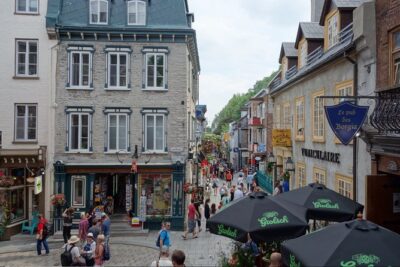
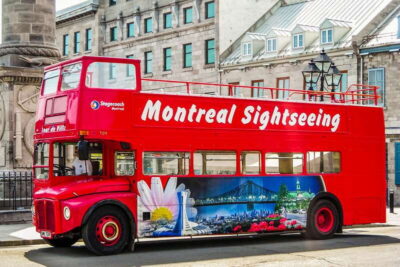
Montreal City Sightseeing Tour with Live Commentary
Read our review →
Browse the lists this tour appears in