
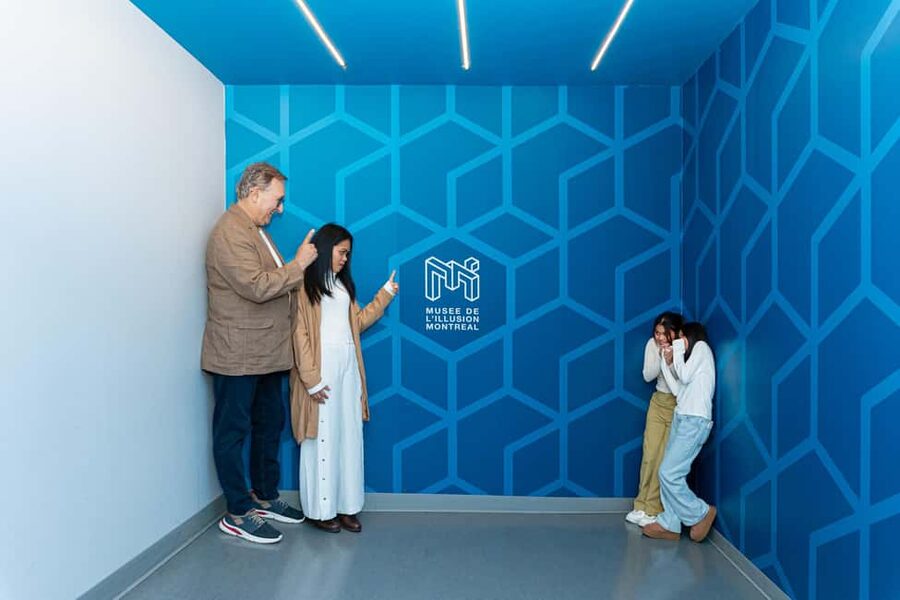
Reviewed · MUSEUMS
Montreal: Museum of Illusions Entry Ticket
The tilted room and vortex tunnel make this Montreal attraction less like a traditional museum and more like a hands-on puzzle box. You will question your balance, your eyesight, and even the size of your own body as you move from one exhibit to the next.
I like the self-paced format, since you can pause at the exhibits that catch your eye instead of being hurried along. I also like the strong photo element, especially for couples, families, and friends who can record one another inside the mind-bending rooms. The main drawback is simple: people with vertigo may find some displays uncomfortable, and the visit is more fun with someone else than alone.
Key points to know

- More than 70 optical illusions: Expect holograms, stereograms, puzzles, reflections, and rooms built to confuse your senses.
- The tilted room tests your balance: The unusual angles can make standing and posing feel surprisingly difficult.
- The vortex tunnel creates a moving sensation: You may feel as if the floor is shifting, even while you remain in place.
- The visit lasts about one hour: That is enough time for a relaxed look at the exhibits without taking up half a day.
- Photos are part of the fun: Bring a camera and plan to help one another with poses and short videos.
- A $25 ticket suits a short indoor stop: The value is strongest when you want an interactive activity for a family or small group.
A museum where your eyes keep changing the rules
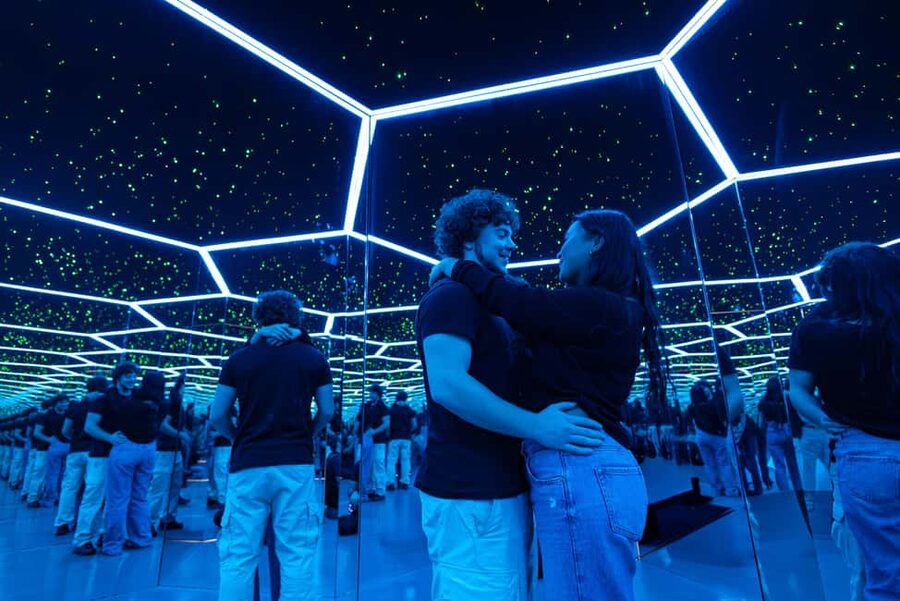
At Montreal’s Museum of Illusions, the point is not to look at objects from behind glass. The exhibits ask you to take part. You may need to shift your position, compare what you see with what someone beside you sees, or stand in a room that seems to tilt beneath your feet.
That hands-on quality gives the visit its appeal. You are not simply learning that perception can be fooled. You are watching it happen to you. A straight line may appear bent, a room may seem to move, and a simple image may reveal something different when viewed from another angle.
The museum contains more than 70 exhibits, so the one-hour duration works best if you keep moving but do not rush. You can stop for a photo, try a puzzle, then move on when you have figured out the trick. If a particular display interests you, the self-paced arrangement lets you give it more time.
I would treat this as a compact activity to add between other Montreal plans. It is not designed to fill a full day, and it does not try to be a conventional art or science museum. Its strength is the quick burst of play and surprise.
Other museums and galleries in Montreal:
- Museum of Illusions Montreal – 70+ Illusions to Explore
★ 4.0 · 103 reviews - Montreal: Art Center and Museum Audio Guided Tour
★ 4.3 · 18 reviews - McCord Stewart Museum – Admission
★ 4.5 · 17 reviews
Start with light, perspective, and reflection
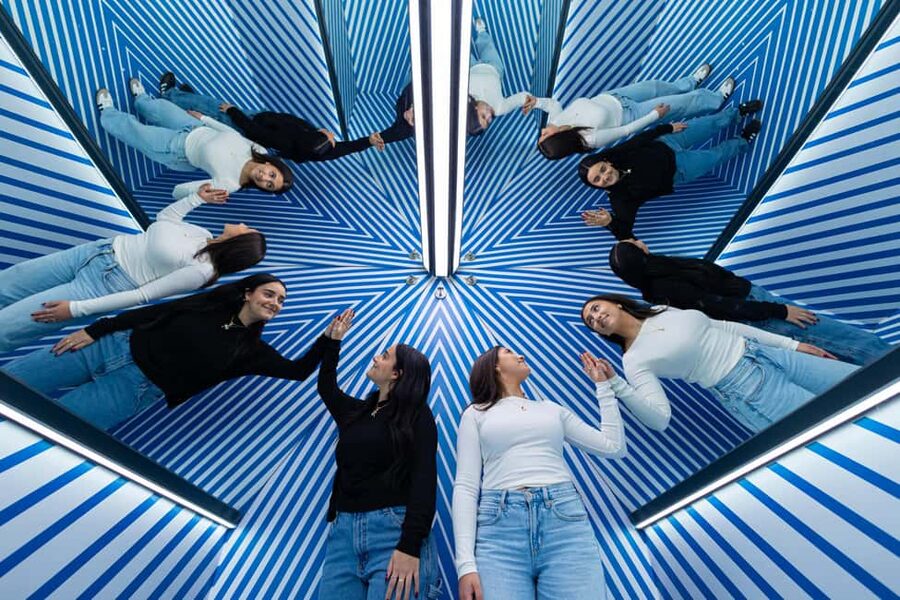
The opening exhibits introduce the basic tools behind many optical illusions: light, perspective, reflection, and the way your brain organizes visual information. These displays are useful because they give you a framework for the rooms that follow.
You might first think an illusion is simply a clever picture. Then you notice that your position changes the result. A reflection may make one object seem like several. A change in angle may reveal why a shape appears distorted. The museum keeps returning to this idea: your eyes collect information, but your mind decides what that information means.
This is one reason the attraction works for a wide age range. Children can enjoy the surprise without needing a technical explanation, while older visitors can stop and think about why the trick works. The exhibits are playful, but they also point toward the science of human perception.
The English-speaking host or greeter can help orient you, although the format is mainly self-guided. Do not expect a long lecture or a fixed tour script. You are there to interact with the displays at your own pace.
The tilted room puts your balance to work
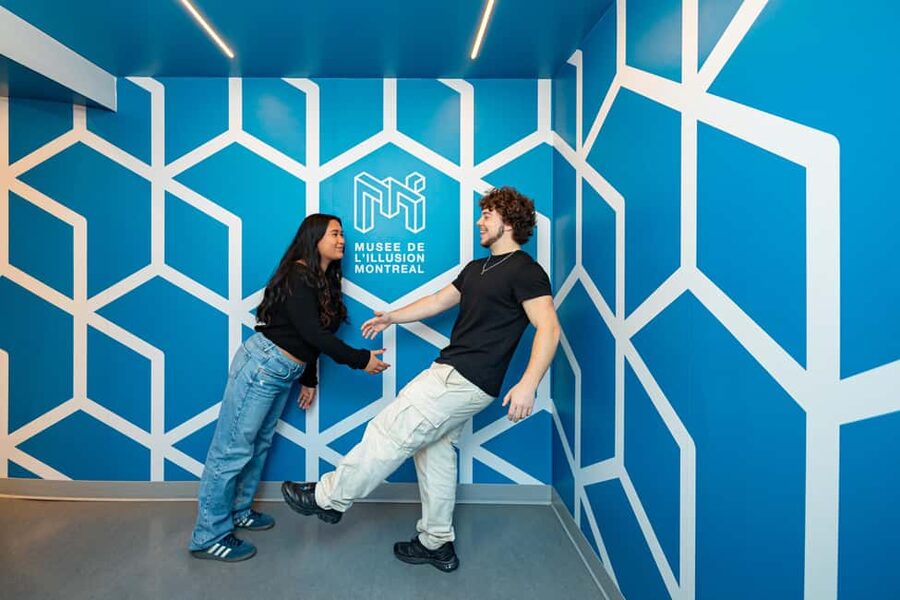
The tilted room is one of the clearest examples of how the museum turns a visual trick into a physical challenge. The room appears normal at first glance, but its angle makes your body search for a stable reference point.
You may feel as if you are leaning even when you believe you are standing straight. Walking, posing, or trying to hold a steady posture becomes part of the illusion. This is a good place to take a photo with a friend because the resulting image can make ordinary body positions look impossible.
The room also explains why the museum is not ideal for everyone. If you have vertigo, balance-related discomfort, or a strong reaction to slanted spaces, you may want to keep your visit brief around this type of exhibit. The attraction identifies people with vertigo as an unsuitable audience, so take that warning seriously rather than treating it as a minor footnote.
For most visitors, the tilted room is a short, memorable stop. You do not need special skill, but you do need comfortable shoes. Wear something that lets you stand and move easily while you test the strange angles.
Follow the vortex tunnel and infinity tunnel
The vortex tunnel and infinity tunnel focus on movement, depth, and repetition. They can make a stationary space feel as if it is rotating, stretching, or continuing far beyond its actual walls.
The vortex tunnel is especially effective because it challenges your sense of balance while you walk through it. The visual environment suggests motion, and your body may react as if the floor is unstable. Even if you know the trick, your senses can still insist that something is moving.
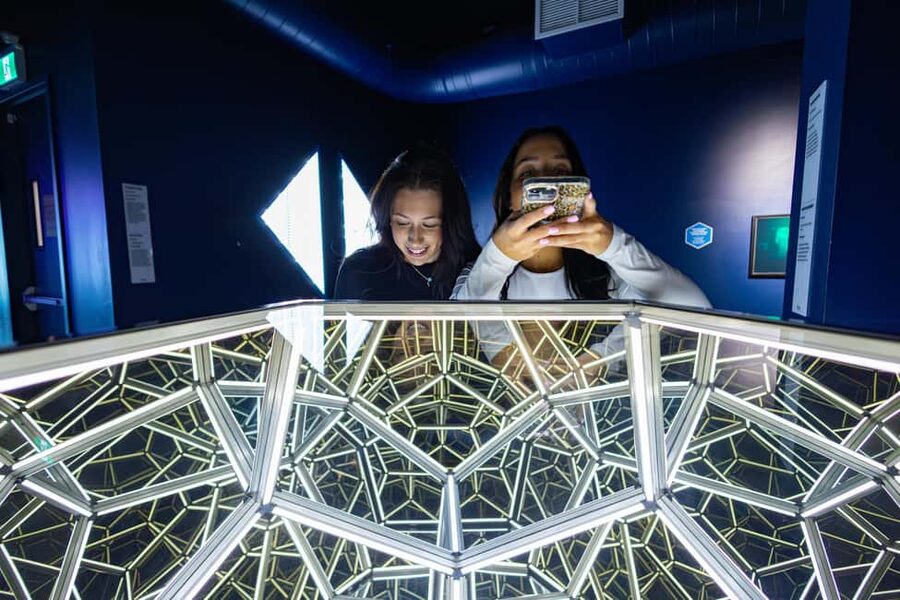
The infinity tunnel plays with reflections and repeated light. It gives you the impression of looking into a space with no clear end. This is another exhibit where your camera can capture something your ordinary eye does not expect to see.
Give yourself a moment before rushing through either tunnel. Look at the structure, notice how the reflections repeat, and then see how your impression changes as you move. If you are visiting with someone else, take turns filming or photographing each other. Solo visitors can still enjoy the displays, but some illusions are easier to appreciate when another person is beside you to compare what each of you sees.
Same base, a different sort of day:
- Montreal: Guided Bus Tour
★ 4.4 · 3,064 reviews - Montreal: Hop-On Hop-Off Double-Decker Bus Tour
★ 4.1 · 2,760 reviews - From Montreal: Quebec City and Montmorency Falls Day Trip
★ 4.5 · 2,669 reviews - Montreal Mile End Authentic Food Tour with 7 Delicacies Tastings
★ 5.0 · 2,598 reviews
Holograms and stereograms reward a slower look
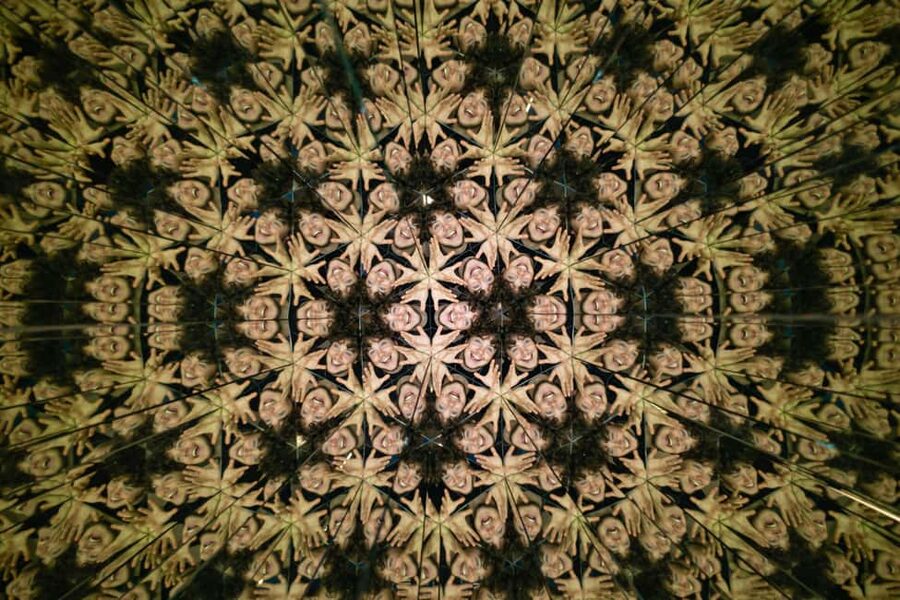
The holograms and stereograms call for a different kind of attention. Instead of asking you to walk through a distorted room, they make you examine an image and question how it can appear to have depth or movement.
A hologram may seem to change as you shift your position. A stereogram can hide a three-dimensional effect within a flat pattern. These exhibits are less physical than the tunnels, but they help explain the visual mechanics behind the museum’s bigger photo moments.
This is where I would slow down. The room-based displays invite quick reactions, but holograms and stereograms can take a little patience. Look from different angles, adjust your focus, and give your eyes time to settle. If you move on too quickly, you may miss the main effect.
The museum’s educational value is strongest here. You see that optical illusions are not random magic. They depend on light, pattern, distance, perspective, and the brain’s habit of filling in missing information.
Puzzles give the visit a hands-on break
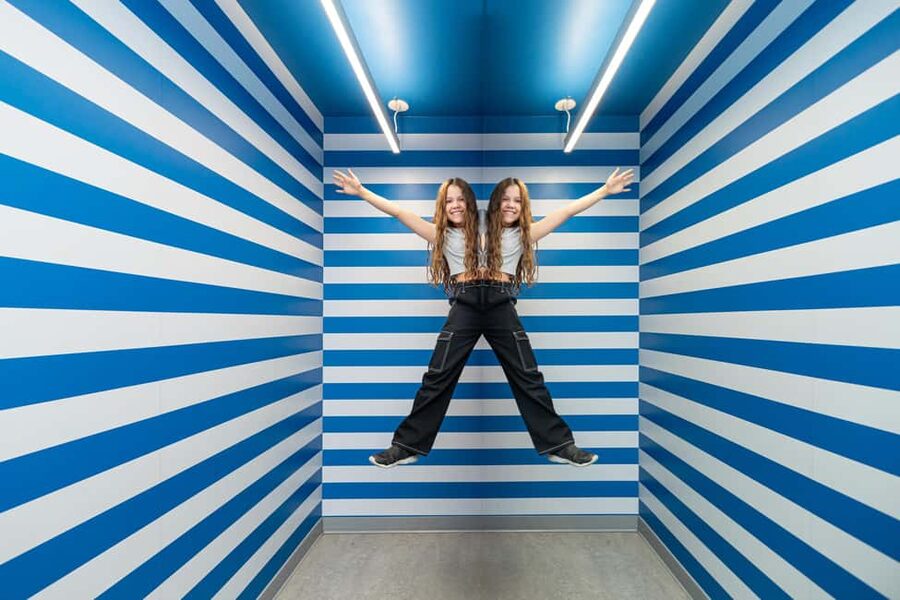
Along with the rooms and visual displays, the museum includes puzzles that ask you to solve rather than simply observe. These give the visit a change of pace and can be especially useful if you are visiting with children or friends who enjoy challenges.
Some people will want to work out the answer right away. Others will prefer to enjoy the strange image or object without trying to explain it. Since the visit is self-paced, you can choose your own level of involvement.
Puzzles also make the attraction feel more social. You can compare approaches, point out details, and see if another person notices something you missed. That shared process is a major part of the appeal. The museum is not just a place to collect unusual photos. It gives you simple reasons to talk and play together.
Why a companion improves the visit
The museum is open to all ages, but it is particularly well suited to pairs and small groups. Many of the best moments involve someone else taking a photo, checking your balance, or confirming that the same image looks different from another angle.
A companion also helps with the exhibits that work better on video than in a still photograph. You can pose inside a distorted room, record a friend walking through the vortex tunnel, or compare your reactions to the holograms and stereograms.
That does not make a solo visit pointless. You can still explore the displays, solve puzzles, and study the science. But the social element is hard to ignore. If you are alone, you may spend less time at the photo-based exhibits because it is harder to capture the effect without help.
For families, the one-hour length is practical. Children can stay engaged through a series of short activities, and you can move on before the visit begins to feel repetitive. For adults, it makes a good indoor break when you want something light and interactive rather than a long cultural stop.
Is $25 a fair price for one hour?
At $25 per person, this is not the cheapest short activity in Montreal. The value depends on what you want from the visit. If you are looking for a long museum day filled with galleries and detailed interpretation, the price may feel high for an hour.
If you want a compact, hands-on attraction with photo opportunities and a clear start-to-finish duration, the ticket is easier to justify. You are paying for access to more than 70 exhibits, not for a guided talk or a large historical collection. The strongest value comes when two or more people share the experience and make full use of the interactive displays.
The self-paced format also helps. You are not locked into a rushed group schedule, and you can spend more time at the exhibits that interest you. A small group limit of four participants keeps the arrangement personal, although the main activity remains independent rather than guide-led.
I would consider the ticket worthwhile for a family outing, a date, or a short indoor activity with friends. I would think twice if you dislike taking photos, have vertigo, or prefer quiet museums where you can look without participating.
Practical details that shape your visit
The advertised duration is one hour, and you should plan around that rather than expecting a half-day attraction. Check the available starting times when booking, since the visit has scheduled entry availability.
The activity is wheelchair accessible. The language provided is English, and an English-speaking host or greeter is available. The visit itself is self-paced, so you should not expect to follow a continuous guided explanation from one exhibit to the next.
Wear comfortable shoes. The tilted room and vortex tunnel ask you to stand and move, and the unusual visual effects are easier to enjoy when you are physically comfortable. Bring a camera, but remember that the best images often require one person to pose while another takes the photo.
The ticket includes museum entry. Free cancellation is available up to 24 hours before the visit for a full refund, and you can reserve now and pay later. Those policies are useful if your Montreal schedule is still shifting.
Who should book this Montreal attraction?
I would recommend the Museum of Illusions to families, couples, and friends who like playful activities and unusual photos. It is also a good choice when you want an indoor stop that does not require a major time commitment.
The attraction suits curious children because the exhibits turn basic ideas about sight and balance into physical games. Adults may enjoy it most when they approach the displays with a willingness to look twice and admit that their eyes are not always reliable.
I would not choose it for someone with vertigo, or for a visitor seeking quiet contemplation and extensive historical context. The museum is built around participation, surprise, and shared reactions.
Should you book it?
Book it if you want one hour of puzzles, optical tricks, and creative photos in Montreal, especially if you can go with at least one other person. The tilted room, vortex tunnel, infinity tunnel, holograms, and stereograms provide enough variety for a short visit, and the self-paced format keeps the stop easy to fit into your day.
Skip it if you dislike visual effects, feel uneasy around distorted spaces, or want a larger museum with a longer program. For most people who enjoy playful, hands-on attractions, $25 is a reasonable price for a compact outing, provided you bring comfortable shoes, a camera, and a companion willing to pose.
FAQ
How long does the Museum of Illusions visit last?
The visit lasts about one hour. You explore the exhibits at your own pace rather than following a fixed tour.
How much does admission cost?
The listed price is $25 per person, and the ticket includes museum entry.
What can I see inside the museum?
You can see more than 70 exhibits, including holograms, stereograms, puzzles, the tilted room, the infinity tunnel, and the vortex tunnel.
Is the visit guided?
An English-speaking host or greeter is available, but the visit is self-paced. You can move through the displays at your own speed.
Is the museum wheelchair accessible?
Yes, the activity is wheelchair accessible.
Is the Museum of Illusions suitable for children?
The attraction is described as ideal for all ages. Children can take part in the interactive rooms, puzzles, and visual displays.
Can I take photos inside?
Yes. Photo opportunities are a central part of the visit, so bring a camera.
Should people with vertigo visit?
No. The activity is not suitable for people with vertigo, particularly because some exhibits create unusual sensations of movement, balance, and perspective.
Just added in Montreal
- Winter Express: Old Montreal Highlights Walking Tour★ 5.0 · 119 reviews
- Under the Surface of Montreal’s Chinatown: Guided Food Walking Tour★ 5.0 · 23 reviews
- Montréal Downtown and Underground City Private Walking Tour★ 5.0 · 47 reviews
- In the Shadow of the Mountain: Montreal Jewish History Walking Tour★ 4.5 · 33 reviews
- Montreal Premium Driving Tour with River Cruise and Notre Dame★ 4.5 · 164 reviews
- Full Day Family Bike Rental★ 5.0 · 17 reviews
- Day at Mont-Tremblant National Park★ 4.0 · 5 reviews
- Toronto, Niagara Falls & Thousand Islands VIP 2–Day Trip★ 5.0 · 20 reviews
Museums, compared.
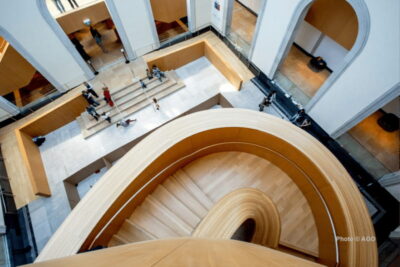
Art Gallery of Ontario General Admission Ticket
Read our review →
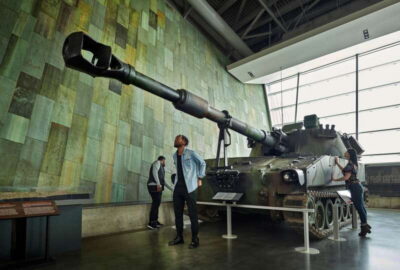
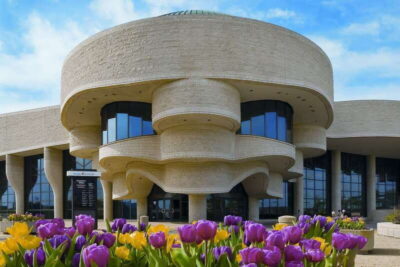
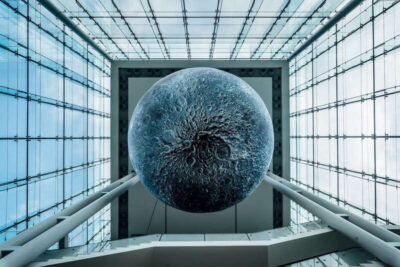

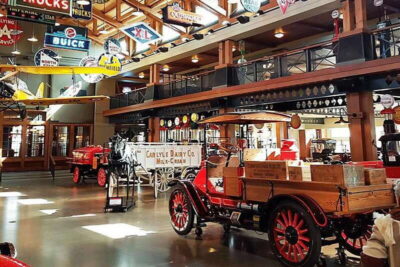
3.5-Hour Bus City Tour with Gasoline Alley Museum
Read our review →Browse the lists this tour appears in