
Reviewed · MUSEUMS
Ottawa: Canadian War Museum Admission
The Canadian War Museum does more than display tanks. Its building tells part of the story, with rough concrete, uneven floors, and windows spelling Lest We Forget / N’oublions jamais in Morse code. Inside, Canada’s military past unfolds through personal stories, weapons, uniforms, art, photographs, and large machines. The result is serious, moving, and much bigger than many first-time visitors expect.
I like the clear chronological layout, which helps you make sense of Canada’s military story without feeling lost. I also like the quiet spaces, especially Memorial Hall, where Canada’s Unknown Soldier is remembered. The main drawback is time: two hours gives you a worthwhile visit, but six to eight hours may be needed if you want to read the displays and see everything carefully.
Key points to know before you go
- The architecture carries a message: Rough concrete, uneven floors, and Morse code windows express the human cost of war and the hope for renewal.
- The galleries follow a logical timeline: You can trace Canadian military history from early conflicts in Canada through contemporary conflicts.
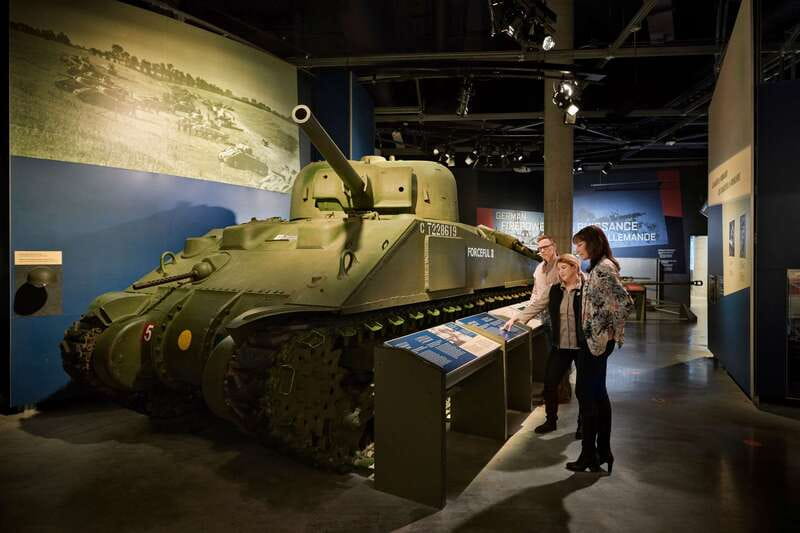
- The LeBreton Gallery is a major draw: Tanks, artillery, and military vehicles give the museum real scale and visual power.
- Memorial Hall calls for quiet: The headstone of Canada’s Unknown Soldier makes this more than a display of military equipment.
- You need more time than expected: Allow at least two hours, or six to eight hours if you plan to read closely.
- The $18 admission can be strong value: Permanent galleries, special exhibitions, and a large collection are included for one day.
Entering a museum built around regeneration
At 1 Vimy Place, the Canadian War Museum begins before you reach the first gallery. Japanese Canadian architect Raymond Moriyama designed the building around the idea of regeneration, a fitting theme for a museum that deals with destruction, sacrifice, and the possibility of peace.
You will notice the rough concrete walls and irregular floor surfaces. These are not random design choices. The building feels worn and unsettled in places, reflecting the damage caused by conflict. At the same time, the structure points toward renewal rather than leaving you in a mood of despair.
Look for the windows whose pattern spells Lest We Forget / N’oublions jamais in Morse code. It is an easy feature to miss if you rush inside, but it gives the museum a thoughtful beginning. I like that the message is part of the architecture rather than simply printed on a wall.
The design also sets the tone for the visit. This is not a place that treats war as a parade of heroic objects. The displays include military achievements, but they also ask you to consider grief, injury, displacement, fear, and the lives changed after service.
Other museums in Ottawa:
- Gatineau: Canadian Museum of History Admission
★ 4.8 · 230 reviews - Ottawa: Canadian Museum of Nature Admission
★ 4.6 · 226 reviews - Canadian War Museum Admission
★ 4.5 · 213 reviews
Four chronological galleries that make Canada’s story easier to follow
The permanent exhibition is arranged in a chronological sequence. That matters because Canada’s military history can be unfamiliar, even to Canadians. You do not need to arrive with a strong background in the subject to follow the main story.
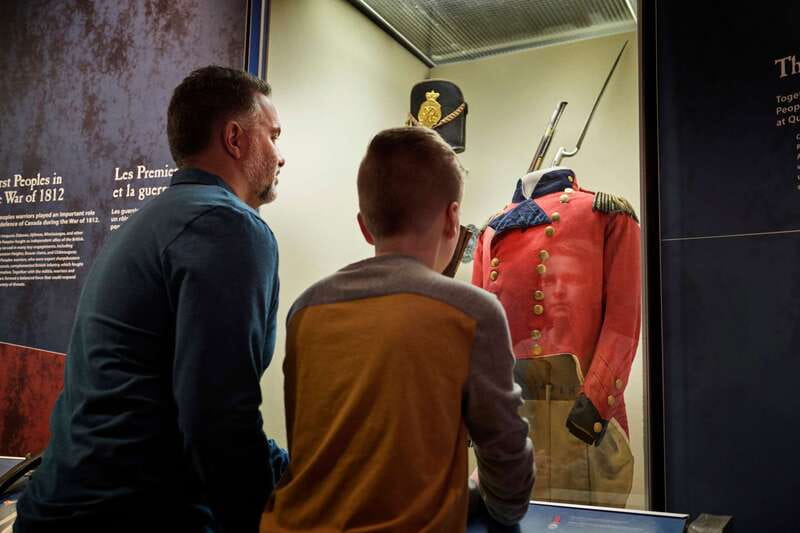
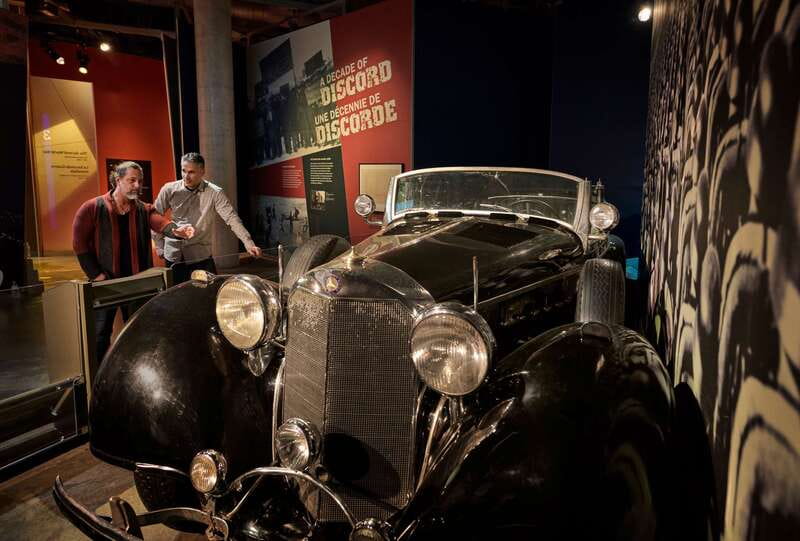
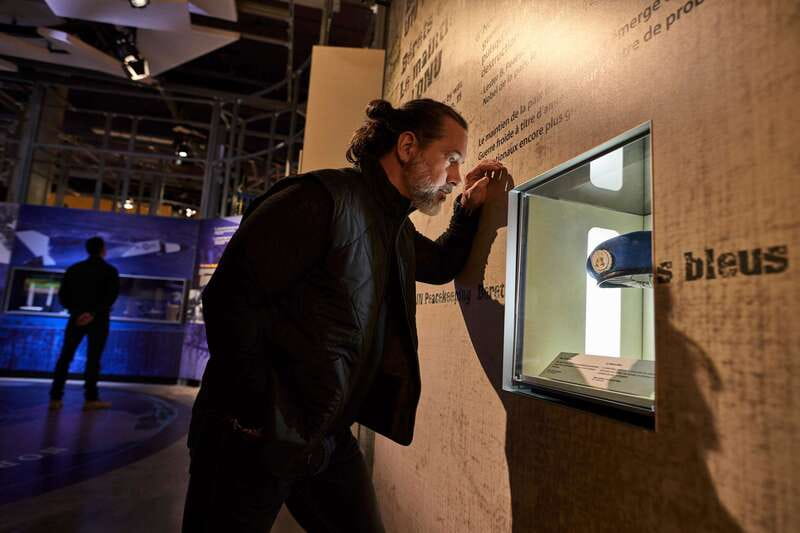
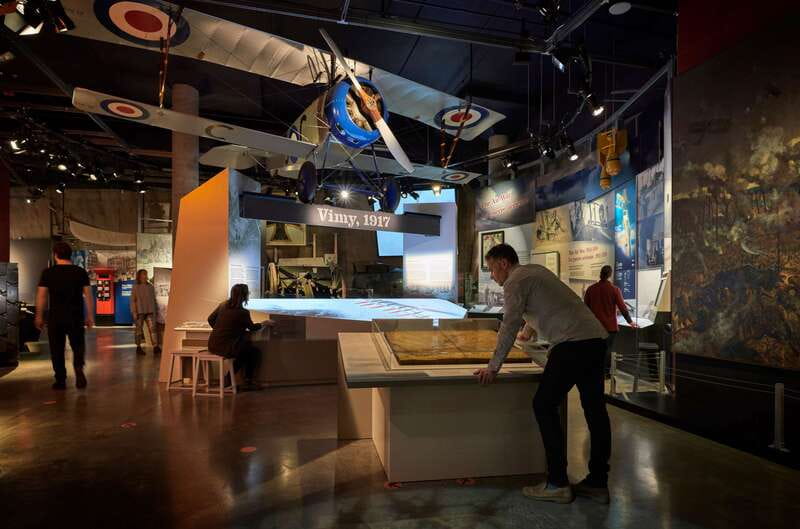
The galleries cover conflicts from the early wars in Canada through the First and Second World Wars, later conflicts, and contemporary military service. The displays use objects, photographs, personal accounts, works of art, interactive presentations, and reconstructed environments to give each period a human setting.
I recommend moving through the galleries in order on your first visit. One past visitor found the four-part sequence simple to absorb, and that is a useful way to approach the museum. If your time is short, you can still get a good outline of the country’s wartime past by following the main route rather than stopping at every label.
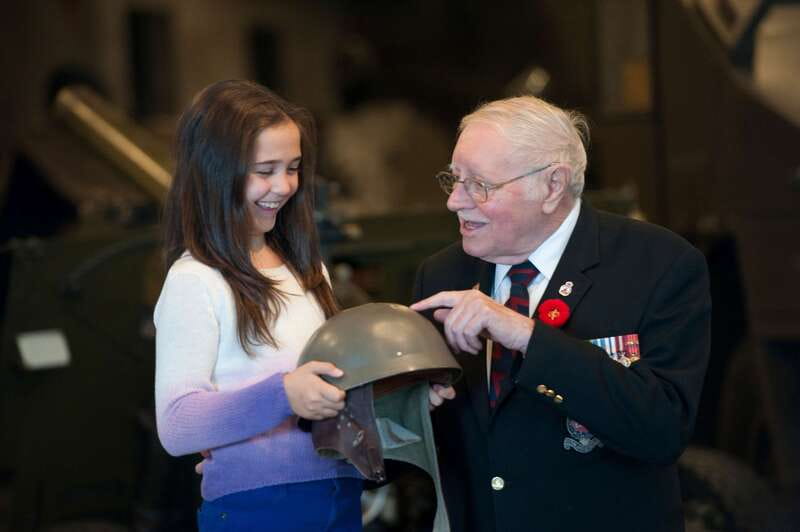
The personal stories are the heart of the experience. Equipment shows what soldiers used, but letters, photographs, family accounts, and first-person material help you understand what service meant away from the battlefield. Stories of postwar and post-service struggles are especially powerful and may be difficult for younger children.
A multilingual museum guide is included. Use it to get your bearings and to add context as you move through the galleries. Staff are also available to answer questions, which helps when an object or event needs more explanation.
The LeBreton Gallery puts tanks and artillery at the center

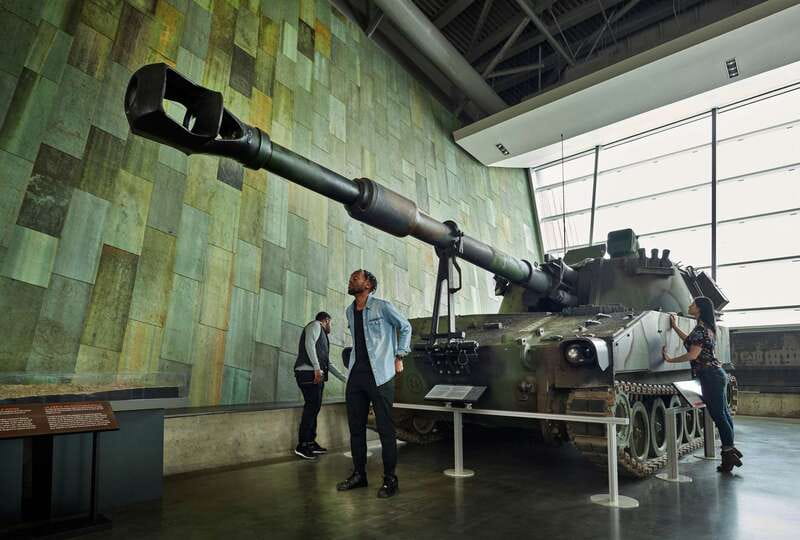
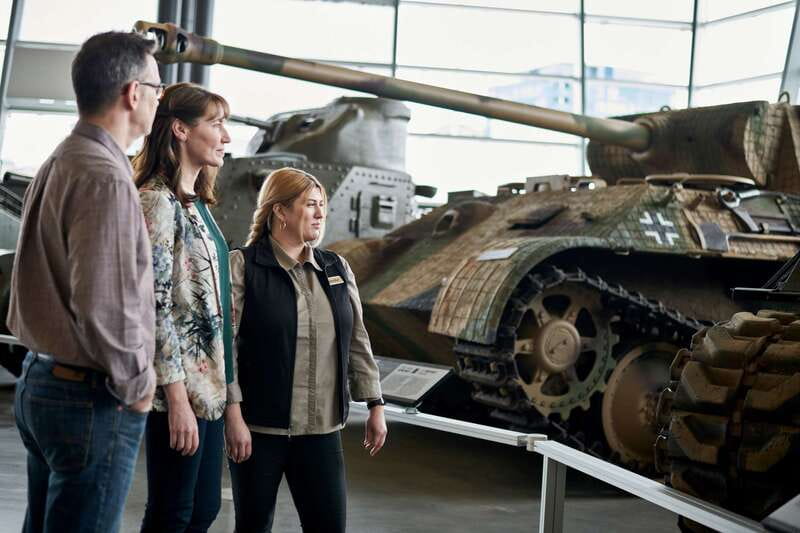
The LeBreton Gallery is the museum’s largest visual surprise for many people. It contains large artillery pieces, military vehicles, and an impressive collection of tanks. If machines are what brought you here, this is the area you will want to protect time for.
The vehicles give the museum a sense of weight and scale that photographs cannot match. You can see how much space military equipment takes up and how different these machines are from the smaller objects in the galleries. The collection includes vehicles, artillery, uniforms, medals, small arms, and other equipment.
This section works well for families because the large objects offer an immediate way into the subject. A child may first notice the tanks, then begin asking what they were used for, who operated them, and where they went. That can open the door to the more difficult human stories elsewhere in the museum.
The gallery is also a good reason not to plan a rushed one-hour stop. Even if you move quickly through the written material, the vehicles alone can hold your attention. One practical route is to see the chronological galleries first, then spend dedicated time with the tanks and artillery before moving to the memorial spaces.
Memorial Hall and the museum’s quieter rooms
The Canadian War Museum is at its strongest when it slows down. Memorial Hall offers a place to pause and reflect, away from the busier displays of equipment and battle history.
The headstone of Canada’s Unknown Soldier is located here. Standing before it gives the museum a personal focus. Instead of thinking only about campaigns, dates, or machinery, you are brought back to one unidentified person whose death represents many others.
The Moriyama Regeneration Hall provides another quiet space connected to the building’s central idea. The Royal Canadian Legion Hall of Honour also adds to the museum’s reflective side. These rooms help balance the military collection with an acknowledgment of loss.
Plan to visit these spaces when you are not in a hurry. They do not work as well if you treat them as another item to check off. I would place them near the end of your route, after you have seen enough of the galleries to understand the human cost being remembered.
Other museums and galleries in Ottawa:
- Toronto: Royal Ontario Museum Admission Ticket
★ 4.6 · 1,237 reviews - Royal Ontario Museum Admission
★ 4.5 · 411 reviews - Toronto: Art Gallery of Ontario General Admission Ticket
★ 4.6 · 251 reviews - Britannia Mine Museum General Admission
★ 5.0 · 233 reviews
Temporary exhibitions add new angles
Along with the permanent galleries, admission includes special exhibitions. Their subjects can change, so you may find a different emphasis from one visit to the next.
Past and current themes have included the First and Second World Wars, as well as art made by women in conflict zones. An exhibition called In Their Own Voices focused on the difficulties people faced after war and after military service. Material like this broadens the museum beyond combat and equipment.
That broader view is important. Military history is not only about battles. It also includes families, recovery, identity, memory, art, and the long effects of service. Temporary exhibitions give the museum room to explore those subjects in more personal ways.
If you have visited before, do not assume the experience will be identical. One returning visitor found a new exhibition worth the return trip after seven years away. Check what is on during your visit and allow extra time if a temporary display interests you.
How long should you allow?
The official validity is one day, so you are not forced into a short timed visit. That is useful because the museum has enough material for very different styles of touring.
For a first look, allow at least two hours. That gives you time to follow the main gallery route, see the vehicle collection, and visit the memorial areas without reading every panel.
Three to four hours is a better target if you want to read a fair amount and stop for photographs or reflection. If you read nearly everything, six to eight hours may be realistic. One visitor specifically advised setting aside six to eight hours, while another found two hours enough to gain a strong overview.
I would not try to see the museum in a spare hour between other Ottawa sights. You will leave with the tanks and a few impressive objects, but you will miss the personal accounts that give the museum its meaning.
Comfortable shoes are a good idea. There is a lot to cover, and the building’s uneven floors make supportive footwear even more useful. Food and drinks are not allowed in the museum, and food and drinks are not included with admission.
Is $18 good value for a full day?
At $18 per person, admission is reasonable if you use the day well. You get access to the permanent galleries and special exhibitions, along with a multilingual guide and a self-serve coat check.
The value comes from the range of material under one roof. You are not paying only to see a few famous vehicles. The ticket covers architecture, chronological galleries, personal stories, art, interactive presentations, immersive environments, memorial rooms, temporary exhibitions, and a large collection of military machines.
The price is especially attractive for a visitor who can spend several hours inside. It is less compelling if you only have time for a quick walk through the tanks, since the museum’s strongest material requires attention.
Children and young people aged 17 and under receive free general admission. Young adults aged 18 to 24 receive 50 percent off general admission during the Canada Strong Pass period from December 12, 2025, to January 15, 2026. Proof of age may be required, and the offer does not apply to group bookings, summer camps, or birthday parties.
One practical price check is worth making: admission may also be available directly through the museum. Compare the final price before booking, since a past booking experience cost more through an outside seller for two tickets.
Getting there and handling the visit
The museum is at 1 Vimy Place in Ottawa. You can reach it from downtown by walking, cycling, public transit, or car. Parking is not included, so add that cost if you drive.
Once you arrive, go directly to the exhibition access point. You do not need to visit the museum box office first. The self-serve coat check is included, which is handy if you are carrying layers or visiting during colder weather.
The museum is wheelchair accessible. Smoking, food, drinks, and pets are not allowed, although assistance dogs are permitted.
The booking terms are flexible: you can cancel up to 24 hours in advance for a full refund, and reserve now while paying later. Check availability for the available starting times, since the experience is valid for one day rather than being a short guided outing.
Who will get the most from this museum?
I would recommend the museum to anyone interested in Canadian history, military vehicles, family stories, political history, or the long effects of war. It works particularly well for families with older children who can handle serious subjects and for adults who want more than a quick national-history overview.
It is also a strong choice for visitors who have already seen Ottawa’s main political sights and want a different side of the country. The museum gives context to Canada’s international role and shows how conflict affected ordinary people.
Families should allow time for questions. A child may connect with a particular object or story, such as the teddy bear known as Teddy, which is associated with the book A Bear in War. That kind of personal link can make a large museum feel more approachable.
The museum may be less suitable if you want a light, fast activity. Its subject is often painful, and some exhibitions discuss postwar hardship and the struggles of former service members. You should expect quiet reflection as well as impressive hardware.
Should you book the Canadian War Museum?
Yes, if you can spare at least two hours, and especially if you can give it half a day. The museum earns its admission through its scale, clear layout, strong vehicle collection, and serious attention to the people behind the military events.
Book it if you want tanks and artillery, but do not stop there. The best visit combines the four chronological galleries with LeBreton Gallery, the temporary exhibitions, and a quiet pause in Memorial Hall.
If your schedule is packed, choose another time rather than squeezing the museum into a rushed gap. The Canadian War Museum rewards patience. At $18, it is a good Ottawa value for anyone willing to give its stories the time they deserve.
FAQ
Where is the Canadian War Museum?
The museum is at 1 Vimy Place in Ottawa, Ontario, Canada.
How much does admission cost?
Admission is listed at $18 per person.
How long is the admission valid?
Admission is valid for one day.
What does admission include?
Admission includes access to the permanent galleries and special exhibitions, a multilingual museum guide, and a self-serve coat check.
How much time should I allow?
Allow at least two hours for a basic visit. If you want to read the displays closely and see the museum in detail, six to eight hours may be appropriate.
Is the museum wheelchair accessible?
Yes, the Canadian War Museum is wheelchair accessible.
Are children and young adults eligible for reduced admission?
Children and youth aged 17 and under receive free general admission. Young adults aged 18 to 24 receive 50 percent off general admission during the Canada Strong Pass period from December 12, 2025, to January 15, 2026. Proof of age may be required.
Just added in Ottawa
- Ottawa City Highlights 3 Hour Walking Tour | Gratuity-Based★ 4.5 · 80 reviews
- Ottawa: 4 or 8-Hour Bike Rental with Self-Guided Tour★ 4.7 · 51 reviews
- Street Art Exploration Game and Self-Guided Tour in Ottawa★ 4.0 · 20 reviews
- Ottawa: Private Walking Tour with a Local★ 4.5 · 80 reviews
- Ottawa: Walking Tour in the Heart of the Capital★ 5.0 · 122 reviews
- Cycling Ottawa’s 200th Anniversary, self-guided★ 5.0 · 45 reviews
- Ottawa: 2 or 3.5-Hour Guided Bike Tour with a Local Guide★ 4.9 · 84 reviews
- Ottawa Highlights 3.5 Hour Bike Tour★ 5.0 · 98 reviews
Museums, compared.
Art Gallery of Ontario General Admission Ticket
Read our review →




3.5-Hour Bus City Tour with Gasoline Alley Museum
Read our review →Browse the lists this tour appears in