

Reviewed · MUSEUMS
Canadian War Museum Admission
The Canadian War Museum tells the story of war through real vehicles, weapons, uniforms, and personal accounts, not just dates on a wall. You’ll move from early conflicts to modern operations, then pause in Memorial Hall and the museum’s striking architecture, which carries its own message about destruction, memory, and hope.
I like two things especially: you can set your own pace, and the exhibits work for both serious history readers and children drawn to tanks and aircraft. The main drawback is time. Three hours is a useful target, but careful readers may need longer, and some admission times can leave you rushing before closing.
Key points to know before you go
- Allow at least three hours: You can see a good portion in less time, but reading labels, watching short films, and stopping at the vehicles takes patience.
- Start with the main historical galleries: They explain the conflicts that shaped Canada before you reach the larger modern military displays.
- Save time at admission: The experience includes a mobile ticket, but printing your ticket ahead may help at the admissions desk.
- Expect both permanent and special exhibits: Guided tours are not included and cost extra.
- Plan for a reflective visit: Memorial Hall, damaged equipment, trenches, and personal stories give the museum an emotional weight beyond military hardware.
- Check the day’s closing time: Some admission slots have allowed only a short visit, so avoid booking late if you want to see everything.
Why the Canadian War Museum feels different
I find this museum most effective when it places large military objects beside small human details. A tank or aircraft catches your eye, but a photograph, medal, uniform, or personal account explains what that object meant to the people who used it and the families who waited at home.
That balance gives the visit more purpose than a collection of weapons. You’ll see the tools of war, but you’ll also face the cost of war, including injury, loss, displacement, and the difficult political choices that sent Canadians into conflict.
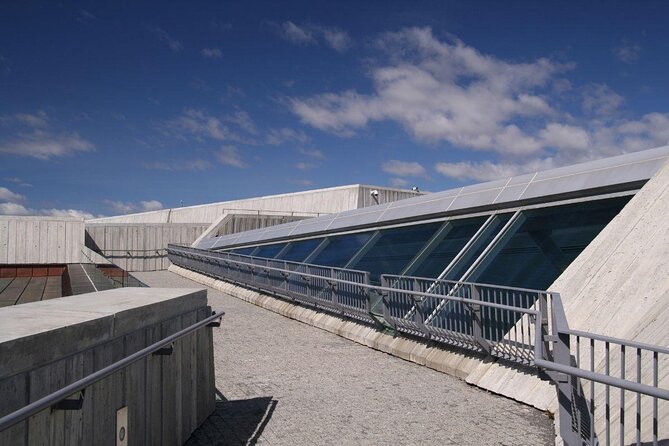
The building itself is part of the experience. Its architecture is designed around ideas of war, memory, and hope, and the Canadian-Japanese architect’s life story adds another layer to the visit. You do not need an architecture background to appreciate it. Take a little time to look up, notice the unusual lines, and consider why the building feels more solemn than many museums.
I also like the freedom of a general admission visit. There is no fixed route or guide setting the pace. You can spend your time on the War of 1812, the First and Second World Wars, the Royal Canadian Air Force, or the modern armored displays, depending on your interests.
Other museums in Ottawa:
- Ottawa: Canadian War Museum Admission
★ 4.7 · 232 reviews - Gatineau: Canadian Museum of History Admission
★ 4.8 · 230 reviews - Ottawa: Canadian Museum of Nature Admission
★ 4.6 · 226 reviews
A practical three-hour route through the museum
Begin in the historical galleries, where the exhibits explain the conflicts that shaped Canada and its relationship with the wider world. Clearly written information, photographs, artwork, films, and interactive presentations help you follow the story without needing prior military knowledge.
The displays cover more than battles. You’ll encounter politics, changing technology, the role of women, medical care, and the experience of ordinary service members. Details such as uniforms, rank markings, medals, surgical equipment, and damaged objects make the history easier to picture.
If you enjoy reading, plan for a slower pace here. One visitor found that two hours was not enough to take in the material, especially while listening to presentations and reading the labels. That is a fair warning. You can walk through in a quick morning visit, but you will understand more if you resist the urge to hurry.
The sections on the War of 1812 and the Plains of Abraham help place later conflicts in context. The Second World War displays receive strong attention, and the Royal Canadian Air Force section includes the role of women during wartime and away from the front.
You may also encounter special exhibits included with admission. Their subject matter can change, but the museum uses them to bring the human effects of conflict closer to home. I would check what is on display during your visit, especially if you are deciding between this and another Ottawa attraction.
LeBreton Gallery and the big machines
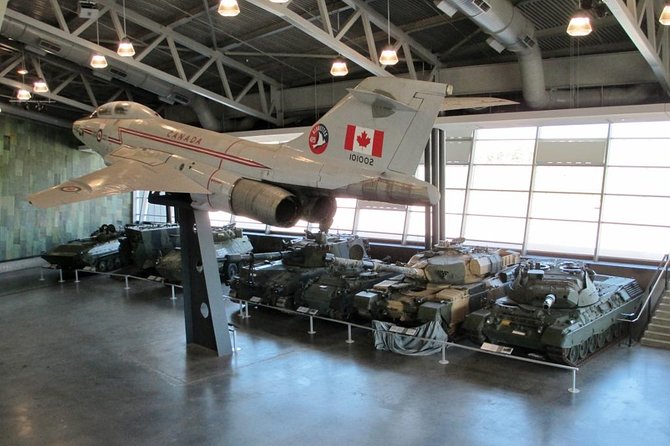
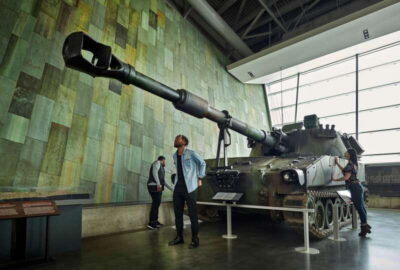
The LeBreton Gallery is the natural high point for children and anyone who likes military hardware. Tanks, vehicles, aircraft, and other large pieces give the museum a physical presence that photographs cannot match.
The vehicles are not simply parked for decoration. They show how military technology changed and how design affected the people inside these machines. Look at the size, armor, tracks, openings, and cramped working spaces. Even a visitor who skips long text panels can get a sense of the demands placed on crews.
Families often find this section the easiest way to keep younger children interested. A 10-year-old might not read every panel about international politics, but the vehicles create a reason to stop and ask questions. Older children and teenagers can then connect the machinery to the stories in the historical galleries.
Some displays include battle-damaged equipment, which can be more sobering than impressive. Seeing bullet holes and damage caused by war makes the subject immediate. The museum does not let the machines turn the visit into a simple celebration of firepower.
A few visitors have missed the vehicle area because the route and signs were not clear enough. If you are especially interested in the tanks and aircraft, ask staff where the LeBreton Gallery is when you arrive. That small step can prevent a disappointing end to your visit.
Memorial Hall and the human cost of conflict
Make time for Memorial Hall instead of treating it as a passageway. This is one of the museum’s best places to stop, sit, and think about what you have just seen.
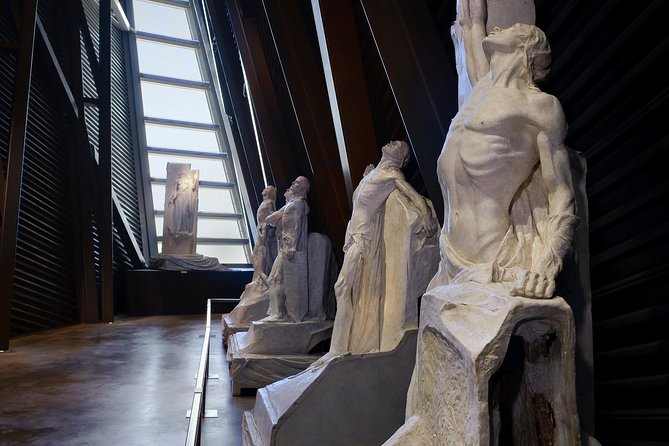
The trenches, headstone of the unknown soldier, personal belongings, and medical equipment bring a more intimate tone to the visit. The displays show how war reaches beyond battlefields into hospitals, homes, communities, and national memory.
I appreciate that the museum does not present Canadian military history as a simple story of victory. The material asks you to think about sacrifice, grief, politics, and the hope for peace. That approach makes the museum useful for adults who want more than a collection of famous battles.
The tone can be heavy, especially for children. Families should use their judgment, but the museum’s clear sections allow you to pause or move on if a subject becomes too intense. There are places to rest, which matters because three hours of reading and walking can wear you down.
Other museums and galleries in Ottawa:
- Toronto: Royal Ontario Museum Admission Ticket
★ 4.6 · 1,237 reviews - Royal Ontario Museum Admission
★ 4.5 · 411 reviews - Toronto: Art Gallery of Ontario General Admission Ticket
★ 4.6 · 251 reviews - Britannia Mine Museum General Admission
★ 5.0 · 233 reviews
The exhibits work for families, but not in the same way
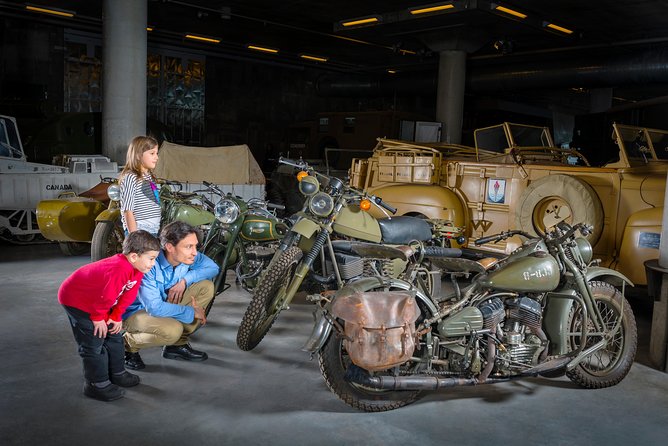
This is a good family choice because different ages can enjoy different parts of it. Children often head straight for the tanks and aircraft, while adults spend more time with the political and personal material. That split can work well if you agree to meet at set points or let each person explore at a comfortable speed.
The information panels are generally easy to follow, and the museum uses photographs and short videos to break up long stretches of text. A child who likes history may want the full morning. A child who mainly wants vehicles may be ready to leave sooner.
Teenagers interested in video games, engineering, aviation, or military technology may find the real equipment especially memorable. I would encourage them to compare the size of the machines with what they have seen on a screen. The physical scale changes the subject.
For younger children, keep expectations realistic. This is not a hands-on play center, and much of the museum asks for quiet attention. The displays are engaging, but the visit still deals with death and destruction.
How much value do you get for $18.67?
At $18.67 per person, the admission offers solid value if you use the time well. The price includes the permanent galleries and special exhibits, so you are not paying separately for the museum’s main historical material or its temporary presentation.
The value depends on your pace. If you arrive late and have only an hour, the cost feels less attractive because the museum covers several periods and includes a large vehicle collection. If you arrive early and stay close to three hours, the admission compares well with many major city attractions.
You do not need to pay extra for a guided tour to have a worthwhile visit. A guide can add context and help you connect the galleries, but self-guided admission gives you more control and keeps the visit affordable. If you prefer someone to explain the architecture, military decisions, and personal stories as you go, look into the extra guided options.
Food and drinks are not included, and transportation to the museum is also your responsibility. The site is near public transportation, which helps if you are exploring Ottawa without a car. I would plan your route before setting out, particularly if downtown construction affects your map directions.
The booking price is shown upfront with taxes and fees included. That makes budgeting easier, especially for families buying several tickets.
Timing, tickets, and avoiding a rushed visit
The listed start time is 9:00 am, but admission is flexible enough for you to choose how long to stay rather than follow a fixed three-hour tour. Think of three hours as a useful planning guide, not a strict schedule.
Print your ticket before leaving if that is easy for you. A mobile ticket is provided, but a printed copy may save time at the admissions desk. One person had trouble moving a laptop booking to a phone and could not find the reservation in the app, so do not wait until the last minute to sort out your ticket.
Check the exact admission conditions and closing time for your date. A late afternoon entry has caused problems for people expecting a full three-hour visit. One booking at 3 pm ended with the museum closing before the visitor had finished, and another person missed the visit after construction made the drive harder than expected.
That means I would choose a morning slot whenever possible. You’ll have more breathing room, especially if you read carefully or are visiting with children. It also leaves time to return to a gallery you passed too quickly.
The museum can accept service animals, is near public transportation, and most people can take part. The maximum listed group size is 1,000, although a normal general admission visit may feel less structured than a small guided outing.
What this museum does especially well

The strongest feature is the way the displays connect national history with individual lives. Uniforms and medals explain military structure, while photographs and personal objects show the people behind it.
The vehicle collection is another major strength. It gives the visit a clear visual anchor and helps younger visitors stay involved. Seeing a damaged vehicle or a large armored machine in person is more memorable than reading a paragraph about it.
The architecture also rewards attention. It is not just a modern shell around the exhibits. Its shapes and spaces support the museum’s themes of conflict, memory, and hope.
The staff are described as courteous and helpful, which matters when the route is not immediately clear. Ask for directions to the LeBreton Gallery or any special exhibit you do not want to miss.
The main weakness is not the content but the amount of it. You can easily spend three hours and still leave sections unread. The solution is to choose your priorities before you arrive: early Canadian conflicts, the world wars, women’s wartime roles, the modern military, the vehicles, or the reflective spaces.
Who should book this admission?
I would recommend it to families with school-age children, history enthusiasts, visitors interested in Canadian identity, and anyone looking for a thoughtful Ottawa museum rather than a quick photo stop.
It suits repeat visits, too. The galleries are divided into clear sections, and there is enough material to notice new details the second time. A membership may make sense if you live nearby or expect to return.
I would be more cautious if you have only a short window in Ottawa. The museum is large enough that a rushed visit can feel frustrating, particularly if you want to read the displays. I would also think twice about booking the latest available admission time unless you have confirmed the closing hour.
The experience is free to cancel up to 24 hours before the start time for a full refund. Changes or cancellations within 24 hours are not refunded, and the stated policy also allows a different date or full refund if poor weather causes cancellation. Since this is an indoor museum, check the conditions attached to your specific booking.
Should you book the Canadian War Museum?
Yes, if you can give it roughly three hours and want more than tanks behind glass. The museum combines Canadian military history, personal stories, striking architecture, large equipment, and quiet memorial spaces in a way that works for both serious readers and families.
Book it for a morning, print your ticket if convenient, and ask for directions to the vehicle gallery when you arrive. If your schedule allows only a quick visit, focus on the historical galleries, LeBreton Gallery, and Memorial Hall rather than trying to see every label.
FAQ
How much does admission to the Canadian War Museum cost?
The listed price is $18.67 per person. Taxes and additional fees are shown upfront, so the amount you see is the full price provided for the booking.
How long should I plan to spend at the museum?
Plan for about three hours. You can visit in less time, but reading the information, watching presentations, and seeing the vehicle displays may require at least two to three hours.
What does the admission ticket include?
Admission includes the permanent exhibitions and special exhibits at the Canadian War Museum.
Are guided tours included?
No. Guided tours are extra. The admission described here is for visiting the museum independently.
Can I use a mobile ticket?
Yes. The experience includes a mobile ticket. Printing the ticket ahead of time may save time at the admissions desk.
What time does the experience start?
The listed start time is 9:00 am. You set how long you stay, but you should check the closing time for your chosen date.
Is transportation included?
No. Transportation to and from the Canadian War Museum is not included. The museum is near public transportation.
Is food included?
No. Food and drinks are not included in the admission.
Are service animals allowed?
Yes. Service animals are allowed.
Can I cancel for a refund?
You can cancel at least 24 hours before the experience start time for a full refund. Cancellations or changes made within 24 hours are not refunded.
Just added in Ottawa
- Ottawa City Highlights 3 Hour Walking Tour | Gratuity-Based★ 4.5 · 80 reviews
- Ottawa: Private Walking Tour with a Local★ 4.5 · 80 reviews
- Ottawa: Walking Tour in the Heart of the Capital★ 5.0 · 122 reviews
- Cycling Ottawa’s 200th Anniversary, self-guided★ 5.0 · 45 reviews
- Ottawa: 4 or 8-Hour Bike Rental with Self-Guided Tour★ 4.7 · 51 reviews
- Street Art Exploration Game and Self-Guided Tour in Ottawa★ 4.0 · 20 reviews
- Ottawa: 2 or 3.5-Hour Guided Bike Tour with a Local Guide★ 4.9 · 84 reviews
- Ottawa Highlights 3.5 Hour Bike Tour★ 5.0 · 98 reviews
Museums, compared.
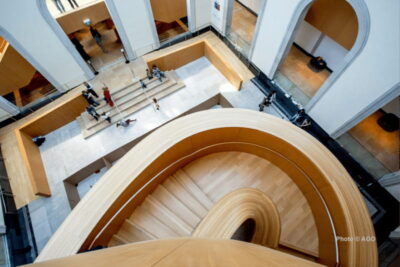
Art Gallery of Ontario General Admission Ticket
Read our review →



3.5-Hour Bus City Tour with Gasoline Alley Museum
Read our review →Browse the lists this tour appears in