
Reviewed · MUSEUMS
Oshawa: Canadian Tank Museum Admission
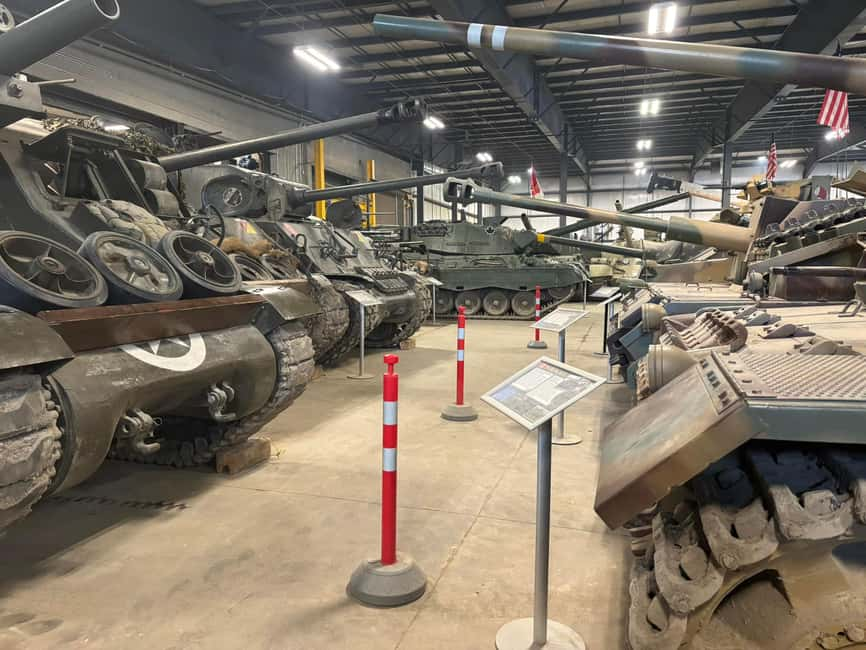
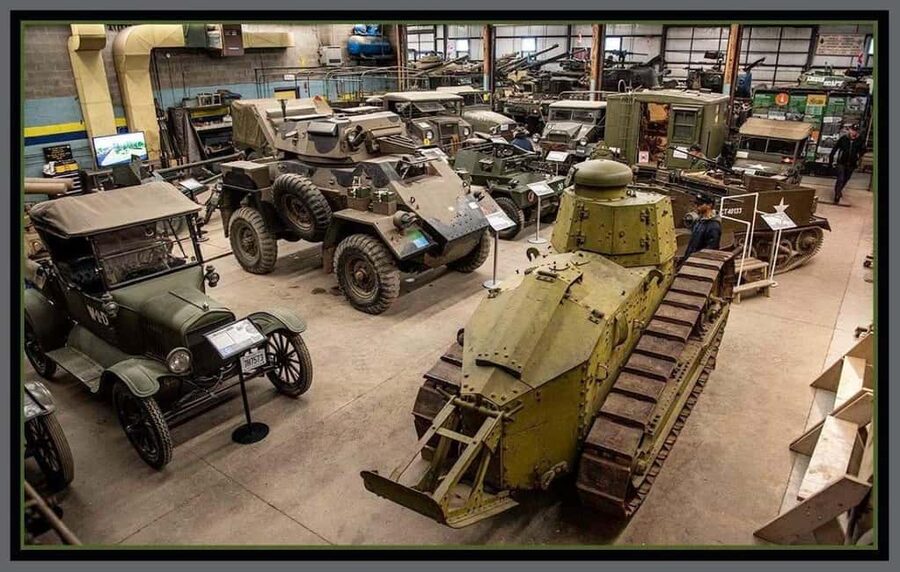
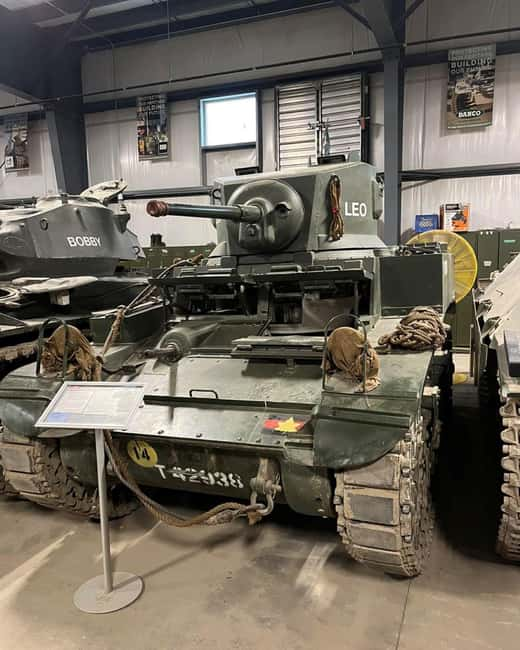
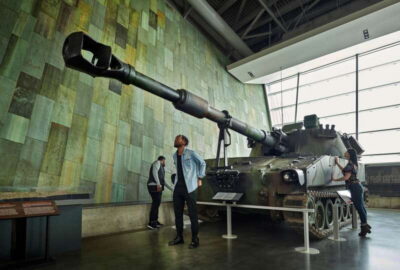
The Canadian Tank Museum puts more than 170 military vehicles in front of you, including the largest collection of operational military vehicles in North America. This is not only a room of silent displays. Some vehicles are restored, maintained, and occasionally put into motion, giving the collection a useful sense of life.
I like the chance to speak with veteran volunteer guides, and I like that the museum connects its vehicles to the Royal Canadian Armoured Corps and the Ontario Regiment RCAC. The main consideration is that this is a full-day admission rather than a tightly timed guided tour, so the experience may appeal more to people who enjoy taking their time with military history than to anyone seeking a quick stop.
Key points to know before you go
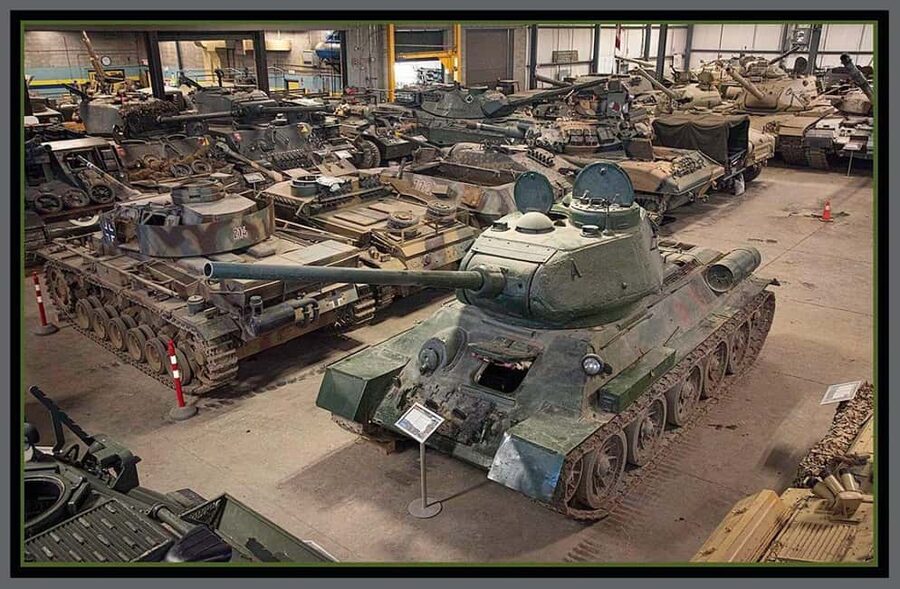
- More than 170 military vehicles: The collection includes the largest group of operational military vehicles in North America.
- Official regimental museum: The museum is connected with the Ontario Regiment RCAC, Durham Region’s local Canadian Army regiment.
- Veteran guides: Volunteers who served can discuss the vehicles, the museum, and their own connection to military service.
- Restoration in progress: You can view active work on historic vehicles, not just finished exhibits.
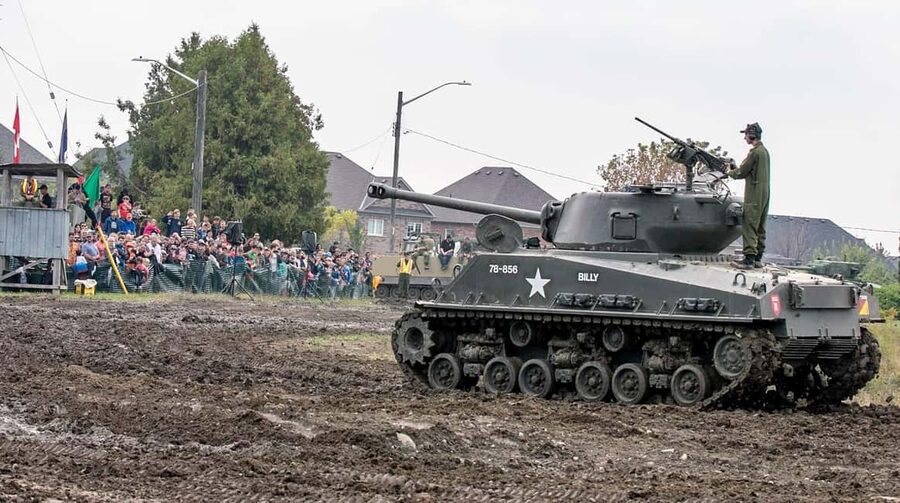
- A chance to see history move: Depending on the day, a historic vehicle may be demonstrated.
- Low admission cost: A $10 ticket includes museum admission and access to permanent exhibitions for one day.
Why the Canadian Tank Museum feels different
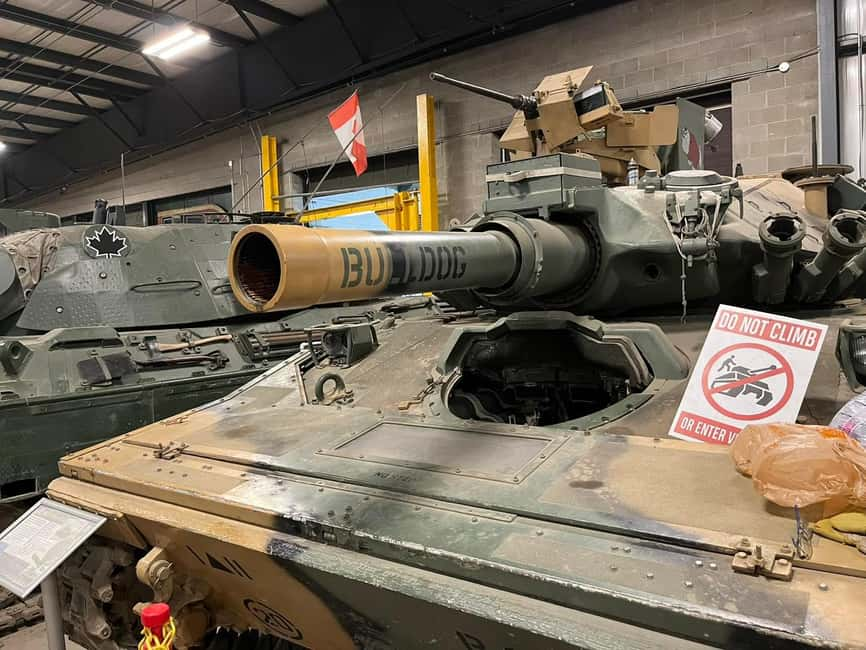
Many military museums are strongest when you want to look at uniforms, photographs, medals, and carefully labeled equipment. The Canadian Tank Museum adds scale. A tank or armoured vehicle is hard to understand from a photograph, but much easier to grasp when you are standing beside one and seeing its size, weight, and construction.
The collection focuses on Canada’s tank forces and the Royal Canadian Armoured Corps. It also reaches back to the formation of Canadian militia units in 1866, giving the museum a longer story than a display devoted only to one war or one type of vehicle.
I like this broad focus because it helps you connect machinery with people. The vehicles are not presented only as engineering objects. They are part of a military tradition, a regiment, and the lives of Canadians who served.
The museum is also a charitable organization devoted to restoration, display, and demonstrations. That matters when you visit. Your admission supports a working collection, not simply a storage facility with labels on the walls.
Other museums and galleries in Canada:
- Toronto: Royal Ontario Museum Admission Ticket
★ 4.6 · 1,237 reviews - Royal Ontario Museum Admission
★ 4.5 · 411 reviews - Toronto: Art Gallery of Ontario General Admission Ticket
★ 4.6 · 251 reviews
Starting with the Ontario Regiment RCAC
The museum is the official unit museum of the Ontario Regiment RCAC, the local Canadian Army regiment in Durham Region. That local link gives the visit a clear anchor. You are not looking at a random collection of armoured vehicles gathered from different places with no connecting thread.
The museum tells the story of the regiment and the development of armoured forces in Canada. Small artifacts help fill in the picture alongside the large vehicles. The result should be useful for someone who wants more than photographs of tanks, since the collection covers both the machines and the people connected to them.
You can think of the museum as telling two stories at once. One is the national story of Canada’s armoured forces. The other is the more personal story of a local regiment and its service members.
That combination is especially useful if you are visiting Oshawa or Durham Region and want an attraction tied to the place itself. The museum gives local military history a physical setting instead of presenting it as a footnote in a larger national exhibit.
The vehicle collection: scale, variety, and working machinery
The central draw is the vehicle collection. More than 170 military vehicles are held here, including both restored examples and vehicles still receiving attention. The number alone is impressive, but the practical value is the operational status of much of the collection.
An operational vehicle can show you details that a static object cannot. You may notice how the machinery is arranged, how much space the crew had, or how different a working armoured vehicle looks from a modern road vehicle. You might even see a historic vehicle on the move during your visit.
That possibility should be treated as a bonus rather than a guaranteed part of every admission. The information provided does not promise a scheduled demonstration for each date, so plan your visit around the museum displays and regard moving vehicles as an added treat.
The collection also has value for people who are not already tank enthusiasts. One visitor booked mainly for a spouse with a strong interest in history and military subjects, then found the visit more enjoyable than expected. That makes sense: the vehicles provide an immediate visual hook, while the stories and volunteer conversations give the machines human meaning.
If you already know a lot about armoured vehicles, you will likely appreciate the working collection and restoration activity. If you know very little, you can still begin with the basics: look at the size of each vehicle, notice its crew areas, and ask a guide what it was built to do.
Restoration work you can see for yourself
The active restoration areas are one of the museum’s most useful features. A polished vehicle can look complete and distant, while a vehicle under restoration shows the effort required to preserve military equipment.
Restoration also helps you understand that museums do not simply receive old objects and place them on a floor. Staff and volunteers must research, repair, maintain, and sometimes operate these machines. The work takes time and technical skill, and the visible process adds context to the finished displays.
You might find a vehicle at a different stage of repair from another one. That variation can make the collection feel more like a working shop than a fixed exhibit. It also means the exact presentation may change over time as restoration projects progress.
For me, this is a strong reason to return if you are in the area again. The collection is not entirely frozen. Vehicles can move through repair, display, and possible demonstration, so a later visit may offer a different look at the same project.
Same base, a different sort of day:
- Vancouver Half-Day Whale Watching Adventure with Free Photos
★ 5.0 · 5,000 reviews - Quebec City Walking Tour
★ 5.0 · 4,716 reviews - Niagara Falls: Premium Tour, Boat & Journey Behind the Falls
★ 4.8 · 4,207 reviews - Banff: Banff Gondola Admission Ticket
★ 4.7 · 3,698 reviews
Meeting veteran volunteer guides
The guides are a major part of the experience. Veterans volunteer their time and can discuss the vehicles, the Canadian Tank Museum, and their own connection to service. That personal contact gives you a chance to ask questions that a label cannot answer.
You should take advantage of that opportunity rather than rushing past the displays. Ask about a vehicle’s purpose, the restoration work, or the museum’s relationship with the Ontario Regiment RCAC. The information provided does not list individual guide names, and guides may vary by day, but the museum specifically highlights veterans serving as tour guides.
This is also where the museum becomes more than a collection of machines. A vehicle can tell you about design and military planning. A veteran can help connect that design to service, responsibility, and the human side of the armed forces.
The conversations may be most valuable for visitors who support Canadian troops or have family connections to military service. They can also help newcomers to the subject. You do not need to arrive with technical knowledge to ask sensible questions and learn from the people on hand.
A full-day visit for a $10 admission
At $10 per person, admission is modest for a full day. The ticket includes entry to the Canadian Tank Museum and access to the permanent exhibitions. You are not paying only for a short viewing of one signature object. You are paying for time with a large collection, restoration work, and the chance to speak with veteran guides.
The value improves if you take your time. Read the displays, compare different vehicles, ask questions, and look closely at the smaller artifacts connected with the regiment. A hurried visit would still show you the main collection, but it would miss much of what makes this museum distinctive.
Food and drinks are not included, so plan around that. The available information does not provide details about on-site food service, so do not assume a meal is part of the admission. If you expect to spend much of the day there, consider your food plans before arriving.
The museum does not list a fixed tour duration. Your admission is valid for one day, and you can check availability for starting times when booking. That flexible format suits visitors who prefer to explore at their own pace rather than follow a rigid sequence.
Who will get the most from this museum
The obvious audience is anyone interested in tanks, military vehicles, Canadian military history, or the Royal Canadian Armoured Corps. The size of the collection gives specialists plenty to examine, and the operational vehicles add an element that a purely static display cannot provide.
Families can also find a practical way into the subject. Large vehicles attract attention quickly, and the guides can explain what children or first-time visitors are looking at. Since the museum includes both large and small artifacts, you can move between impressive machinery and more manageable details.
I would also recommend it to people who support Canadian troops or want to understand the service traditions of a local regiment. The museum’s connection to the Ontario Regiment RCAC gives the visit a personal and regional focus.
You do not need to be a military expert. One visitor arrived mainly because of a spouse’s interest and ended up enjoying the museum personally. That is a useful sign for couples or groups with mixed interests. The displays provide visual appeal, while the guides and stories offer enough context to keep the visit from becoming a parade of unfamiliar vehicle names.
The main mismatch would be someone looking for a polished entertainment attraction with a guaranteed vehicle demonstration. The museum’s strength is its collection, preservation work, and conversations with volunteers. It is best approached as a working military museum.
Planning your visit in Oshawa
This is a one-day admission in Oshawa, Ontario. The booking information allows you to check available starting times, but it does not provide a fixed daily schedule in the details available here. Check the date and time before setting out.
You can reserve now and pay later, which helps if your Ontario plans are still taking shape. Cancellation is free up to 24 hours in advance for a full refund. Those terms make the booking less risky if weather, transport, or a change in plans could affect your day.
Admission covers permanent exhibitions. It does not include food or drinks. No transport service is described, so arrange your own way to the museum in Oshawa.
Give yourself enough time to speak with the volunteers. The most meaningful part of the visit may not be the first vehicle you see, but the explanation of why a particular machine matters and how the museum keeps it in usable condition.
Should you book the Canadian Tank Museum?
Book it if you want a low-cost, substantial museum visit with working military vehicles, restoration activity, and veteran guides. The $10 price is easy to justify, especially if you spend several hours exploring the permanent exhibitions rather than making a quick pass.
I would be especially comfortable recommending it to history-minded couples, families, supporters of Canada’s armed forces, and anyone curious about the Royal Canadian Armoured Corps. You may enjoy it even if tanks are not your main interest, as long as you are willing to slow down and listen.
Skip it only if you need a tightly scripted tour or a guaranteed demonstration at a specific time. For everyone else, this is a practical Oshawa stop with real substance and a good chance to see Canadian military history at full size.
FAQ
Where is the Canadian Tank Museum?
The Canadian Tank Museum is in Oshawa, Ontario, Canada.
How much does admission cost?
Admission costs $10 per person.
How long is the admission valid?
Admission is valid for one day.
What does the ticket include?
The ticket includes admission to the Canadian Tank Museum and access to its permanent exhibitions.
Are food and drinks included?
No. Food and drinks are not included.
Can I see a military vehicle moving?
You may see a historical military vehicle on the move, but a moving vehicle is not guaranteed as part of every visit.
Can I cancel my booking?
Yes. You can cancel up to 24 hours in advance for a full refund. You can also reserve now and pay later.
Just added in Canada
- 2-Hour Two Castle 1000 Islands Cruise from Ivy Lea★ 4.5 · 24 reviews
- Medway Lakes Canoe Trip 3-Day★ 5.0 · 12 reviews
- Meet The Seals Boat Tour – Travel by boat to a Secret Seal Cove★ 5.0 · 21 reviews
- 20 Minute Scenic Helicopter Private Tour★ 5.0 · 14 reviews
- Wine, Cheese, Chocolate 6 Hour Tasting Tour with Lunch★ 5.0 · 45 reviews
- Wine Tour with Lunch in Niagara-on-the-Lake★ 5.0 · 25 reviews
- Guided Craft Cider Tour in Niagara★ 4.5 · 4 reviews
- Walking Food Tour in Niagara Falls★ 5.0 · 6 reviews
Museums, compared.
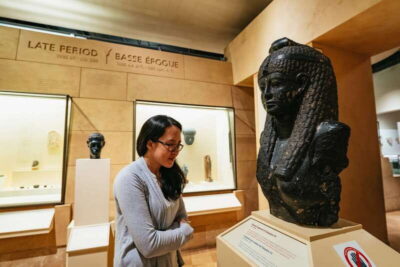

Art Gallery of Ontario General Admission Ticket
Read our review →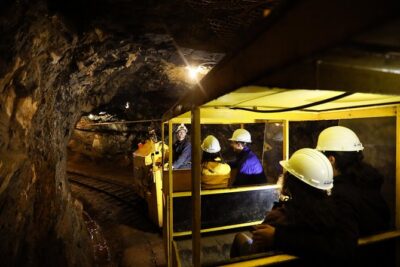



3.5-Hour Bus City Tour with Gasoline Alley Museum
Read our review →Browse the lists this tour appears in