
Reviewed · HORSE RIDING & SLEIGH RIDES
2 Hour Banff Horseback Riding Adventure
The best part of this Banff ride is the route: you move from the Bow River and hot springs into forest, marsh, and mountain country without needing riding experience. The horses are calm and sure-footed, while two guides keep watch at the front and back of the line.
I like the mix of scenery and easy pacing, and I like that the two-hour ride reaches places you cannot see from a car. The main catch is that this is a gentle walk-only ride, not a western riding lesson with trotting or cantering. In a full group, you may also have trouble hearing the lead guide.
Key points
- Ride the Sundance Loop: Follow the Bow River, pass the Cave and Basin National Historic Site, and head toward Sulphur Mountain.
- Built for beginners: Basic instruction, quiet horses, and a lead and tail guide make this a sensible first trail ride.
- Two hours in the saddle: The length gives you time to reach remote sections of Banff National Park, but first-time riders may feel sore.
- Strict age and weight rules: Riders must be at least 8 years old and under 230 pounds, or 104 kilograms.
- Walk-only pace: You will enjoy a slow, steady ride, but do not book this expecting to trot or canter.
- Smallest possible group matters: The group can reach 12 riders, and commentary is harder to hear from the middle or rear.
A Gentle Way Into Banff’s Backcountry
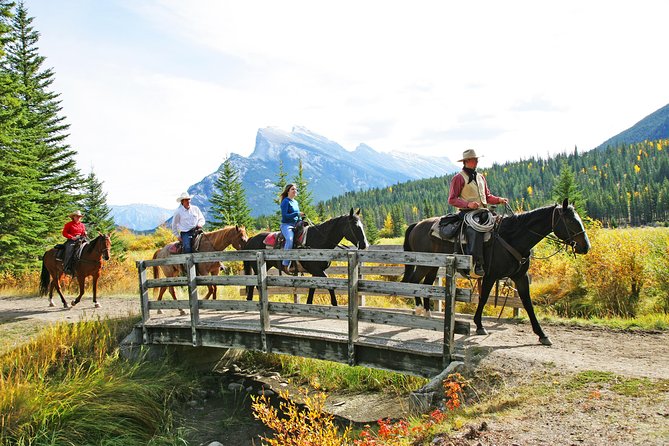
This two-hour horseback ride offers a different view of Banff National Park. From the saddle, you travel at the pace of the horses, along trails that lead away from the roads and into the Bow Valley.
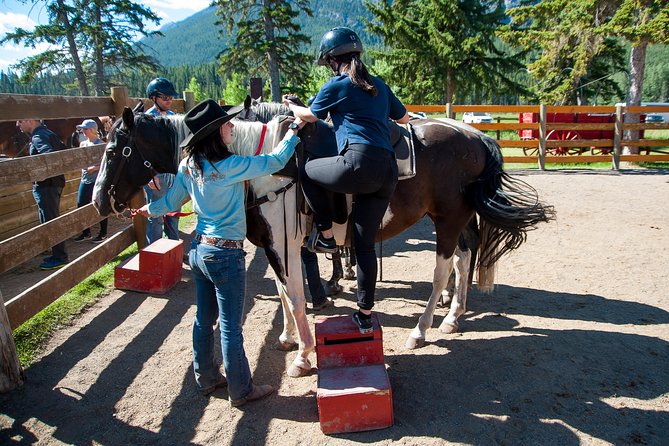
The route begins at Banff Trail Riders’ stables on Sundance Road. You must arrive 30 minutes before your scheduled departure, giving the staff time to check you in, fit your helmet, and prepare the group. The ride then returns to the same meeting point, so you do not need to arrange a second pickup.
The experience is aimed at beginners, families, and anyone who wants a quiet outdoor activity rather than a demanding riding excursion. Guides provide basic instruction before setting out, and the horses are selected and trained for trail work. Several riders with little or no western riding experience found the horses easy to handle, which is important when you are also trying to watch the river, trees, and mountain views.
You should still treat this as a physical activity. Sitting in a saddle for two hours can leave a new rider sore, especially through the hips and legs. If you are not used to riding, plan a slower evening afterward rather than scheduling another strenuous activity right away.
Other rides behind a horse around Banff:
- Banff National Park: 1-Hour Bow River Horseback Ride
★ 4.6 · 518 reviews - Banff National Park: 1-Hour Spray River Horseback Ride
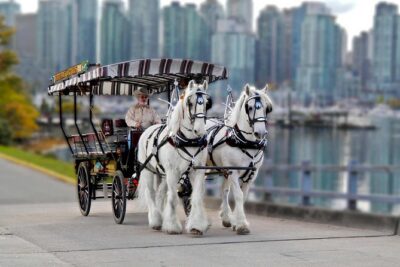
★ 4.7 · 315 reviews - Banff: Family Friendly Horse-Drawn Sleigh Ride
★ 4.2 · 237 reviews
The Sundance Loop Along the Bow River
The opening section follows the Bow River Trail. This gives you an easy start while you learn how your horse responds to simple commands and how to keep a safe distance from the horse ahead.
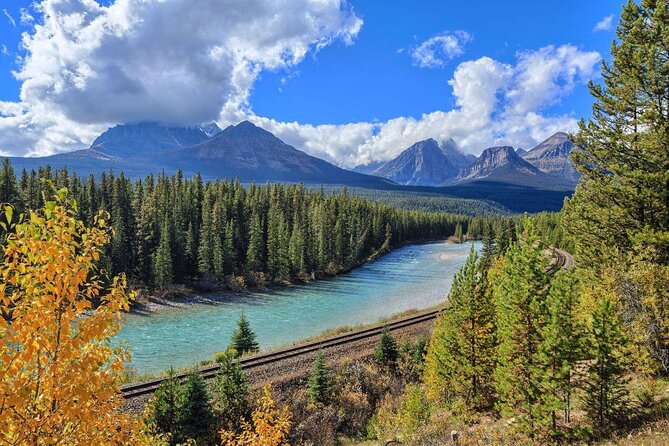
The river is one of the best features of the ride. You get long views through the Bow Valley, with mountains rising around the route and quiet sections where the only movement comes from the horses and the water. The pace stays slow, so you have time to take in the setting, though stopping for photographs on the trail is limited.
That slow pace is useful for a first ride. You can concentrate on posture, reins, and balance instead of worrying about speed. It also helps the guides keep the line together. The tradeoff is that experienced riders may find the early part too tame.
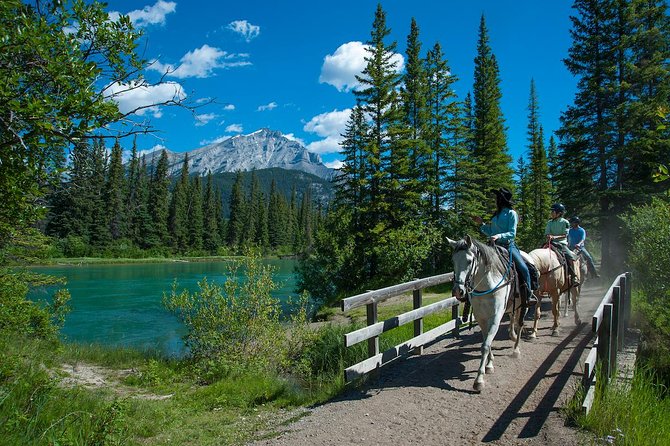
The group normally rides in a single line. A lead guide sets the pace, while a tail guide stays behind the last horse. This system adds a useful safety check, especially for children and nervous riders. It also means the experience can feel less personal when the group is full.
If you are placed near the middle or back, you may not hear every story or explanation from the lead guide. The horses make their own sounds, the trail spreads the group out, and conversation at the front does not always carry. If local information matters to you, try to listen closely whenever the line bunches up, or ask the tail guide questions when there is a natural pause.
Cave and Basin National Historic Site
The trail passes natural sulphur hot springs and continues toward the Cave and Basin National Historic Site. This is one of the more meaningful sections because the springs connect the ride to Banff’s origins as a protected mountain destination.
You do not visit the site as a separate walking tour during this activity. Instead, you pass through the area on horseback as part of the wider route. That makes this stop more of a scenic and historical reference point than a full sightseeing visit.
The sulphur springs can also mean strong natural smells in the area. That is part of the setting, not a sign that anything is wrong. You are seeing a piece of Banff’s geothermal character while remaining on the trail.
I like this section because it breaks up the ride. The route is not just forest and river views. It also gives you a sense of why this corner of Banff has long drawn attention. Still, you should not book the ride mainly to tour Cave and Basin. The horseback experience is the focus, and there is no promise of a long stop or detailed site visit.
Marshes and the Climb Toward Sulphur Mountain
From the lower trails, the route presses through thicker marsh areas as it climbs toward Sulphur Mountain. This is where the ride feels more like a backcountry outing than a simple pony ride around a ranch.
Trail conditions can vary. Mud has been an issue on some rides, and wet ground may make the horses move more carefully. That can slow the group, but it also gives you a close look at how a trained trail horse handles uneven or soft ground.
The climb is steady rather than athletic. You are not asked to control a horse at speed, and the horses set the rhythm. Their sure footing is one of the strongest parts of the experience, especially for first-time riders who may feel nervous on an incline.
The Sulphur Mountain section comes with an important expectation check. You do not reach a wide, open summit viewpoint. Much of the route remains among trees, and the ride heads up and back down through forest. You still get mountain scenery and views of the Bow Valley, but this is not the place to book if you want a dramatic mountaintop panorama.
Some riders feel the ride would be more exciting with a short trot in an open meadow. That is not part of this outing. The walk-only format is intentional and helps keep the experience suitable for children, beginners, and mixed-ability groups, but experienced riders may find the pace repetitive.
Same base, a different sort of day:
- Banff: Banff Gondola Admission Ticket
★ 4.7 · 3,698 reviews - Banff Gondola Ride Admission
★ 4.5 · 2,688 reviews - Columbia Icefield Tour with Glacier Skywalk
★ 4.5 · 1,860 reviews - Lakes Moraine, Louise, Emerald, Johnston Canyon & Yoho Tour
★ 4.8 · 1,023 reviews
Windy Knoll and the Best Photo Opportunities
The route continues toward Windy Knoll, where you can take in broader views of the surrounding country. This is one of the more rewarding points for photographs, though the opportunity to stop can depend on the group, trail conditions, and the guide’s judgment.
You should bring a camera or phone, but do not expect a long photography session from the saddle. The line needs to keep moving, and riders cannot always stop their horses safely wherever they wish. Guides may help with a photo at the end of the ride, but there is no dedicated photographer included.
A useful tip is to keep your phone easy to reach but secure. You will need both hands for riding at times, and loose items can become a problem on the trail. Long pants and ankle-enclosed, closed-toe shoes are required. Avoid big heels and open shoes, even in warm weather.
The mountain scenery is the main reward here. Cars cannot reach every part of the route, so horseback riding gives you access to a quieter side of Banff. The views are not constant, but the changes from river to forest, marsh, and open mountain country give the ride variety.
Horses, Guides, and the Feel of the Ride
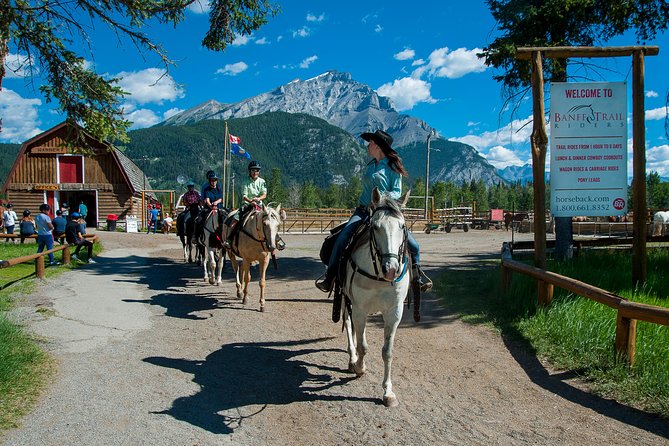
The horses are a major reason this outing works for beginners. They are described as gentle, well-trained, and easy to handle, with many riders feeling safe even when they had never ridden western-style before.
That does not mean every horse behaves exactly the same way. Horses are animals, and one incident involved a horse nipping another in line, which made the rider in front uncomfortable. The guides are there to manage spacing and behavior, but you should still pay attention to instructions and tell the staff if you feel uneasy.
The two-guide setup is practical. The lead guide controls the direction and pace, while the tail guide watches the rear of the line. Guides also share information about the area and may show you a few basic cowboy techniques.
The quality of the guiding can shape your day. Some guides have been praised for being warm, funny, safety-focused, and good at explaining the area. Abby, Amy, and Jess have each been singled out by name in positive feedback. At other times, riders found a staff member’s manner less welcoming, or found the commentary difficult to hear from the back. This is a professionally organized operation, but the experience can depend on your position in the line and the particular guide working that day.
The group limit is 12 people. That is not a tiny private ride, and the horses travel nose to tail. A smaller group would make conversation easier, but the fixed group size keeps the outing practical and helps the company run several departures.
Who Will Get the Most From Two Hours
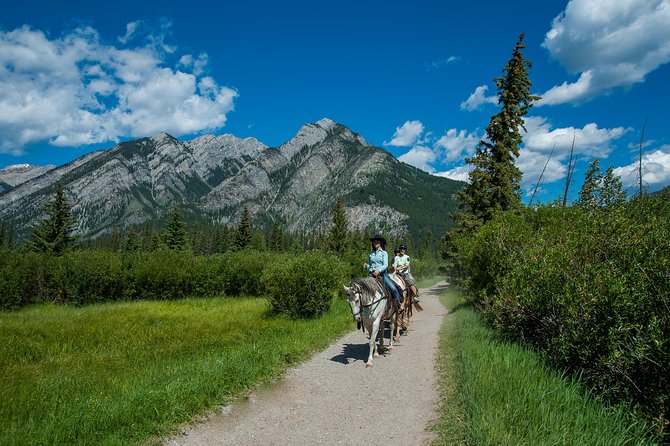
This ride is best for:
- First-time riders who want a controlled introduction
- Families with children at least 8 years old
- Couples looking for a slower outdoor activity
- People who want access to forest and river trails without hiking
- Riders who prefer safety and scenery over speed
- Visitors comfortable following simple instructions in English
Children ride their own horses rather than sharing with an adult. Anyone 17 or younger must be accompanied by a parent or legal guardian, and the age rule is strictly enforced.
The ride is not suitable for children under 8, riders over 230 pounds, or anyone who cannot physically control a horse without assistance. The operator also states that it cannot accommodate disability-related riding needs or special-needs riders because the appropriate equipment and skills are not available.
You need a basic understanding of English to follow simple instructions. Helmets are mandatory, and waivers are required for adults and for minors through a parent or legal guardian.
Is the $160.52 Price Fair?
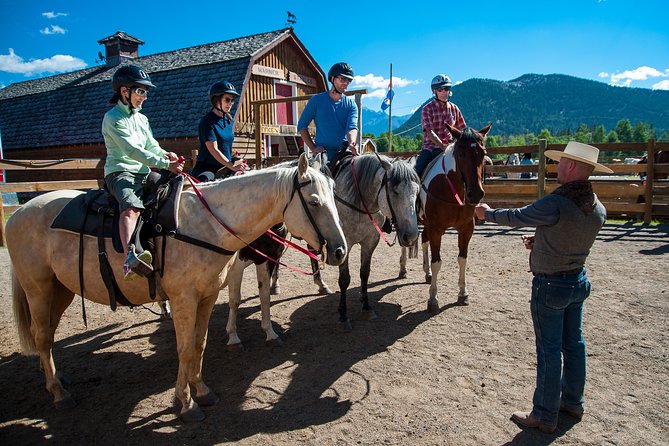
At $160.52 per person, this is not a cheap way to spend two hours. The price does include the horse, helmet, basic instruction, and both lead and tail guides. It does not include food, drinks, hotel transportation, or a private guide.
The value depends on what you want from Banff. If you are looking for a fast-paced riding lesson, the price may feel high because the ride stays at a walk. If you want a guided route into parts of the park that you would not reach by car, the cost makes more sense.
You are paying for the horses, staff, safety setup, trail access, and the chance to experience the Bow Valley from the saddle. The two-hour duration is long enough to feel like a real outing rather than a short ride around the stable. It may also be too long for a first-timer who is unsure about saddle comfort.
Tips for the guides are not included. Bring Canadian cash if you plan to tip, since that is the easiest way to thank the staff at the end.
Practical Planning Before You Book
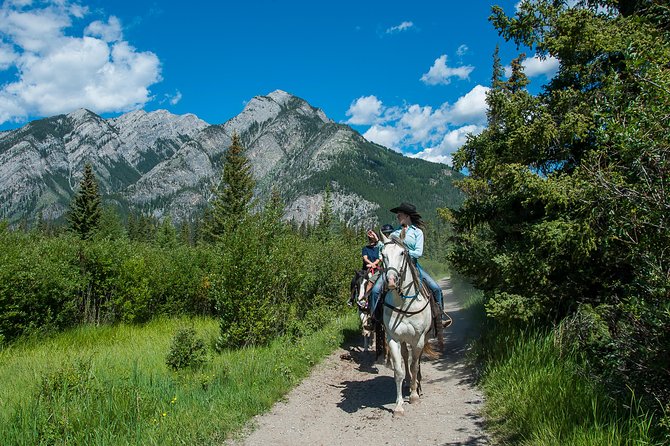
The stables are at 100 Sundance Road in Banff and are near public transportation. Hotel pickup and drop-off are not provided, so allow enough time to reach the meeting point and complete check-in before the ride.
Wear long pants and sturdy closed-toe shoes that cover the ankle. Helmets are supplied and must be worn. Dress for mountain weather, which can shift during the day, though the activity may be canceled in poor conditions.
This experience is offered in English and usually sells well in advance, with bookings made an average of 56 days before the ride date. If your schedule is fixed, booking early is sensible.
You can cancel for a full refund up to 24 hours before the start time. Cancellations or changes made inside that window are not refunded or accepted. If poor weather forces the operator to cancel, you can choose another date or receive a full refund.
Should You Book the Sundance Loop Ride?
Book it if you want a calm, scenic introduction to horseback riding and like the idea of following the Bow River into Banff’s quieter natural areas. The gentle horses, clear safety structure, and two-hour route make it a strong choice for families, beginners, and riders who value scenery over speed.
Skip it if you need a private experience, want to trot or canter, or expect a summit viewpoint on Sulphur Mountain. Also think carefully about the strict weight rule, the physical demands of two hours in the saddle, and the possibility that a full group will make the guide’s commentary hard to hear.
For the right rider, this is an enjoyable way to see Banff at a horse’s pace. Bring sensible shoes, arrive early, keep your expectations realistic, and you will be set up for a memorable ride through the Bow Valley.
FAQ
Where does the horseback ride begin and end?
The ride starts at Banff Trail Riders, Stables, 100 Sundance Road in Banff, Alberta. It ends back at the same meeting point.
How long is the horseback riding experience?
The trail ride lasts approximately two hours.
What age must riders be?
Riders must be at least 8 years old. Children 17 and younger must be accompanied by a parent or legal guardian, and each child rides their own horse.
Is there a weight limit?
Yes. All riders must be under 230 pounds, or 104 kilograms. The limit is strictly enforced, and a current weight check may be required during check-in.
Do I need horseback riding experience?
No. Basic riding instruction is included, and the activity is designed to suit beginners. You must be physically able to control the horse without assistance.
Are helmets provided?
Yes. Helmets are provided and must be worn by every rider.
What should I wear?
Wear long pants and sturdy closed-toe shoes enclosed to the ankle. Open-toe shoes and shoes with large heels are not permitted.
Is hotel transportation included?
No. Hotel pickup and drop-off are not included. You must make your own way to the Sundance Road stables, which are near public transportation.
Just added in Banff
- Rock Climbing Adventure in Banff: Beginner★ 5.0 · 19 reviews
- Moraine Lake, Louise Emerald Lake, and Peyto Lake all in day tour★ 5.0 · 12 reviews
- Discover Lake Louise and Yoho In Winter★ 5.0 · 72 reviews
- Wildlife on the Bow | Big Canoe Tour★ 4.5 · 13 reviews
- Wildlife on the Bow | Big Canoe Tour in Banff National Park★ 5.0 · 77 reviews
- Grassi Lake and Grotto Canyon Hiking Calgary/Canmore/Banff★ 5.0 · 5 reviews
- Banff Sunshine Village Gondola and Sightseeing★ 5.0 · 192 reviews
- Banff Town Walking Tour Includes Refreshment and Sweet Treat★ 5.0 · 29 reviews
Horse Riding & Sleigh Rides, compared.
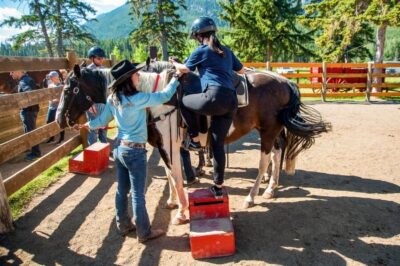
Banff National Park: 1-Hour Bow River Horseback Ride
Read our review →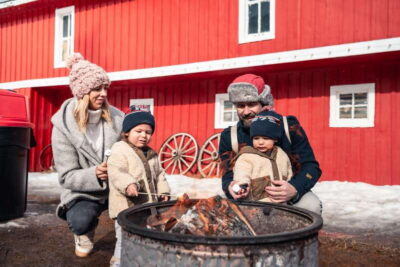
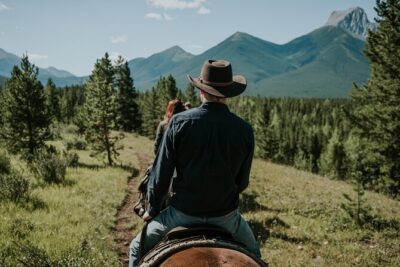
Ridge Ride 2-Hour Horseback Trail Ride in Kananaskis
Read our review →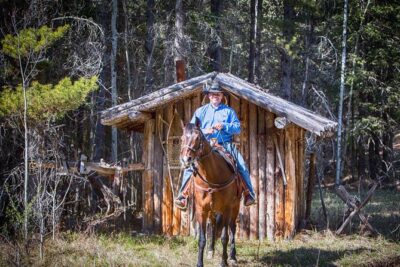
Buffalo Loop 1-Hour Horseback Trail Ride in Kananaskis
Read our review →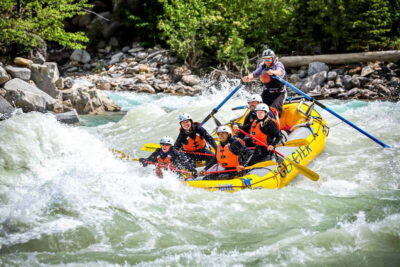
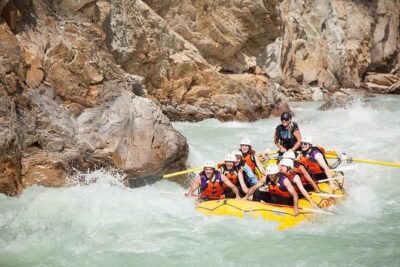
Golden, BC: Kicking Horse River Half Day Whitewater Rafting
Read our review →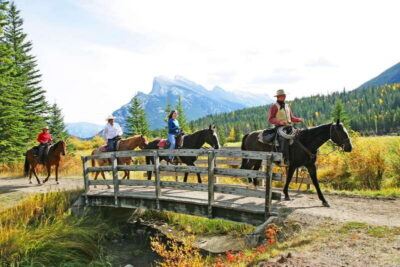
Banff National Park: 2-Hour Sundance Loop Horseback Ride
Read our review →Browse the lists this tour appears in