
Reviewed · TOURS IN BANFF
Ice Climbing Adventure in Banff: Beginner
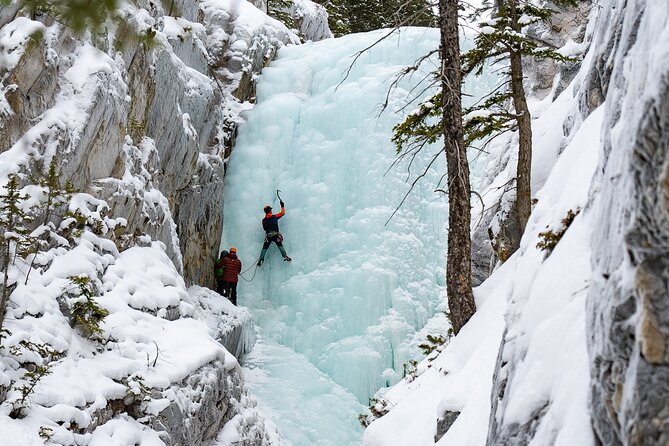
The best part of this Banff adventure is simple: you do not just look at a frozen waterfall, you learn how to climb it. After a safety briefing and gear fitting, you use crampons and ice tools to work your way up real waterfall ice in the Canadian Rockies. Shea and Nolan are among the guides who have led this outing.
I like the hands-on teaching and the chance to help choose a climbing location. I also like that the program works for complete beginners but can add harder skills for people with climbing experience. The main catch is practical: you need private transportation to the site, lunch is not included, and bitter cold can shorten the climbing time.
Key points at a glance
- Seven hours on the ice: This is a full-day program, not a quick photo stop.
- All core climbing gear included: You receive climbing boots, crampons, ice tools, a helmet, and harness.
- Beginner-friendly instruction: Learn site safety, knot work, belaying, and movement on steep ice.
- Location can change: Johnston Canyon is one possible area, but the icefall site depends on conditions and planning.
- Small enough to teach: The maximum group size is 12 people.
- Plan your own ride and lunch: Private transportation to the climbing site is required, and food is not provided.
What a day on frozen waterfall ice feels like
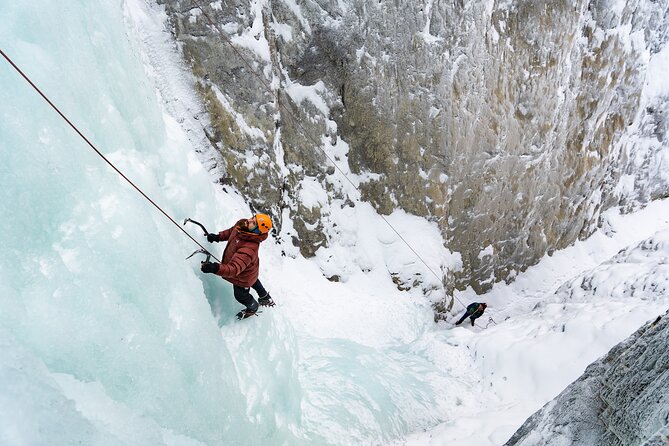
Waterfall ice climbing looks intimidating from below. The wall may be blue, white, ridged, and uneven, with water frozen into shapes that seem too fragile to hold a person. The first lesson is that this is a managed climbing experience, not a reckless attempt to charge up a frozen cliff.
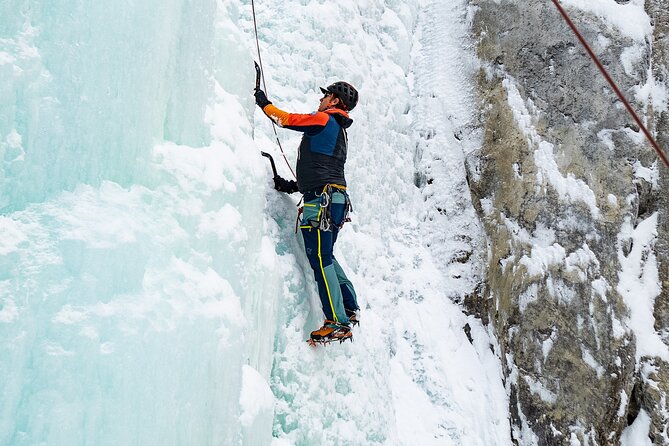
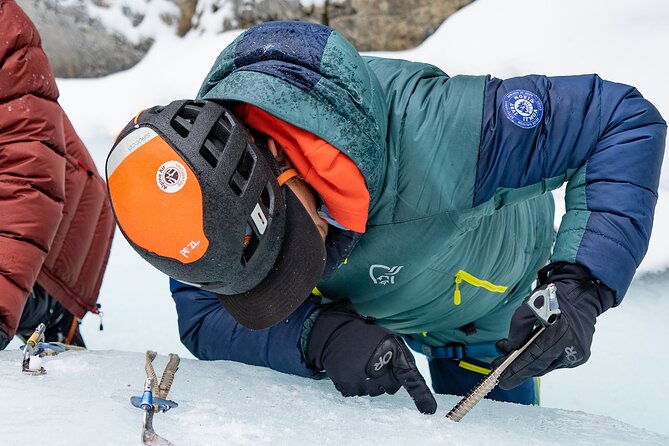
Your guide begins with equipment fitting and basic safety. You receive a helmet, harness, climbing boots, crampons, and ice tools. The gear matters. Crampons give your boots sharp points for standing on the ice, while the tools help you pull and balance as the angle steepens.
The instruction covers site awareness, walking in crampons, belaying top-rope climbers, and basic movement on steep ice. You also learn how to swing the tools and place your crampons. These details are valuable because ice climbing is less about raw strength than controlled movement. A beginner who moves carefully can make better progress than someone who simply tries to yank upward.
You should expect to work. This is an active outing, and the seven-hour schedule allows time for instruction, travel to the site, setting up the ropes, and several attempts on the ice. The exact climbing time can change with weather, access, and group pace.
Other trips people book in Banff:
- Banff: Banff Gondola Admission Ticket
★ 4.7 · 3,698 reviews - Banff Gondola Ride Admission
★ 4.5 · 2,688 reviews - Columbia Icefield Tour with Glacier Skywalk
★ 4.5 · 1,860 reviews
Why the beginner program works
The program is built for people who have never held an ice tool. You do not need prior ice climbing experience to take part, and the guide explains the basic systems before you leave the ground.
The top-rope format is especially useful for a first attempt. The rope runs through an anchor above the climb, and the belay system helps manage your safety as you climb. That lets you focus on footwork, tool placement, and breathing instead of trying to solve every technical problem at once.
You will also learn how to tie knots and belay. Those are not just side lessons. They show you how climbers manage ropes and support one another. Even if you only climb once, you leave with more than a photograph and a cold pair of boots.
If you already climb, the day can be adjusted. The program may include advanced movement on steep ice, placing ice screws, building V-threads, mock leading, and rappelling. The wording matters here: these skills may be included during a full-day program, but they depend on conditions, time, and your ability.
Johnston Canyon, Banff National Park, and changing icefalls
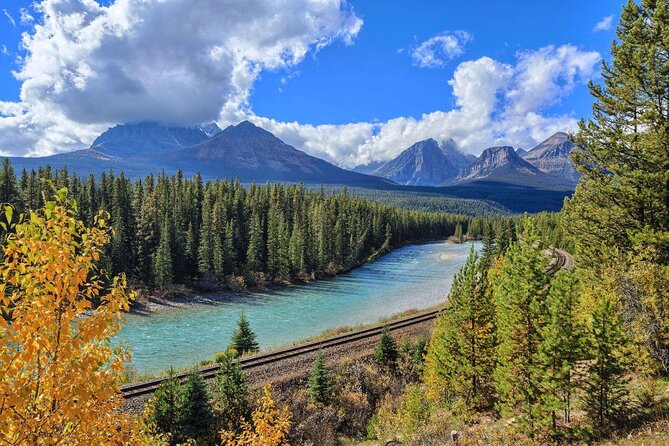
The outing is connected with Banff National Park, and Johnston Canyon is one possible climbing area. Johnston Canyon is a useful setting for this kind of experience because it combines access to dramatic frozen water with the larger scenery of the Canadian Rockies.
One reported outing involved about a 20-minute hike to an ice wall near Johnston Canyon. That short approach is worth keeping in mind. You are not stepping out of a vehicle directly onto the climb. You may need to carry or wear equipment while walking to the wall, and crampon travel can feel awkward at first.
The icefall location can vary. That is not a flaw by itself. Frozen waterfalls change with temperature, snow, ice quality, and safety conditions. A flexible location plan allows the guide to choose a suitable site rather than force every group onto the same wall.
Grassi Lakes is also named in the itinerary, along with Banff National Park and Johnston Canyon. You should treat these as areas connected with the outing rather than promise that you will spend equal time at all three. The climbing site is not fixed, and the day is centered on getting you safely onto appropriate ice.
The scenery is a major part of the value. You spend a full day outside among mountain peaks, frozen waterfalls, and winter forest. Still, this is not a sightseeing bus tour. Your attention will often be on your feet, tools, rope, and the next move.
The guide makes the difference
A mountain guide can turn a complicated sport into a manageable first lesson. The guide handles the setup, explains the systems, checks the equipment, and helps you climb. Professional mountain guides listed for the program hold ACMG or IFMGA credentials.
Two guide names connected with this outing are Shea and Nolan. Shea worked with a beginner group on knot tying, belaying, and the first climbs near Johnston Canyon. Nolan guided an outing in very cold conditions and was praised for working hard despite the temperature.
That cold-weather example also gives you a useful warning. A day at minus 24 Celsius can be too cold for comfortable climbing, and the activity may be cut short. You should check the forecast before committing to a winter climbing day and bring realistic expectations about how much time you may actually spend on the wall.
The guide can also help match the day to the group. A complete beginner needs more time with foot placement and basic movement. An experienced climber may want to work on technique or progress to advanced skills. This ability to adjust the lesson is one of the strongest reasons to choose a guided program instead of trying to arrange a climb without instruction.
Same base, a different sort of day:
- Lakes Moraine, Louise, Emerald, Johnston Canyon & Yoho Tour
★ 4.8 · 1,023 reviews - Lake Louise, Moraine Lake and the Icefields Parkway Full-Day Tour
★ 5.0 · 836 reviews - Banff: Lake Louise, Moraine, Emerald Lake & Johnston Canyon
★ 4.9 · 808 reviews - Banff: Lake Minnewanka Cruise
★ 4.7 · 791 reviews
Gear, clothing, and what you need to bring
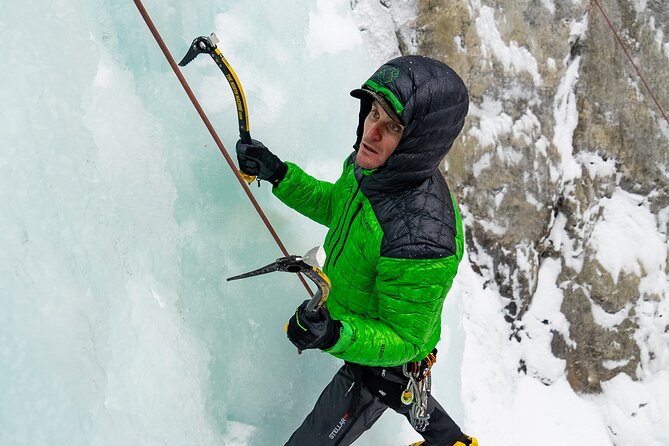
The climbing equipment is included. That covers:
- Helmet
- Harness
- Ice tools
- Crampons
- Climbing boots
This saves you from buying or renting the most specialized equipment for a single outing. It also means the guide can fit you with the gear used for the planned climb.
Lunch is not included. Bring food and water for a full morning and afternoon outside. The supplied details do not specify a clothing list, so you should plan for serious winter conditions and ask the operator what personal layers and accessories are required before the day begins.
The footwear deserves attention. Climbing boots and crampons are part of the provided kit, but walking in crampons is a skill of its own. Lift your feet carefully and follow the guide’s instructions. It is not a normal winter walk.
You also need to be ready for a short approach to the ice. One outing involved roughly 20 minutes of hiking near Johnston Canyon. That may sound easy, but carrying gear in winter can make it feel longer.
The transportation issue you should solve early
The meeting point is 229 Bear Street in Banff, with a 7:45 am start. The activity ends back at that meeting point.
Private transportation to the climbing site is required. This is the biggest logistical point to settle before booking. The climbing area may be outside the town meeting point, and transport arrangements are not included in the price.
One participant had trouble finding the office because it was on the lower floor of an indoor mall. Another practical concern was not knowing in advance how the ride to the climbing site would be arranged. You should confirm the meeting instructions and transportation plan before the morning of the climb.
The office is near public transportation, but that does not solve the ride to the icefall. Ask specifically where you need to go, how you will reach the climbing area, and what happens at the end of the day. A little planning here can prevent a stressful start.
Is $194.36 a fair price?
At $194.36 per person, this is not a cheap winter activity. You are paying for a professional guide, specialized equipment, instruction, rope systems, site setup, and most of a day in the mountains.
For a first-time climber, that package can make sense. Buying or renting ice tools, crampons, boots, and a harness separately would add cost and effort. You also gain a safer introduction to a sport with technical equipment and real exposure to cold conditions.
The price is less attractive if you expect a long, uninterrupted climb. Travel to the site, fitting gear, safety instruction, rope setup, and weather can reduce actual time on the wall. The day is valuable as a complete introduction, not simply as seven hours of climbing.
The maximum group size is 12. That is not a private lesson, and the amount of individual coaching can depend on how many people are climbing and how quickly the group moves. Still, professional guides and a structured top-rope session provide a reasonable base for beginners.
I would judge the price by your goal. If you want to try waterfall ice climbing without buying equipment or arranging technical support, the cost is easier to justify. If you mainly want mountain views and a few easy photographs, a less expensive Banff winter activity may suit you better.
Who should book this Banff ice climb?
This experience fits you best if you want an active day and are willing to learn a new skill. It suits complete beginners, couples or friends seeking an unusual story, and climbers who want time on Canadian Rockies ice.
It can also work for mixed-skill groups because the program is customizable. A beginner can learn the basics while a more experienced participant may move toward harder techniques. The guide still needs to balance the whole group, so advanced climbers should not expect a private performance session.
You should be comfortable spending a long winter day outdoors. Extreme cold can affect enjoyment and may shorten the program. If you dislike cold, physical effort, heights, or waiting while other people climb, this may not be your best Banff outing.
The activity is described as suitable for most participants, but the available details do not give a specific age, weight, or medical restriction list. If you have concerns, ask the operator before booking.
Booking timing, cancellation, and small practical details
The experience is commonly booked about 23 days ahead, so reserve early if your Banff dates are fixed. Confirmation is provided when you book, and the tour is offered in English.
You can cancel up to 24 hours before the experience for a full refund. That policy is useful in winter, when weather can change quickly, but it does not remove the need to ask about transport and site conditions before your start date.
The activity has a 3.3 rating from 12 published ratings, which suggests a mixed experience rather than universal approval. The strongest praise focuses on the guides, the safety instruction, and the unusual chance to climb real ice. The clearest concerns involve office communication, transport uncertainty, and very cold weather.
Should you book the Ice Climbing Adventure in Banff?
Book it if you want a real introduction to waterfall ice climbing, not a passive winter attraction. The included equipment, ACMG or IFMGA mountain guides, adaptable instruction, and full-day format give you a solid way to try the sport without assembling your own gear system.
Before paying, confirm the exact icefall location, private transportation plan, weather policy, and personal clothing requirements. Pack lunch, arrive early at 229 Bear Street, and prepare for a cold approach to the wall.
I would choose this outing for the chance to learn belaying, crampon movement, and ice-tool technique under professional supervision. I would skip it if you want guaranteed climbing time in mild weather or dislike sorting out transportation. For the right person, reaching the top of a frozen wall is a memorable Banff story, even if your arms and boots need a long rest afterward.
FAQ
How long does the Ice Climbing Adventure in Banff last?
The experience lasts approximately seven hours and is described as a full-day program.
Where does the activity start and end?
You meet at 229 Bear Street, Banff, Alberta, at 7:45 am. The activity ends back at the same meeting point.
Is private transportation included?
No. Private transportation is needed to reach the climbing site and is not included.
Is lunch provided?
No. Lunch is not included, so you should bring your own food for the full-day outing.
What climbing equipment is included?
The price includes a helmet, harness, ice tools, crampons, and climbing boots.
Can a complete beginner participate?
Yes. The program is suitable for complete beginners and teaches basic safety, crampon walking, belaying, knot work, and movement on steep ice.
Can experienced climbers learn advanced skills?
Yes. During a full-day or two-day program, the group may progress to advanced movement, placing ice screws, building V-threads, mock leading, and rappelling.
How large is the group?
The activity has a maximum of 12 participants.
Just added in Banff
- Rock Climbing Adventure in Banff: Beginner★ 5.0 · 19 reviews
- Moraine Lake, Louise Emerald Lake, and Peyto Lake all in day tour★ 5.0 · 12 reviews
- Discover Lake Louise and Yoho In Winter★ 5.0 · 72 reviews
- Wildlife on the Bow | Big Canoe Tour★ 4.5 · 13 reviews
- Wildlife on the Bow | Big Canoe Tour in Banff National Park★ 5.0 · 77 reviews
- Grassi Lake and Grotto Canyon Hiking Calgary/Canmore/Banff★ 5.0 · 5 reviews
- Banff Town Walking Tour Includes Refreshment and Sweet Treat★ 5.0 · 29 reviews
- Banff Sunshine Village Gondola and Sightseeing★ 5.0 · 192 reviews
Tours in Banff, compared.
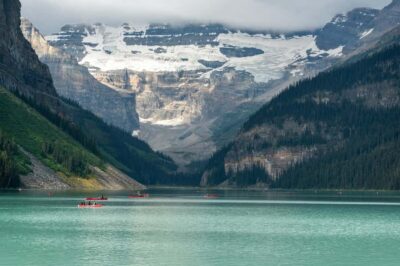
Lakes Moraine, Louise, Emerald, Johnston Canyon & Yoho Tour
Read our review →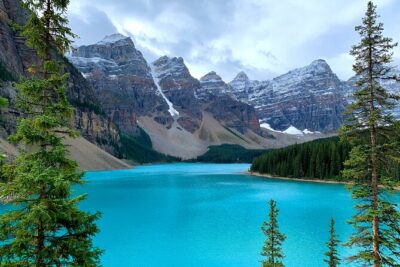
Lake Louise, Moraine Lake and the Icefields Parkway Full-Day Tour
Read our review →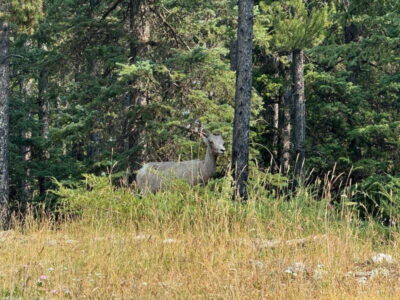
Lake Louise, Moraine, Emerald Lake & Johnston Canyon
Read our review →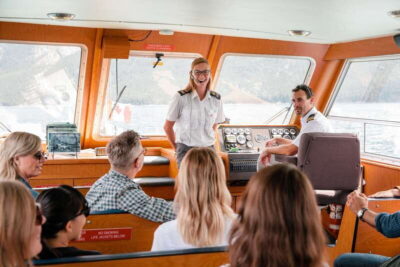
Banff Highlights & Wildlife | Award-Winning Small Group Adventure
Read our review →Browse the lists this tour appears in