
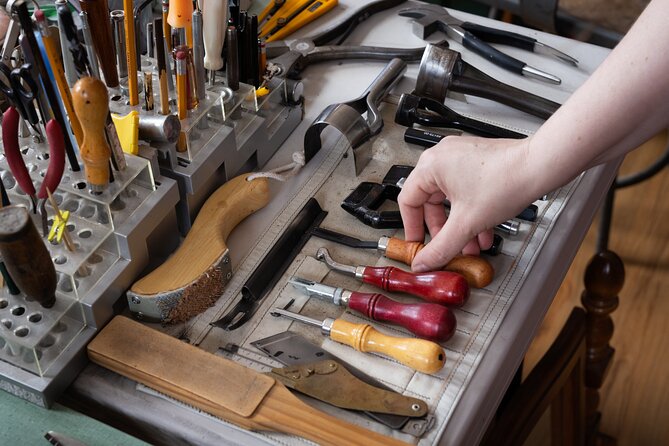
Reviewed · TOURS IN MONTREAL
Leather belt making workshop
Making a belt by hand gives you more than a souvenir. At Flechr studio, designer Kimberly Fletcher walks you through the full process, from choosing leather to adding the finishing touches, so you leave with a useful accessory made by you.
I like the small four-person limit, which should give you room to ask questions, and I like the honest beginner-friendly format. You do not need leatherworking experience, and the class covers real techniques rather than offering a quick craft project. The main consideration is noise: a few hammer blows are needed, so this may not suit anyone highly sensitive to sound.
Key points to know
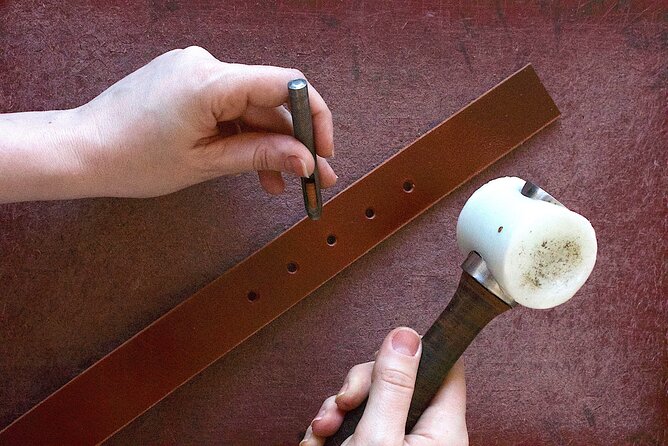
- Make a wearable belt from start to finish: Learn to select, cut, shape, assemble, and finish the leather.
- Work with designer Kimberly Fletcher: Her patience, humor, and hands-on guidance are central to the class.
- Small group of four or fewer: Expect a more personal workshop than a large craft lesson.
- Beginner-friendly format: No previous leatherworking experience is needed.
- Allow about two and a half hours: The class gives you time to complete several stages, not just decorate a ready-made item.
- Plan for light hammering: A few hammer blows are part of making the belt.
A Montreal workshop built around making, not watching
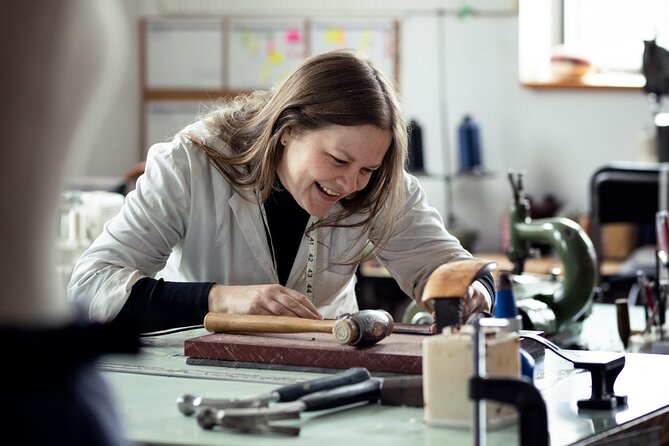
Many craft activities let you try one small step, then send you home with something partly prepared. This workshop takes a fuller approach. You learn how a leather belt comes together and take part in the key stages yourself.
The setting is Flechr studio at 5450 Rue de Bordeaux, in Montreal’s Plateau Mont-Royal district. The class is offered in English and lasts about two hours and thirty minutes. Since the activity begins and ends at the same address, you do not need to keep track of several stops or fit complicated transfers into your afternoon.
That simple format is useful in Montreal. You can treat the workshop as a focused block in your day, then continue exploring the Plateau afterward. Public transportation is nearby, though the supplied details do not specify the best route or closest station, so check your map before leaving.
The group size is capped at four people. That matters here. Leatherwork involves tools, measurements, and small decisions that are easier to handle when the instructor can watch your progress. You are not likely to get lost in a crowd or spend most of the session waiting for help.
A few more things to do in Montreal worth a look
- The Bagel Class presents : Montreal Bagel Making Workshop!
★ 5.0 · 463 reviews - Montreal: Cooking Class & Lunch with Michelin-Trained Chef
★ 4.4 · 32 reviews - Montreal Cooking Class & Wine Tasting with Michelin Chef Robert
★ 4.5 · 14 reviews
Starting with leather selection
The first useful lesson is choosing the right type of leather. This is easy to overlook when buying a belt in a shop, where the material, thickness, and finish have already been selected for you. In this class, you get to understand how those choices affect the finished item.
Kimberly Fletcher guides you through the options and explains what works for a belt. The available information does not list the exact leather types or colors, so you should not arrive expecting a specific shade or material unless you confirm it with Flechr before booking.
This first stage gives the project a personal angle. You are not simply following a fixed kit. You are making choices that help shape the final accessory. For a beginner, that is a useful introduction to how leather goods are designed.
I would pay close attention here. The choice of leather affects how the belt looks, how it feels, and how well it suits the finished purpose. Even if you never take another leather class, this kind of basic material knowledge can help you judge handmade goods more clearly.
Cutting and shaping your own belt
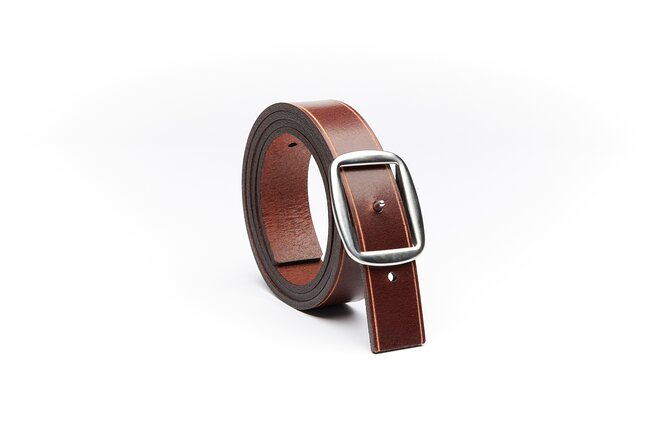
The next part moves from planning to hands-on work. You learn how to cut and shape the leather for the belt. This is where the workshop becomes more than a demonstration.
Cutting leather requires care. A straight, clean piece gives the belt a more finished appearance, while rough edges can affect the final result. Kimberly’s role is to guide you through the process so you can work with confidence instead of guessing at each step.
The class is aimed at beginners, so you are not expected to arrive with a tool kit or previous practice. That makes it a sensible choice if you have always been curious about leatherworking but have never known how to begin.
Still, this is a craft class, not an instant result. You will need to pay attention and follow directions. If you prefer a relaxed activity where the instructor does most of the work, this may feel more involved than expected. If you like learning by doing, that involvement is the point.
The process also gives you a better sense of the value behind handmade leather goods. A belt may look simple, but preparing the material takes judgment and care. By doing the work yourself, you can see why a well-made leather accessory is not just a strip of material with a buckle attached.
Assembling the belt, including the hammering
Once the leather has been prepared, you assemble the pieces into a belt. The class includes a few hammer blows, so you should expect some brief tool noise during the session.
This is an important practical note for anyone with high sensitivity to sound. The hammering is not a side detail, since it is needed to create the belt. If noise is a concern, ask Flechr about the exact workshop setup before booking. Service animals are allowed, but the class information does not provide further details about the studio layout or noise level.
For most people, the hammering should be a small part of the larger process. It also gives the workshop a satisfying physical quality. You are not only choosing materials or watching a craftsperson work. You are helping fasten and shape the object yourself.
The assembly stage is where patience matters. A belt needs to be durable as well as attractive, and the class teaches you how the pieces come together for that reason. You should expect Kimberly to correct or guide your technique as needed. The small group makes that kind of support more realistic than it would be in a packed class.
A participant described Kimberly as patient, humorous, and highly skilled, with those qualities making it easier to create a personal piece. That is useful guidance for anyone nervous about making a mistake. A warm instructor can make a technical craft feel approachable, especially when the project is something you will wear.
Same base, a different sort of day:
- Montreal: Guided Bus Tour
★ 4.4 · 3,064 reviews - Montreal: Hop-On Hop-Off Double-Decker Bus Tour
★ 4.1 · 2,760 reviews - From Montreal: Quebec City and Montmorency Falls Day Trip
★ 4.5 · 2,669 reviews - Montreal Mile End Authentic Food Tour with 7 Delicacies Tastings
★ 5.0 · 2,598 reviews
Finishing touches that make it yours
The final stage focuses on finishing the belt and giving it a personal look. The exact finishing techniques are not specified, so the available options may depend on the materials and the class setup on your chosen date.
What matters is that you are not limited to producing a completely identical item. The course allows room to make the belt unique, which gives the finished piece more meaning than a standard souvenir bought from a shop.
This is also the stage where you can see how small details change the character of leather. A clean edge, careful finish, or personal design choice can make a basic belt look polished. You will learn the principles, then apply them with Kimberly’s direction.
I like that the result is practical. You are not making an object that needs to sit on a shelf because it has no use. A belt is a wearable accessory, and the finished item can remind you of Montreal while still serving a purpose at home.
Do not expect factory-level perfection on your first attempt. Handmade work may show small signs of the maker, and that is part of its appeal. The goal is to learn the method and create something durable and personal, not to imitate a mass-produced item.
What the two-and-a-half-hour schedule means
The listed duration is approximately two hours and thirty minutes. That is long enough for a proper introduction to the process, but short enough to fit into a day of sightseeing.
You should arrive ready to focus. The time includes several stages: selecting leather, cutting and shaping it, assembling the pieces, and finishing the belt. None of those steps should be rushed if the class is to remain useful.
The duration also makes the workshop a good choice for visitors who want an activity with substance but do not want to spend an entire day indoors. It gives you a break from museums and walking without turning into a major commitment.
Because the class ends where it begins, planning is straightforward. The information does not say how much time you will have between stages or if there is a break, so do not assume a meal break is included. If you need food or a strict schedule afterward, leave some extra time.
The workshop is recommended for ages 13 and up. That makes it suitable for many families with teenagers, adult friends, couples, and solo visitors who enjoy practical activities. Younger children are not the target audience, and the use of tools means adults should consider the individual child’s comfort and attention span before booking.
The value of leaving with a handmade accessory
The price is not provided here, so I cannot give you a precise cost comparison. I would judge the value in three parts: instruction, materials, and the finished belt.
First, you receive guided teaching from a working Montreal designer rather than simply borrowing a few tools and following a printed sheet. That instruction has value for a beginner, especially when the craft involves cutting and assembly.
Second, the materials are part of the experience. You are learning how to choose and work with leather, not just paying for a finished object. The belt itself is the physical souvenir, but the techniques are the part you can carry into future projects.
Third, the finished item is useful. A handmade belt may cost more than a basic shop purchase, but it also represents your time and effort. If you want the cheapest possible belt, this is not the right way to shop. If you want a personal Montreal activity that produces something you can use, the value is stronger.
I would also consider the group size when judging the price. A maximum of four people means the session is designed for personal guidance, not high-volume instruction. Before booking, check what is included in the listed price and confirm any details about leather choices or finishing options if those matter to you.
Who will enjoy Flechr’s belt workshop
This class should suit you if you like practical travel experiences, small groups, and souvenirs with a story behind them. It is especially appealing if you enjoy learning a skill instead of only taking photographs or buying a finished product.
Beginners are welcome. You do not need to have cut leather, used craft tools, or made accessories before. Kimberly guides you through the process, and the four-person limit should help you get support when a step feels unfamiliar.
It is also a good fit for visitors who appreciate independent design. The class takes place in Kimberly Fletcher’s studio, so the experience connects you with a local maker and her craft practice.
You may want to skip it if you strongly dislike hands-on work, need a completely silent activity, or have only a narrow window between other plans. The hammering is brief but necessary, and the class requires attention for several stages.
The activity is offered in English. Service animals are allowed, and the location is near public transportation. The supplied information does not describe wheelchair access, restroom facilities, parking, or the full range of sensory conditions, so contact the provider if any of those details affect your decision.
Booking and cancellation details that matter
Confirmation is provided when you book, and the activity uses a mobile ticket. Keep the ticket available on your phone when you arrive at 5450 Rue de Bordeaux.
Free cancellation is available if you cancel at least 24 hours before the local start time. Cancellations made less than 24 hours ahead are not refunded, and late changes are not accepted. The class also requires a minimum number of participants. If that minimum is not reached and the activity is canceled, you are offered another date or experience, or a full refund.
Those rules are fair but worth noting if your Montreal schedule is still changing. Book once your plans are reasonably firm, and keep the 24-hour cutoff in mind.
Should you book this Montreal leather belt class?
I would book this workshop if you want a small, personal activity that leaves you with something useful. The strongest reasons are the limited group size, the full belt-making process, and Kimberly Fletcher’s patient, encouraging teaching style.
You should approach it as a real beginner craft lesson, not a quick souvenir stop. You will spend time choosing leather, cutting, shaping, assembling, and finishing it, with a few hammer blows along the way.
For a visitor who values local design and hands-on learning, this is a smart way to spend two and a half hours in Montreal. For anyone seeking a quiet activity, a child-friendly class for young children, or the lowest-cost belt available, it may not be the best match. Check the price and material details before booking, then reserve with enough time to keep the cancellation policy on your side.
FAQ
Where does the leather belt workshop take place?
The workshop takes place at Flechr studio, 5450 Rue de Bordeaux, Montréal, Quebec H2H 2A8, Canada.
How long does the class last?
The activity lasts approximately two hours and thirty minutes.
Is the workshop suitable for beginners?
Yes. No previous leatherworking experience is required, and Kimberly Fletcher guides you through the process.
What will I learn during the class?
You learn how to select leather, cut and shape it, assemble the belt, and use finishing techniques to make it unique and durable.
How many people can attend?
The workshop has a maximum of four participants.
Can I cancel for a refund?
Yes, if you cancel at least 24 hours before the experience start time. Cancellations made less than 24 hours in advance are not refunded.
Just added in Montreal
- Winter Express: Old Montreal Highlights Walking Tour★ 5.0 · 119 reviews
- Under the Surface of Montreal’s Chinatown: Guided Food Walking Tour★ 5.0 · 23 reviews
- Montréal Downtown and Underground City Private Walking Tour★ 5.0 · 47 reviews
- In the Shadow of the Mountain: Montreal Jewish History Walking Tour★ 4.5 · 33 reviews
- Montreal Premium Driving Tour with River Cruise and Notre Dame★ 4.5 · 164 reviews
- Full Day Family Bike Rental★ 5.0 · 17 reviews
- The Ultimate Montreal Boat Tour – Fall Colors Apéro Edition★ 4.5 · 31 reviews
- Day at Mont-Tremblant National Park★ 4.0 · 5 reviews
Tours in Montreal, compared.

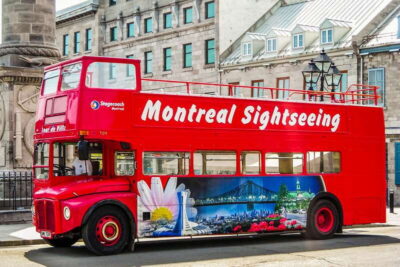


Montreal Mile End Authentic Food Tour with 7 Delicacies Tastings
Read our review →
The Original Old Montréal Walking Tour by Guidatour
Read our review →
Old Montreal Small-Group Walking Tour | Max 10 | by MTL Detours
Read our review →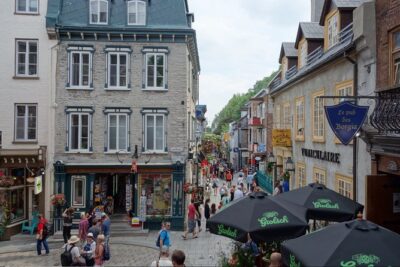
Montreal City Sightseeing Tour with Live Commentary
Read our review →
Browse the lists this tour appears in