
Reviewed · CANOES & KAYAKS
Algonquin Park: Deluxe 4-Day/3-night Canoeing/Camping
Algonquin Park’s best moments often come when the schedule gets quiet: a beaver lodge around a river bend, stars above a dark lake, or a loon calling before breakfast. This four-day canoe trip gives you those moments while keeping the same campsite as your base, so you avoid packing up camp every morning. I especially like the night paddle and the sunrise outing, two simple ideas that make the park feel much bigger than a standard daytime canoe ride.
I also like the friendly scale. With no more than 10 people, you get time with guide Baz, who has led more than 700 Algonquin excursions, and you can settle into a small outdoor group. The big consideration is comfort: this is rugged camping with no electricity, internet, or cell service, plus wood cutting and daily paddling. The $321 price is fair for the equipment, guide, park fees, camping setup, and eight meals, but this is not a soft-bed wilderness retreat.
Key points to know before you go
- A base camp keeps the trip relaxed: Stay at one campsite while paddling about 9 kilometers in a different direction each day.
- Night and sunrise paddles add real variety: You see the park in darkness and early morning, not only during the busiest daylight hours.
- The beaver outing is a special target: Follow a narrow, winding river to a natural lodge and dam.
- Food is part of the value: The four-day trip includes eight meals, along with cups, plates, utensils, and toilet paper.
- The group stays small: A maximum of 10 participants makes instruction and conversation easier.
- Plan for a true digital break: There is no electricity, internet, or cell phone service at camp.
Starting at Canoe Lake with the right expectations
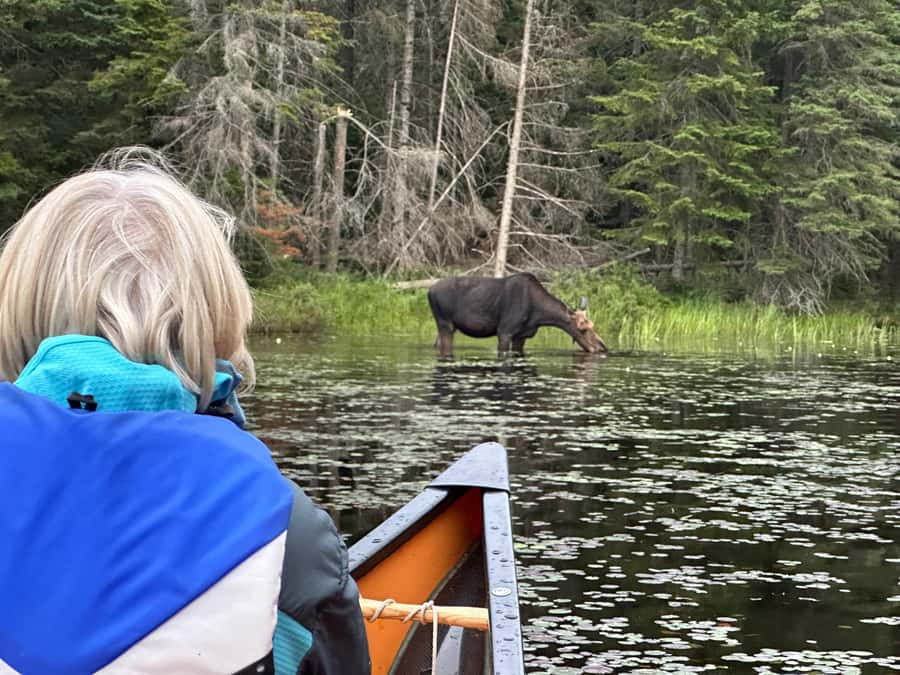
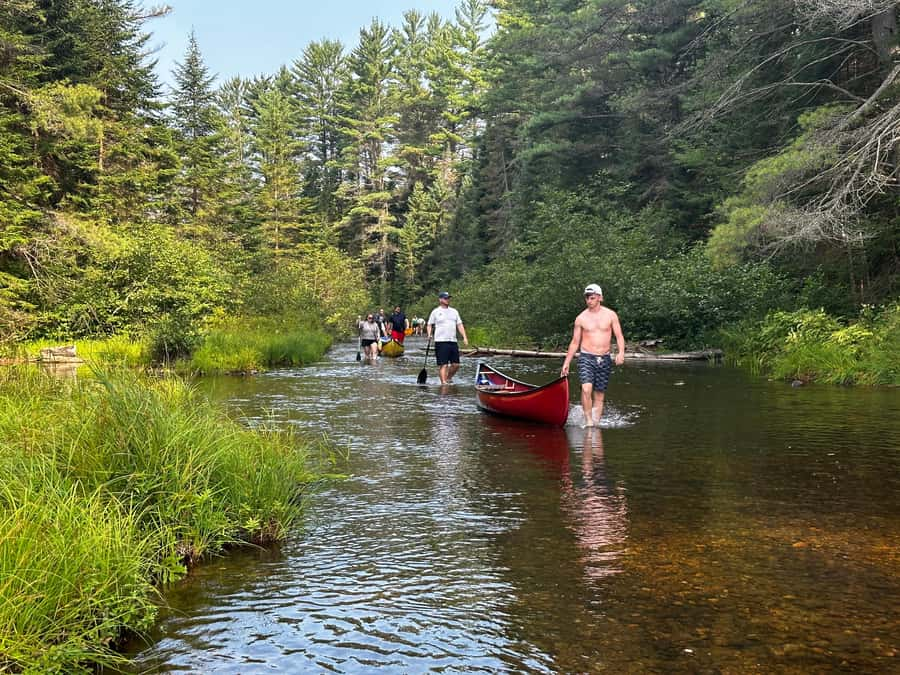
You meet at Canoe Lake beach, Access Point 5, inside Algonquin Park. Look for a van pulling a canoe trailer loaded with red, yellow, and blue canoes. Since transportation to the park is not included, you need to arrange your own way there, and overnight parking also costs extra through the required permit.
That meeting detail matters more than it may seem. Algonquin is large, and a park access point is not the sort of place where you want to arrive late and start searching. Build in time for parking, finding the beach, and getting your personal gear ready before the group leaves.
The first steps are practical. You receive a canoe, life jacket, paddle, tent, cot or airbed, and sleeping bag. A basic paddle lesson is included, so you do not need expert canoe skills. Still, you should be comfortable sitting in a canoe, handling a paddle, and spending several hours outdoors.
The group limit of 10 is a real advantage here. You are not lost in a large commercial outing, and the guide can keep an eye on different skill levels. Baz is the named guide for this experience, with more than 700 Algonquin excursions behind him. That kind of local field time is useful when weather, wildlife, or water conditions change the rhythm of a day.
Other paddling trips in Canada:
- Banff National Park Big Canoe Tour
★ 5.0 · 303 reviews - From Toronto: Algonquin Park Canoeing & Hiking Adventure
★ 4.6 · 291 reviews - Banff National Park: Big Canoe River Explorer Tour
★ 4.7 · 286 reviews
Four days based around one campsite
The clever part of this trip is the base-camp plan. You stay at the same campsite and explore about 9 kilometers in a different direction each day. That means less time hauling tents and sleeping gear from one site to another, and more time enjoying the water.
You still work. Expect about two to three hours of paddling per day, along with wood cutting and the ordinary jobs that make a wilderness camp function. That balance is important. You are not spending every waking hour in a canoe, but you are also not being carried through the park as a passive observer.
Day one: Getting on the water
The opening day is about learning the pace of camp. You get organized, receive the basic paddle instruction, and begin traveling by canoe. The first outing helps you understand how much effort canoeing takes, how the group moves together, and what life without a phone signal feels like.
You may find the first few hours more physical than expected. Two to three hours of paddling is manageable for many people, but it still uses your shoulders, arms, and core. Comfortable clothing, a water bottle, sunscreen, insect repellent, and weather-ready layers will make the transition much easier.
The campsite becomes your home for the next three nights. Tents, cots or airbeds, sleeping bags, campfire cooking, and shared chores create a simple routine. The setup is practical rather than luxurious, which is exactly why this trip works best for people who want a genuine break from daily screens and schedules.
Day two: The beaver lodge and winding river
One of the most distinctive outings follows a narrow, winding river to a natural beaver lodge and dam. This is more than a quick wildlife photo stop. The route itself changes the feel of the paddle, taking you away from broad open water and into a tighter, slower setting.
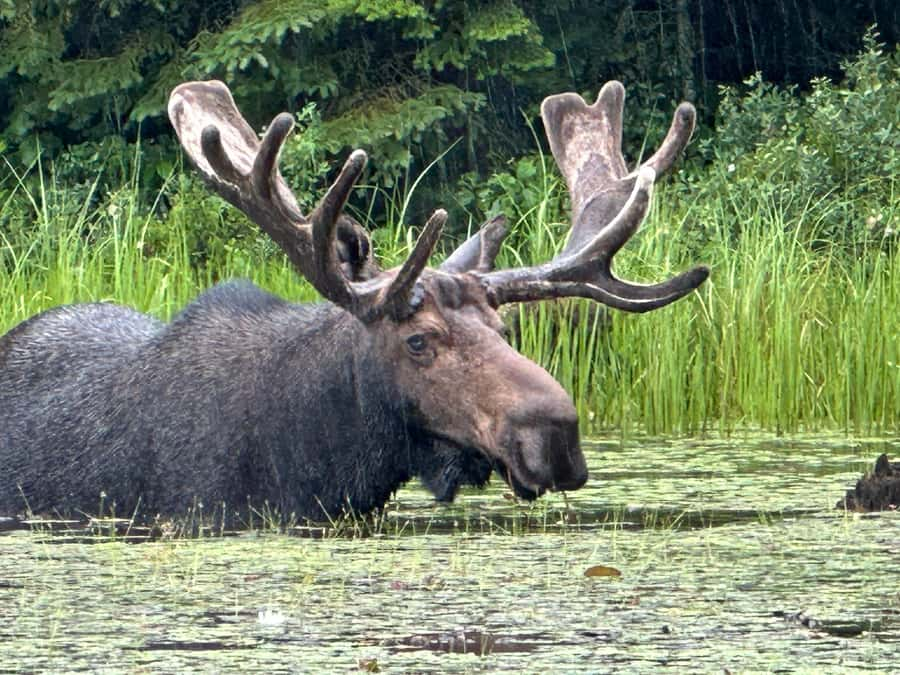
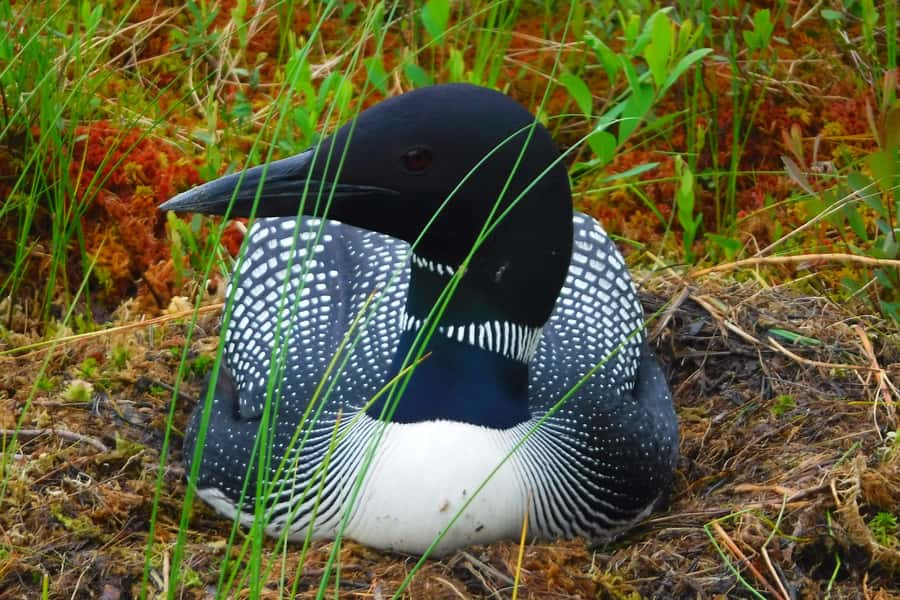
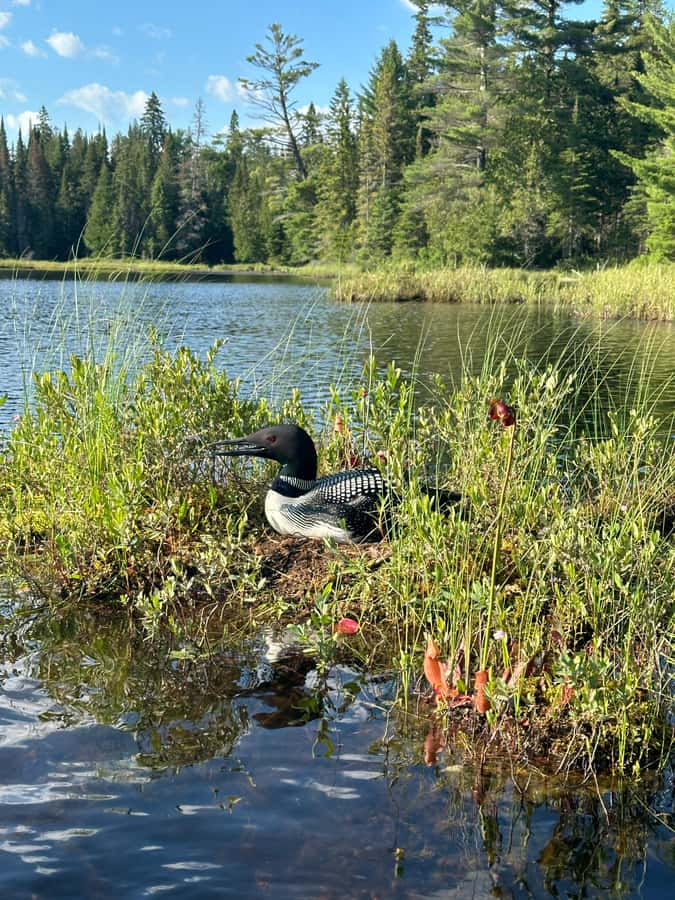
Beavers are not guaranteed to perform on command, but the lodge and dam give you a strong chance to see evidence of their work. You may also search for snapping turtles, loons, herons, and moose during the trip. Wildlife watching rewards patience, so keep your eyes open and your voice low rather than expecting a nonstop animal show.
The beaver outing also shows why a guided trip can be worth paying for. A guide who knows the waterways can help you notice tracks, movement, dams, and birds that you might pass without seeing. You still need luck, but local attention improves your chances.
A few more things to do in Canada worth a look
- Yukon Aurora Viewing Package | 4 days
★ 5.0 · 35 reviews - Algonquin Park 4-Day Deluxe Camping & Canoeing Adventure
★ 5.0 · 33 reviews - From Vancouver:4-Day Columbia Icefield & Banff National Park
★ 4.1 · 25 reviews - Southern Lakes Canoe Trip – 4 Day
★ 5.0 · 23 reviews
Day three: Night water and a sky full of stars
The night paddle is the experience’s most memorable twist. On a dark lake, familiar shorelines take on a different shape, and the absence of electric light makes the sky part of the outing. It is a quiet activity, not a loud party excursion, so the rules against excessive noise make sense.
You should bring a flashlight, even though it is not supplied. The equipment list specifically asks you to provide one, along with personal hygiene items and suitable water shoes or sandals. Bare feet are not allowed, and water shoes are a smart choice for canoe entries, swimming, and wet shorelines.
The night outing depends on conditions and the group’s pace, so do not treat it like a guaranteed astronomy program with a fixed show. Its appeal is simpler: paddling after dark, hearing the water, and seeing the stars away from city light. That alone can reset your sense of time.
Day four: Sunrise, swimming, and the last paddle
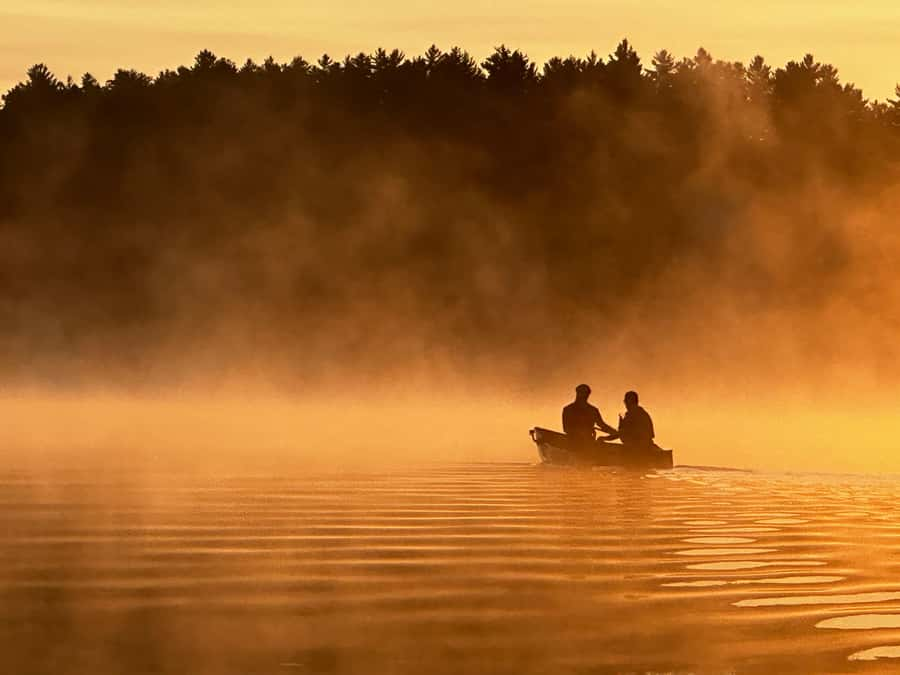
The sunrise paddle uses the same water in a completely different mood. Early light can make the lake feel still and spare, while morning wildlife activity gives you another chance to spot loons, herons, beavers, or perhaps a moose.
The trip also includes swimming in clear lakes and jumping from cliffs at a scenic location. These activities bring some welcome play to the paddling and camp chores. They are not compulsory, and you should be honest about your comfort level before jumping or swimming. The supplied information does not give a cliff height or water depth, so ask the guide for the current safety advice before taking the leap.
The final day is also when the base-camp arrangement pays off. You have not spent the whole trip breaking down and rebuilding camp, so the end feels more like a last outing than a long equipment-moving exercise.
What camping here really means
The word deluxe needs a little explanation. You get a tent, cot or airbed, sleeping bag, cooking equipment, dishes, utensils, toilet paper, park registration, and guided support. Those inclusions remove much of the planning burden from a normal canoe-camping trip.
You do not get electricity, internet, or cell service. That is either the main attraction or the biggest drawback, depending on your habits. I like the forced pause, but you should tell family or friends at home that you will be unreachable and finish urgent messages before arriving.
You will also help cut wood and take part in camp life. That makes the trip feel more real, but it means you should not arrive expecting hotel service. The campsite is a wild, rugged base, and your comfort depends heavily on packing well.
Bring:
- Swimwear and water shoes
- Hiking shoes
- Comfortable, weather-appropriate clothing
- Sunscreen and insect repellent
- A reusable water bottle and extra water for the start
- A flashlight
- Personal hygiene items, including a toothbrush
- A backpack for your belongings
Alcohol and drugs are not allowed, including alcoholic drinks in the vehicle. Feeding animals is prohibited, and noise should be kept down. These rules protect the group and the park, especially during wildlife viewing and night paddling.
Eight meals help explain the $321 price
At $321 per person, this trip sits in a reasonable range for a guided four-day wilderness outing. You are not only paying for canoe rental. The cost includes the canoes, life jackets, paddle lesson, guide, tent, cot or airbed, sleeping bag, park registration fees, and eight meals for the four-day trip.
Food received especially strong praise from Ludo, who described the menu as excellent. That matters on a canoe trip. Preparing all your own meals adds planning, weight, and cleanup, while included food lets you focus on paddling and camp life.
The price still does not cover transportation to Algonquin Park, medical insurance, travel insurance, an overnight parking permit, water shoes, a flashlight, a backpack, or personal supplies. Add those costs before comparing this trip with a self-guided rental.
For a first canoe-camping trip, the package can offer good value. You avoid buying or renting several large pieces of equipment, and you have a guide to organize the route and activities. For experienced campers who already own a canoe and full camping kit, a self-guided trip may cost less, but it will require more work and planning.
Who will enjoy this Algonquin trip most
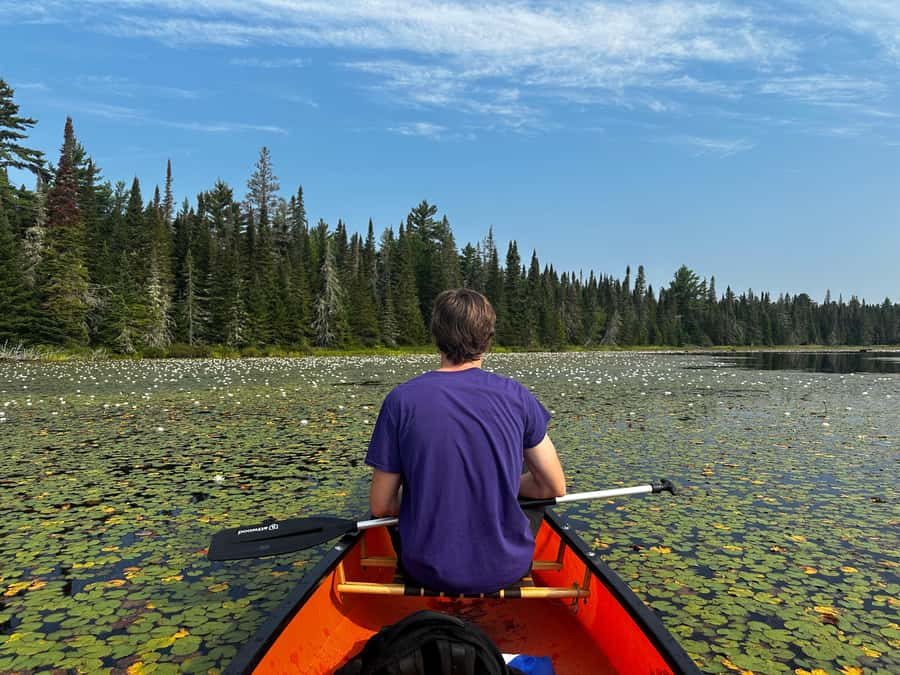
This experience suits families with children six and older, couples, friends, and solo participants who are comfortable sharing a small group and helping with camp tasks. The variety keeps it from feeling like four identical days: river paddling, wildlife searches, swimming, cliff jumping, a night paddle, sunrise, and campfire time all have a place.
Solo participants can benefit from the small group, since the trip provides company without the scale of a large tour. Couples and friends should know that wilderness camping tests patience as well as fitness. Wet gear, insects, chores, and limited privacy are part of the deal.
Children under six cannot join, and the trip is not suitable for people with mobility impairments. There is no stated requirement for advanced canoe experience, since a basic paddle lesson is included, but you should be ready for repeated outdoor activity and several hours of paddling across the four days.
The human side of the experience
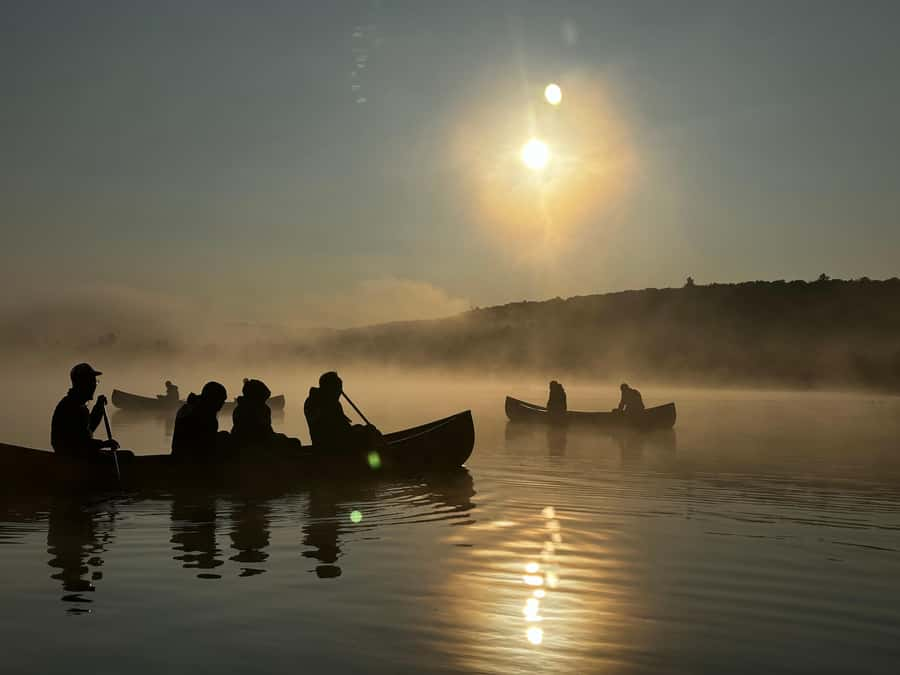
The strongest part of this trip is not one single sight. It is the combination of shared effort and quiet time. Cutting wood, preparing meals, paddling in a small group, and gathering around a fire can make four days feel far removed from ordinary routines.
Simone described the experience as four days in another world and praised Baz for being helpful, attentive, and easy to talk with. That gives you a useful sense of the guide’s role. You are not simply following a route. You can expect guidance, conversation, nature knowledge, and help with the needs that arise in camp.
Baz has also led more than 700 excursions in Algonquin, which is a meaningful advantage for a trip built around small details. The park’s value is often in noticing the beaver activity, the quiet water, or the changing bird calls. A guide can help turn those details into part of the story rather than background scenery.
The tour’s perfect rating is based on five ratings, a small sample, so I would not treat it as proof that every participant will find the trip perfect. Still, the repeated praise for the guide, food, companionship, and full four-day experience matches the design of the outing.
Book it if you want nature, not convenience
I would book this trip if you want a structured introduction to Algonquin canoe camping, enjoy being outdoors for most of the day, and like the idea of putting your phone away. The beaver lodge, night paddle, sunrise paddle, swimming, and cliff jumping give the four days a strong mix of calm and activity.
I would skip it if you need private facilities, dependable phone access, a soft bed, or a tightly controlled schedule. The word deluxe refers to useful camping equipment and included meals, not luxury.
For most people making the call, the key question is simple: can you accept three nights without electricity or service and help with the work of camp? If yes, $321 buys a well-supported wilderness break with a small group, a seasoned guide, and several experiences that are difficult to arrange on a quick park visit.
FAQ
Where does the Algonquin canoe trip meet?
The meeting point is Canoe Lake beach at Access Point 5 in Algonquin Park. Look for a van with a canoe trailer carrying red, yellow, and blue canoes.
How long is the experience?
The tour lasts four days and includes three nights of camping.
How much paddling should I expect each day?
Plan on about two to three hours of paddling per day. The group also spends time on camp chores, wood cutting, wildlife activities, swimming, and other outings.
What meals and camping equipment are included?
The four-day tour includes eight meals, a tent, cot or airbed, sleeping bag, cups, plates, utensils, and toilet paper. Canoes, life jackets, a basic paddle lesson, and park registration fees are also included.
Is there electricity or cell phone service at camp?
No. The experience has no electricity, internet, or cell phone service.
What should I bring?
Bring swimwear, hiking shoes, sunscreen, water, comfortable clothing, insect repellent, water shoes, weather-appropriate clothing, a reusable water bottle, and a flashlight. You must also bring a backpack and personal hygiene items.
Just added in Canada
- 2-Hour Two Castle 1000 Islands Cruise from Ivy Lea★ 4.5 · 24 reviews
- Medway Lakes Canoe Trip 3-Day★ 5.0 · 12 reviews
- Meet The Seals Boat Tour – Travel by boat to a Secret Seal Cove★ 5.0 · 21 reviews
- 20 Minute Scenic Helicopter Private Tour★ 5.0 · 14 reviews
- Wine, Cheese, Chocolate 6 Hour Tasting Tour with Lunch★ 5.0 · 45 reviews
- Wine Tour with Lunch in Niagara-on-the-Lake★ 5.0 · 25 reviews
- Guided Craft Cider Tour in Niagara★ 4.5 · 4 reviews
- Walking Food Tour in Niagara Falls★ 5.0 · 6 reviews
Canoes & Kayaks, compared.
Snorkel, Kayak, and Seal Adventure: Vancouver Boat Tour
Read our review →
Wild Current Canoe Adventure Join a small group
Read our review →
Banff/Canmore Moraine Lake & Lake Louise– Hike, Canoe or Sightsee
Read our review →
Browse the lists this tour appears in