
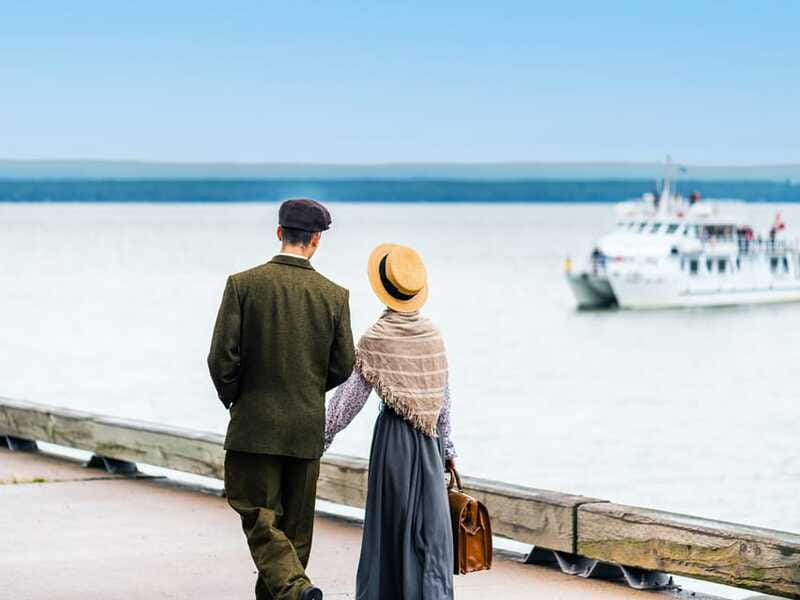
Reviewed · CRUISES & BOAT TOURS
Grosse-Île: Irish Immigrant Memorial Cruise & Tour
Grosse-Île is not just a pretty island in the St. Lawrence. From 1832 to 1937, it served as a quarantine station for immigrants arriving in Canada, many of them fleeing Ireland during the potato famine. The six-hour trip connects that painful story to the river route that brought people here. The former quarantine station is the heart of the visit, with preserved buildings, exhibits, memorials, and costumed interpreters.
I like the captain’s historical talk during the cruise, and I like the strong Parks Canada guiding once you reach the island. The guides explain practical details, such as how clothing was disinfected and how the station operated, instead of giving you a vague history lecture. The main drawback is getting to the marina: parking can be hard to find, traffic can be heavy, and public transport or taxi costs may add noticeably to the $73 ticket.
Key points to know before you go
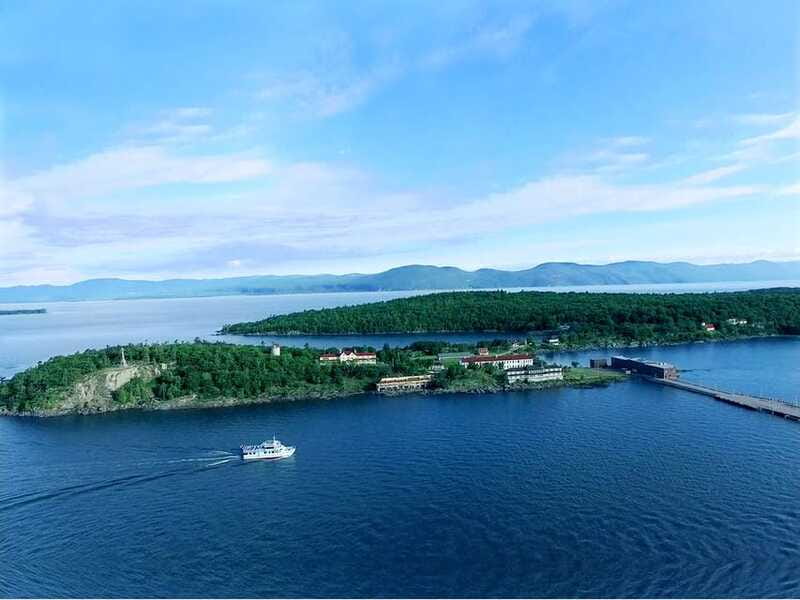
- The cruise is part of the history lesson: The St. Lawrence route helps you understand how immigrants reached the quarantine island.
- Captain Lachance may give the journey a personal touch: His connection to Grosse-Île has added meaning for many visitors.
- Parks Canada guides lead the island visit: Expect preserved buildings, exhibits, memorials, and clear explanations of quarantine procedures.
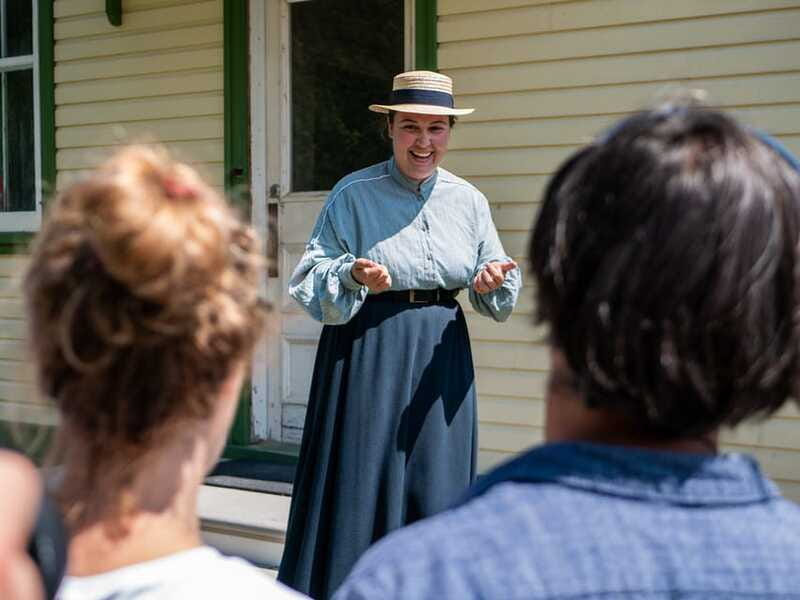
- Costumed characters make the past easier to picture: Their short performances add human detail to an otherwise solemn subject.
- Bring lunch and a credit card: Food and drinks are not included, there is no restaurant on the island, and cash is not accepted on board.
- Plan extra time for the marina: Parking and traffic are real concerns during the busiest months.
Why Grosse-Île matters

Grosse-Île served as an immigration quarantine station from 1832 to 1937. That date range covers a century of arrivals, illness, separation, hope, and loss. The island was not simply a stopping point. It was where newcomers could be inspected, isolated, treated, or turned back before continuing into Canada.
The Irish connection gives the visit much of its emotional weight. Many people come because their ancestors passed through the island, but you do not need a family link to find the story meaningful. The guides explain the wider experience of immigration, including the fear and uncertainty faced by people arriving after a difficult ocean crossing.
The memorial elements make the past personal. One visitor found the name of her great-great-grandmother, Anne Derby, in one of the books and on the glass memorial. That possibility is worth keeping in mind if you have Irish or Canadian family connections. You may not find a relative, but the records and memorials give you a direct way to connect names with a place.
Other boat trips in Quebec City:
- Québec City: Guided Sightseeing River Cruise
★ 4.4 · 3,000 reviews - Quebec City Guided Sightseeing Cruise
★ 4.0 · 894 reviews - Québec City: Evening Cruise with Live DJ
★ 4.2 · 330 reviews
The St. Lawrence cruise sets the scene
The trip begins with a cruise along the St. Lawrence River toward Grosse-Île. The ride is not just transportation. It gives you time to see the waterway and think about the scale of the journey immigrants once faced before reaching the island.
The views depend on the weather, but the river is a major part of the appeal. You see open water, shoreline scenery, and the changing approach to the island. On a clear day, the outward trip is a pleasant way to settle into the subject before the more serious walking tour begins.
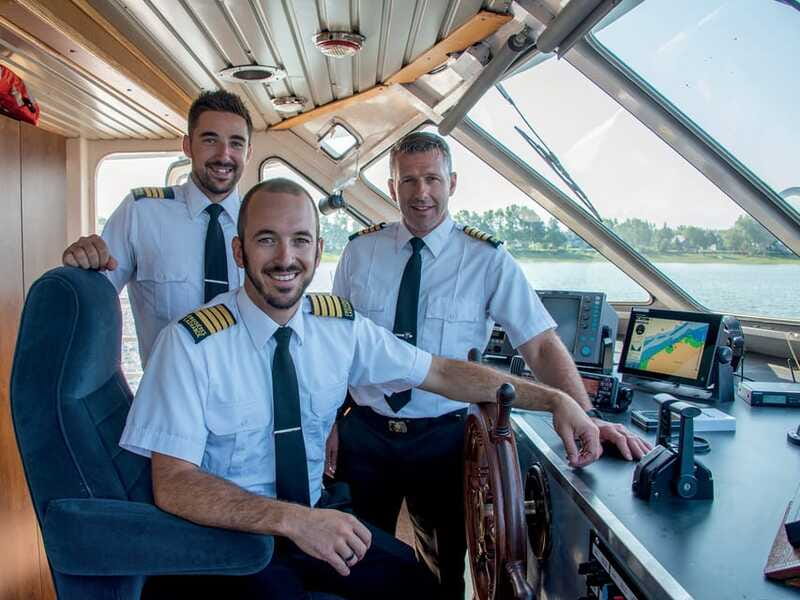
Listen closely to the captain’s talk. Captain Lachance has explained the island’s importance, local history, and immigrant stories while bringing the river route into the discussion. One particularly appreciated detail is his personal connection to Grosse-Île. That kind of local perspective can make the setting feel less like a distant museum and more like a place with an ongoing connection to the community.
English and French are offered. A past English-speaking passenger received explanations from the captain in English during the trip, while other visitors have had island tours with very small language groups. The exact balance of languages and group size can vary, so do not assume you will have a private tour. Still, the bilingual setup is useful for couples and families who speak different languages.
The boat has an enclosed area, so rain does not normally cancel the cruise unless conditions threaten passenger safety. You should still bring suitable clothing. The river can feel different from the marina, and the weather may shift during a six-hour outing.
Arriving at the former quarantine station
Once you reach Grosse-Île, Parks Canada guides take over the site visit. The tour brings you through preserved buildings and displays tied to the quarantine station. Instead of treating the island as one large open-air museum, the guides explain how the station worked and what different buildings meant to arriving immigrants and the staff who handled them.
The practical details are especially effective. You learn about the quarantine process, the people employed at the station, and the way garments were disinfected. These details help you picture the daily work behind immigration control. They also show that the island was a functioning operation, not simply a memorial created long after the events.
Expect a guided visit rather than free wandering for the entire day. The organized format keeps the story moving and helps you understand how the buildings relate to one another. One visitor enjoyed the clear structure but wished there had been more time to walk around the property instead of using the trolley. That is a fair consideration if you prefer setting your own pace.
The trolley is useful for covering the site, especially during a long day outdoors. Philippe, one of the guides mentioned by name, made a strong impression while leading visitors around the island. You may appreciate the trolley for its convenience, but you should also expect that some of your time will be spent moving as part of the group rather than choosing every stop yourself.
Costumed characters give the story a human face

At several points, costumed characters present stories from the island’s past. This approach can sound theatrical, but it works best here because the subject is made up of ordinary people facing difficult choices and conditions.
The characters help you picture the human side of quarantine. Instead of hearing only dates and policies, you get a sense of the lives connected to the station. Their appearances add a personal layer to the guided visit and can make the experience easier for children and teenagers to follow.
The tone remains serious. Grosse-Île is a place of illness, family separation, and death as well as hope. The costumed presentations do not remove that sadness, but they give the information a voice and a face. I find that especially useful for younger visitors who may struggle with a long historical explanation inside a preserved building.
The quality of the experience depends partly on your guide and the size of your language group. A very small English-speaking group can receive unusually close attention, while a larger mixed group may feel more structured. Either way, the guide-led format is central to the visit. You are not simply walking through empty rooms and reading signs.
Same base, a different sort of day:
- Quebec City Walking Tour
★ 5.0 · 4,716 reviews - Quebec City: Guided Tour of Fairmont Le Château Frontenac
★ 4.7 · 3,027 reviews - Half-Day Trip to Montmorency Falls and Ste-Anne-de-Beaupré from Quebec city
★ 4.0 · 2,718 reviews - Old Quebec City: Grand Walking Tour with Private Option
★ 4.8 · 2,609 reviews
A moving visit for family history
If you are tracing Irish ancestors, this trip can carry more weight than an ordinary sightseeing excursion. Grosse-Île gives you a specific place tied to arrival records, quarantine, and the wider movement of immigrants into Canada.
The books and glass memorial are worth paying attention to. A family name may appear, and finding it can change the whole day. You should not book solely on the promise of locating an ancestor, since no result is guaranteed. But if you have family information, bring the names and dates you know, and allow time to look carefully.
Even without a personal connection, the island explains a difficult part of Canadian history in a direct way. The guides cover the potato famine, immigrant arrivals, the quarantine process, staff members, and the everyday operation of the station. That combination gives you more than a general story about immigration. You see how policy affected real people at one particular place.
The visit can be moving without being sensational. The best moments come from the clear explanations and the physical setting: the water route, the old buildings, the memorials, and the quiet surroundings. Give yourself room to listen rather than rushing from one display to the next.
Views, walking, and the pace of the day
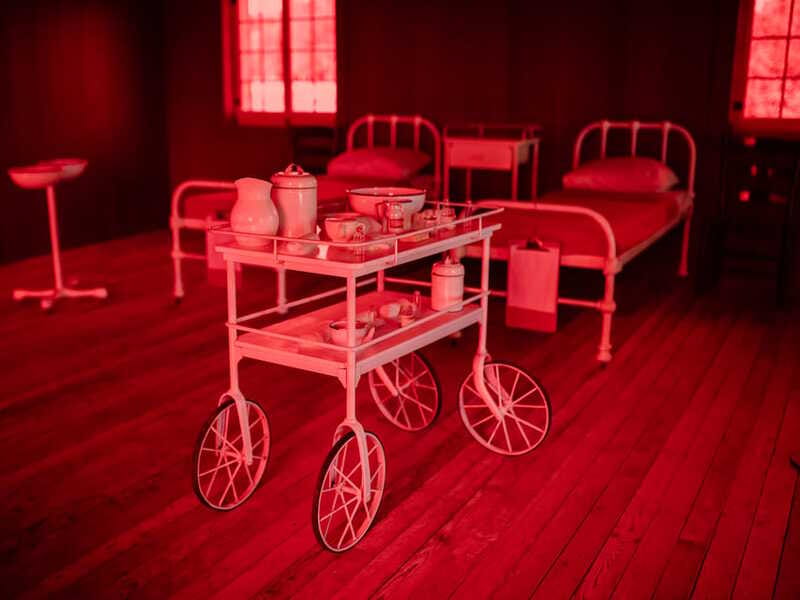
Grosse-Île offers broad river views and open scenery alongside its historic buildings. The natural setting matters because it contrasts with the difficult story. You are surrounded by water and quiet, yet standing in a place built to manage illness, fear, and uncertain arrivals.
The six-hour duration allows time for the boat ride in both directions and the island visit. That makes this a substantial half-day outing, not a quick add-on to a Quebec sightseeing schedule. I would avoid placing a tightly timed activity immediately afterward, especially if you need to deal with marina traffic on your return.
The island portion includes guided movement and may use a trolley. You should wear comfortable shoes and prepare for time outdoors, although the supplied information does not specify the exact walking distance. Bring a packed lunch because food and drinks are not included and no restaurant operates on the island.
The official information says the activity is not suitable for wheelchair users. One past group noted that staff were helpful with parents using wheelchairs, but that individual experience should not override the stated limitation. If mobility access is important for you, confirm the current arrangements before booking.
Is the $73 price good value?
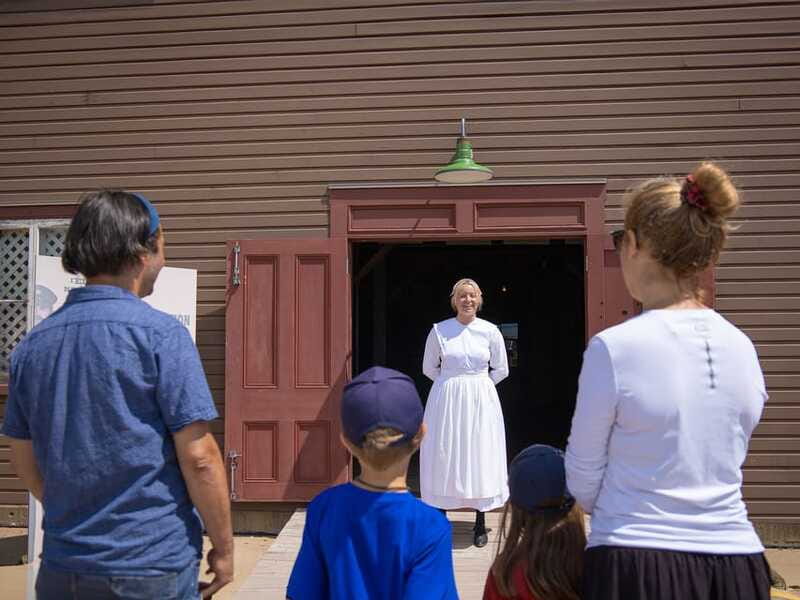
At $73 per person, the price covers the river cruise, access to Grosse-Île, a guide, and the guided island tour. It is a reasonable value if you want both transportation and interpretation in one package.
The key value is the quality of the guiding. A boat ride alone would give you scenery, but not the same understanding of the island. A self-guided visit would let you move at your own pace, but you could miss how the quarantine buildings, staff, and procedures fit together. Here, the captain and Parks Canada guides provide the context that turns a pleasant outing into a serious historical visit.
Families should calculate the total cost carefully. The ticket price is per person, so a larger family may find the outing expensive. One parent chose to visit when the older children were elsewhere because ferry costs for the whole family had seemed prohibitive. The $73 price may still be worthwhile for a special family history trip, but it deserves a place in your budget alongside parking, transport, and lunch.
There is also the cost of reaching the marina. Parking can be difficult, and traffic is heavy during peak months. A taxi may cost more than expected, as one passenger found. Arrive well before departure, and check the meeting instructions carefully so the trip does not begin with a frantic search for the dock.
You can reserve now and pay later, and cancellation is free up to 24 hours before departure. The departure time may change in late August and can vary with tides and weather, so check the schedule close to your date.
Who will enjoy this tour most?
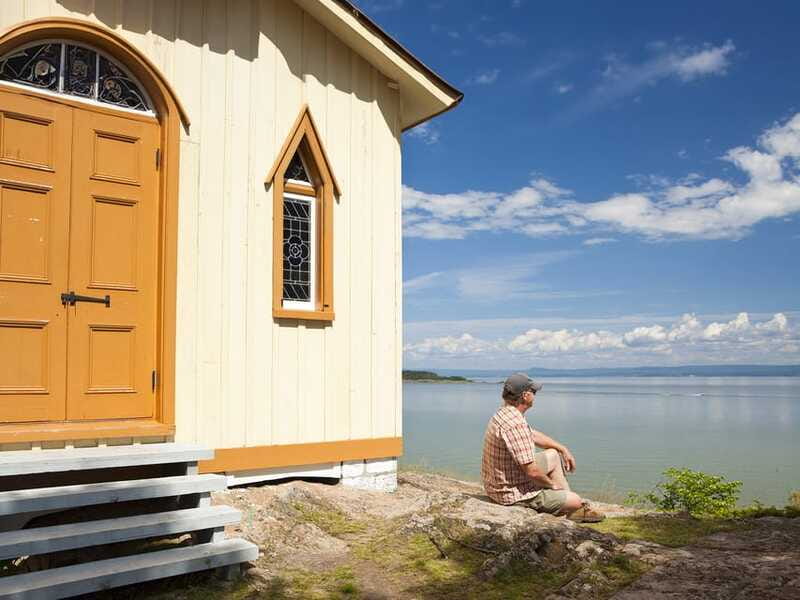
I would recommend Grosse-Île to you if you enjoy history presented through real places, buildings, and personal stories. It is especially suitable for people with Irish or Canadian family connections, but the visit does not depend on genealogy.
It also suits anyone who wants a quieter day away from Quebec City’s streets. The cruise gives you time on the water, while the island offers open views and a slower pace. The subject is serious, so this is not the right choice if you want a light sightseeing cruise with little historical detail.
Families can enjoy it, provided children are willing to listen. The costumed characters and trolley add variety, but the day still includes lengthy explanations about quarantine and immigration. Older children and teenagers may get the most from the material.
I would be cautious if you dislike fixed group schedules. The guided format is well organized, but you will not have unlimited freedom to wander. I would also reconsider if you need fully accessible transport or if the marina is difficult for you to reach.
Final verdict on Grosse-Île

Book this tour if you want a meaningful connection to the St. Lawrence and to the people who arrived in Canada through a quarantine station. The best parts are the captain’s historical talk, the Parks Canada guides, the preserved site, and the chance to see names and memorials linked to individual families.
Skip it if you are looking only for an easy boat ride, a flexible walking day, or a low-cost family outing. The six-hour schedule, per-person price, lunch arrangements, and marina logistics require planning.
For the right visitor, Grosse-Île offers something rare: the journey to the site is part of the story, and the site gives that journey a human meaning.
FAQ
How long does the Grosse-Île tour last?
The full experience lasts about six hours, including the river cruise and the guided visit to Grosse-Île.
What languages are available?
Live guiding is available in English and French. The captain and island guides may provide explanations in both languages, depending on the group.
Is food included?
No. Food and drinks are not included, and there is no restaurant on the island. Bring a packed lunch.
Can I pay with cash on the boat?
No. Only credit cards are accepted on board, so bring a credit card.
What happens if it rains?
The cruise usually continues in rainy weather unless conditions create a safety risk. The boat has an enclosed area.
Is the tour suitable for wheelchair users?
The activity is officially listed as not suitable for wheelchair users. If accessibility is important, contact the provider before booking to confirm current arrangements.
More boat trips from Quebec City
- Toronto: Niagara Falls Day Tour with Optional Boat Cruise
★ 4.6 · 3,178 reviews - Victoria & Butchart Gardens Tour with Ferry from Vancouver
★ 4.5 · 2,703 reviews - Niagara Falls Canada Day Tour From Toronto + Boat Cruise Option
★ 5.0 · 2,576 reviews - Toronto: Harbor and Islands Sightseeing Cruise
★ 4.7 · 2,566 reviews
Just added in Quebec City
- Quebec City: Winter Walking Tour in Old Quebec★ 4.9 · 30 reviews
- Snowshoeing Tour in Jacques-Cartier National Park★ 5.0 · 55 reviews
- Quebec City: Jacques-Cartier National Park Snowshoeing Tour★ 4.7 · 127 reviews
- Quebec City: Electric Bike Tour★ 4.5 · 124 reviews
- Historical Lower Town & Neighborhoods Bike Tour★ 5.0 · 70 reviews
- Quebec City: Ile d’Orléans Guided E-Bike Tour with Tastings★ 4.9 · 147 reviews
- Quebec: La Citadelle de Québec Ticket and Guided Tour★ 4.7 · 227 reviews
- Quebec City: Guided Hike in Jacques-Cartier National Park★ 4.6 · 224 reviews
Cruises & Boat Tours, compared.

Niagara Falls Day Tour with Optional Boat Cruise
Read our review →

Victoria & Butchart Gardens Tour with Ferry from Vancouver
Read our review →
Niagara Falls Canada Day Tour From Toronto + Boat Cruise Option
Read our review →
Niagara Falls Tour + Boat Ride and/or Journey
Read our review →
Tadoussac/Charlevoix: 3-Hour Whale Watching Boat Tour
Read our review →Browse the lists this tour appears in