
Reviewed · HORSE RIDING & SLEIGH RIDES
Banff: 4-Hour Sulphur Mountain Intermediate Horseback Ride
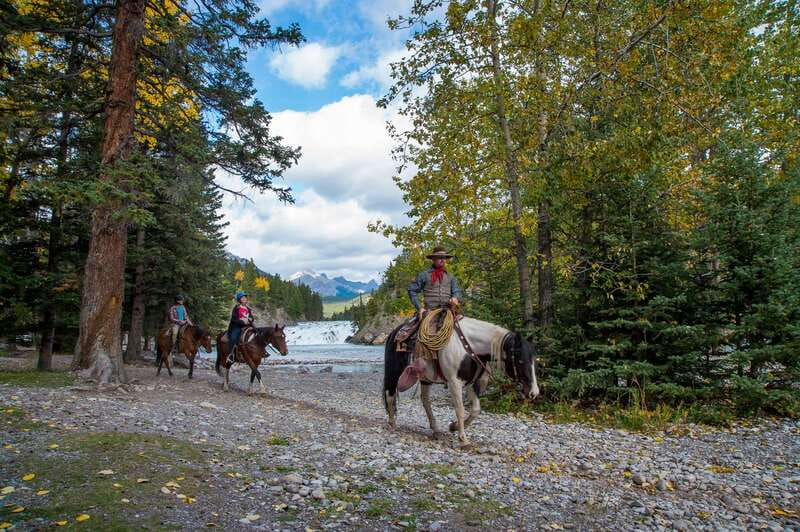
The most memorable part of this Sulphur Mountain horseback ride is not simply seeing the Rockies from a saddle. It is crossing two lively rivers on horseback, following trails below Mount Rundle, and looking back across the valley toward the Rimrock Resort Hotel. You sit six or seven feet above the ground, which gives the familiar Banff scenery a fresh angle.
I like the small group of up to six riders, because guides can keep a close eye on everyone and the pace feels less like a parade. I also like the horses themselves. They are described as well trained and sure-footed, while guide Sophie has earned particular praise for leading a friendly, confident outing.
This is not a beginner trail ride, despite one past guest finding the route suitable for inexperienced riders. The official requirement is previous riding experience, and you must be able to control your horse. The saddles may feel hard after four hours, so this is best for capable riders who want a more active Banff outing.
Key points to know before you book
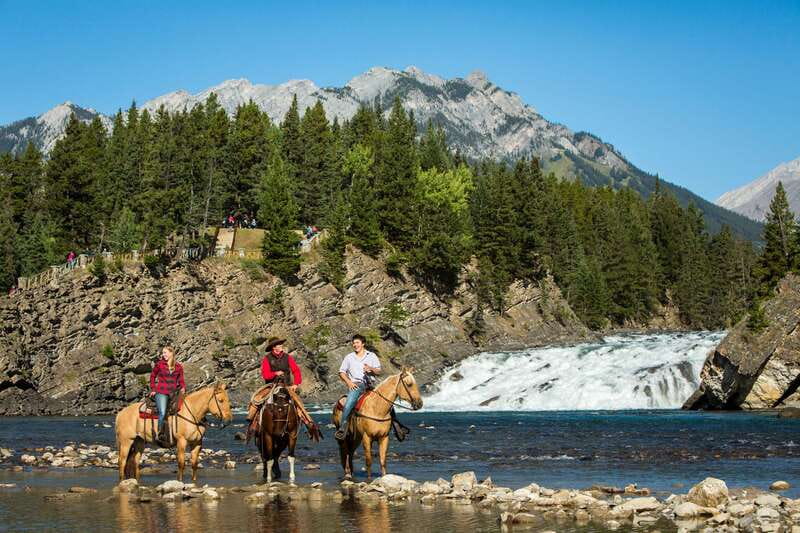
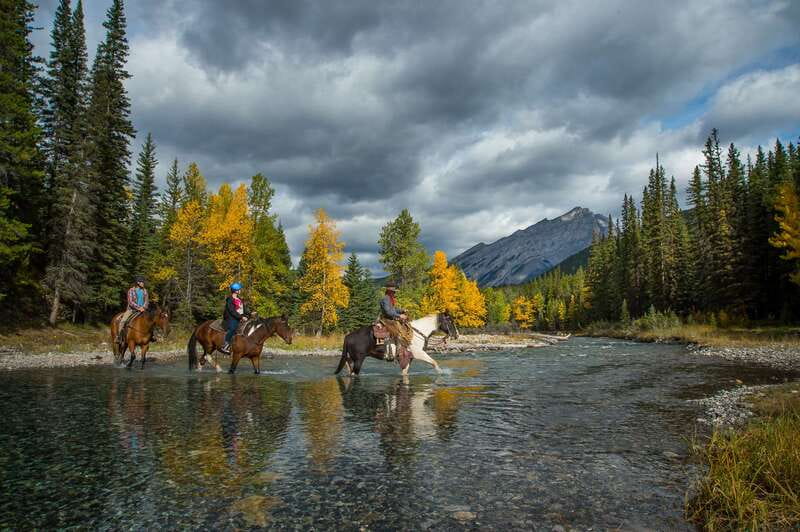
- Two river crossings: You cross the Spray River early in the ride and the Bow River near Bow Falls on the return.
- A small six-person group: Lead and tail guides help manage the ride and keep the group together.
- Mountain scenery without a sightseeing bus: You pass Mount Rundle, the Rimrock Resort Hotel, Bow Falls, and Banff Springs Golf Course from horseback.
- Previous riding experience required: Basic instruction is included, but this is not intended as a first-ever ride.
- Plan your clothing carefully: Wear long pants, sturdy closed-toe shoes, and insect repellent. Backpacks and open-toed shoes are not allowed.
- A four-hour commitment: At $241 per person, this is a substantial half-day activity, best chosen for the riding itself rather than as a quick scenic add-on.
Starting at the Banff Springs Corrals
You meet at the Banff Springs Corrals on Spray Avenue, behind the tennis courts near the Fairmont Banff Springs Hotel. Free parking is included, but hotel pickup and drop-off are not, so you need to arrange your own way to the corral.
The outing begins with a horse assignment, helmet fitting, safety briefing, and basic riding instruction. That instruction is useful even if you have ridden before, since every stable handles horses and trail procedures a little differently. The guides also organize the group with a lead guide at the front and a tail guide at the back.
That setup matters. On a mountain trail, a guide in front can set the pace and choose the safest line, while a guide behind can keep the group together. With no more than six participants, you should have a better chance of getting help quickly if you need to adjust your reins, stirrups, or position.
The horses are a major part of the experience. They are described as friendly, well trained, and sure-footed, which is especially important on steep or uneven Rocky Mountain paths. Still, a calm horse does not replace rider control. You need enough experience to follow directions, manage your horse, and stay comfortable for several hours.
Other ways to get above Banff:
- Banff: Banff Gondola Admission Ticket
★ 4.7 · 3,698 reviews - Banff Gondola Ride Admission
★ 4.5 · 2,688 reviews - Banff: Sunshine Sightseeing Gondola and Standish Chairlift
★ 4.7 · 235 reviews
Riding toward the Spray River
Once mounted, you leave the corral and head through Banff National Park toward the Spray River. The route gives you a changing view of the Banff area, with open valley scenery, forested trails, and large mountain walls rising around you.
The first river crossing is one of the ride’s signature moments. You lead your horse across the Spray River, where the sound and movement of the water add a little excitement to an otherwise steady trail ride. The crossing is not a staged photo stop. It is part of the route, so you need to pay attention to your horse and follow the guide’s instructions.
For experienced riders, this is the kind of detail that gives the excursion its character. You are not just sitting on a horse while someone points out peaks. You are guiding an animal through changing ground and water, with the scenery unfolding around you.
The route also takes you down toward the valley and along the base of Mount Rundle. Mount Rundle is one of the defining mountain forms around Banff, and seeing it from a trail below gives you a useful sense of its scale. From the saddle, you are close enough to notice the shape of the slopes while still getting broad views across the valley.
Mount Rundle, the valley, and the Rimrock Resort Hotel
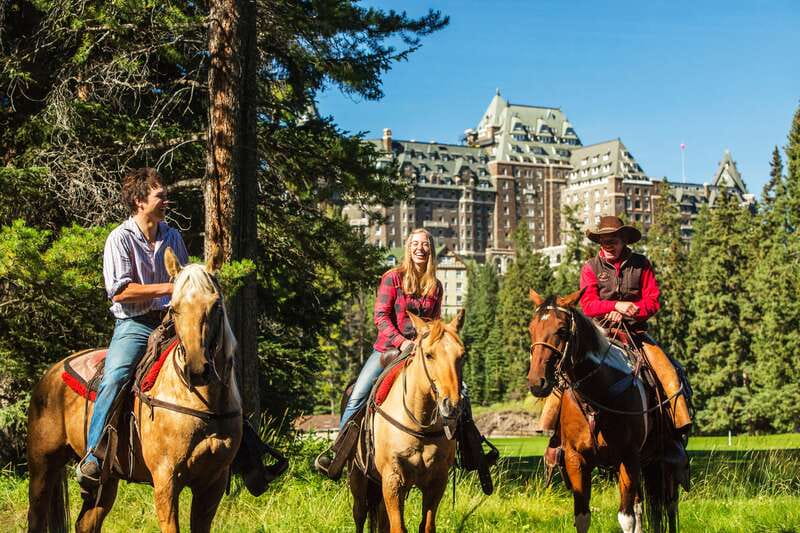
The ride combines close-up mountain views with wider views across Banff. At one point, you look toward the Rimrock Resort Hotel, perched above the town area. The hotel becomes an easy landmark, helping you understand how the trails and built-up parts of Banff fit together.
This is one reason horseback riding works well here. A bus tour gives you quick views from roads and designated stops, but a horse carries you along routes that feel quieter and more connected to the terrain. You move slowly enough to notice the change from trail to valley, yet you cover enough ground to see several different parts of the area.
There is a short break with a small snack during the ride. It is a modest pause rather than a full meal, so you should not treat the included snack as lunch. The break gives you time to rest your legs, take in the mountain views, and let your horse pause before the second half of the route.
Four hours in a saddle is a real physical commitment. Even confident riders may appreciate the pause, especially if they are not used to riding on mountain trails. One practical tip is to wear long pants and sturdy shoes without large heels. You will be more comfortable in the saddle and better prepared for uneven ground.
Passing Banff Springs Golf Course
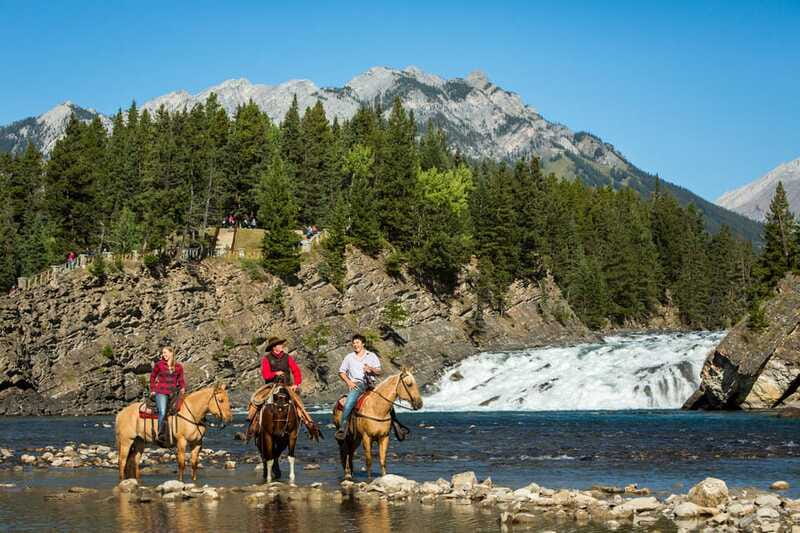
After the break, the trail continues past the immaculate fairways of the Fairmont Banff Springs Golf Course. This section offers a contrast to the wilder trail stretches. You see a carefully maintained golf course set against the Rockies, with the natural setting still dominating the view.
The contrast is useful because the ride is not an isolated wilderness trip. You remain close to Banff’s famous hotels, golf course, rivers, and park infrastructure, but the horse gives you a slower and more outdoors-focused way to connect these places.
You may also appreciate the change in pace here. The route includes river crossings and mountain trails, but not every minute is an adventure challenge. Some sections are about steady riding, looking around, and letting the setting do the work. If you want constant speed or dramatic action, this may feel too calm. If you like a scenic ride with occasional technical interest, the balance is more appealing.
The four-hour length gives the experience room to develop. A shorter ride might show you one attractive section of trail, but this route connects several landmarks and includes both river crossings. The tradeoff is that you need to be comfortable spending most of an afternoon on horseback.
Other rides behind a horse around Banff:
- Banff National Park: 1-Hour Bow River Horseback Ride
★ 4.6 · 518 reviews - Banff National Park: 1-Hour Spray River Horseback Ride
★ 4.7 · 315 reviews - Banff: Family Friendly Horse-Drawn Sleigh Ride
★ 4.2 · 237 reviews - 2 Hour Banff Horseback Riding Adventure
★ 4.0 · 145 reviews
Bow Falls and the second river crossing
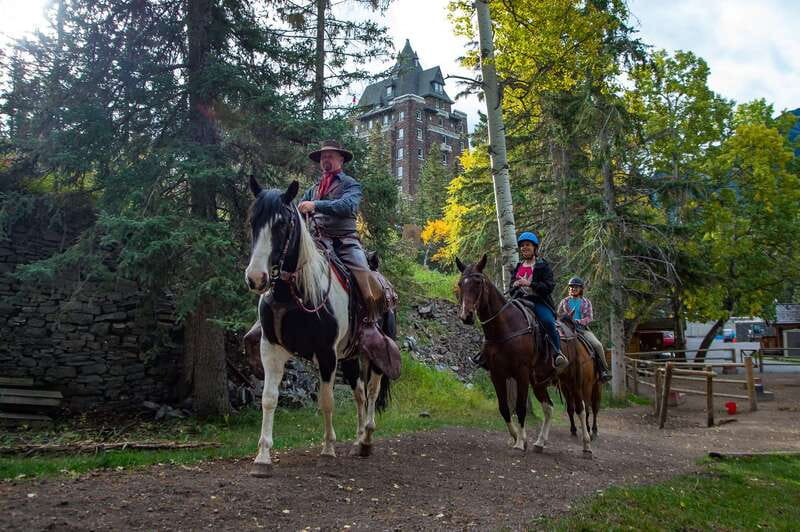
The return route brings you to roaring Bow Falls. The falls add sound and movement to the final portion of the ride, and they are a fitting highlight after the quieter trail sections. From horseback, you get a different relationship with the river than you would from a roadside viewpoint.
You cross the river a second time near Bow Falls before heading back. This crossing is one of the reasons I would choose this tour over a basic scenic horseback loop. It gives the ride a clear sense of progression: you leave the corral, cross the Spray River, travel beneath Mount Rundle, pass the golf course, reach Bow Falls, and cross again before returning.
River crossings also require a little more attention than ordinary trail riding. Keep your focus on the guide and your horse rather than trying to take photos while moving through the water. The safest and most enjoyable approach is to follow the group’s instructions and enjoy the moment once your horse is across.
How much riding experience do you need?
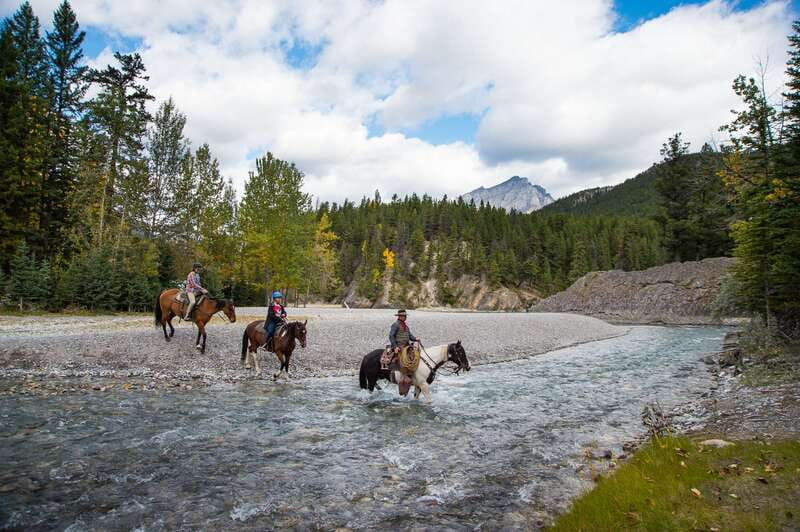
The tour is marketed for intermediate riders and requires previous riding experience. You should be able to control your horse, understand spoken English, and respond to guide instructions. Basic riding instruction is included, but the guides are not there to teach someone from the ground up.
The age minimum is eight. Anyone aged 17 or younger must be accompanied by a parent or legal guardian, and the required waiver must be completed by the appropriate adult. Children under eight cannot join.
The maximum rider weight is 230 pounds, or 104 kilograms. You may be asked to confirm your current weight on a scale, and proof of a child’s age may also be required. These rules are firm, so check them before booking rather than arriving and hoping for an exception.
The experience is not suitable for pregnant women. It is also not suitable for anyone who cannot comfortably control a horse for a four-hour mountain ride.
One past rider found the route manageable despite limited experience, but I would not use that as a reason to ignore the official standard. Trail conditions, horse behavior, and individual comfort vary. If you have only ridden once or twice, choose a shorter beginner ride instead.
What to wear and what to leave behind
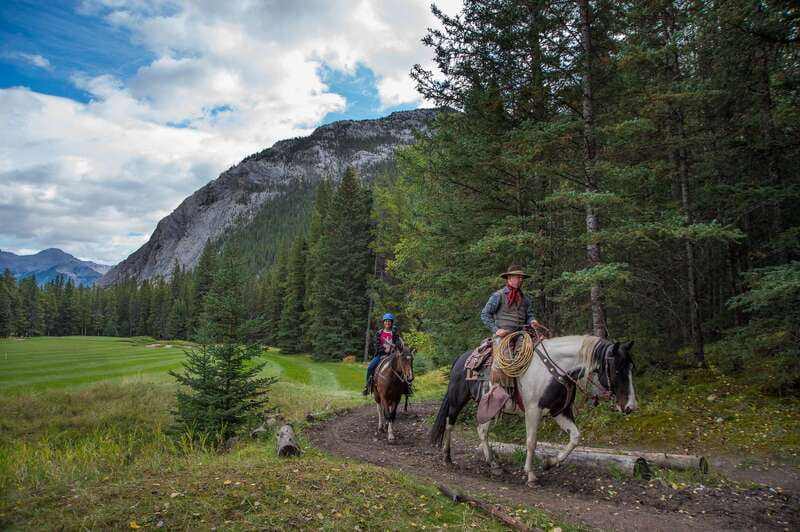
Wear long pants and sturdy, closed-toe shoes. Hiking shoes are recommended, but avoid big heels. Open-toed shoes are not permitted, and appropriate footwear is important around stirrups, uneven trails, and river crossings.
Bring insect repellent, especially during warmer months. The tour does not include food or drinks beyond the small snack stop described along the route, so ask the operator what is permitted if you need additional hydration.
You cannot bring a backpack on the ride. This is a detail worth planning around, since many people automatically carry a day pack for a half-day outdoor activity. Keep personal items to what the operator allows, and do not count on having a backpack with you for extra layers or gear.
Helmets are included. You also receive a horse, basic instruction, and the support of both lead and tail guides. Hotel transportation is not included, so you must reach the Banff Springs Corrals independently.
Is $241 a fair price?
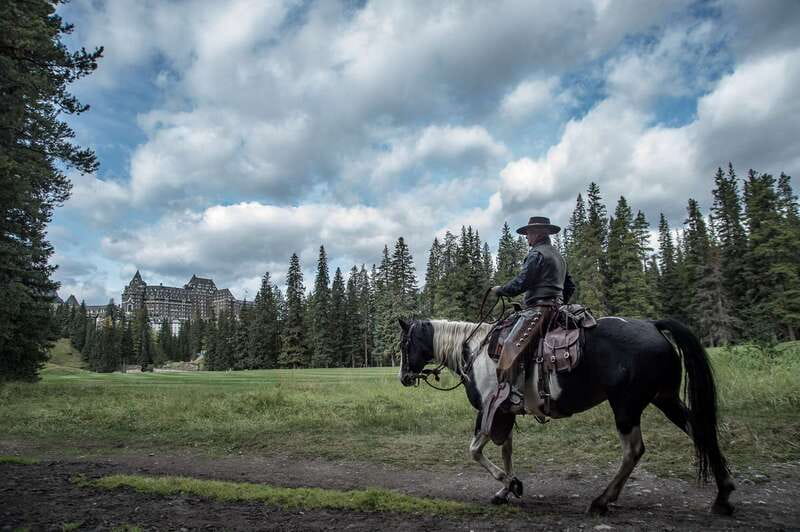
At $241 per person, this is not a budget activity. The value depends on how much you want the riding itself. You are paying for four hours, a horse, a helmet, basic instruction, two river crossings, a small group capped at six, and two guides managing the outing.
Compared with a short one-hour trail ride, the longer route gives you far more time in the park and includes several distinct sections. You also avoid the feel of a large group, which can make a horseback ride slower and less personal.
The price is harder to justify if you mainly want mountain photographs or have little interest in riding. Banff has many scenic viewpoints that cost less, and this excursion requires the physical effort of staying in the saddle for four hours.
I see the best value for an intermediate rider who wants an activity rather than a passive sightseeing trip. The river crossings, Mount Rundle views, Bow Falls, and small group make the price more reasonable for someone who would otherwise pay for a full half-day outdoor experience.
Free cancellation up to 24 hours before departure and the option to reserve now and pay later make planning easier. Missed departures, no-shows, and unused services are not refundable, so give yourself plenty of time to reach the corrals.
The best reasons to choose this ride
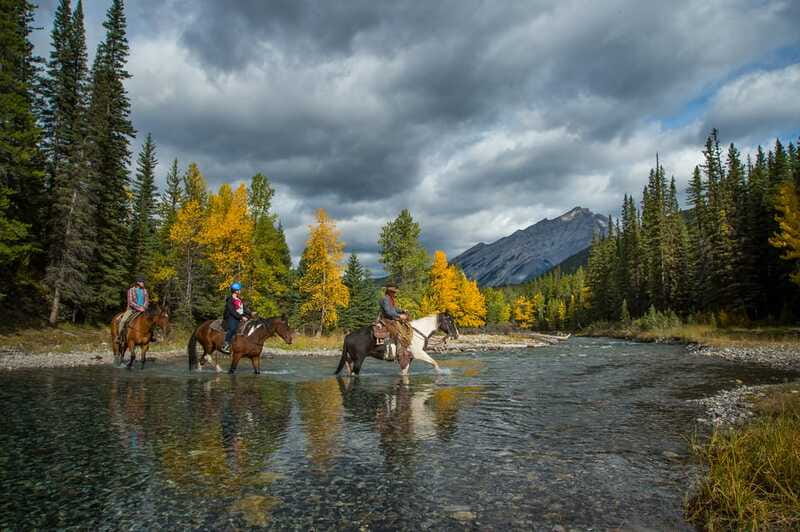
I would choose this tour for the river crossings and route variety. Many horseback outings offer a pleasant forest ride, but this one links two waterways, mountain views, a golf course, a famous hotel, and Bow Falls in one four-hour circuit.
I would also choose it for the small group format. Six riders is still enough for a social outing, but it is small enough for the guides to keep the group organized and provide closer supervision. The lead and tail arrangement is reassuring on a mountain route.
The horse is not just transportation here. The experience depends on riding in partnership with an animal that can handle the trail. Reports of friendly, sure-footed horses are encouraging, and guide Sophie has been singled out as an excellent leader. Guide names can change, but the operator’s structure gives you two guides supporting the ride.
The main drawback is comfort. Saddles can feel hard, and four hours is long if you are not accustomed to riding. You also cannot bring a backpack, and the tour requires a level of English comprehension that allows you to understand safety instructions.
Who should book the Sulphur Mountain ride?
Book this if you already ride and want to see Banff National Park at a slower, more physical pace. It suits adults, families with children aged eight and older, and anyone who likes the idea of crossing rivers and following mountain trails rather than simply stopping at viewpoints.
It is especially good for riders who value a small group and want a route with recognizable Banff landmarks. The combination of Mount Rundle, Bow Falls, the Rimrock Resort Hotel, and Banff Springs Golf Course gives you plenty of visual variety.
Skip it if you are a complete beginner, uncomfortable around horses, pregnant, over the 230-pound limit, or unable to control a horse independently. You should also skip it if you want a short, easy activity with minimal physical effort.
For the right rider, this is a memorable way to see Banff from above the trail, with the added fun of two river crossings. Just arrive prepared for a serious four-hour ride, not a gentle photo opportunity.
FAQ
Where does the horseback ride begin?
The ride begins at the Banff Springs Corrals on Spray Avenue in Banff. The corrals are behind the tennis courts near the Fairmont Banff Springs Hotel.
How long is the experience?
The horseback ride lasts four hours. Starting times vary, so you need to check availability for the date you want.
How many people are in the group?
The group is limited to six participants. The ride includes both a lead guide and a tail guide.
Is previous horseback riding experience required?
Yes. This ride is intended for people with previous riding experience. You must be physically able to control your horse, and basic instruction is provided rather than full beginner training.
What is the minimum age?
The minimum age is eight. Anyone aged 17 or younger must be accompanied by a parent or legal guardian, who must complete the required waiver.
What should I wear?
Wear long pants and sturdy closed-toe shoes. Hiking shoes are recommended, and shoes with big heels are not suitable. Bring insect repellent.
Can I cancel for a refund?
You can cancel up to 24 hours before the activity for a full refund. No-shows, missed departures, and unused services are not refundable.
Just added in Banff
- Rock Climbing Adventure in Banff: Beginner★ 5.0 · 19 reviews
- Moraine Lake, Louise Emerald Lake, and Peyto Lake all in day tour★ 5.0 · 12 reviews
- Discover Lake Louise and Yoho In Winter★ 5.0 · 72 reviews
- Wildlife on the Bow | Big Canoe Tour★ 4.5 · 13 reviews
- Wildlife on the Bow | Big Canoe Tour in Banff National Park★ 5.0 · 77 reviews
- Grassi Lake and Grotto Canyon Hiking Calgary/Canmore/Banff★ 5.0 · 5 reviews
- Banff Town Walking Tour Includes Refreshment and Sweet Treat★ 5.0 · 29 reviews
- Banff Sunshine Village Gondola and Sightseeing★ 5.0 · 192 reviews
Horse Riding & Sleigh Rides, compared.
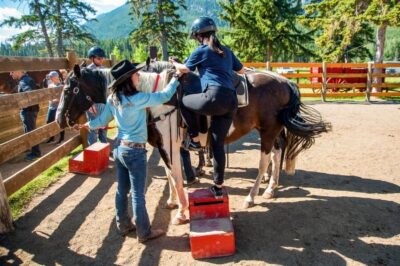
Banff National Park: 1-Hour Bow River Horseback Ride
Read our review →
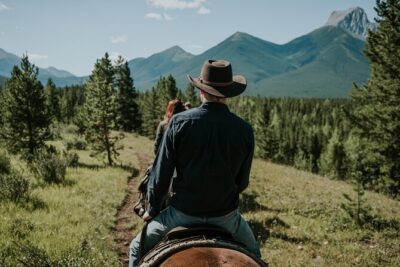
Ridge Ride 2-Hour Horseback Trail Ride in Kananaskis
Read our review →
Buffalo Loop 1-Hour Horseback Trail Ride in Kananaskis
Read our review →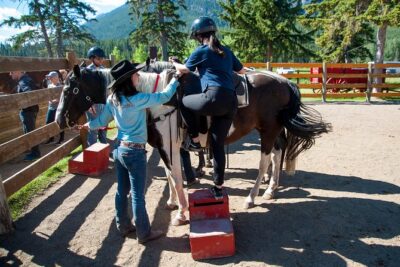
Golden, BC: Kicking Horse River Half Day Whitewater Rafting
Read our review →Browse the lists this tour appears in