
Reviewed · TOURS IN BANFF
Banff: Introduction to Ice Climbing for Beginners
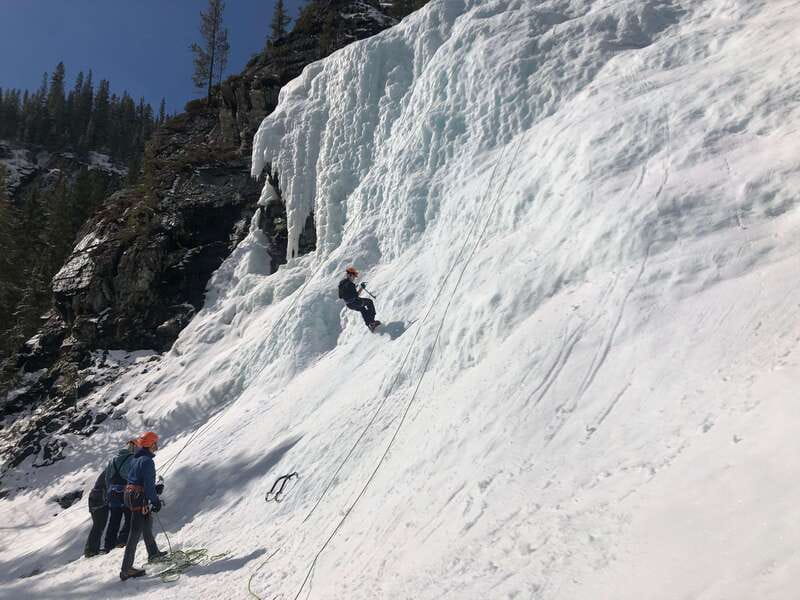
A frozen waterfall makes an excellent classroom. On this seven-hour beginner course, you learn to walk in crampons, handle an ice axe, belay on a top rope, and climb under the watch of a certified mountain guide. It is a real outdoor skills day, not a quick photo stop beside some ice.
I like the hands-on format and the fact that all technical gear is supplied. I also like the safety-first teaching, with time to work on body position and movement instead of simply being hauled up a wall. The main drawback is the cold. One participant faced minus 20 degrees Celsius, so warm clothing and a willingness to spend most of the day outside are essential.
Key points at a glance
- Climb a frozen waterfall: You spend the day working on real ice rather than watching a demonstration.
- Learn the basics properly: The course covers crampon walking, ice axe use, top-rope belaying, safety, and body position.
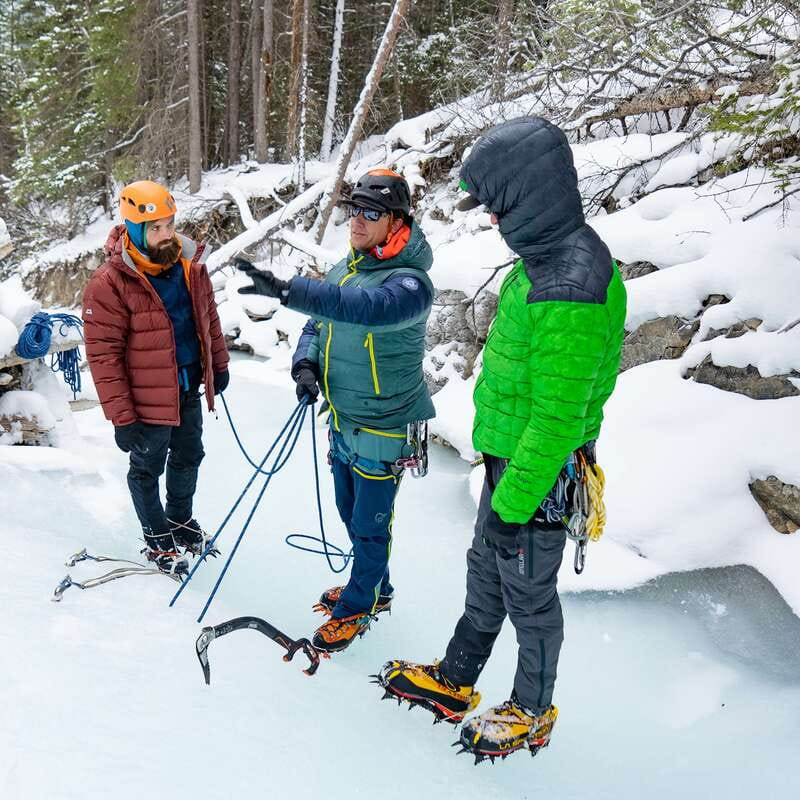
- Use supplied technical equipment: Helmet, harness, boots, crampons, and ice axe are included.
- Benefit from certified instruction: Guides are ACMG or IFMGA certified, with Canadian Avalanche Association certification.
- Expect a full winter day: Meet around 8 or 9am and finish around 3 or 4pm, depending on the final plan.
- Prepare to drive: You must arrange your own transportation to the office and the climbing location.
Why a frozen waterfall is the classroom
Ice climbing looks dramatic from a distance, but the first useful lesson is surprisingly basic: how to stand and move on the ice. Crampons give your boots sharp points for traction, while the ice axe helps with balance and placement. This course starts there, giving you a foundation before asking you to climb.
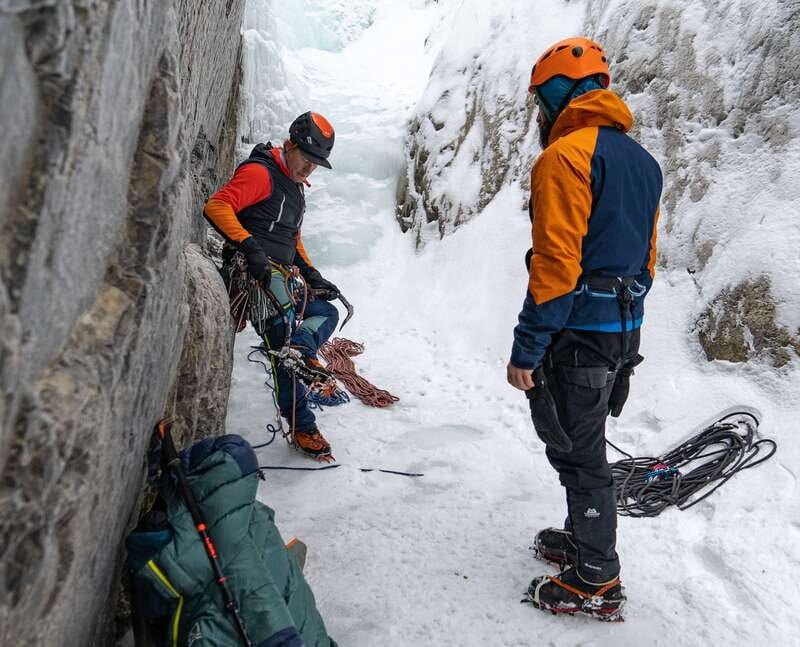
That makes the experience a good fit if you are curious about climbing but do not want to arrive with a full set of skills. You do not need to buy specialist equipment for the day. The supplied kit includes a helmet, harness, mountaineering boots, crampons, and an ice axe.
The setting may be in the Banff, Lake Louise, or Field, British Columbia areas. The final site depends on conditions, and the location can change for safety or practical reasons. That flexibility matters in winter. Ice conditions are not fixed, and a good guide needs the option to choose a suitable site rather than force the day into one predetermined spot.
You should think of the outing as a mountain skills course with a climbing reward. The frozen waterfall is the memorable part, but the useful takeaway is learning how to move safely and efficiently on ice.
Other trips people book in Banff:
- Banff: Banff Gondola Admission Ticket
★ 4.7 · 3,698 reviews - Banff Gondola Ride Admission
★ 4.5 · 2,688 reviews - Columbia Icefield Tour with Glacier Skywalk
★ 4.5 · 1,860 reviews
The morning start near Bear Street
Your day begins at the Alpine Air Adventures office at 229 Bear Street in Banff. The office is on the lower level beneath the movie theatre. You will then drive yourself to the climbing site, so this is not a door-to-door tour.
The meeting time is usually around 8 or 9am, with the day ending around 3 or 4pm. The exact start time is subject to availability, and the final logistics email arrives three days before the course. That message is important because it gives you the final meeting details and may confirm a change in the climbing area.
Plan your morning with some flexibility. A seven-hour outdoor course involves more than climbing time. You need time for equipment, instruction, movement practice, safety checks, belay setup, and breaks. The long format is useful because beginners need repetition. One short climb can feel exciting, but several attempts are what help the movements begin to make sense.
You will need to provide your own food and drinks. Bring enough for a full day outside, along with warm layers, a jacket, gloves, and snow clothing. Since the cold can affect hand movement and general comfort, gloves are not an afterthought. They are part of your climbing plan.
Getting fitted for boots, crampons, and a harness
The technical gear is included, which keeps the $179 price from becoming the first part of a much larger equipment purchase. You receive climbing boots, crampons, a helmet, harness, and ice axe. You still need to bring your own winter clothing and food.
Expect the guide to explain how the equipment works before you climb. Crampons change the way you walk. You need to lift your feet cleanly and place the points with care instead of shuffling along as you might in ordinary winter boots. That can feel awkward at first, but it is one of the central skills of the day.
The harness and top rope provide the structure for climbing practice. You will learn how belaying works, meaning how the rope is managed to protect the climber. The course is designed for beginners, so the instructions begin with basic safety rather than assuming you know climbing systems already.
You should pay attention during this stage, even if you are eager to reach the ice. A helmet and rope do not replace good habits. Learning how to move, communicate, and handle the equipment is what makes the later climbing more enjoyable.
Learning to stand and move on ice
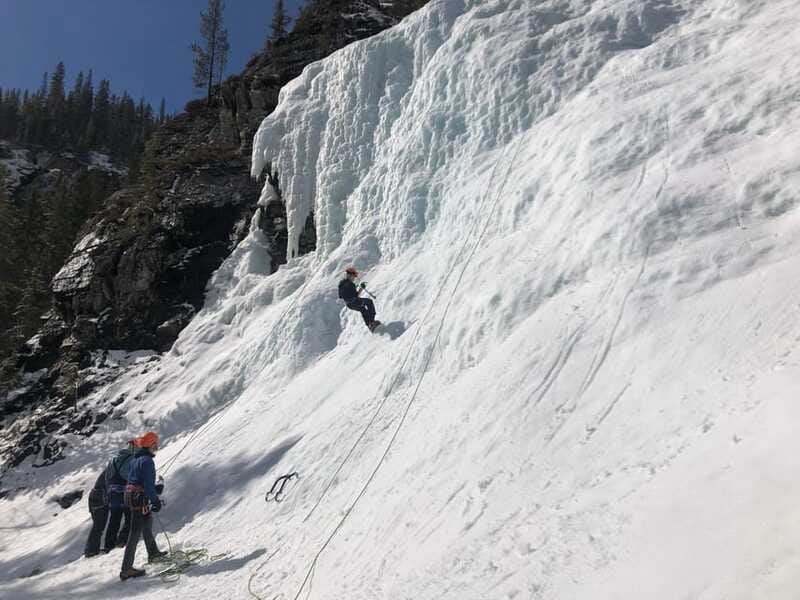
The first physical challenge is often not the wall itself. It is getting comfortable with crampons. Your body position matters, and the guide will help you become more aware of how your feet, hips, arms, and shoulders work together.
Good beginner instruction should make you notice wasted effort. If your feet are poorly placed or your body leans too far into the ice, you use more energy than needed. This is where the course’s focus on movement skills has real value. You are not only trying to reach the top. You are learning how to move with control.
The ice axe adds another layer. You will get an introduction to using it as part of your movement and balance. The course information does not promise advanced technique, and that is appropriate. A first day should give you safe, repeatable basics rather than overload you with complicated systems.
The setting also demands patience. Ice is not a uniform surface. Some sections may feel easier, while others require more precise foot and tool placement. Your guide will set the pace and choose exercises suited to the conditions and the group.
Same base, a different sort of day:
- Lakes Moraine, Louise, Emerald, Johnston Canyon & Yoho Tour
★ 4.8 · 1,023 reviews - Lake Louise, Moraine Lake and the Icefields Parkway Full-Day Tour
★ 5.0 · 836 reviews - Banff: Lake Louise, Moraine, Emerald Lake & Johnston Canyon
★ 4.9 · 808 reviews - Banff: Lake Minnewanka Cruise
★ 4.7 · 791 reviews
Climbing on a top rope
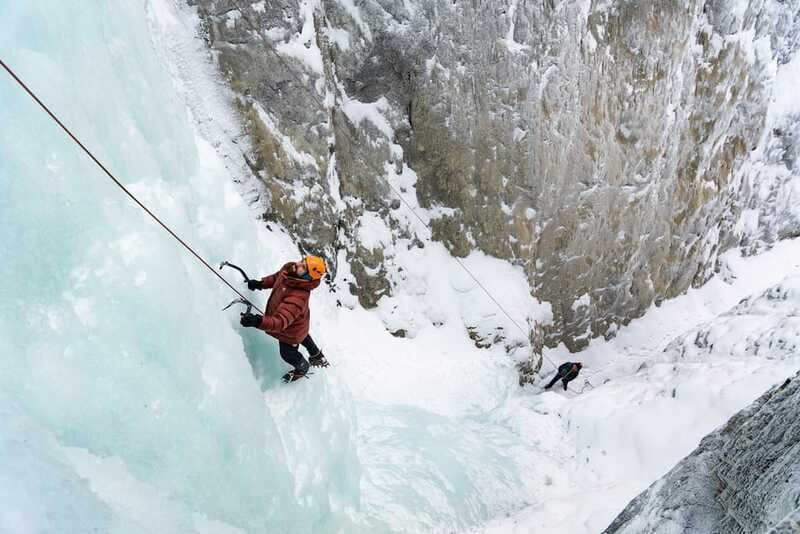
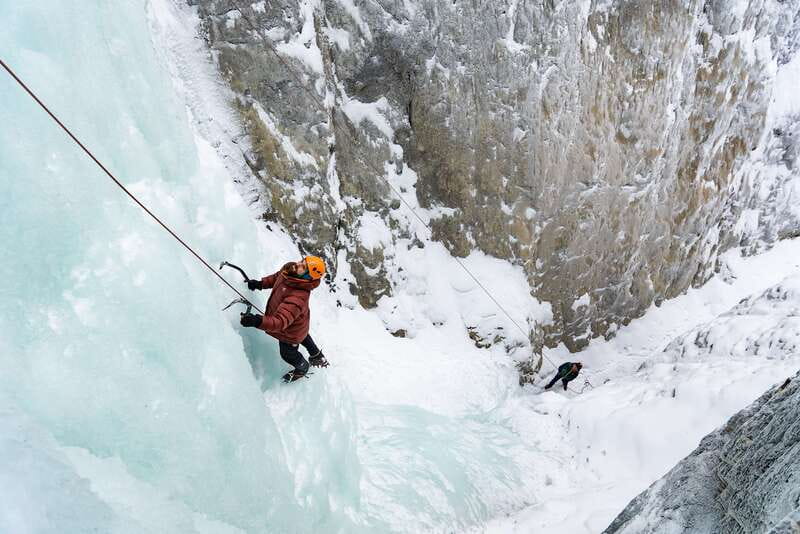
Once the basic skills are in place, you begin climbing with a top rope. In this setup, the rope is arranged above the climber, providing protection as you work upward. For a first ice climbing experience, this lets you focus on movement without needing to manage lead-climbing decisions.
You will practice placing your feet, using the tools, keeping your body positioned well, and conserving energy. The guide can give immediate corrections, which is especially useful when a small adjustment makes a large difference. Ice climbing often rewards economy more than brute strength.
A useful detail from one very cold day is that guide Shea set up two ropes at different levels of difficulty. That gave the group an easier option and a more challenging line, while also allowing more climbing attempts. It is a smart arrangement for a mixed group because beginners do not all learn at the same speed.
More attempts also help with warmth. At minus 20 degrees Celsius, sitting around between climbs can quickly become unpleasant. A setup that keeps you active is not only more fun. It helps keep the cold from taking over the day.
What the cold means in practical terms
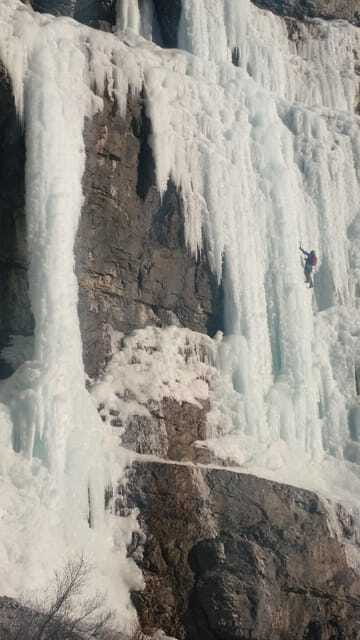
You should take the temperature seriously. The supplied equipment protects you for climbing, but it does not replace a proper winter clothing system. Bring warm clothing, snow clothing, a jacket, and gloves. Food and hot drinks can also make a long outdoor day more manageable, though the tour does not supply them.
Cold hands can make equipment handling harder, and cold feet can distract you from the lesson. Dress so you can stay comfortable during instruction and breaks, not only while climbing. Layers give you more control than one bulky item.
The experience runs in winter conditions, so the weather is part of the challenge rather than a backdrop. That can be the appeal if you enjoy being outside in snow and mountain air. If you prefer a short activity with easy access to warmth, this may feel demanding.
The guide’s role matters here. Shea received specific praise for working hard to keep the group warm during a particularly cold day. That points to an important benefit of guided instruction: the guide is watching both your technique and your comfort.
How the guides shape the day
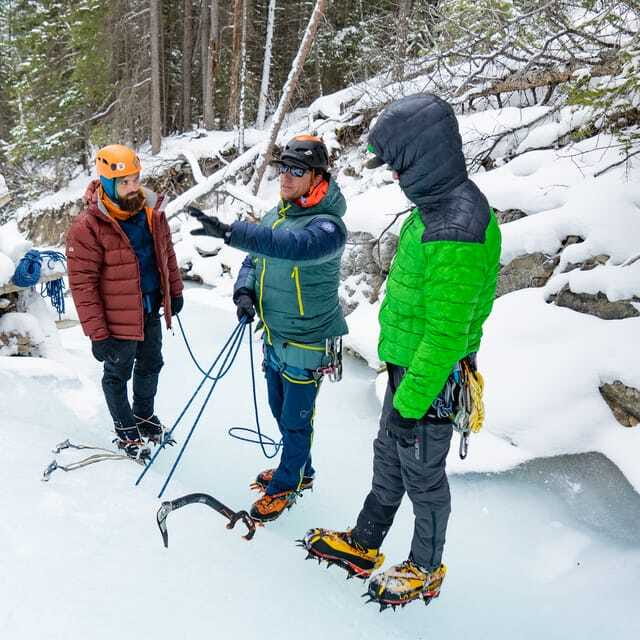
The course uses ACMG-certified mountain guides, and the guides are also described as ACMG or IFMGA and Canadian Avalanche Association certified. Those qualifications are relevant because this is not a climbing wall in a controlled indoor setting. You are working in a winter mountain environment where snow, ice, and access conditions can change.
The instruction is in English. Your guide leads the safety briefing, explains the equipment, teaches the movement skills, and manages the top-rope climbing. A guide can also adjust the day when the group has different levels of confidence or physical ability.
The teaching style appears practical rather than rushed. You get tips throughout the day, and the course places strong emphasis on body awareness. That is a good sign for beginners. You want corrections while you are learning, not just a short explanation followed by a single attempt.
The provider requires at least four bookings for the group departure to move forward, and the booking is not guaranteed until that minimum is reached. Check with Alpine Air Adventures before building an important part of your itinerary around the date.
The value of $179 for seven hours
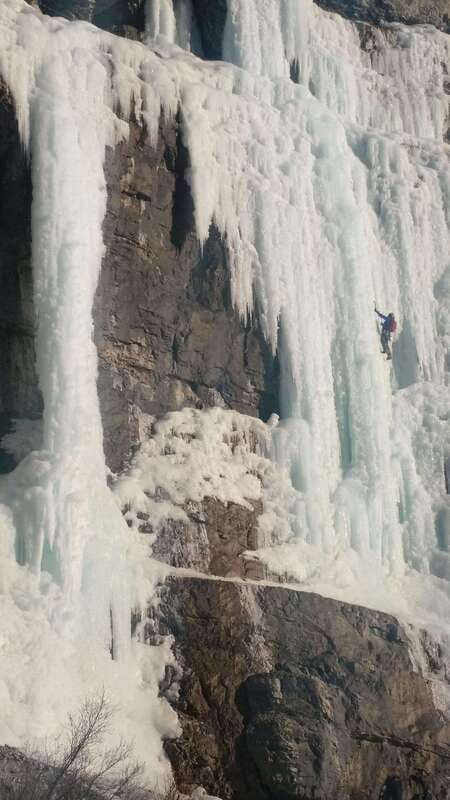
At $179 per person, the course is not a cheap winter add-on, but it includes the costly technical items you would otherwise need to rent or own. A helmet, harness, boots, crampons, and ice axe are all supplied, along with the guide and the climbing instruction.
The value depends on what you want from the day. If you only want to stand near a frozen waterfall for a few minutes, the price will feel high. If you want a proper introduction to ice climbing, seven hours gives you time to learn, make mistakes, try again, and understand the sport beyond its appearance.
You should also budget for transportation to the site, food, and drinks. These are not included. Since you must drive yourself, the experience is easier if you already have access to a suitable vehicle and are comfortable managing the route to the final climbing area.
The reserve-now, pay-later option can help if your winter schedule is still changing. Free cancellation is available up to 24 hours before the activity for a full refund. Still, check the booking conditions carefully, particularly because the group needs four bookings to proceed.
Who should book this ice climbing course
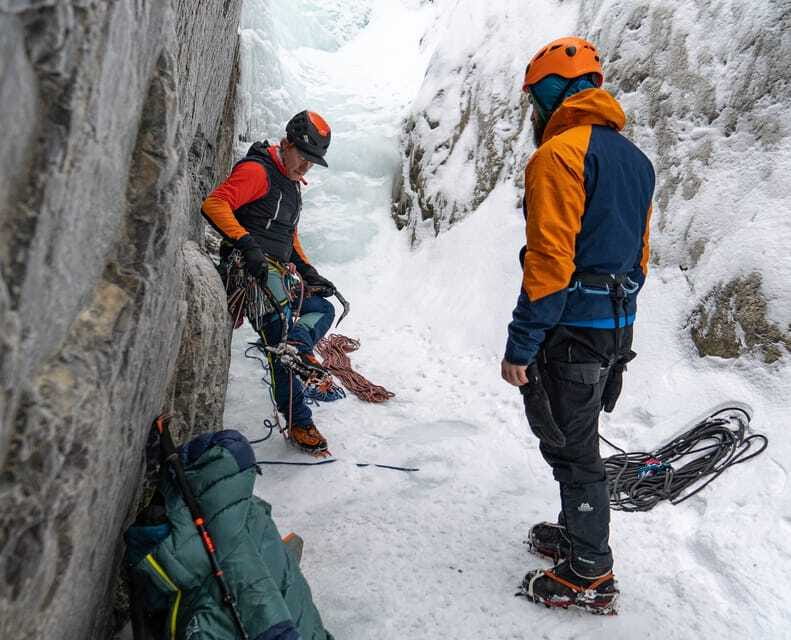
This course suits adults and families with children aged 14 and older who want an active winter day. It is especially useful if you are interested in climbing but do not know where to start or do not want to purchase a full set of gear before trying it.
You should be comfortable spending most of the day outdoors in cold conditions. You also need to be able to drive to both the office and the climbing site. The activity is not suitable for children under 14, pregnant women, wheelchair users, or people with mobility impairments.
Your general fitness level and comfort with height will affect how much you enjoy it, but the course is explicitly built for beginners. You do not need to arrive as an experienced climber. You do need to listen closely, accept coaching, and give yourself time to learn unfamiliar movements.
It works well for friends who want a shared challenge. It can also suit a family with older teenagers, provided everyone understands that this is a full outdoor instruction day rather than a casual sightseeing stop.
What to pack for a better day
Keep your packing simple but serious:
- Warm clothing and snow clothing
- A jacket
- Gloves
- Food and drinks for the day
- Any personal winter items you normally need outdoors
The technical climbing kit is supplied, so you do not need to bring your own helmet, harness, boots, crampons, or ice axe. Your clothing still matters. You may be stationary during explanations, active during climbs, and standing outside between attempts.
Pack enough food and drink for the full seven-hour schedule. The course does not include refreshments, and the climbing site may not offer easy access to shops or cafés. The final location is confirmed through the logistics information sent three days before the course, so read that message before setting out.
Should you book it?
Book this experience if you want to learn a real winter skill, climb a frozen waterfall, and spend a full day outside with certified instruction. The included technical gear and long teaching time make $179 reasonable for a first attempt, especially if you are comparing it with the cost of buying or renting equipment separately.
Think twice if you dislike severe cold, do not have transportation, or want a short and relaxed activity. The strongest reason to choose this course is not simply the dramatic setting. It is the chance to learn crampon movement, top-rope belaying, and body positioning with enough time to practice them. If that sounds like your kind of winter challenge, Alpine Air Adventures offers a focused and practical introduction.
FAQ
How long does the ice climbing experience last?
The activity lasts seven hours. You should generally expect to meet around 8 or 9am and finish around 3 or 4pm, depending on the final schedule.
Where does the ice climbing take place?
The field day takes place in the Banff, Lake Louise, or Field, British Columbia regions. The exact location can change based on conditions, and the final plan is provided in the logistics email.
Where do I meet the guide?
You meet the guide at the Alpine Air Adventures office at 229 Bear Street in Banff. The office is on the lower level beneath the movie theatre.
Do I need to arrange transportation?
Yes. You must provide your own transportation to the meeting point and to the climbing site.
What climbing equipment is included?
The activity includes a helmet, harness, boots, crampons, and an ice axe, along with the climbing experience, safety briefing, and instruction.
What should I bring?
Bring warm clothing, a jacket, gloves, snow clothing, food, and drinks. Technical climbing equipment is supplied.
Is the course suitable for beginners?
Yes. The program is designed as an introduction to ice climbing and starts with basic safety, crampon walking, top-rope belaying, and movement skills.
What is the minimum age?
The activity is for people aged 14 and older. Children under 14 cannot take part.
Just added in Banff
- Rock Climbing Adventure in Banff: Beginner★ 5.0 · 19 reviews
- Moraine Lake, Louise Emerald Lake, and Peyto Lake all in day tour★ 5.0 · 12 reviews
- Discover Lake Louise and Yoho In Winter★ 5.0 · 72 reviews
- Wildlife on the Bow | Big Canoe Tour★ 4.5 · 13 reviews
- Wildlife on the Bow | Big Canoe Tour in Banff National Park★ 5.0 · 77 reviews
- Grassi Lake and Grotto Canyon Hiking Calgary/Canmore/Banff★ 5.0 · 5 reviews
- Banff Sunshine Village Gondola and Sightseeing★ 5.0 · 192 reviews
- Banff Town Walking Tour Includes Refreshment and Sweet Treat★ 5.0 · 29 reviews
Tours in Banff, compared.
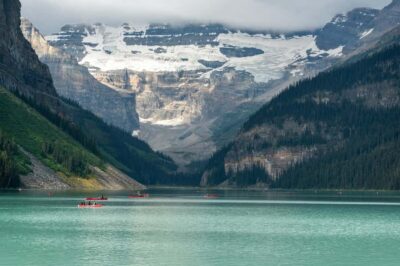
Lakes Moraine, Louise, Emerald, Johnston Canyon & Yoho Tour
Read our review →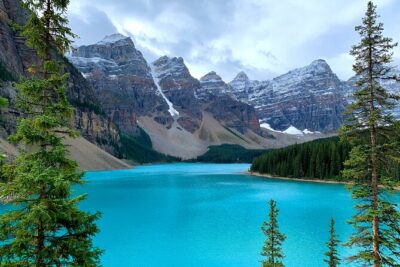
Lake Louise, Moraine Lake and the Icefields Parkway Full-Day Tour
Read our review →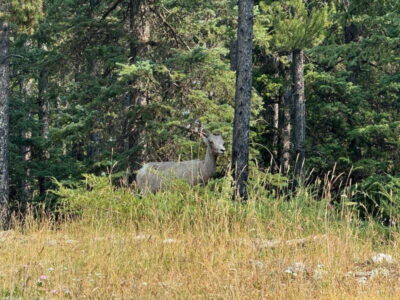
Lake Louise, Moraine, Emerald Lake & Johnston Canyon
Read our review →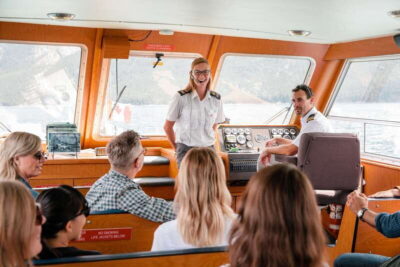
Banff Highlights & Wildlife | Award-Winning Small Group Adventure
Read our review →Browse the lists this tour appears in