
Reviewed · MUSEUMS
Calgary: Gasoline Alley Museum Admission
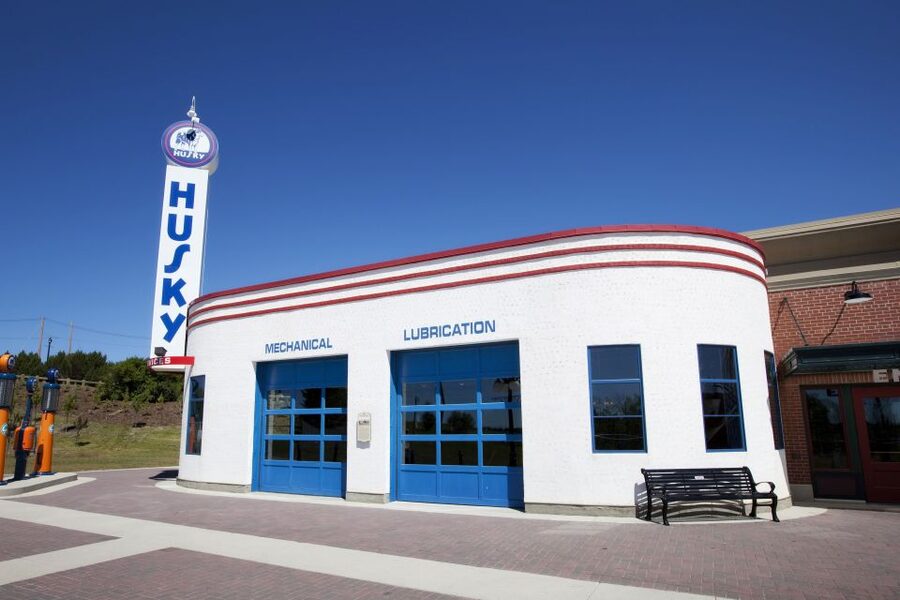
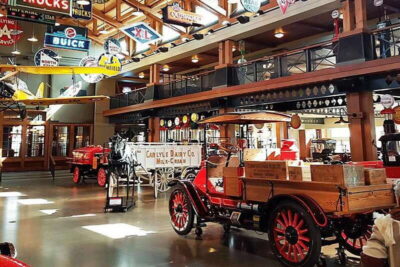
Gasoline Alley Museum puts the spotlight on the machines that changed daily life in North America. You’ll see rare cars and trucks from the 1900s to the 1950s, along with old gasoline pumps and signs from petroleum companies that once lined the roads.
I like the sheer range of objects here, and I like that the museum explains more than how cars looked. It connects the motor car to major social changes. The main point to consider is that your $10 admission covers Gasoline Alley only, not the rest of Heritage Park Historical Village.
Key points to know before you go
- The antique gasoline pumps are a major attraction: You’ll find an unusually large collection, with signs and equipment tied to old petroleum companies.
- Cars are only part of the story: Trucks, working vehicles, road equipment, and thousands of related objects help explain how motoring spread.
- The lower showroom adds real value: Leave time for the second display area rather than stopping after the main floor.
- The museum works in every season: Gasoline Alley and the Railway Café remain open year-round, even when much of Heritage Park is closed.
- On-site interpreters add context: You can ask questions and get more from the displays than you would by walking past the vehicles alone.
- The $10 price is focused and fair: It suits a short Calgary stop, but the value changes if you expected full Heritage Park admission.
Why Gasoline Alley tells more than a car story
The museum is about the arrival and spread of the automobile, not just polished bodywork. That distinction matters. A classic car can be attractive on its own, but the displays make more sense when you see how the motor car changed work, travel, business, and the shape of everyday life.
The collection covers the years from the early 1900s through the 1950s. That gives you a useful arc, from the period when cars were still new and unfamiliar to the era when motor vehicles had become a normal part of North American life.
I find this approach more useful than a simple row of famous models. The museum gives you a way to think about the transition from horse and carriage to engine power. You can consider what had to change around the car: fuel supply, road travel, commercial transport, advertising, and public habits.
The displays also include some of the oldest automobile artifacts in the collection, including objects from before the Second World War. If you enjoy early motoring, these pieces provide a look at a time when vehicle design, fuel stations, and road culture were still taking shape.
Other museums in Calgary:
- Calgary: 3.5-Hour Bus City Tour with Gasoline Alley Museum
★ 4.7 · 205 reviews - Calgary to Royal Museum | Drumheller – PRIVATE TOUR
★ 4.5 · 27 reviews - Badlands Tour: Drumheller with Museum, Hoodoos & Coal Mine
★ 4.7 · 18 reviews
The main showroom: cars, trucks, and working vehicles
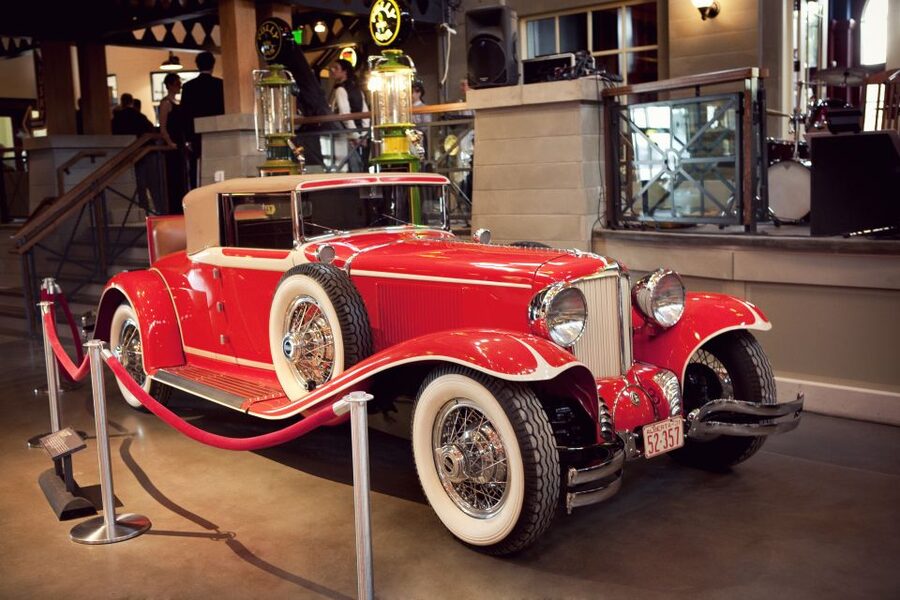
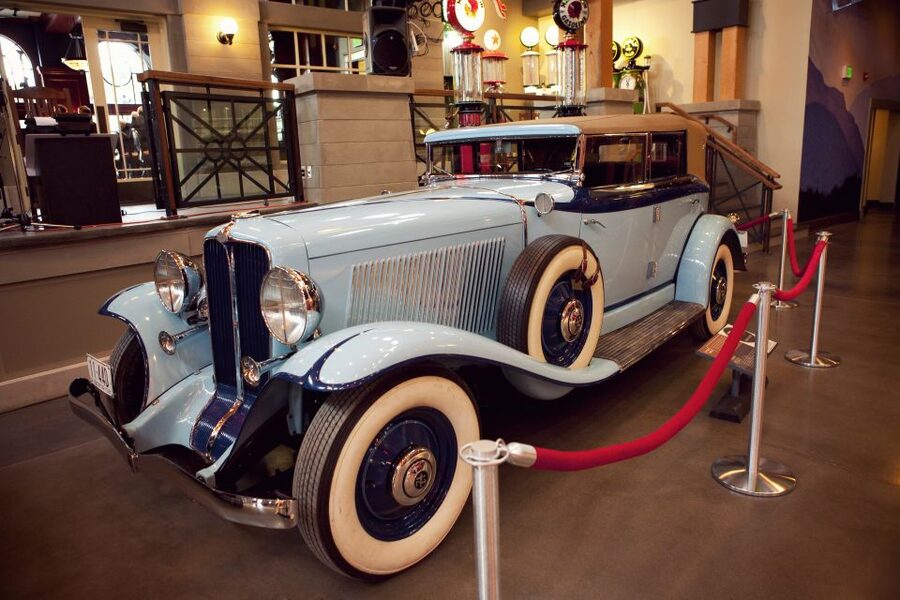
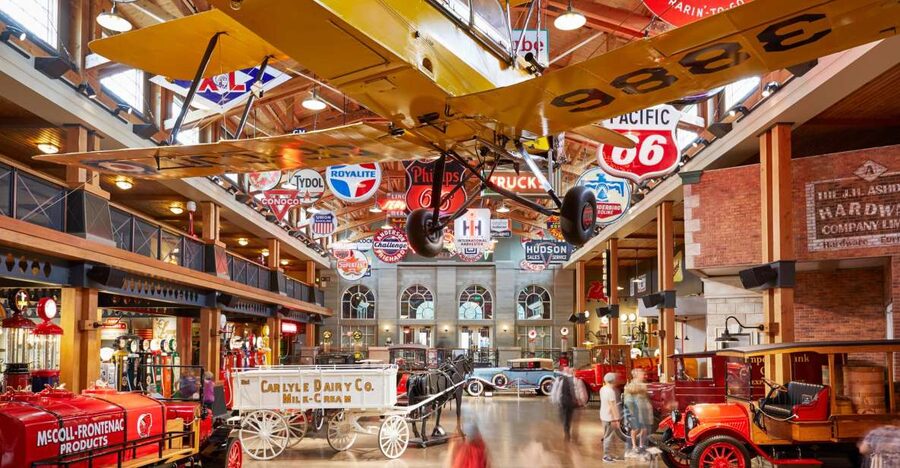
Start with the main showroom and give yourself time to look beyond the best-known cars. The restored automobiles are the natural draw, but the trucks and working vehicles help make the collection feel grounded in real life.
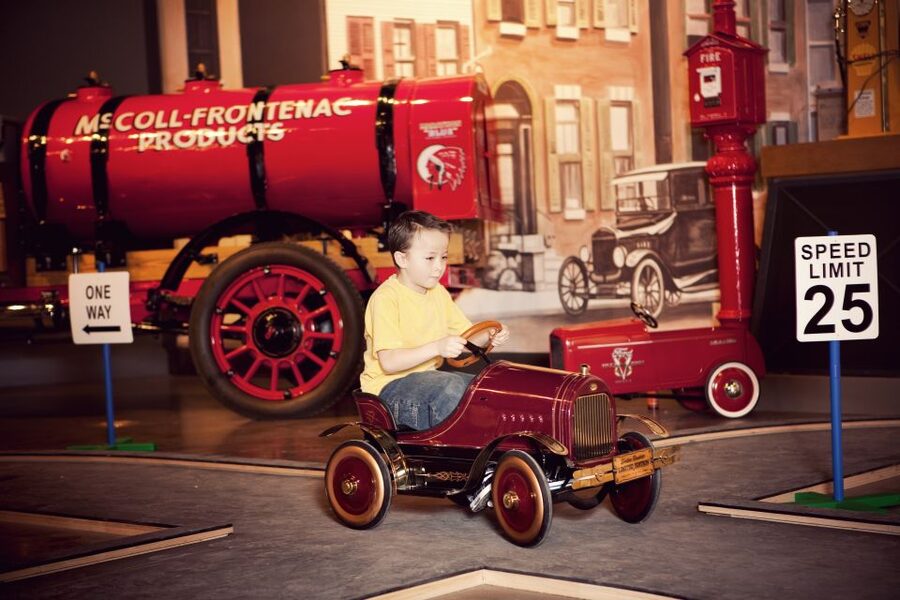
A shiny passenger car shows design and status. A truck shows labor, delivery, trade, and the practical work that helped communities function. Together, the vehicles explain why the automobile spread so widely. It was not only a personal luxury. It became a tool for business and transport.
The displays cover several decades, so you can compare the changing shapes and purposes of the vehicles. Early examples have a different feel from the streamlined cars of later years. You might also notice how the idea of a useful vehicle changes over time, from basic transport to a stronger symbol of comfort and personal freedom.
The collection is carefully restored, which makes details easier to appreciate. Look at the body shapes, wheels, lights, dashboards, and other visible features. You do not need to be a serious car enthusiast to enjoy this part. The range of vehicles gives families and mixed-interest groups plenty to discuss.
If one person in your group loves automobiles and another does not, use the social story as your common ground. Ask what each vehicle might have been used for, who could afford it, and how it might have changed a person’s daily routine. The museum gives you useful prompts for that kind of conversation.
Antique pumps and petroleum signs
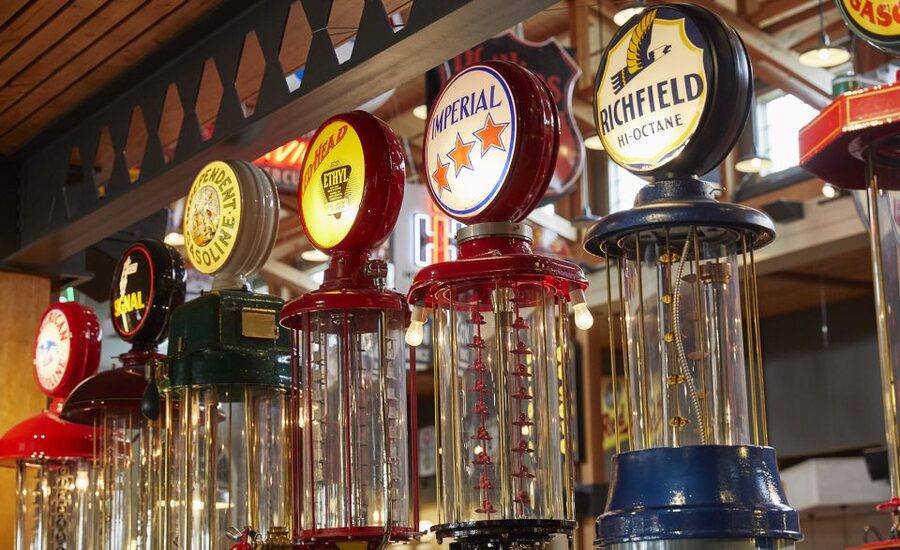
For me, the gasoline pump collection is one of the most distinctive parts of the museum. Antique pumps are not just old equipment. They show how fuel was sold, displayed, and recognized as the automobile became common.
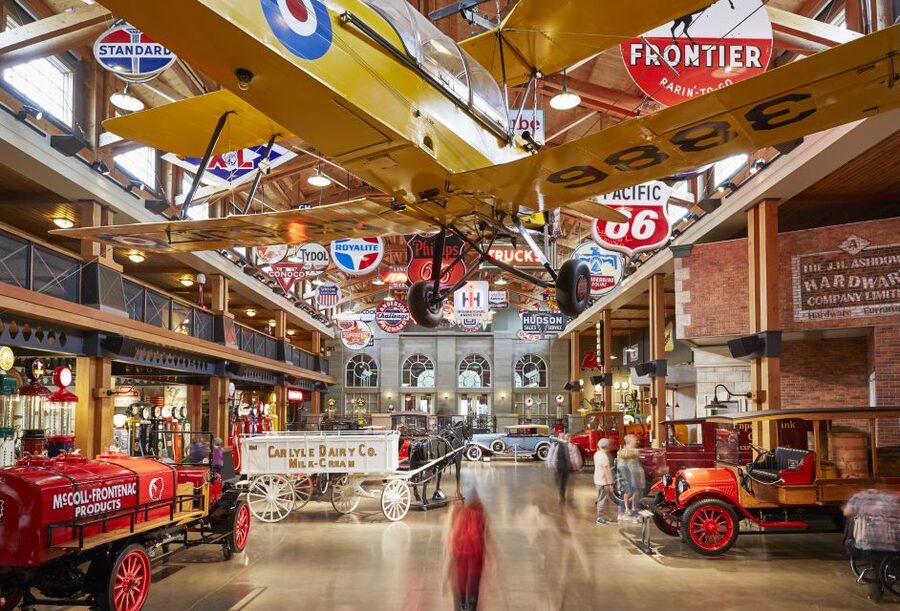
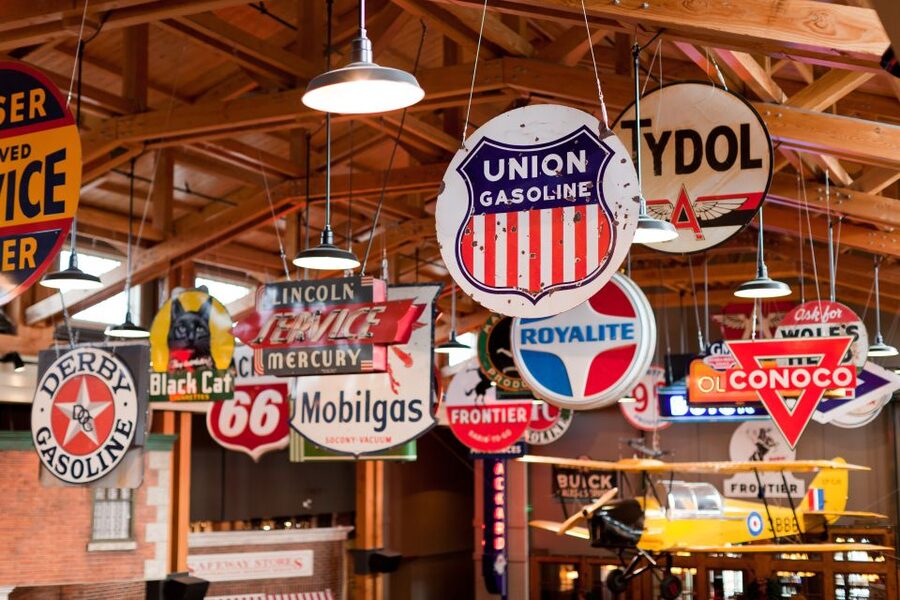
You’ll see pumps from different periods, along with signs connected to a wide range of historical petroleum companies. These signs add color and visual character, but they also explain how fuel businesses built public recognition. Before modern uniformity, each company had its own equipment, lettering, colors, and roadside identity.
Set aside more time for this section than you might expect. It is easy to glance at one pump and move on, but the variety becomes more interesting when you compare the designs. Notice the changing shapes, displays, and ways of presenting fuel to a driver.
This part also helps connect the museum to the wider travel experience of the period. A car needed more than roads. It needed fuel, repair services, signs, and places where drivers could stop. The pump collection shows one small but important part of the system that made motor travel practical.
The old signage may be especially appealing if you enjoy design, advertising, or local business history. You can also use it as an easy entry point for children. A child who is less interested in vehicle mechanics may still enjoy spotting different logos, colors, and unusual pump shapes.
The lower showroom is worth the extra time
Do not treat the lower showroom as an optional afterthought. It contains more artifacts, and it gives you another chance to see the breadth of the collection.
The exact appeal will depend on what catches your eye, but the lower level is important because Gasoline Alley has more than its headline cars. Thousands of memorabilia pieces help fill in the world around the vehicles. These smaller objects can make the main collection easier to understand.
I suggest saving enough energy for this area rather than rushing through it at the end. A one-day admission gives you time to move at your own pace, so you do not need to make the museum a quick 30-minute stop unless your schedule is tight.
The lower showroom also helps if the main floor is busy. You can change pace, examine more objects, and spend time with displays that might not receive as much attention at first glance. For anyone interested in old fuel stations, road culture, or prewar motoring, this extra space may be one of the strongest reasons to plan a proper visit.
Other museums and galleries in Calgary:
- Toronto: Royal Ontario Museum Admission Ticket
★ 4.6 · 1,237 reviews - Royal Ontario Museum Admission
★ 4.5 · 411 reviews - Toronto: Art Gallery of Ontario General Admission Ticket
★ 4.6 · 251 reviews - Britannia Mine Museum General Admission
★ 5.0 · 233 reviews
On-site interpreters and the value of questions
Admission includes on-site interpreters. That is useful because a collection this large can otherwise become a visual parade of objects with limited explanation.
Ask about the rare vehicles, the oldest pieces, or the purpose of a strange-looking pump. You can also ask how a particular object fits into the shift from horse transport to motor transport. The interpreters are there to help connect the objects to the larger story.
The volunteers have received especially strong praise for their knowledge and friendliness. That matters at a museum where small details can make a big difference. A brief explanation of a pump, truck, or prewar artifact may give you a clearer sense of why it was important.
There are no named guides provided for this experience, so the people available on the day may vary. Still, the included interpreter service makes this more than a self-guided display of vehicles. If you enjoy asking questions, use that part of the admission.
What your $10 admission really covers
At $10 per person, the museum offers good value if you want a focused indoor attraction in Calgary. You receive admission to Gasoline Alley Museum and access to the on-site interpreters for one day from first activation.
The price is particularly sensible for a short visit or a cooler-season outing. You can see restored cars, trucks, working vehicles, old pumps, petroleum signs, and a large amount of memorabilia without paying for the full Heritage Park experience.
There is an important limit. The ticket does not include the other attractions of Heritage Park Historical Village. You should check your plans before booking, especially if you expect historic buildings, additional park attractions, or a full-day village visit to be part of the same admission.
In the summer months, Gasoline Alley Museum is included with general admission to Heritage Park Historical Village. That means the best value depends on the season and your plans. If you already intend to spend time at Heritage Park in summer, separate museum admission may not be necessary.
Outside the summer operating period, the museum remains open year-round. Much of the rest of Heritage Park closes from mid-October to mid-May, but Gasoline Alley and the Railway Café stay available. This makes the museum a practical winter or shoulder-season stop.
Planning your visit at Heritage Drive
The address is 1900 Heritage Dr SW, Calgary, Alberta. If you use public transportation, a shuttle bus is available from the Heritage LRT Station.
That shuttle detail is useful because the museum is part of the Heritage Park setting rather than a downtown attraction. Plan your route before you leave, and allow time for the transfer from the LRT station. The museum itself is wheelchair accessible, which makes it a reasonable choice for a broad range of visitors.
Admission is valid for one day from first activation. You can therefore take your time with the main showroom, pump collection, and lower showroom instead of trying to see everything in one quick circuit.
Food and drinks are not included. The Railway Café is open year-round, but you should treat food as a separate expense. Souvenirs are also not included, and pets, alcohol, and drugs are not allowed.
The museum is family-friendly, but children will get more from it if you turn the visit into a search. Ask them to find the oldest-looking pump, compare two signs, or pick the vehicle they would use for work. These simple questions can keep the collection active rather than passive.
Who will enjoy this museum most
I would recommend Gasoline Alley to anyone interested in classic cars, early roads, fuel stations, trucks, or the social changes caused by the automobile. You do not need technical knowledge to enjoy it, since the displays cover design, work, business, and daily life as well as machinery.
Families can make good use of the collection, especially because it offers both large vehicles and smaller objects. Children may respond to the size and appearance of the cars, while adults can spend more time with the petroleum signs and historical context.
It also suits people looking for an indoor Calgary activity. Since the museum is open year-round, it can fill a cold-weather morning or afternoon when the outdoor parts of Heritage Park are closed.
The museum may be less suitable if you want a full Heritage Park day under one ticket. Gasoline Alley is a focused museum admission, not a pass to every attraction at the historical village. You should also allow extra time if you want to read closely and speak with interpreters.
Book it or skip it?
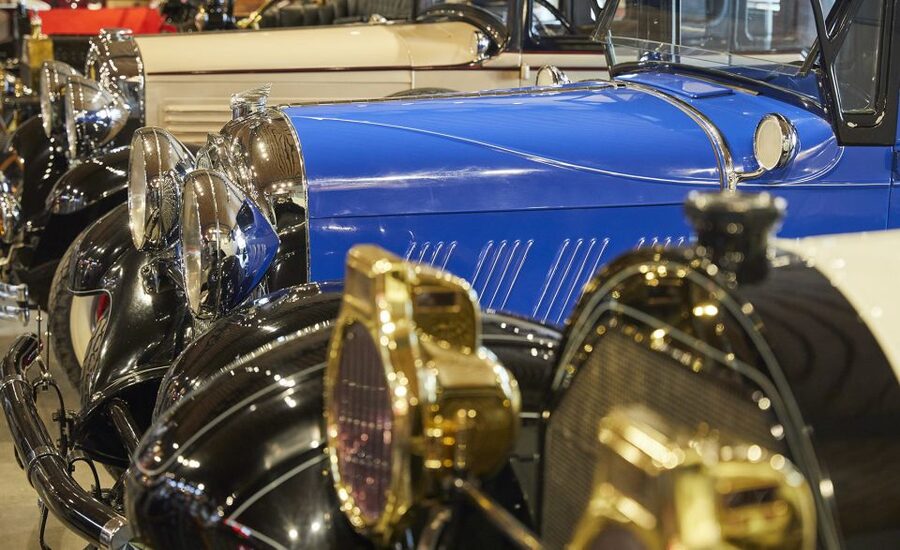
Book Gasoline Alley Museum if you want a well-priced, focused look at the automobile’s rise in North America. The rare cars and trucks are a strong draw, but the antique pumps, petroleum signs, and lower showroom give the visit its real character.
I would give it priority in the cooler months, when the museum and Railway Café are open but other Heritage Park attractions are closed. In summer, compare the $10 museum price with general Heritage Park admission, since the museum is included there.
Skip it only if your main goal is the outdoor historical village or if classic vehicles hold no interest for you. For everyone else, the combination of restored automobiles, unusual fuel equipment, prewar artifacts, and helpful interpreters makes this an easy Calgary stop with solid value.
FAQ
How much does admission to Gasoline Alley Museum cost?
Admission costs $10 per person. It includes entry to Gasoline Alley Museum and access to on-site interpreters.
How long is the admission valid?
The admission is valid for one day from the time you first activate it.
Does admission include Heritage Park Historical Village?
No. Gasoline Alley admission does not include access to the other attractions of Heritage Park Historical Village. In summer, the museum is included with general admission to Heritage Park.
Is Gasoline Alley Museum open year-round?
Yes. Gasoline Alley Museum is open year-round. The Railway Café is also open year-round, while other Heritage Park attractions close from mid-October to mid-May.
How do I reach the museum by public transportation?
The museum is at 1900 Heritage Dr SW in Calgary. A shuttle bus is available from the Heritage LRT Station.
Is the museum wheelchair accessible?
Yes. Gasoline Alley Museum is wheelchair accessible.
Just added in Calgary
- Badlands Tour: Drumheller with Museum, Hoodoos & Coal Mine★ 4.7 · 18 reviews
- Calgary: Street Art & Craft Beer Walking Tour w/ Tastings★ 4.9 · 23 reviews
- Calgary to Royal Museum | Drumheller – PRIVATE TOUR★ 4.5 · 27 reviews
- Private Self-guided River Rafting Tour in Calgary★ 5.0 · 182 reviews
- Calgary City Highlights 2 Hour E-Scooter Tour★ 5.0 · 83 reviews
- Calgary YYC Airport to Banff |Canmore| Kananaskis–Private Shuttle★ 5.0 · 46 reviews
- Calgary: 3.5-Hour Bus City Tour with Gasoline Alley Museum★ 4.7 · 205 reviews
- Airport Shuttle: Calgary Airport <—-> Downtown Calgary★ 5.0 · 19 reviews
Museums, compared.
Art Gallery of Ontario General Admission Ticket
Read our review →

3.5-Hour Bus City Tour with Gasoline Alley Museum
Read our review →Browse the lists this tour appears in