
Reviewed · TOURS IN MONTREAL
Montreal: 2-Hour Private Complete Hidden City Experience
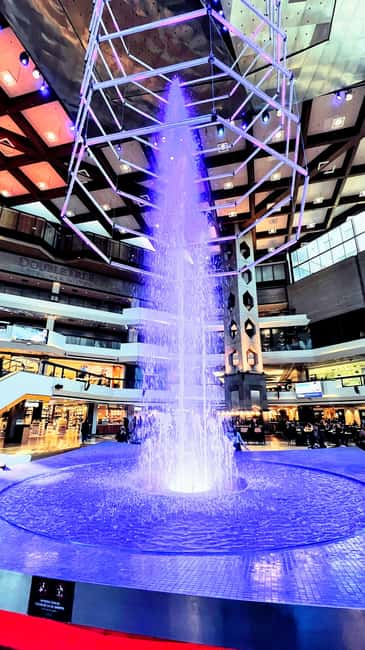
Montreal’s RÉSO is more than a winter escape. It is a second city below the streets, with shopping galleries, offices, restaurants, hotels, art, and links to major downtown landmarks. This private two-hour tour helps you make sense of that maze instead of wandering through it with no idea where you are.
I like the private format, which gives Gustavo Trindade room to adjust the pace and answer your questions. I also like the focus on how Montrealers actually use the network every day, rather than treating it as a strange novelty.
The main drawback is that this is a walking tour through connected indoor spaces, not a visit to a single attraction with grand underground chambers. Some stops are viewed in passing, and the tour is not suitable for wheelchair users or people with mobility impairments.
Key points about Montreal’s underground city
- Gustavo Trindade leads a private two-hour tour, with guiding available in English, French, Spanish, or Portuguese.
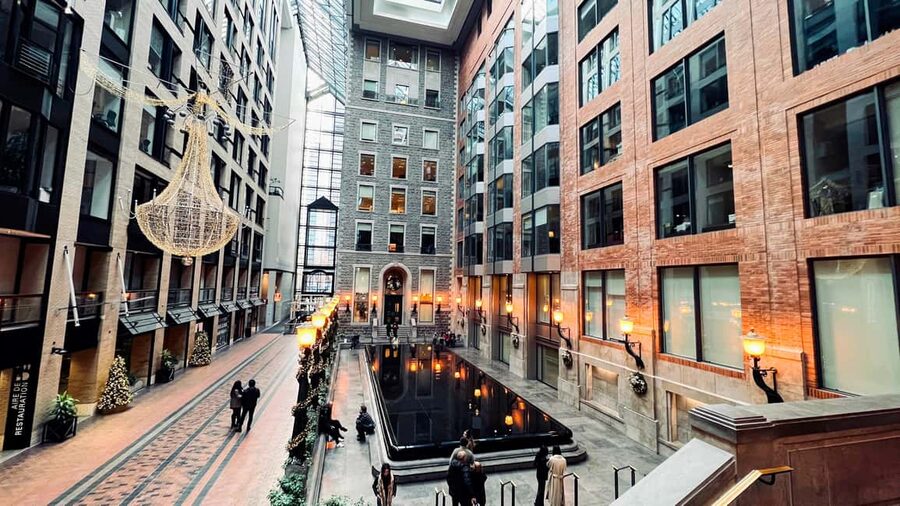
- The route links major downtown sites, including Place Ville Marie, Gare Centrale, Place Bonaventure, the World Trade Centre, and Complexe Desjardins.
- RÉSO is part of daily life, connecting offices, hotels, restaurants, shopping galleries, cultural venues, and public transportation.
- The tour looks for art and unusual details, including murals, installations, and passageways that are easy to miss alone.
- The meeting point is inside the Tim Hortons building at 1508 Rue de Bleury, near the start of the route.
- Comfortable shoes matter, and the tour is not designed for wheelchair users or people with limited mobility.
Why Montreal built a city below the city
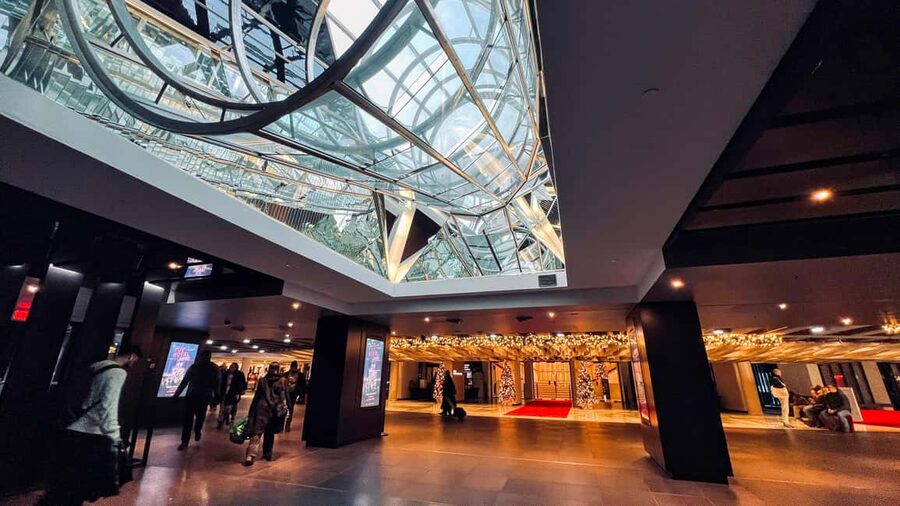
Montreal’s underground network, known locally as RÉSO, grew into one of Canada’s most unusual urban projects. It was not created as one giant attraction. Instead, buildings, shopping areas, hotels, office towers, transit links, and cultural spaces were connected over time.
That distinction matters. You are not entering a sealed subterranean world with one entrance and one exit. You are moving through a working part of downtown, often without noticing exactly when one building ends and another begins.
The network is especially useful in a city known for cold winters, but weather protection is only part of the story. RÉSO helps people get between work, shopping, food, hotels, and public transportation while staying indoors. It has changed the rhythm of downtown life, and the tour explains how that happened.
I like this practical angle. Instead of presenting the underground city as a gimmick, the experience shows you why Montreal needed it and how people use it. You will see commercial spaces, but you will also get a lesson in urban planning and everyday city life.
Other trips people book in Montreal:
- Montreal: Guided Bus Tour
★ 4.4 · 3,064 reviews - Montreal: Hop-On Hop-Off Double-Decker Bus Tour
★ 4.1 · 2,760 reviews - From Montreal: Quebec City and Montmorency Falls Day Trip
★ 4.5 · 2,669 reviews
Meeting Gustavo at Rue de Bleury
The tour begins inside the Tim Hortons building at 1508 Rue de Bleury, Montréal, Quebec H3A 0B4. This is an indoor meeting point, which is useful in poor weather, but you should arrive with enough time to orient yourself inside the building.
Gustavo Trindade is the named experience provider and guide. The available feedback repeatedly highlights his friendly manner, flexibility, clear explanations, and willingness to help with photos. One family particularly appreciated his offer to take pictures at interesting spots, while other comments point to his ability to adjust the experience to individual needs.
That matters more on a private tour than it would on a large group outing. If you want more explanation about construction, more time for pictures, or a quicker walk through a shopping area, you can raise the issue directly. The experience is offered in English, French, Spanish, and Portuguese, so check the language you need when booking.
Place Montreal Trust and the first underground connections
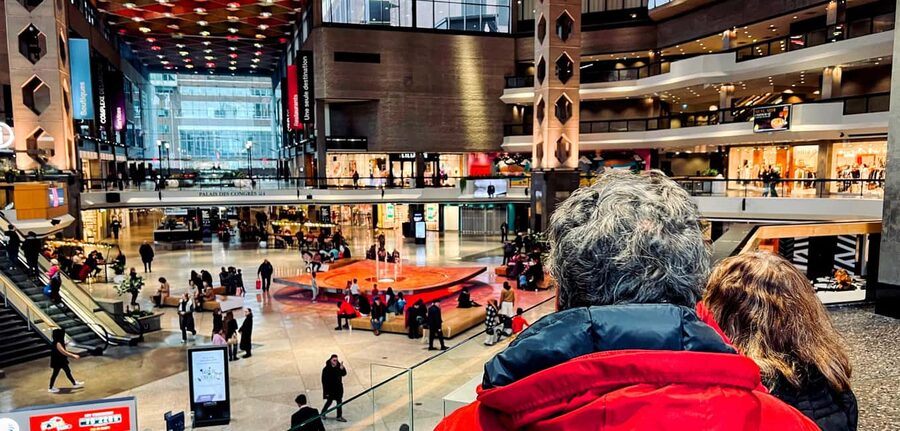
Place Montreal Trust is passed early in the route. It is one of the commercial links that helps show how RÉSO works: the underground network is built into ordinary downtown buildings rather than separated from them.
You can expect this part of the walk to focus on orientation. The guide begins showing you how entrances, corridors, shops, and larger public areas connect. This is the point where the network may start to feel less like a hidden attraction and more like an alternate street system.
The tradeoff is that the itinerary lists this as a pass-by stop. You should not expect a long visit or a dedicated indoor attraction at every location. The value comes from seeing how each place fits into the larger system.
Montreal Eaton Centre and Place Ville Marie
The Montreal Eaton Centre brings the commercial side of RÉSO into view. Shopping galleries are a major part of the underground experience, and this is where you will see how retail, offices, and pedestrian routes share the same indoor territory.
Place Ville Marie is another important link. The tour uses these downtown sites to explain the network’s growth and its role in connecting major buildings. You may find that the corridors feel less mysterious here, but that is useful. It shows how the underground city works at full scale.
I would pay close attention to the transition between areas. The interesting part is often not a famous building by itself, but the way the route carries you from one complex to another without requiring you to return to street level.
Same base, a different sort of day:
- Montreal Mile End Authentic Food Tour with 7 Delicacies Tastings
★ 5.0 · 2,598 reviews - Quebec City and Montmorency Falls Day Trip from Montreal
★ 4.0 · 2,437 reviews - The Original Old Montréal Walking Tour by Guidatour
★ 4.5 · 2,217 reviews - Old Montreal Small-Group Walking Tour | Max 10 | by MTL Detours
★ 5.0 · 2,088 reviews
Gare Centrale and Place Bonaventure
The route continues toward Gare Centrale, Montreal’s central station, then passes Place Bonaventure. These stops underline the connection between RÉSO and transportation.
Public transit access is one reason the network matters so much to Montreal residents. You are not simply walking through a mall basement. The corridors tie together work, accommodation, shopping, dining, and movement around downtown.
At Gare Centrale, the connection between city travel and indoor pedestrian routes becomes especially clear. Place Bonaventure adds another major downtown complex to the chain. Since both locations are pass-by points, your guide will likely use them as part of the story rather than as long stops for sightseeing.
This is also a good part of the tour for asking practical questions. If you are staying in central Montreal, the walk can help you understand how to move around during bad weather. The route may also give you a better sense of where the underground connections are before you try using them on your own.
Centre de commerce mondial and World Trade Centre Montréal
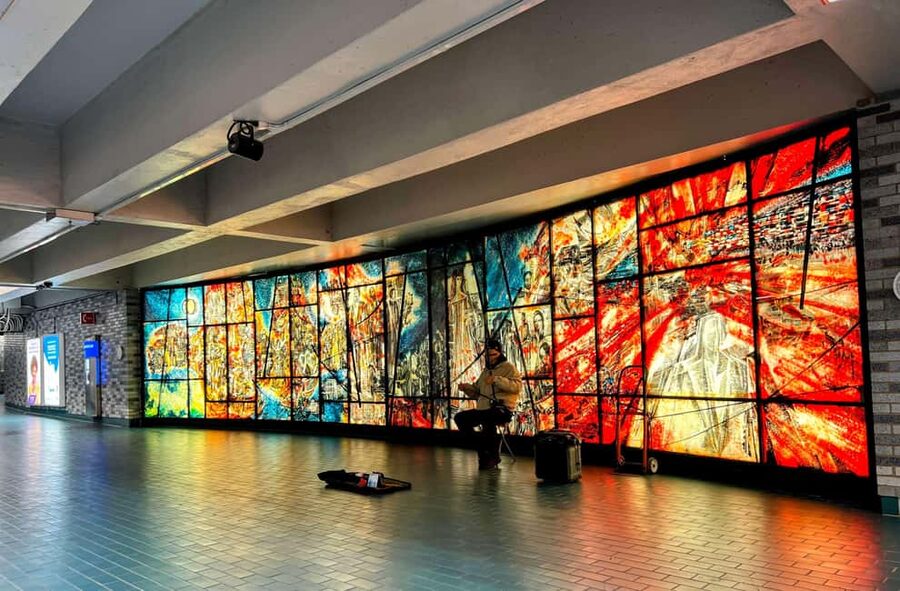
The itinerary includes both Centre de commerce mondial and World Trade Centre Montréal. These names refer to a connected downtown area where modern commercial architecture meets older elements and public pedestrian space.
The tour’s interest here is the contrast between the polished shopping galleries and the more unusual features that can appear along the way. The supplied details point to murals, installations, and cultural spaces throughout the network, though the exact artworks viewed can depend on the guide’s route and the day’s conditions.
This is where a private guide adds real value. A map can show you a corridor, but it cannot easily explain why a passage exists, how the buildings connect, or which details are easy to miss. Gustavo’s role is to point out the things you would likely walk past while trying to find your way.
Do keep your expectations in check. This is not presented as a formal museum visit, and there is no promise of entry into a specific gallery or exhibition. Think of it as a guided look at public art and unusual spaces within a working downtown network.
Palais des Congres and Montreal’s urban scale
The Palais des Congres de Montreal is another major landmark along the route. Its presence helps show the scale of the underground system. RÉSO is not limited to one shopping centre or a few connected basements. It links large public, commercial, and cultural buildings across downtown.
The Palais des Congres area can also help you understand how convention visitors, office workers, shoppers, and residents all use the same network for different reasons. You are seeing a city system designed for movement as much as for sightseeing.
The tour passes this landmark rather than promising a full interior visit. That is an important distinction when comparing this experience with a conventional Montreal architecture tour. You will get context and connections, but not an extended tour of every building on the route.
Place des Arts and Complexe Desjardins
Place des Arts brings the cultural side of RÉSO into the picture. The route reaches a part of downtown associated with performances and public culture, showing that the underground city is not only about shops and office towers.
Complexe Desjardins closes the listed route. It is another large connected complex where retail, pedestrian space, and city services meet. By this point, the tour’s main lesson should be clear: RÉSO is a network of ordinary places that becomes extraordinary when you understand how they fit together.
The end of the walk is a useful time to ask for help with orientation. Since the tour does not include hotel drop-off, you will need to continue on your own after the experience. Ask your guide about the nearest route back to your accommodation or the best place to continue exploring, if that fits the time available.
What makes the private format worth $101
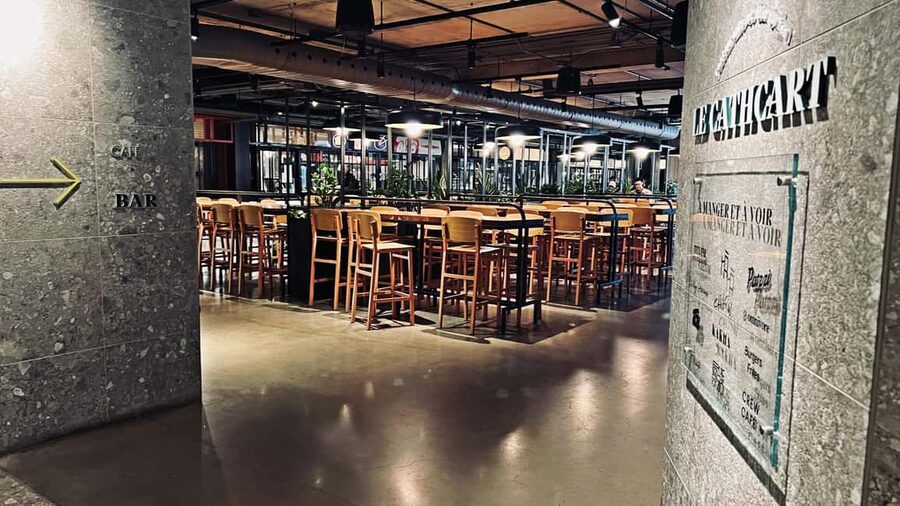
The price is $101 per person. That is a sizeable cost for a two-hour walking tour, especially because food, drinks, and hotel pickup are not included.
The value comes from the private setting and the specialist focus. You are paying for a guide who can explain a complex network, respond to your questions, adjust the pace, and point out details you might miss alone. The price makes more sense for couples, families, or small groups who want a personal introduction rather than a standard group walk.
It is less compelling if you only want a quick look at the underground malls. You can enter many downtown buildings on your own, and a self-guided wander costs nothing beyond whatever you spend along the way. The tour earns its price through interpretation and orientation, not exclusive access to a grand attraction.
I would also consider the weather. On a rainy or severely cold day, the practical benefit rises. A recent booking described the tour as especially enjoyable on a rainy day, and that makes sense: you get shelter while still learning about the city instead of spending the afternoon indoors without a plan.
The flexible cancellation policy helps reduce the risk. You can cancel up to 24 hours in advance for a full refund, and you can reserve now and pay later. Availability and starting times vary, so check the schedule before planning the rest of your day.
Walking conditions, access, and what to bring
Bring comfortable walking shoes. The route covers multiple connected sites over two hours, and indoor corridors can still mean plenty of time on your feet.
Bring water, especially if you plan to continue sightseeing afterward. A camera is also useful for murals, installations, architecture, and the odd details that give the underground city its character.
The experience is not suitable for wheelchair users or people with mobility impairments. The information provided does not describe a step-free route or special accessibility arrangements, so you should not assume that all parts of the network will be easy to navigate.
Alcohol and drugs are not allowed. Food and drinks are not included, although RÉSO itself contains restaurants and cafés that you may encounter along the way.
Who will enjoy this RÉSO tour most
I would recommend this experience to first-time visitors who want a clear explanation of downtown Montreal. It is also a good choice for anyone visiting during poor weather, when the underground network becomes both a sightseeing subject and a useful way to get around.
Families may appreciate the private pace and the guide’s willingness to take photos. Couples and small groups can also get more from the experience because they can ask questions without waiting for a large group to move on.
Architecture fans, urban planners, and people interested in how cities function will find the subject especially worthwhile. The tour connects buildings, transit, commerce, culture, and public space in a way that a basic shopping trip does not.
You may want to skip it if you have limited walking ability, dislike commercial interiors, or want a tour focused on Montreal’s outdoor streets, historic churches, or food. The underground city is a working network, so some sections may feel practical rather than scenic.
Should you book this private underground city experience?
Book it if you want to understand why RÉSO matters, not simply find a warm place to shop. The strongest parts are the private format, Gustavo Trindade’s reported flexibility, the clear focus on daily life, and the chance to connect a long list of downtown landmarks into one understandable route.
Think twice if $101 per person feels high for a two-hour walk or if you expect entry into major attractions at every stop. Much of the route is passed by, and the appeal lies in explanation, orientation, and small discoveries.
For a rainy day, a cold-weather visit, or a first day in Montreal, I think the tour can be a smart introduction. Wear good shoes, bring water, meet inside the Tim Hortons building on Rue de Bleury, and treat the experience as a guided lesson in how Montreal works below street level.
FAQ
How long is the Montreal underground city tour?
The guided tour lasts two hours.
Where does the tour begin?
Meet inside the Tim Hortons building at 1508 Rue de Bleury, Montréal, QC H3A 0B4.
Is this a private tour?
Yes. The experience is arranged for a private group.
Which languages are available?
The live guide can provide the tour in English, French, Spanish, or Portuguese.
Does the tour include hotel pickup?
No. Hotel pickup and drop-off are not included.
Is the tour suitable for wheelchair users?
No. The experience is not suitable for wheelchair users or people with mobility impairments.
What should I bring?
Bring comfortable walking shoes, a camera, and a bottle of water.
Just added in Montreal
- Winter Express: Old Montreal Highlights Walking Tour★ 5.0 · 119 reviews
- Under the Surface of Montreal’s Chinatown: Guided Food Walking Tour★ 5.0 · 23 reviews
- Montréal Downtown and Underground City Private Walking Tour★ 5.0 · 47 reviews
- Full Day Family Bike Rental★ 5.0 · 17 reviews
- In the Shadow of the Mountain: Montreal Jewish History Walking Tour★ 4.5 · 33 reviews
- Montreal Premium Driving Tour with River Cruise and Notre Dame★ 4.5 · 164 reviews
- The Ultimate Montreal Boat Tour – Fall Colors Apéro Edition★ 4.5 · 31 reviews
- Day at Mont-Tremblant National Park★ 4.0 · 5 reviews
Tours in Montreal, compared.
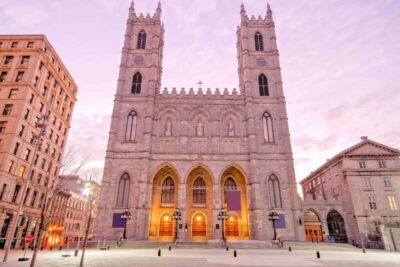

Montreal Mile End Authentic Food Tour with 7 Delicacies Tastings
Read our review →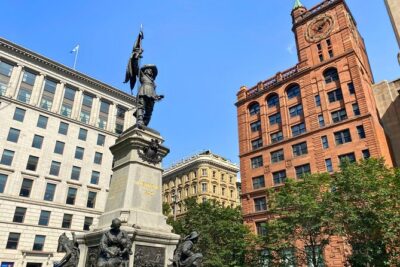
The Original Old Montréal Walking Tour by Guidatour
Read our review →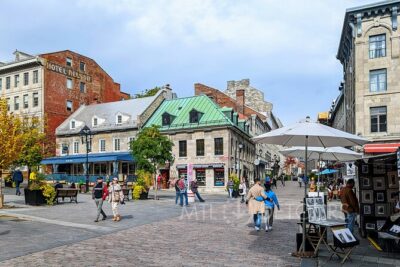
Old Montreal Small-Group Walking Tour | Max 10 | by MTL Detours
Read our review →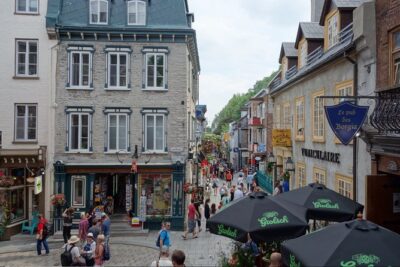
Montreal City Sightseeing Tour with Live Commentary
Read our review →
Browse the lists this tour appears in