
Reviewed · OLD MONTREAL & OLD QUEBEC TOURS
Montreal: Old Montreal Guided Walking Tour
Old Montreal makes the most sense on foot. Its stone buildings, narrow streets, public squares, and riverfront views are packed close together, and a good guide helps you connect the architecture to Montreal’s beginnings. This two-hour walk covers the major sights without turning the morning into a history lecture.
I especially like the small maximum of 15 people, which gives you a fair chance to hear the guide and ask questions. I also like the practical advice built into the walk. Guides such as Debbie, Chantal, Eduardo, and Louise are praised for restaurant, museum, and sightseeing suggestions that can shape the rest of your visit.
The main consideration is pace. You see a lot in two hours, but this is an introduction rather than a slow tour of every building. Some stops are viewed from outside, and bad weather can affect the experience since you are on foot throughout.
At a glance
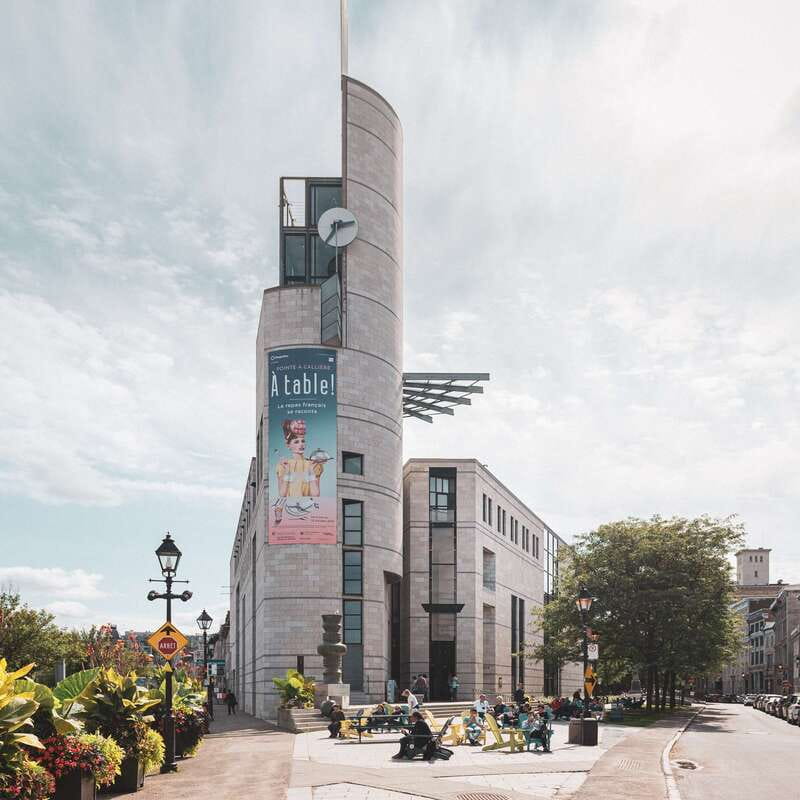
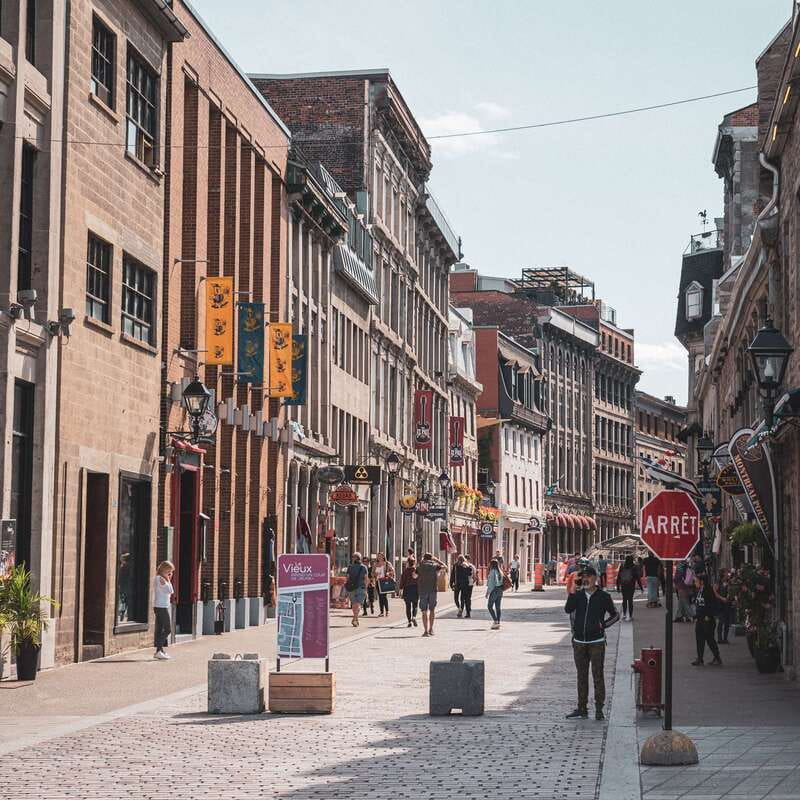
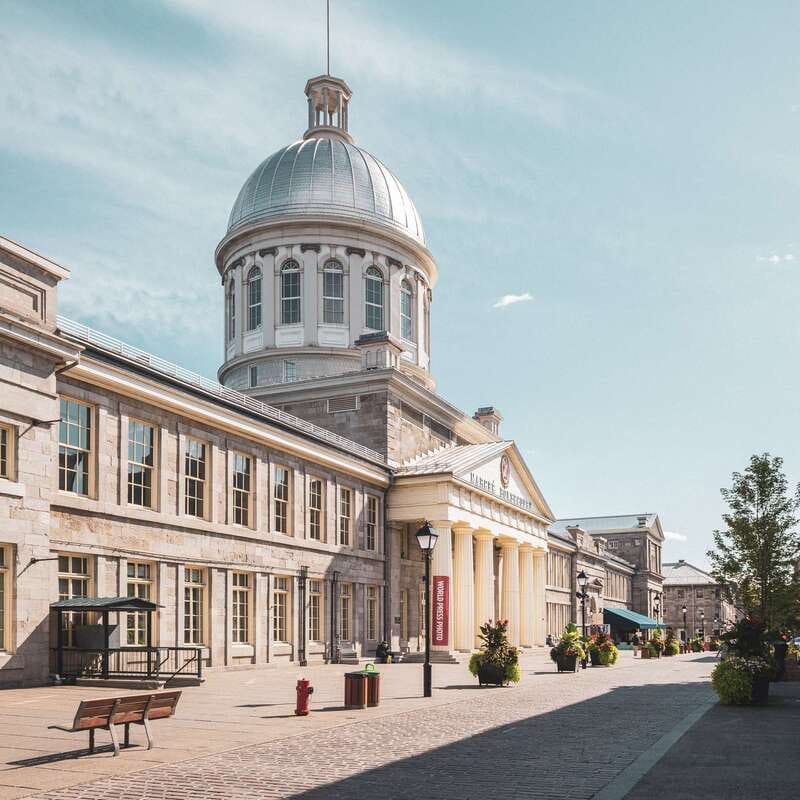
- A compact route through Old Montreal: Visit Place d’Armes, Notre-Dame Basilica, the Old Sulpicians’ Seminary, Place Jacques-Cartier, Bonsecours Market, and Saint-Paul Street.
- A small-group format: The tour allows up to 15 participants, with some departures potentially much smaller.
- A strong first-day activity: Use the guide’s suggestions for museums, restaurants, and places to explore after the walk.
- River views included: The route gives you time to look toward the Saint Lawrence River and take photographs.
- English guidance throughout: The live tour is conducted in English.
- Good value at $25: Two hours of orientation, history, and local advice costs less than many longer sightseeing activities.
Why Old Montreal is best understood on foot
Old Montreal is one of the oldest districts in North America, and its appeal comes from the way the streets bring several periods of the city together. You can look from a public square to a church facade, then turn down a narrow street lined with old stone buildings. A vehicle tour would show you the same area, but it would not give you the same sense of scale.
The walking route also lets the guide pause when a detail matters. You may stop to discuss a building’s role, the way Montreal grew, or the people connected with a particular site. That makes the district feel less like a collection of handsome facades and more like a city with a clear story.
I would take this tour early in a Montreal visit. The route gives you a useful map of Old Montreal, and the restaurant and museum tips can save you from spending the rest of your stay choosing blindly. Several guides are praised for answering questions and adding personal stories, so you get more than a memorized list of dates.
The $25 price is sensible for a two-hour guided walk. You are paying for orientation, context, and the chance to ask a local guide what deserves your time next. If you already know Old Montreal well, the value is lower. For a first visit, especially a short one, the price is easy to justify.
Other walking tours in Montreal:
- The Original Old Montréal Walking Tour by Guidatour
★ 4.5 · 2,217 reviews - Old Montreal Small-Group Walking Tour | Max 10 | by MTL Detours
★ 5.0 · 2,088 reviews - Montréal: The Original Old Montréal Walking Tour
★ 4.8 · 911 reviews
Meeting at Place d’Armes
The tour begins at the steps of the BMO bank on Place d’Armes. This is a useful meeting point because you start in one of Old Montreal’s key public spaces rather than at a generic street corner.
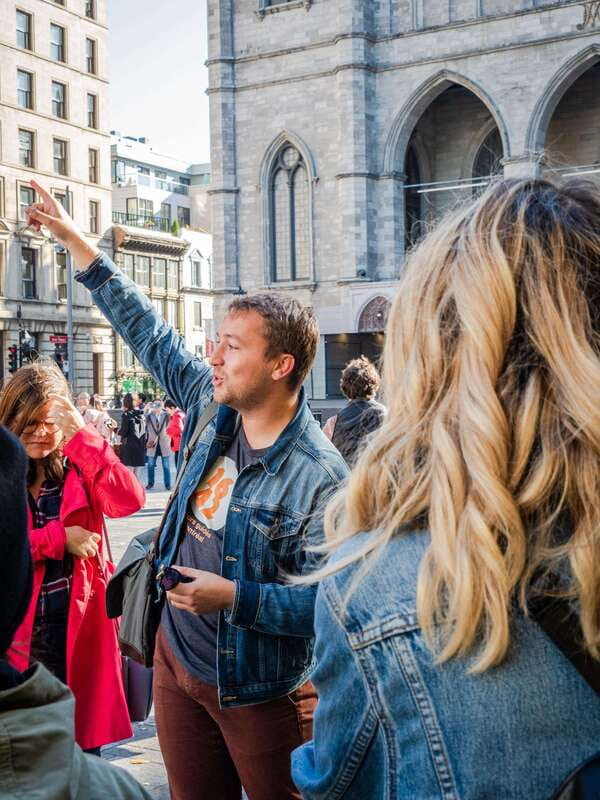
Your guide provides the itinerary and sets the tone for the walk. Since the group can include as many as 15 people, arrive ready to stay close and listen near busy streets. The small format should make it easier to hear than on a large coach-style excursion, though the exact group size can vary.
The guides are one of the strongest parts of this experience. Chantal is repeatedly praised for combining information with humor. Debbie is known for practical suggestions and a lively pace. Eduardo is described as clear and funny, while Louise brings a strong sense of connection to Quebec and Montreal. Other named guides include Sandrine, Simona, Elise, Françoise, Madeleine, and Simone.
You should not expect the exact same personality on every departure. That is normal for a tour led by several guides. The consistent theme is clear communication, local pride, and an openness to questions.
Place d’Armes and the city’s beginnings
Place d’Armes gives the guide a natural starting point for explaining how Montreal was founded. The discussion sets up the rest of the walk by showing how the city began and how it grew into the second-largest city in Canada.
This is where the tour’s context matters. Without an introduction, Old Montreal can look like a photogenic district preserved for visitors. With a guide, the streets become part of a longer story about settlement, expansion, civic life, religion, commerce, and the city’s changing role.
Expect a stop rather than a long indoor presentation. The guide explains the setting, points out important buildings, and leaves room for questions. Some participants have found that the tour covers a great deal in two hours, which is useful if you want a broad introduction but less ideal if you prefer extended time at every site.
Place d’Armes is also a strong photo stop. You can take in the surrounding architecture before moving on, but keep your camera ready throughout the walk. Old Montreal’s appeal often appears in small details along side streets, not only at the headline landmarks.
The Old Sulpicians’ Seminary and Montreal’s early institutions

The Old Sulpicians’ Seminary is one of the notable historic buildings on the route. The guide uses it to explain the religious and civic forces that helped shape early Montreal.
This stop is valuable because it adds depth to the architecture. You are not simply looking at an old facade. You are learning why institutions mattered in the city’s early development and how buildings like this fit into the wider story.
The tour does not promise entry to every landmark, so plan on learning about some sites from the street. That is an important distinction if your main goal is seeing interiors. The walk is designed to introduce the district, not replace a separate visit to every museum, church, or historic building.
Still, the outside perspective works well for a first pass. You can note which places deserve a return visit, then use the guide’s suggestions to plan a quieter look later.
Other old-quarter walks in Montreal:
- Old Montreal: Traditional Ghost Walk of the Haunted City
★ 4.7 · 746 reviews - Old Montreal Ghost Walking Tour
★ 4.5 · 726 reviews - Montreal: Top Rated Small Group Old Montreal Walking Tour
★ 4.9 · 611 reviews - Walking tour of Old Montreal – 16/42 Tours
★ 5.0 · 592 reviews
Notre-Dame Basilica and the power of a landmark
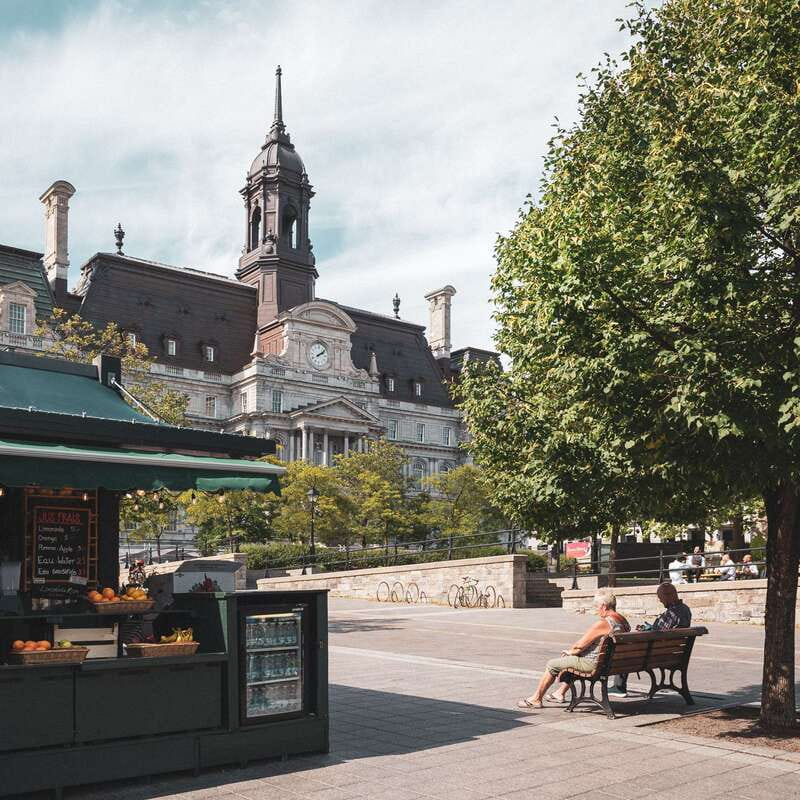
Notre-Dame Basilica is one of the tour’s major visual highlights. Its presence gives the route a clear focal point, and the guide explains its place in Montreal’s story and built environment.
You should check your expectations here. This experience includes seeing the basilica as part of the walking route, but the supplied details do not promise admission or a guided interior visit. If you want to go inside, treat that as a separate plan and confirm the basilica’s current opening arrangements.
Even from outside, the stop helps you understand how religious buildings shaped Old Montreal’s appearance. The guide can point out architectural features and explain why the site matters, while you get time for photographs and questions.
The basilica also shows why a live guide can be more useful than a phone map. A map can tell you where the building is. A guide can connect it to the surrounding square, nearby institutions, and the growth of Montreal.
The riverfront and the Saint Lawrence views
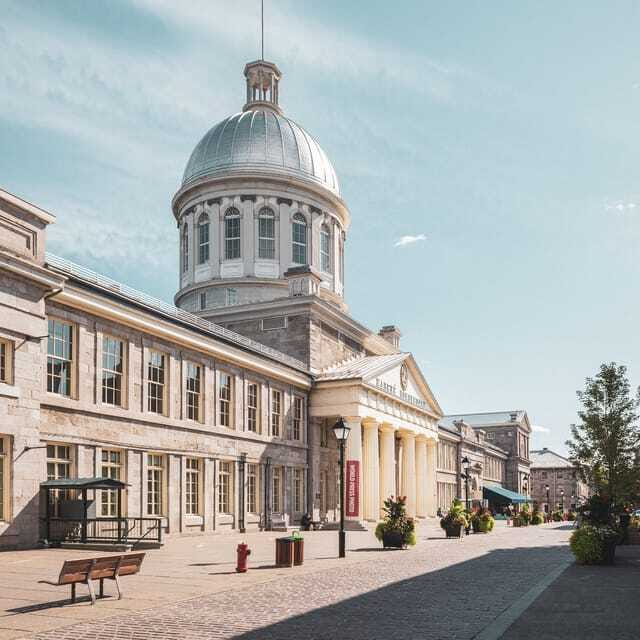
The route includes time to enjoy views of the Saint Lawrence River. This pause gives the walk a welcome change from close streets and stone walls.
The river matters to Montreal’s identity and growth, so the view is not just a scenic break. It helps you see the city in geographic terms. You can understand why this location supported expansion and why the waterfront remains an important part of the city experience.
Bring water and wear comfortable shoes. The route is outdoors for two hours, and the weather can change the feel of the walk. One guide reportedly looked for shade during a hot departure and made sure everyone could hear. Another kept the group moving through cold and rain without skipping the planned points of interest. That suggests attentive guiding, but you should still dress for the forecast.
The tour information recommends snacks, water, and a reusable bottle. Those are small things, but they matter when you are walking continuously and stopping at several sites.
Place Jacques-Cartier, Bonsecours Market, and Saint-Paul Street
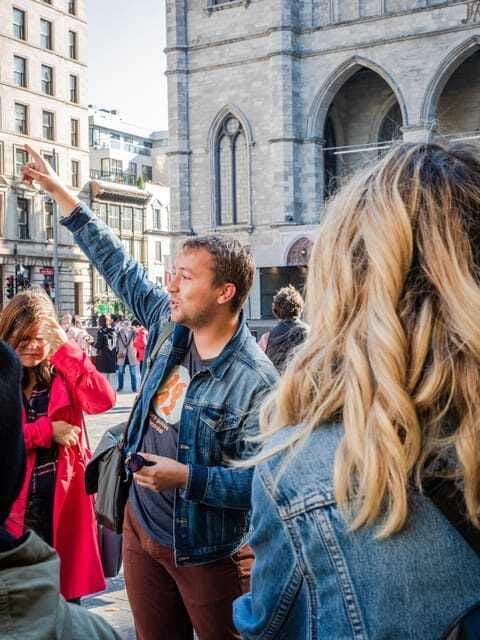
Place Jacques-Cartier brings the tour into one of Old Montreal’s most recognizable public spaces. The guide explains the square and its place in the district, while you get another chance to see the contrast between open civic space and the narrow surrounding streets.
Bonsecours Market adds another layer to the walk. Like the other stops, it helps show how Old Montreal developed as a working city, not only as a collection of historic buildings. The guide’s explanation gives you a better reason to notice the building instead of passing it as just another photo stop.
Saint-Paul Street is likely to appeal most if you enjoy atmosphere and details. Its historic character makes it a natural place for a guide to point out architecture, stories, and places worth returning to. One participant found a favorite street during the walk and later returned there for dinner, which is exactly the sort of practical result a good orientation tour can provide.
Do not expect a restaurant crawl or shopping tour. Food and local recommendations come as part of the conversation, not as formal tastings. That keeps the cost low and leaves you free to return to the places that interest you.
The guide’s storytelling and local advice
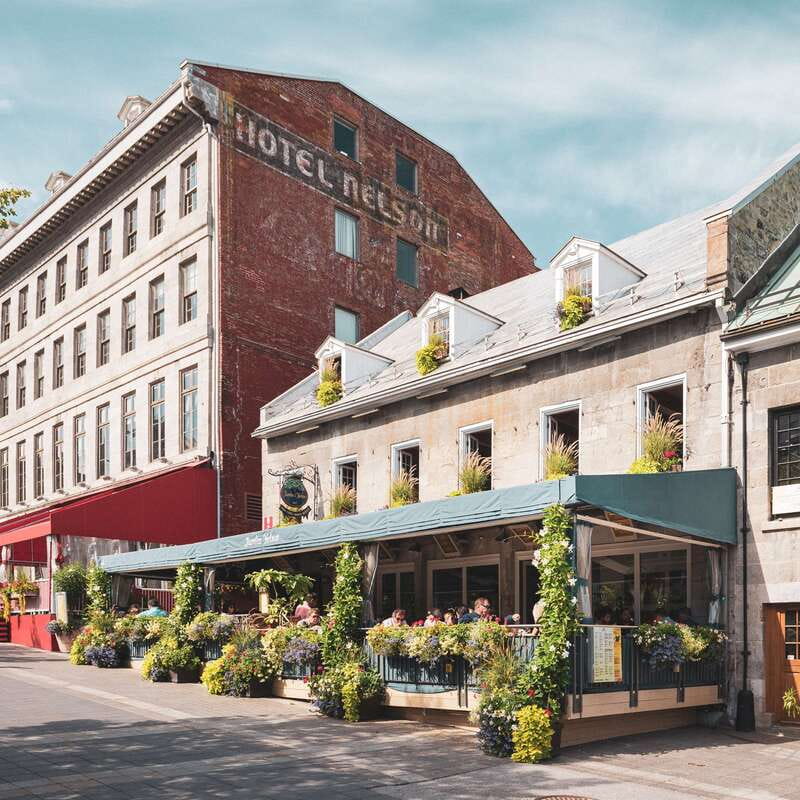
The strongest pattern across the guide team is the mix of facts, humor, and personal suggestions. Several guides are described as easy to understand, cheerful, and responsive to questions. That matters because two hours of dates and building names can become tiring if the delivery is flat.
The best guides make the history useful. They explain what you are seeing, then suggest what to do next. You may leave with ideas for museums, restaurants, and other parts of Montreal that were not part of the walk.
Families can also find value here. One guide included two children in the conversation through creative questions and activities. That does not mean every departure is designed specifically for children, but it suggests that the experience can work for mixed-age groups when the guide is attentive.
The walk also suits solo visitors. A small group gives you a built-in social setting without the scale of a large organized excursion. If you have questions about the city, this is a good moment to ask them before you spend the rest of your stay exploring on your own.
Pace, weather, and what to bring
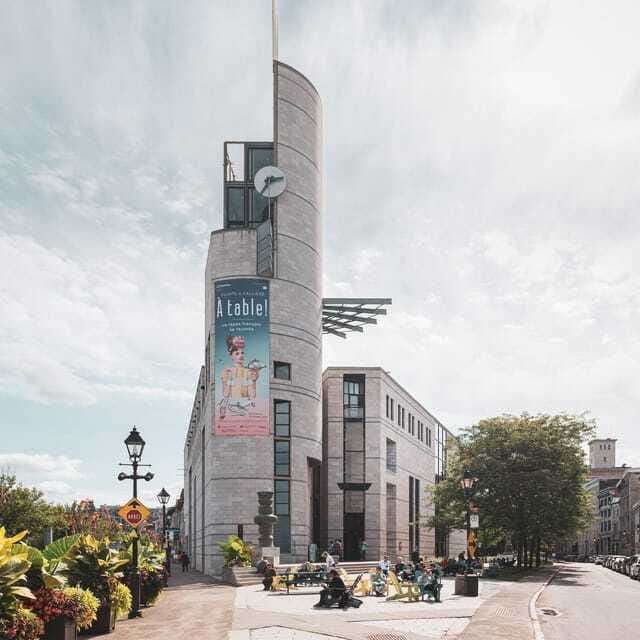
Two hours is long enough to cover the major Old Montreal sights but short enough to fit into a busy day. The pace is described as steady and well managed, with guides keeping the group on schedule.
That pace has two sides. You get a broad introduction and plenty of stops, but you may wish for extra time at some locations. If you are a serious architecture fan or want detailed historical discussion, plan to revisit the sites afterward.
Comfortable shoes are essential. Bring water, a reusable bottle, and a snack. There is no promise of indoor shelter during the route, so rain gear or sun protection may be useful depending on the forecast.
The experience operates in English. If you prefer a tour in another language, this is not the right choice. The listing does not provide accessibility details, so contact the operator before booking if you need specific arrangements.
Cancellation is flexible: you can cancel up to 24 hours ahead for a full refund. You can also reserve now and pay later, which helps if your schedule is still changing.
Who should book this Old Montreal walk?
I would recommend it most strongly to first-time visitors, short-stay visitors, solo explorers, couples, and families who want a clear introduction before choosing their own follow-up activities.
It is also a good fit if you enjoy asking questions. The small group and live guide make the walk more adaptable than a self-guided route. You can ask about a building, a neighborhood, food, museums, or how to spend the rest of your day.
You may want something else if you want a long interior visit at Notre-Dame Basilica, a food-focused experience, or a highly specialized architecture tour. This walk covers many places from the outside and gives you a broad foundation.
At $25, the tour earns its price through orientation and local guidance rather than access to paid attractions. I would book it near the start of your Montreal stay, then use the rest of your trip to follow up on the guide’s recommendations.
FAQ
How long is the Old Montreal Guided Walking Tour?
The tour lasts two hours.
What does the tour cost?
The price is $25 per person.
Where does the tour meet?
Meet your guide on the steps of the BMO bank at Place d’Armes.
What language is the tour conducted in?
The live guided tour is conducted in English.
How large can the group be?
The tour has a maximum of 15 participants.
Which landmarks are included?
The route includes Place d’Armes, the Old Sulpicians’ Seminary, Notre-Dame Basilica, Place Jacques-Cartier, Bonsecours Market, and Saint-Paul Street.
Will I see the Saint Lawrence River?
Yes. The tour includes time to enjoy views of the Saint Lawrence River.
Does the tour explain Montreal’s origins?
Yes. The guide explains how Montreal was founded and how it grew into the second-largest city in Canada.
What should I bring?
Wear comfortable shoes and bring water, a reusable water bottle, and snacks.
Can I cancel for a refund?
Yes. You can cancel up to 24 hours in advance for a full refund. You can also reserve now and pay later.
More walking tours elsewhere in Canada
- The Essential 101 Non-Touristy Walking Tour by Spade & Palacio
★ 5.0 · 716 reviews - Montreal: Private Walking Tour with a Local
★ 4.4 · 420 reviews - Old Montreal Private Walking Tour
★ 5.0 · 314 reviews - Montréal: Old Town Small Group Guided Walking Tour
★ 4.8 · 258 reviews
Just added in Montreal
- Montréal: Maple Syrup Tasting Conference!★ 5.0 · 59 reviews
- Haunted Old Montreal★ 4.5 · 71 reviews
- Haunted Montreal Pub Crawl★ 4.5 · 108 reviews
- Montreal Zipline Adventure★ 4.5 · 215 reviews
- Highlights & Hidden Gems of Old Montreal walking tour By FITZ MTL★ 5.0 · 230 reviews
- From Montreal: Mont-Tremblant National Park Hiking Day Trip★ 4.6 · 243 reviews
- Montreal Private Food Tour – Taste 6+ Dishes in Trendy Mile End★ 5.0 · 240 reviews
- From Montréal: Québec City, River Cruise & Montmorency Falls★ 4.5 · 262 reviews
Old Montreal & Old Quebec Tours, compared.
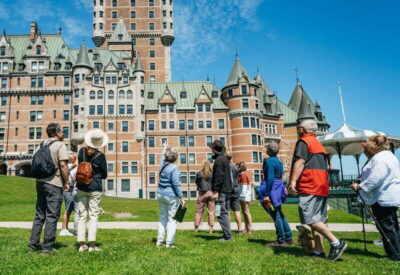
Old Quebec City: Grand Walking Tour with Private Option
Read our review →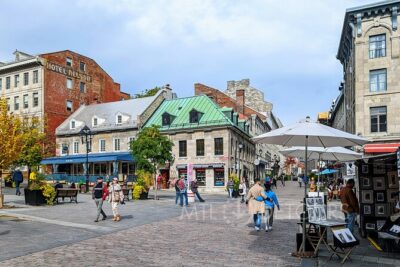
Old Montreal Small-Group Walking Tour | Max 10 | by MTL Detours
Read our review →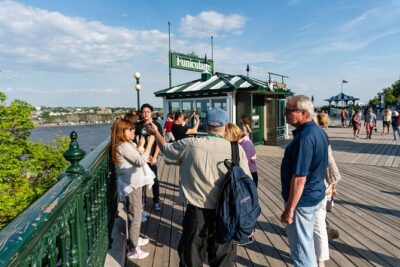
Old Quebec Classique Walking Tour with Funicular
Read our review →
Old Quebec City Food Tour with 10+ Autentic Local Tastings
Read our review →

Old Montreal: Traditional Ghost Walk of the Haunted City
Read our review →
Browse the lists this tour appears in