
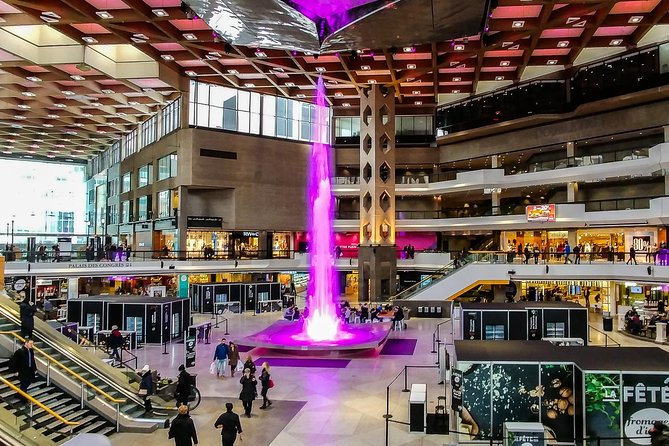
Reviewed · TOURS IN MONTREAL
Montreal RESO Underground City + Downtown Tour by MTL Detours
Montreal’s RÉSO is not one giant cave beneath the city. It is a huge web of indoor passageways, shopping areas, restaurants, offices, public spaces, and connections between downtown buildings. This two-hour walking tour helps you make sense of that maze, then repeatedly brings you back outside to connect the underground network with Montreal’s streets, architecture, and past.
I like the mix of practical navigation and city storytelling. I also like the small-group format, capped at 12 people, which makes it easier to hear guides such as Sylvia, Martin, Catherine, and Darren and ask questions. The main caution is pace: you cover about 4 kilometres with stairs and escalators, so this is not a slow stroll.
Key points to know
- You move above and below ground: The route combines RÉSO passageways with downtown streets, giving you a clear sense of how the two levels fit together.
- The tour is useful on your first day: You learn shortcuts and landmarks that can make later walks through downtown much easier.
- Architecture and public art are part of the route: The guide points out selected works and design details, though art is one theme among several.
- You walk steadily for two hours: Good shoes matter, and the tour is not designed for a slow pace.
- The group stays small: A maximum of 12 people allows for a more personal experience and easier conversation.
- The price is modest for a guided orientation: At $35.30 per person, you are paying mainly for local context and practical direction, not admission to a major attraction.
Making sense of Montreal’s RÉSO
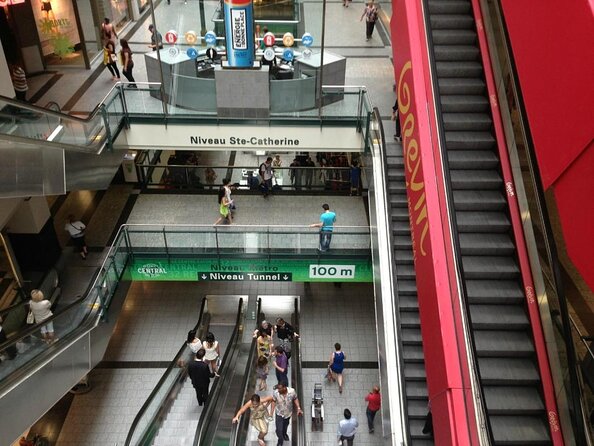
The useful thing about this tour is that it treats the Underground City as part of Montreal’s downtown, not as a separate attraction. You do not simply walk through anonymous corridors and tick off a few shops. You learn how the indoor network relates to the city above it.
That matters because RÉSO can be confusing at first. Different buildings connect at different levels, corridors lead toward offices and commercial areas, and the same downtown blocks can look quite different underground. A guide gives you reference points, explains the connections, and helps you understand how to use the system rather than merely pass through it.
The route covers selected parts of the network, not every tunnel. That is a sensible approach. The RÉSO system is too large to see in full during a two-hour walk, and trying to cover everything would leave you with a blur of hallways. Instead, you get an introduction to the layout, the way Montreal developed below street level, and the places most useful for orientation.
I especially like the way the tour appears to build confidence. After two hours, you should have a better idea of how to move through the downtown core without constantly returning to street level. One person who joined the tour wished they had done it on the first day, a fair point. The value increases if you use the information afterward.
Other trips people book in Montreal:
- Montreal: Guided Bus Tour
★ 4.4 · 3,064 reviews - Montreal: Hop-On Hop-Off Double-Decker Bus Tour
★ 4.1 · 2,760 reviews - From Montreal: Quebec City and Montmorency Falls Day Trip
★ 4.5 · 2,669 reviews
Starting at McGill College Avenue
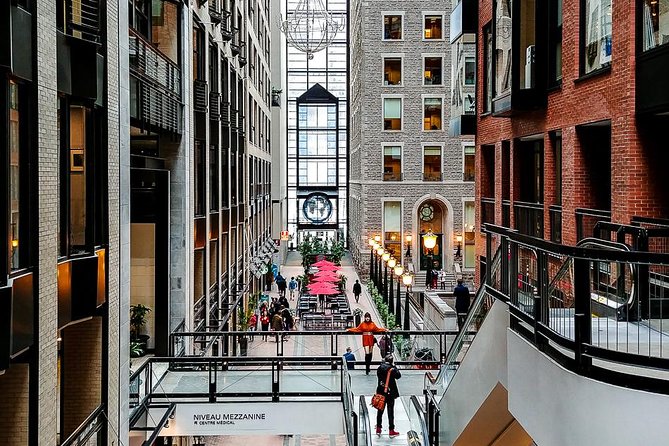
The meeting point is Café Humble Lion at 1204 Avenue McGill College. You make your own way there, so allow time to locate the café and arrive ready to walk. The tour does not include hotel pickup or drop-off.
Starting downtown makes practical sense. You begin in the heart of the central city, close to public transportation, and quickly move into the relationship between Montreal’s outdoor streets and its indoor routes. The opening portion sets the context for the rest of the walk instead of dropping you straight into a confusing corridor.
Your guide may be Sylvia, Jeff, Carolina, Martin, Catherine, Darren, Darin, Louis, Amelie, Gabriela, or Thom, depending on the date. The guide roster varies, but the best descriptions of the experience point to a mix of clear explanations, humor, and willingness to answer questions. Carolina’s humor, Martin’s energy, and Darren’s ability to connect the tunnels to Montreal’s larger story are useful examples of the tone you can expect.
Do not assume the tour feels like a quiet museum visit. You are walking through working downtown spaces, and the group needs to keep moving. The guide has to balance commentary with distance, so save detailed questions for natural stopping points.
Walking the indoor network
The RÉSO portion is the central reason to book. You see key passageways and indoor public areas, along with commercial and business spaces. Shops and restaurants help show how the underground network functions as part of daily city life, not simply as a novelty for visitors.
The indoor route also has a practical benefit in winter. Montreal can be cold and snowy at street level, while the interior network gives you a way to cover parts of downtown away from the worst weather. One of the pleasures of the experience is seeing how useful this system can be during unpleasant conditions.
Still, the Underground City is not a polished attraction with a single entrance, ticket hall, and tidy circuit. It is a working network with multiple levels and connections. You might find the route visually repetitive in spots, and some corridors are more functional than beautiful. That is exactly where the guide earns the admission price by explaining what you are seeing and why the system matters.
This is also why I would not recommend trying to recreate the entire experience alone on a first visit. You can walk through RÉSO without a guide, but you may miss the logic behind the connections, the architectural details, and the historical reasons for the development below ground.
Stepping outside for architecture and orientation
The tour regularly returns to street level. This is one of its strongest features because the outdoor stops prevent the Underground City from becoming an enclosed maze.
Above ground, the guide points out downtown sights, architecture, and public spaces. You gain visual markers that help you locate the areas you have just crossed underground. That back-and-forth movement gives the tour its shape: corridor, street, building, corridor again.
You also get a broader look at Montreal’s development. The emphasis is not limited to the tunnels. Guides discuss the city’s architecture, urban planning, cultural and political background, and the way downtown evolved. That broader frame helps explain why the RÉSO network is where it is and how it became part of the city’s daily rhythm.
If you are hoping for a pure public-art walk, adjust your expectations. The guide points out selected artistic and architectural highlights, but public art is only one part of the experience. The focus is the larger downtown story and the practical task of understanding the underground network.
Same base, a different sort of day:
- Montreal Mile End Authentic Food Tour with 7 Delicacies Tastings
★ 5.0 · 2,598 reviews - Quebec City and Montmorency Falls Day Trip from Montreal
★ 4.0 · 2,437 reviews - The Original Old Montréal Walking Tour by Guidatour
★ 4.5 · 2,217 reviews - Old Montreal Small-Group Walking Tour | Max 10 | by MTL Detours
★ 5.0 · 2,088 reviews
Public art, design, and the details above your head
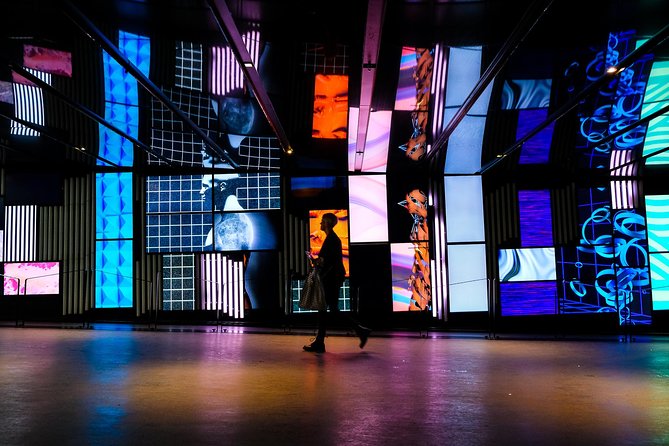
The artistic stops give the walk visual variety. Instead of treating RÉSO as a simple route from one indoor location to another, the guide draws attention to design features and public art along the way.
The amount of time devoted to art may vary with the route and the guide. If art is your main reason for booking, ask yourself if you want a dedicated gallery or public-art tour instead. This experience offers selected works within a wider history and architecture walk.
For me, that broader mix is the better value for most first-time visitors. You get enough art to make the route more interesting, while also learning how to navigate downtown and understand its development. The tour is more useful than a list of isolated objects because each stop has a reason for being there.
Bring a phone or camera if you like taking pictures. Photography is allowed, according to the tour information, though you should remain aware of other people using the indoor spaces.
A steady 4-kilometre walk
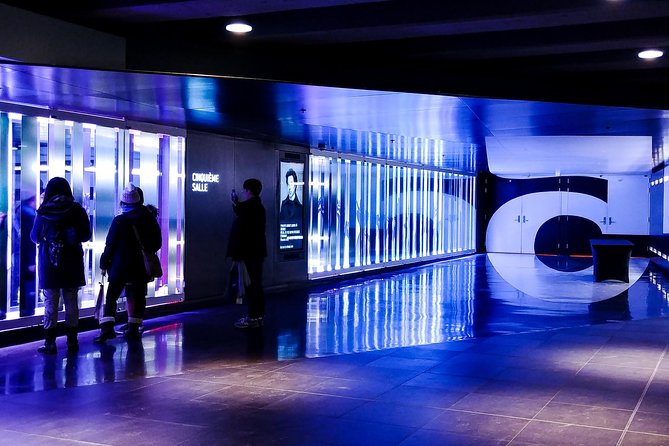
The physical demands are easy to underestimate. Two hours may sound short, but the route covers about 4 kilometres at a steady city-walking pace. It includes several sets of stairs and escalators, plus repeated transitions between indoor and outdoor areas.
Wear comfortable walking shoes. That is the single most useful preparation tip. You are on your feet for the full experience, and stopping often does not turn it into a leisurely stroll.
The tour is not suitable for people with mobility issues, serious medical conditions, or a very slow walking pace. The information also advises against booking if you have impairments that make steady city walking difficult. If you need a slower rhythm or frequent rests, this may not be the right fit.
Weather matters because part of the route is outside. Dress for Montreal’s conditions rather than assuming the Underground City will keep you indoors. A coat, suitable footwear, and clothing you can manage comfortably indoors will make the transitions easier.
Why the small group matters
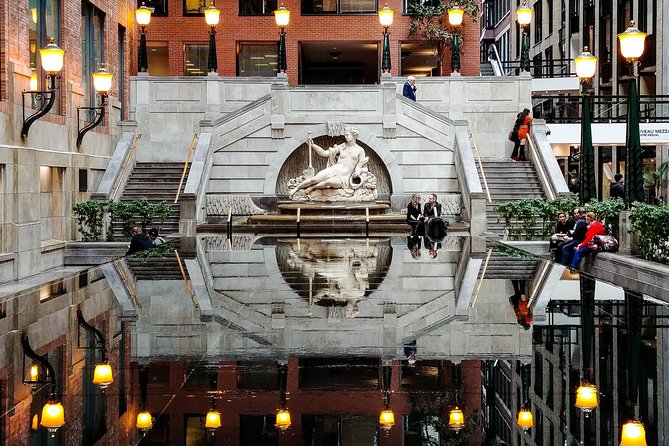
The maximum group size is 12. That is small enough for you to hear the guide more clearly in busy indoor areas and to ask questions without holding up a large crowd.
A private or small-group format also makes the history feel less canned. Guides have room to respond to questions about architecture, local life, restaurants, and how to get around. The strongest guide experiences described by the tour company include patient answers, humor, and a steady effort to keep the group together.
There is still a tradeoff. A small group does not guarantee a slow pace. The route covers a set distance in a limited time, and one disappointed participant found the guide too fast. The company’s response made the point clearly: the tour is designed to cover a lot of ground, and it is not exclusively a tour of underground passageways or public art.
That distinction is important before you book. You are choosing a brisk orientation walk, not a relaxed, highly focused architectural seminar.
What $35.30 gets you
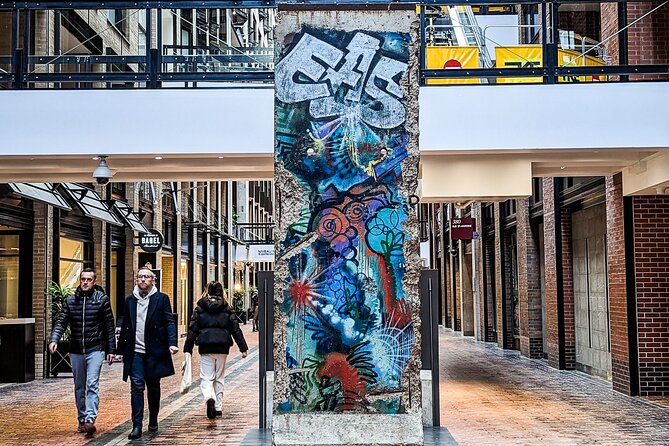
At $35.30 per person, the price is reasonable if you value explanation and orientation. You are not paying for entry to a major attraction, since the experience uses public indoor and outdoor areas. You are paying for a licensed, certified guide with the required City of Montreal guiding permit, a planned route, local context, and the confidence to use RÉSO afterward.
The value is strongest during a short Montreal visit. If you have only a day or two, learning the downtown layout can save time and reduce the frustration of wandering through connected buildings. The guide also provides a list of recommendations for places to discover in Montreal and the surrounding area, including suggestions about where to eat.
It is less useful if you already know RÉSO well or mainly want to browse shops at your own speed. You can explore the indoor network independently, but you will lose the organized explanation of how the system fits together.
Tips are not included. Gratuities are optional, customary, and appreciated if your guide gives you a helpful, engaging introduction to the city.
Ending at the World Trade Center
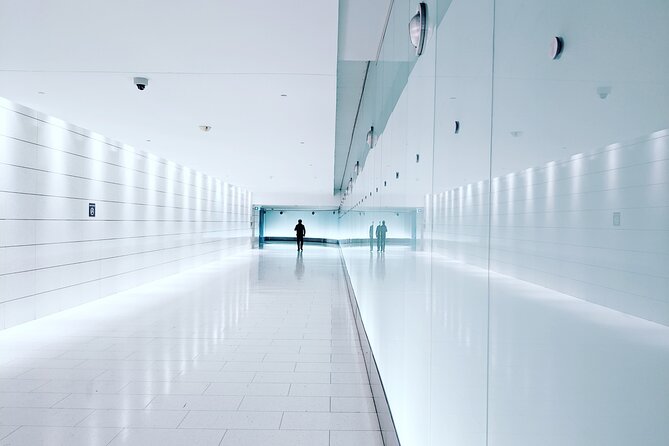
The walk ends at the Centre de commerce mondial de Montreal, also called the World Trade Center, at 747 Rue du Square-Victoria. This finish gives you a useful downtown location for continuing your day.
The end point is not the same as the starting café, so plan for a one-way walk. That is not a problem for most people, but it is worth noting if you have parked near the start or need to return to a hotel. The ending also reinforces the tour’s purpose: you are being shown how different parts of central Montreal connect, rather than taken around a loop.
From here, you can continue exploring on your own with a better sense of direction. The recommendation list from MTL Detours adds value at this stage, especially if you want help choosing a restaurant or another place to visit.
Who will get the most from this tour
I would choose this tour for a first visit to Montreal, especially in cold or snowy weather. It gives you a city overview without spending the full two hours outdoors, and it helps you understand an unusual feature of Montreal that can otherwise feel confusing.
It also suits you if you like history, architecture, urban design, and practical local advice in equal measure. The guides bring different personalities, but the experience consistently aims to connect the tunnels with the story of the city.
It may suit Montreal residents, too. A local who knows the streets above ground may still be unfamiliar with the RÉSO system or the history behind its development. The tour has even been useful for people who already live in Montreal.
I would skip it if you want a slow photography walk, a dedicated public-art tour, or a route designed around accessibility needs. The pace, stairs, escalators, and changing weather conditions are central parts of the experience.
Booking and cancellation details
All participants need a paid ticket, and the minimum age is 12. Anyone under 18 must be accompanied by an adult.
You can cancel for a full refund up to 24 hours before the start time. Changes or cancellations inside that window are not accepted and are not refunded. The tour may also be canceled if poor weather affects the outdoor portion or if the minimum number of participants is not reached. In either case, you are offered another date or experience, or a full refund.
Should you book the Montreal RÉSO tour?
Yes, if you want a useful first look at downtown Montreal and prefer learning the city while walking through it. The best reason to book is not simply to see an underground corridor. It is to understand how the RÉSO network, downtown streets, architecture, public art, and local history fit together.
Book it early in your visit if you can. You will have the rest of your stay to use the indoor shortcuts and follow the guide’s food and sightseeing suggestions.
Skip it if your pace is slow, stairs are difficult, or you expect two hours spent almost entirely below ground. For most active visitors, though, the mix of practical direction and city context makes $35.30 a fair price for a compact Montreal orientation.
FAQ
How long is the Montreal RÉSO and Downtown Tour?
The tour lasts approximately two hours.
How far do you walk?
The route covers about 4 kilometres, or 2.5 miles, at a steady city-walking pace.
Is the tour entirely underground?
No. It combines indoor sections of Montreal’s RÉSO network with outdoor downtown sights.
Where does the tour start?
It starts at Café Humble Lion at 1204 Avenue McGill College in Montreal.
Where does the tour end?
It ends at the Centre de commerce mondial de Montreal, also called the World Trade Center, at 747 Rue du Square-Victoria.
What language is the tour offered in?
The tour is offered in English.
Is there a minimum age?
Yes. The minimum age is 12, and minors must be accompanied by an adult. Every participant requires a paid ticket.
What should I wear?
Wear comfortable walking shoes and dress for outdoor weather. The route includes stairs, escalators, indoor areas, and outdoor sections.
Just added in Montreal
- Montréal: Maple Syrup Tasting Conference!★ 5.0 · 59 reviews
- Haunted Old Montreal★ 4.5 · 71 reviews
- Haunted Montreal Pub Crawl★ 4.5 · 108 reviews
- Montreal Zipline Adventure★ 4.5 · 215 reviews
- Highlights & Hidden Gems of Old Montreal walking tour By FITZ MTL★ 5.0 · 230 reviews
- Montreal: Guided Electric Boat Cruise with Onboard Drinks★ 4.5 · 246 reviews
- Montréal: Old Town Small Group Guided Walking Tour★ 4.8 · 258 reviews
- From Montreal: Mont-Tremblant National Park Hiking Day Trip★ 4.6 · 243 reviews
Tours in Montreal, compared.

Montreal Mile End Authentic Food Tour with 7 Delicacies Tastings
Read our review →
The Original Old Montréal Walking Tour by Guidatour
Read our review →
Old Montreal Small-Group Walking Tour | Max 10 | by MTL Detours
Read our review →
Montreal City Sightseeing Tour with Live Commentary
Read our review →
Browse the lists this tour appears in