
Reviewed · MUSEUMS
Toronto: Bata Shoe Museum Entrance Ticket
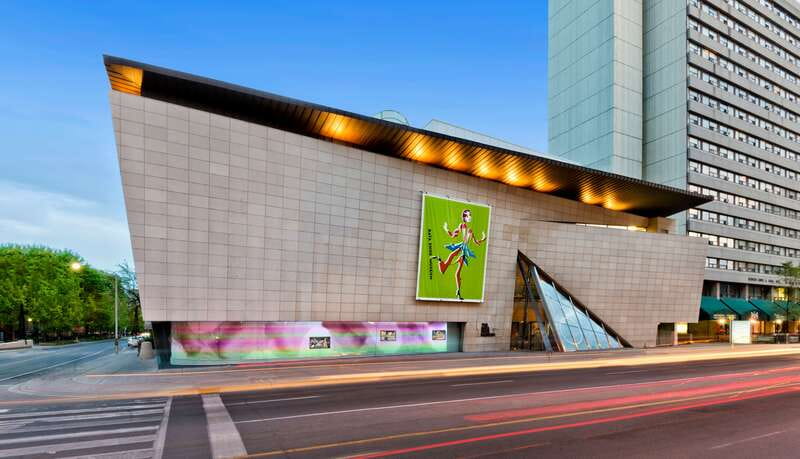
Toronto’s Bata Shoe Museum turns an everyday object into a doorway to world history. Inside its distinctive shoebox-shaped building, you’ll see footwear from 4,500 years of human life, including practical shoes, ceremonial pieces, fashionable designs, and examples tied to traditional clothing.
I especially like the global scope of the collection and the way the permanent All About Shoes exhibition explains how footwear changed over time. The four gallery spaces also keep the visit fresh, since rotating exhibitions may focus on fashion, social history, or a particular designer.
The main drawback is that the museum’s information is in English, so you should not count on French descriptions. Some visitors would also appreciate an audio or visual guide, and the washrooms are in the basement rather than on every level.
Key points to know before you go
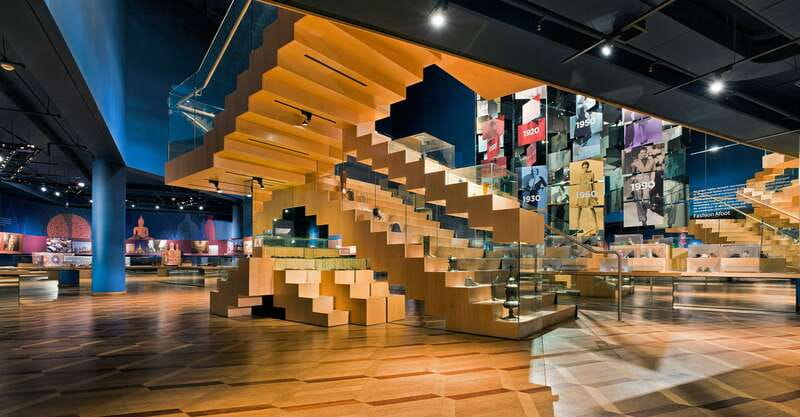
- 4,500 years of footwear: Follow the long story of shoes, from early examples to modern designs.
- Four changing gallery spaces: Rotating displays add subjects beyond the main chronological exhibition.
- A building shaped like a shoebox: Raymond Moriyama’s contemporary design is part of the experience.
- Sonja Bata’s collection: The museum grew from the founder’s worldwide interest in footwear.
- Good value at $11: Most people can see the main displays in about one to two hours.
- Easy downtown access: Reach 327 Bloor Street West by subway, car, or rideshare, with street and paid parking nearby.
Why a shoe museum belongs on your Toronto list
At first glance, a museum devoted to shoes might sound like a short novelty stop. The Bata Shoe Museum quickly proves more useful than that. Shoes reveal where people live, what work they do, how they mark ceremonies, and how ideas about beauty and status change.
That is the museum’s real strength. You are not simply looking at footwear in different colors and materials. You are seeing objects shaped by climate, religion, work, fashion, technology, and social custom.
The museum was founded from the collection of Sonja Bata, whose interest in footwear grew into one of the world’s major collections. That global reach gives the visit a wider purpose. A shoe can tell you about a person’s daily life just as clearly as a painting or household tool.
I would put this museum high on the list for visitors who enjoy design, clothing, anthropology, social history, or unusual Toronto attractions. It also works well when you want a compact indoor stop between larger downtown sights.
Other museums and galleries in Toronto:
- Toronto: Royal Ontario Museum Admission Ticket
★ 4.6 · 1,237 reviews - Royal Ontario Museum Admission
★ 4.5 · 411 reviews - Toronto: Art Gallery of Ontario General Admission Ticket
★ 4.6 · 251 reviews
Entering the shoebox-shaped museum
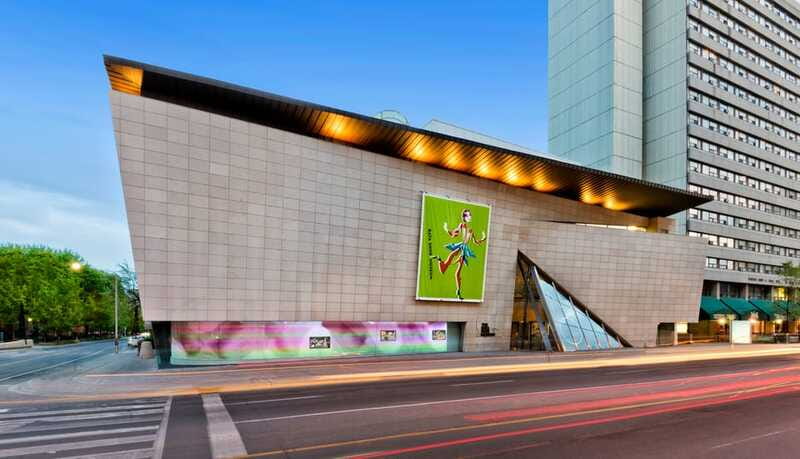
The building at 327 Bloor Street West is part of the fun. Designed by Canadian architect Raymond Moriyama, it has a spacious contemporary interior and a form that recalls a shoebox without turning the idea into a cartoon.
That design gives the museum a clear identity before you see a single exhibit. The light-filled interior also helps the displays feel modern rather than dusty or old-fashioned.
You enter with a general admission ticket and can explore at your own pace. There is no listed guided tour or named guide attached to this ticket, so plan on a self-guided visit using the exhibit text and displays. English is the stated language for the activity.
The museum provides complimentary WiFi, which is handy if you want to look up a detail as you go or share a photo of the building. Smoking is not allowed.
Following 4,500 years in All About Shoes
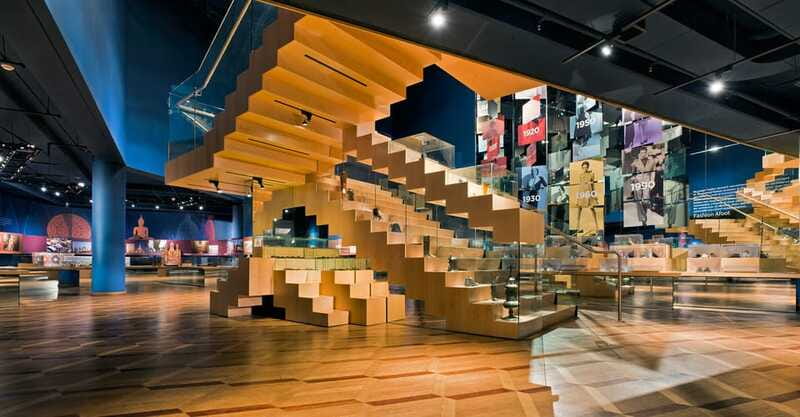
The permanent All About Shoes exhibition is the heart of the visit. It presents footwear across a very long stretch of time, helping you see how shoes reached their present form.
The chronological approach gives the collection structure. Instead of looking at one unusual pair after another, you can connect the objects to larger changes in materials, daily life, trade, and fashion.
Expect to see footwear of many kinds, including historic pieces, replicas, and examples from different parts of the world. The displays are particularly good for showing how a shoe can be practical and symbolic at the same time.
I like this section because it gives context to the objects. A beautiful shoe is easy to admire for a few seconds. A shoe placed within a story about work, ceremony, climate, or social position gives you a reason to remember it.
The basement holds the older historical artifacts, and it is worth making sure you reach that level. The route through the earliest periods is one of the most informative parts of the museum. Plan for the stairs or elevator as needed, since the museum is wheelchair accessible.
One practical point: the washrooms are in the basement. If you need one during the visit, take care of it before settling into the middle gallery spaces.
The rotating galleries and social history
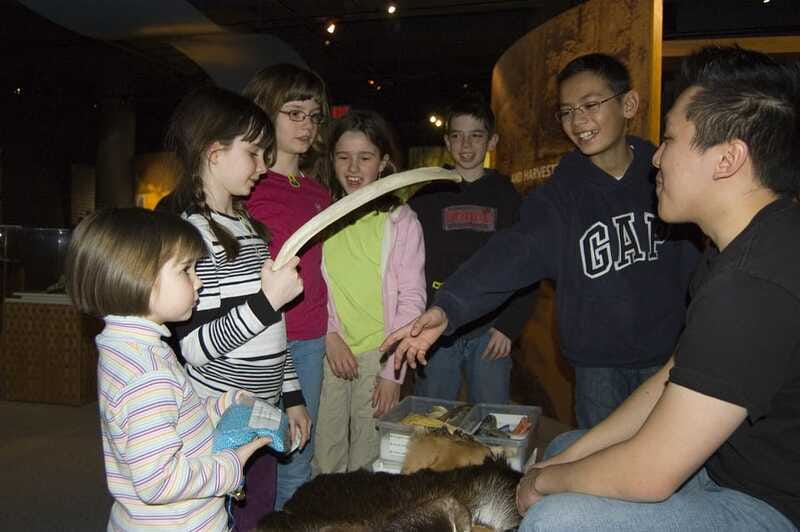
The museum has four innovative gallery spaces, with rotating artifacts and exhibitions. This is important because the visit is not limited to a single permanent display. A return trip can offer a different subject and a new way of looking at footwear.
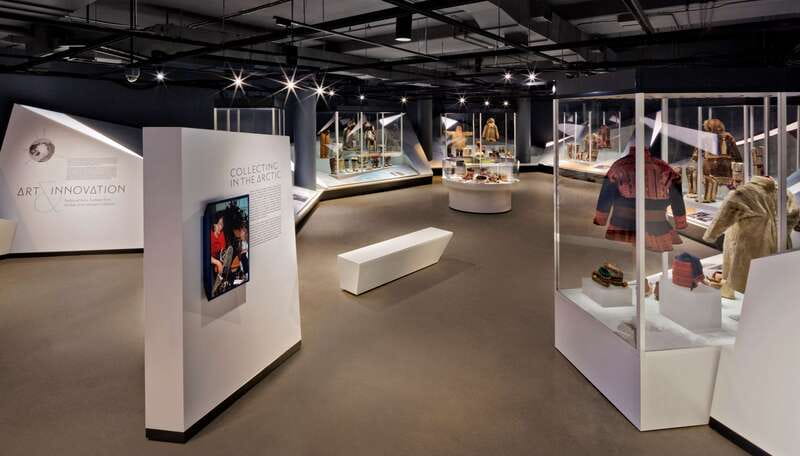
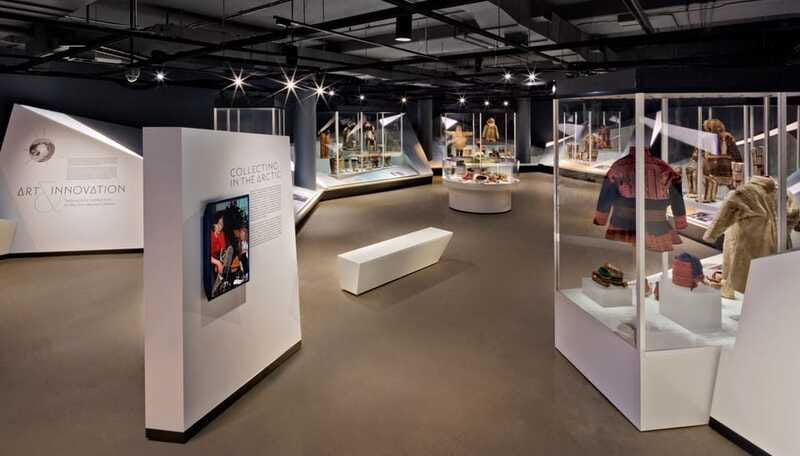
These changing exhibitions often connect shoes with wider social history. That may mean fashion, identity, tradition, craftsmanship, or the work of a particular designer. The exact display changes, so check the current exhibitions before you go if one subject is especially important to you.
Past displays have included a Manolo Blahnik exhibition, which gave the collection a strong fashion-design angle. The museum can show shoes as works of art, but it does not lose sight of their practical purpose.
You might also find displays related to traditional clothing from people living above the Arctic Circle. That kind of material is valuable because it moves the museum away from a narrow fashion focus. Footwear can be shaped by cold, snow, mobility, ceremony, and local materials just as much as by style.
The rotating galleries are also where repeat visits make the most sense. If you have already seen the permanent story, a new exhibition can give you a reason to return.
Same base, a different sort of day:
- Toronto: Niagara Falls Day Tour with Optional Boat Cruise
★ 4.6 · 3,178 reviews - Niagara Falls Day Tour from Toronto
★ 5.0 · 2,889 reviews - Toronto: Casa Loma Entry Ticket
★ 4.7 · 2,705 reviews - Niagara Falls Canada Day Tour From Toronto + Boat Cruise Option
★ 5.0 · 2,576 reviews
What the collection teaches beyond fashion
The most interesting lesson here is that footwear is never just footwear. Shoes can show how people adapt to their surroundings and how communities express belonging.
A pair designed for harsh weather tells you about the environment. A formal shoe can point to social expectations. A decorated or ceremonial piece may reveal beliefs about status, celebration, or identity.
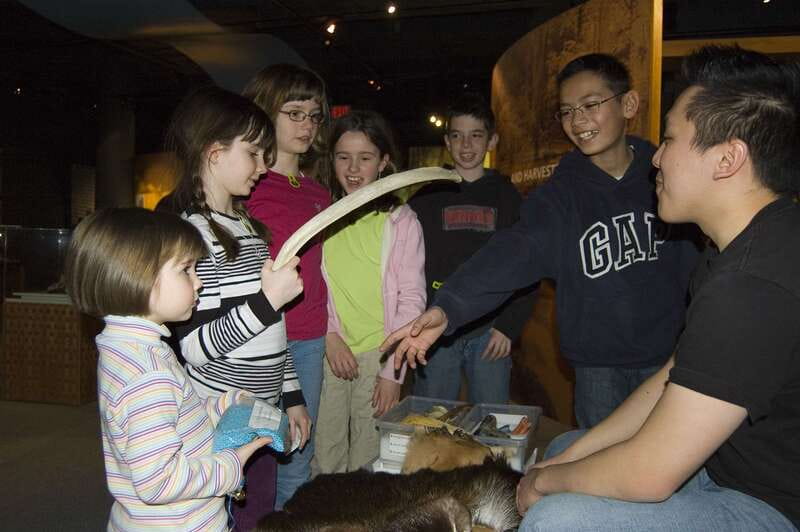
That makes the museum useful for families and students, but you do not need a specialist interest to enjoy it. The subject is familiar. Everyone understands the basic problem of protecting the foot, so the differences between cultures and periods are easy to grasp.
The collection also makes you notice modern habits. After seeing historic examples and footwear from other cultures, you may look differently at the shoes people wear every day. That is a good result for a museum visit: the objects stay in your mind after you leave.
Some pieces are genuine historical artifacts, while others are replicas or carefully presented examples. The combination helps explain the story, though visitors hoping to see only original objects should read the labels closely.
How much time should you allow?
You can see the museum in about one to two hours, depending on how carefully you read the labels and how long you spend in the rotating displays.
For a quick visit, focus on All About Shoes and then walk through the changing galleries. That gives you the main historical story without making the stop feel rushed.
If footwear, clothing, design, or cultural history interests you, allow closer to two hours. The collection rewards slow looking because small construction details and materials often matter as much as the overall shape.
This is not an all-day attraction for most people. That is a benefit if you are building a busy Toronto sightseeing plan. You can visit the museum without giving up half your day, then continue along Bloor Street or to another nearby cultural stop.
The museum’s one-day ticket validity gives you flexibility, but admission is for the museum rather than a timed tour with multiple departures. Check the available starting times when booking.
Is the $11 ticket good value?
At $11 per person, admission is modest for a specialized museum with an international collection and four gallery spaces. I consider it good value if you enjoy museums that explain an unusual subject rather than simply display famous objects.
The price is especially reasonable if you spend a full hour or two with the exhibits. A short visit can still work, but you may feel you have only sampled the collection.
One useful way to judge the value is to compare it with the cost of larger Toronto attractions. The Bata Shoe Museum offers a focused indoor experience for less money and less time. You are paying for a distinctive collection and a clear subject, not for a sprawling complex with dozens of unrelated rooms.
There is also the possibility of combining the museum with the Textile Museum of Canada and the Gardiner Museum for a broader art and design outing. The ticket information does not promise a combined admission, so check current offers rather than assuming a package is available.
The museum’s high overall rating reflects a strong response to the permanent exhibition, the historical material, and the unusual collection. Still, value depends on your interest. If shoes and clothing do nothing for you, the museum may feel smaller than expected.
Getting to 327 Bloor Street West
The Bata Shoe Museum is easy to reach from downtown Toronto by subway, car, or Uber. Its Bloor Street West address makes it a practical stop during a day spent in central Toronto.
Street parking and paid parking may be available within walking distance, but parking is not guaranteed. If you are driving, allow time to find a space rather than treating parking as part of the admission arrangement.
Public transportation is likely the simpler choice for many visitors, especially if you are already downtown. The supplied information confirms subway access but does not identify a specific station, so check your route on the day you visit.
The museum is wheelchair accessible. That matters here because the collection is spread through more than one level, including the basement display area. If you need a particular access detail beyond general wheelchair access, contact the museum before your visit.
A few practical limitations
The museum’s stated language is English. One past visitor expected French descriptions because Canada is officially bilingual, but the available information supports English only. If bilingual interpretation matters to you, plan accordingly.
There is no included audio guide or named host presentation. The ticket gives you general admission, not a guided tour. Some visitors would find an audio or visual presentation helpful, especially in the larger historical section.
That said, the self-guided setup suits people who want control over the pace. You can linger over a striking design, move quickly through a familiar section, or spend extra time with the displays about traditional clothing and footwear.
The museum also does not appear to offer a special app with this ticket. If you prefer app-based touring, you may want to check the museum’s current services before arrival rather than expecting one on site.
Who will enjoy the Bata Shoe Museum most?
I would recommend this experience to:
- Design and fashion fans who want more context than a standard clothing display provides
- Families looking for a compact indoor museum with a clear theme
- History lovers interested in daily life and cultural traditions
- Visitors who enjoy unusual collections
- Anyone with an hour or two free near Bloor Street West
- People seeking a wheelchair-accessible museum experience
It is less suited to anyone expecting a large national museum with many unrelated departments. The subject is specific, and the building can be explored fairly quickly.
Children may respond well to the shapes, colors, and odd-looking footwear, though the value for younger visitors will depend on how much they enjoy reading exhibit text. Adults who connect shoes with fashion, work, travel, or culture will get the most from the visit.
Should you book this Toronto museum ticket?
Book it if you want an affordable, focused museum that turns a familiar object into a story about people and places. The strongest reasons are the 4,500-year span, Sonja Bata’s worldwide collection, the four changing gallery spaces, and the memorable architecture.
I would allow one to two hours, make sure you see the basement section, and check which temporary exhibition is showing before you arrive. The main cautions are the English-only presentation, the lack of an included audio guide, and the fact that this is a specialized museum rather than a full-day attraction.
Free cancellation up to 24 hours before the visit and reserve-now, pay-later booking make it easy to fit into a flexible Toronto schedule. At $11, it is a sensible choice for a rainy afternoon, a design-focused day, or anyone who wants to see a side of the city beyond the usual major sights.
FAQ
Where is the Bata Shoe Museum?
The museum is at 327 Bloor Street West in Toronto, Ontario.
How much does admission cost?
The listed price is $11 per person for general admission.
How long is the ticket valid?
The ticket is valid for one day. Available starting times should be checked when booking.
How long should I plan for the visit?
Allow about one to two hours, depending on how carefully you read the displays and explore the rotating exhibitions.
Is the museum wheelchair accessible?
Yes. The museum is listed as wheelchair accessible.
What language is available?
The activity lists English as the language. French descriptions are not specified, so do not assume bilingual exhibit information.
Can I cancel the ticket?
Yes. You can cancel up to 24 hours in advance for a full refund. Reserve-now, pay-later booking is also available.
Just added in Toronto
- Toronto Waterfront and Islands Guided Bicycle Tour★ 4.9 · 80 reviews
- Toronto: Winter Niagara Falls Tour with Attractions Package★ 4.7 · 43 reviews
- Toronto: Toronto Zoo Entry Ticket★ 4.1 · 68 reviews
- Toronto: Must Do NonTouristy Street Art Tour by local Artist★ 4.9 · 30 reviews
- Toronto: Craft Brewery Tour★ 5.0 · 8 reviews
- Toronto: Toronto Raptors NBA Game Ticket at Scotiabank Arena★ 4.6 · 88 reviews
- Toronto: St Lawrence Market Food Tour with 6 Tastings★ 4.7 · 168 reviews
- Toronto: Toronto Maple Leafs Game Ticket at Scotiabank Arena★ 4.6 · 43 reviews
Museums, compared.
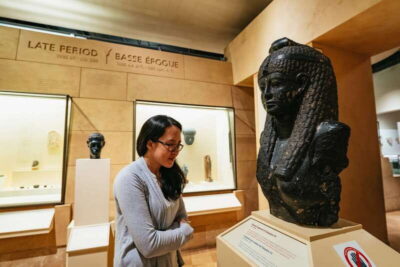
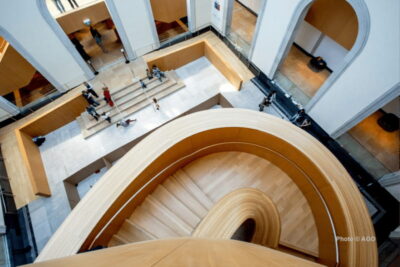
Art Gallery of Ontario General Admission Ticket
Read our review →
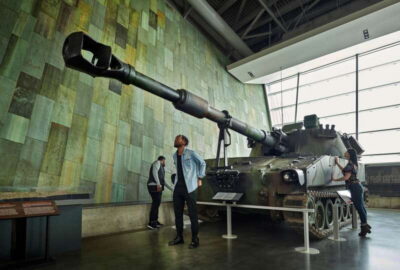
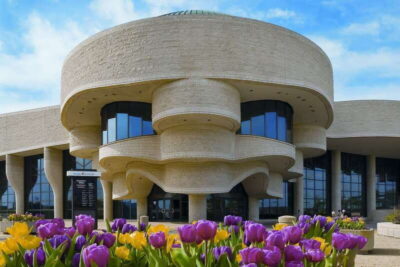

3.5-Hour Bus City Tour with Gasoline Alley Museum
Read our review →Browse the lists this tour appears in