
Reviewed · MUSEUMS
Quebec City: MNBAQ National Fine Arts Museum Entry Ticket
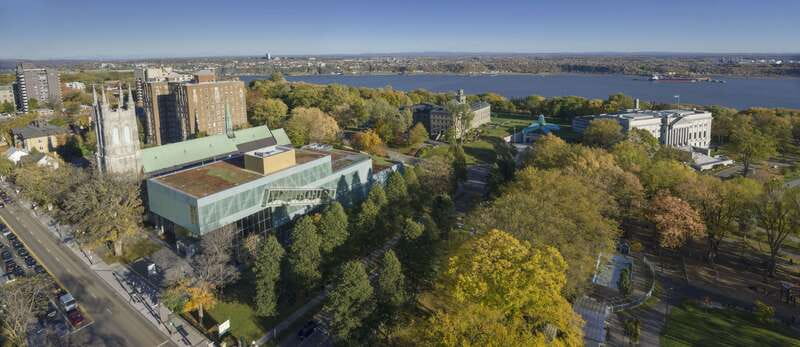
Quebec City’s MNBAQ combines art and open space unusually well. You can move from the glass Pierre Lassonde Pavilion into four permanent exhibitions, then step outside to the Plains of Abraham, a 108-hectare park with wooded areas, gardens, and views toward the St. Lawrence River. I especially like the museum’s focus on Quebec artists and its dedicated Inuit collection, rather than treating local art as a small corner of a larger international display.
The $10 admission is an easy value if you have several hours, and the free cloakroom, Wi-Fi, and possible audio guide make the visit simple. The main drawback is practical: several pavilions are closed during preparatory work for Espace Riopelle, so the museum experience currently begins at the Pierre Lassonde Pavilion and includes a short walk outside from the parking area.
Key points to know before you go
- Four permanent exhibitions: See Contemporary Art in Québec, Us, Inuit Art, and Decorative Arts and Design.
- Riopelle’s monumental fresco: Jean Paul Riopelle’s Tribute to Rosa Luxemburg is one of the museum’s major visual highlights.
- A park visit as well as a museum visit: The MNBAQ sits in the Plains of Abraham, with gardens, wooded areas, and St. Lawrence River views.
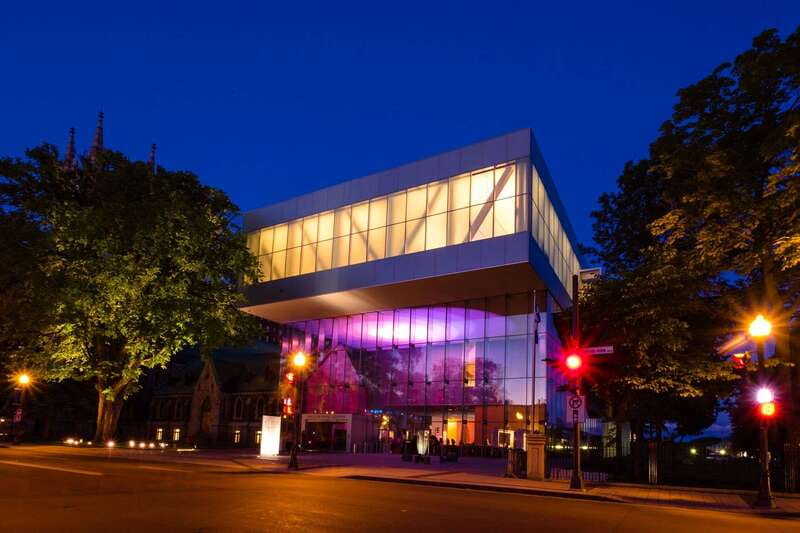
- Glass architecture: The Pierre Lassonde Pavilion offers generous galleries and a bright lobby facing Grande Allée and the park.
- Special exhibitions included: Scheduled blockbuster shows are part of the admission offering, subject to the program running on your date.
- Useful visitor services: You can ask about free audio guides, use the cloakroom, and request a courtesy wheelchair or baby stroller.
Why MNBAQ is worth your time
The Musée national des beaux-arts du Québec is the only museum devoted entirely to Quebec art. That focus gives your visit a clear purpose. Instead of racing through famous names from several countries, you get a picture of how Quebec artists have worked across centuries, materials, cultures, and changing ideas about identity.
I find the setting just as important as the galleries. The museum is in Battlefield’s Park, better known as the Plains of Abraham, where 108 hectares of open ground, trees, and gardens form a green break in the city. You can spend part of the day with paintings and sculpture, then take a walk outside without arranging another excursion.
The museum complex has four buildings: the Gérard-Morisset Pavilion, the Charles Baillairgé Pavilion, the Pierre Lassonde Pavilion, and the future Espace Riopelle. A tunnel system connects the pavilions, although current preparatory work means the Central Pavilion, Gérard-Morisset Pavilion, and Charles Baillairgé Pavilion are closed. For now, use the Pierre Lassonde Pavilion at 179 Grande Allée Ouest as your entrance and main point of orientation.
That temporary arrangement matters. The $10 price remains appealing, but you should not expect every building to be open during this phase. If your main goal is to see a particular gallery in one of the closed pavilions, check the museum’s current program before paying.
Other museums and galleries in Quebec City:
- Toronto: Royal Ontario Museum Admission Ticket
★ 4.6 · 1,237 reviews - Royal Ontario Museum Admission
★ 4.5 · 411 reviews - Toronto: Art Gallery of Ontario General Admission Ticket
★ 4.6 · 251 reviews
Starting at the Pierre Lassonde Pavilion
The Pierre Lassonde Pavilion is the natural beginning of your visit. Its glass exterior gives the building a bright, open feel, and the architecture is designed to connect the museum with Grande Allée and the Plains of Abraham. You will find the ticket counter, cloakroom, boutique, café, and the permanent galleries here.
The building contains six exhibition galleries for post-1960 collections, two temporary exhibition galleries, and four permanent exhibition galleries. That is a strong amount of display space for a modest admission price, particularly if you take your time rather than treating the museum as a quick indoor stop.
The cloakroom is free. That small service makes a difference in Quebec City, especially if you arrive with coats, bags, or wet-weather gear. Wi-Fi is also available, and the museum provides courtesy baby strollers and wheelchairs. The facility is fully accessible, so visitors who need step-free access can plan around the museum with more confidence.
Ask about the free audio guides when you arrive. The available audio tour can give your visit more structure, especially if you are unfamiliar with Quebec artists or want help connecting the works to their setting. Since the guide is self-directed, you can use it selectively rather than follow every stop.
Four permanent exhibitions, four different ways into Quebec art
The permanent collection is split into four named exhibitions. Each one offers a different reason to slow down.
Contemporary Art in Québec covers work from the modern period onward and is displayed in the Pierre Lassonde Pavilion’s post-1960 gallery spaces. This is the place to see how Quebec artists have responded to new materials, changing social ideas, and the question of what art can be. I would begin here if you like recent work and want a direct introduction to Quebec’s present-day art scene.
Us looks at identity and how people represent themselves and their communities. The title is deliberately broad, and that makes it a useful bridge between personal experience and public culture. You may find it especially worthwhile if you want art that addresses how Quebec understands itself, rather than only viewing isolated objects.
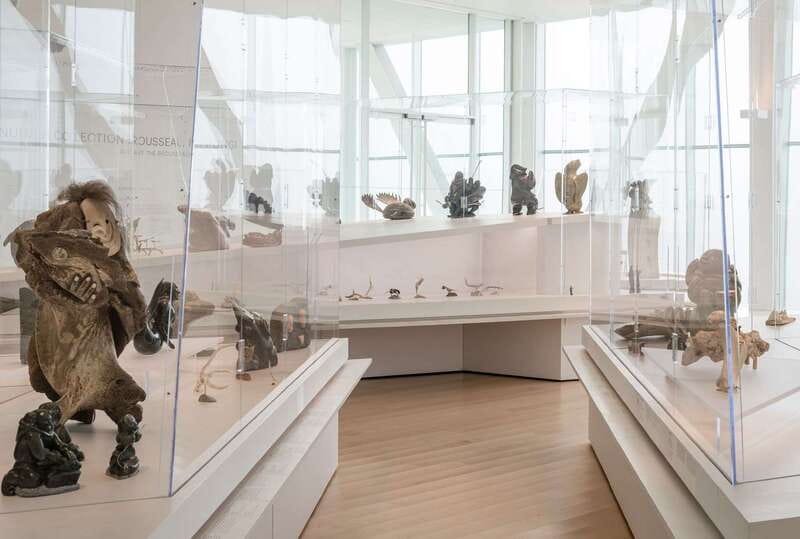
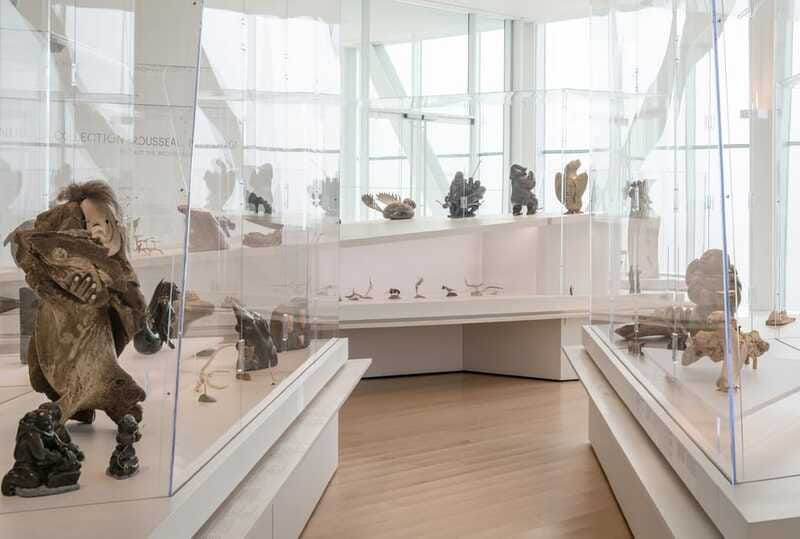
Inuit Art, The Brousseau Collection, Illipunga gives Inuit art its own dedicated place in the museum. This is one of MNBAQ’s most distinctive features. The collection adds an important northern and Indigenous dimension to your understanding of art in Quebec, and it deserves more than a rushed pass on the way to a headline exhibition.
The dedicated presentation also helps correct a common museum habit: placing Indigenous art in a small side room and treating it as an appendix. Here, Inuit art is one of the central reasons to visit. Give yourself time to look closely at the materials, forms, and subjects instead of assuming the room is a short stop.
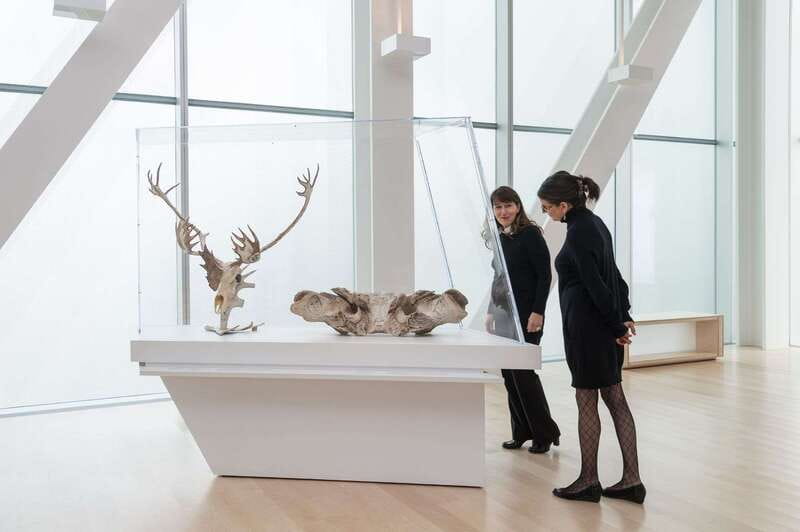
Decorative Arts and Design in Québec shifts your attention from gallery walls to objects made for use, display, or both. Design can tell you a great deal about daily life and taste, and this section broadens the idea of what counts as Quebec art. If you usually spend all your museum time with paintings, this is a good chance to see another side of local creativity.
The four sections work well together because they prevent the visit from becoming visually repetitive. You move between contemporary ideas, collective identity, Inuit art, and designed objects. The result is a wider view of Quebec culture than a single-style exhibition could provide.
Jean Paul Riopelle’s Rosa Luxemburg fresco
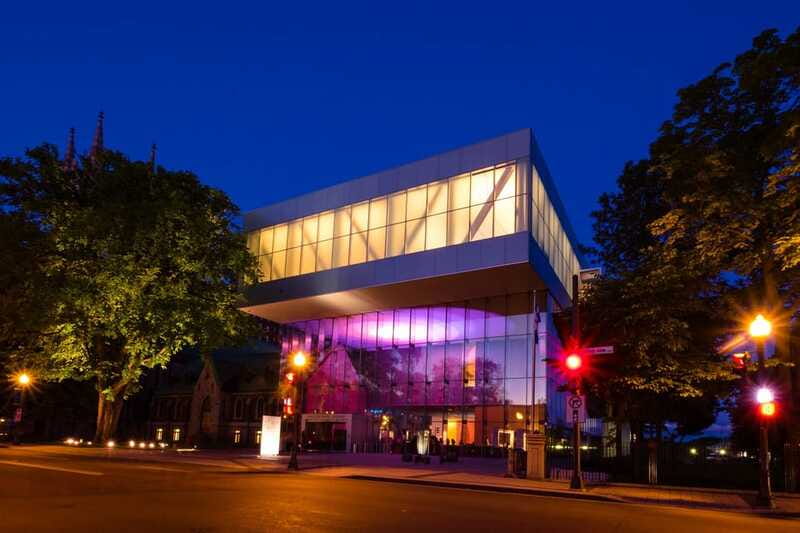
Jean Paul Riopelle’s monumental fresco Tribute to Rosa Luxemburg is a major stop in the Pierre Lassonde Pavilion. Its scale changes the rhythm of the visit. After examining individual works at close range, you face a large piece that asks you to step back and take in the whole surface.
Riopelle is an important Quebec artist, and the fresco gives you a chance to encounter his work in a format that feels architectural rather than simply framed. The subject also brings a historical and political reference into the museum’s modern art program.
I would not hurry past it. Look from a distance first, then move closer to notice how the surface works in sections. You do not need a specialist background to appreciate the scale and force of the piece, and the audio guide may add useful context if it is available on your date.
Same base, a different sort of day:
- Quebec City Walking Tour
★ 5.0 · 4,716 reviews - Quebec City: Guided Tour of Fairmont Le Château Frontenac
★ 4.7 · 3,027 reviews - Québec City: Guided Sightseeing River Cruise
★ 4.4 · 3,000 reviews - Half-Day Trip to Montmorency Falls and Ste-Anne-de-Beaupré from Quebec city
★ 4.0 · 2,718 reviews
Special exhibitions and changing programs
MNBAQ also presents major temporary exhibitions. The admission information includes special or blockbuster exhibitions, but the exact show depends on the dates of your visit. Check the current schedule because these exhibitions can change the character and length of your day.
The listed program includes several large presentations:
- Early Days, scheduled from October 17, 2024, to April 21, 2025, presents the diversity of Indigenous art in Canada and was described as the first exhibition of Canadian Indigenous art to circulate internationally.
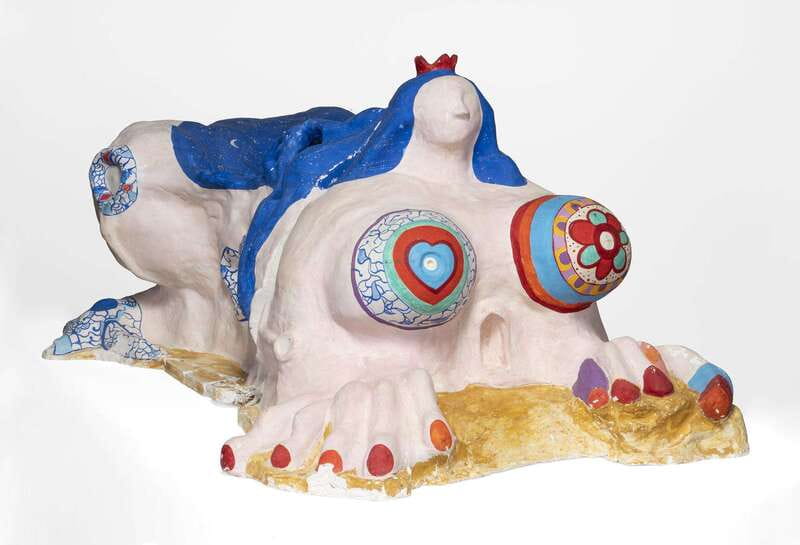
- Niki de Saint Phalle, scheduled from June 12, 2025, to January 4, 2026, focuses on the French-American artist’s final two decades, beginning with her 1978 Tarot Garden project in Italy.
- Hyperrealistic Sculpture, scheduled from February 26, 2026, to October 12, 2026, brings together more than 30 sculptures by 25 international artists and traces the development of the human figure in sculpture since the 1970s.
These shows give you a reason to return, but they also create a planning issue. A temporary exhibition can take an hour or more if you read labels and study the pieces, while a short visit focused only on the permanent collection may take much less time. Look at the dates and subject before you go so your expectations match the program.
The special exhibitions are also useful for companions with different interests. One person can spend time with contemporary or Inuit art while another prefers a focused international exhibition. The museum’s mix makes it easier to build your own route.
The Plains of Abraham adds breathing room
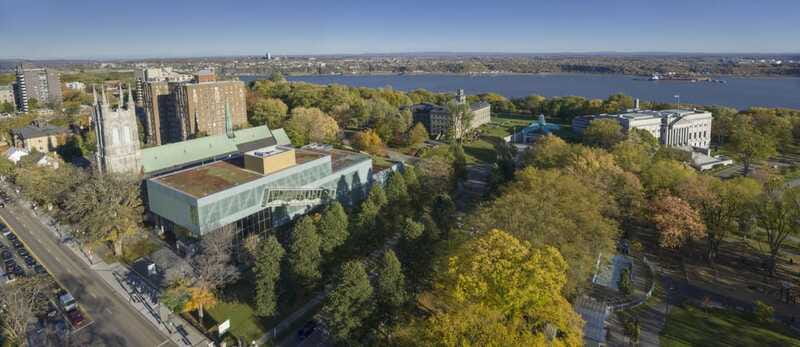
The museum’s location is not just a backdrop. The Plains of Abraham give you a practical way to break up an indoor visit. With 108 hectares of plains, wooded areas, and gardens, the park offers room to walk, rest, and see a different side of Quebec City.
The back of the museum provides a notable view toward the park and the St. Lawrence River. I would plan a short outdoor pause after the galleries, rather than saving the park only for the end. The change from climate-controlled rooms to open space helps you reset before another exhibition.
This setting also makes MNBAQ a useful choice on a mixed-weather day. On a clear day, you can combine art with a walk. On a rainy day, the museum gives you a substantial indoor plan, with the cloakroom making coats and umbrellas less troublesome. One recent booking described it as a good option for a rainy day alone or with family, and that fits the layout well.
The park can also make the museum feel less isolated from the city. The Pierre Lassonde Pavilion sits on Grande Allée, while the surrounding grounds offer a pause from city streets and traffic. You get culture, open air, and a place to stretch your legs without buying a separate ticket.
Getting there and handling the current closures
Enter at the Pierre Lassonde Pavilion, 179 Grande Allée Ouest. This is where you obtain your admission bracelet and begin the visit.
The parking lot behind the Charles Baillargé Pavilion remains open. Since that pavilion is currently closed, you must walk outside for several minutes to reach the Pierre Lassonde entrance. Allow extra time if you are carrying luggage, traveling with small children, or using a mobility aid.
The museum is fully accessible, and wheelchairs are available as a courtesy service. Still, the temporary entrance arrangement means you should pay attention to the route from the parking lot. The closure of the Central Pavilion, Gérard-Morisset Pavilion, and Charles Baillairgé Pavilion is connected to preparatory work for Espace Riopelle, which is scheduled to arrive in fall 2026.
The museum is open for a valid one-day visit, with starting times shown according to availability. The ticket is non-refundable, so confirm your date and check the current exhibition schedule before booking. A one-day ticket gives you freedom to set your own pace, but it does not mean you need to spend every hour inside.
Café Québecor and the museum shop
The Café Québecor is not included in the $10 admission. It is in the main glass lobby of the Pierre Lassonde Pavilion and is open to both museum visitors and the general public.
The setting is part of the appeal. Inside the glass lobby, you can feel as if you are sitting outdoors in the Plains of Abraham while remaining in the museum. The menu changes with the seasons and connects at times with the museum’s program, offering main courses and dishes to share.
You can book a table before your visit. That is useful if you want to make the museum a half-day or full-day outing rather than leave to search for lunch. The café is an added expense, so budget for it separately. You also have a take-out counter if you want something quicker.
The Librairie-Boutique is another worthwhile pause, particularly if you like art books. It carries exhibition-related gifts, exclusive products, and what is described as Quebec’s largest selection of art books. You do not need to buy anything, but it is a good place to find a more lasting reminder of the visit than a standard souvenir.
Who will get the most from this ticket?
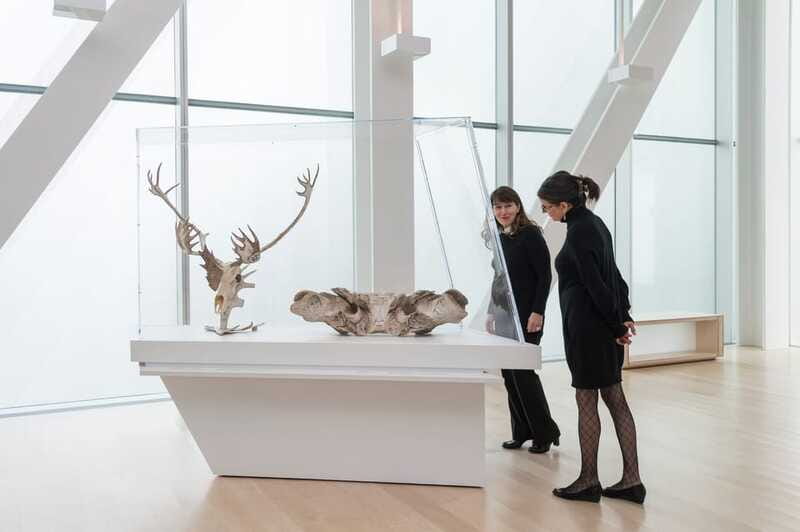
I would choose this museum for anyone who wants a clear introduction to Quebec art, not only a famous building or a single headline work. The dedicated Inuit art exhibition is a strong reason to come, as is the combination of permanent galleries and changing exhibitions.
Families can use the cloakroom, courtesy strollers, café, and open park to make the day easier. People visiting alone can use the self-guided audio tour and move at their own speed. Art fans may want to time their visit around Niki de Saint Phalle, Early Days, Hyperrealistic Sculpture, or another temporary exhibition.
The ticket is less compelling if you have only a few minutes in Quebec City, especially while several pavilions are closed. In that case, the $10 price is low, but the museum still needs enough time to feel worthwhile. You should also check the special exhibition dates if that is the main reason you are going.
The overall rating is 4.6 from 63 bookings, with praise centered on the beautiful museum, welcoming service, free cloakroom, and the sense that the visit works well for both solo and family outings. Those details match the museum’s practical strengths: it is easy to navigate, comfortable in poor weather, and broad enough to suit different interests.
Should you book the MNBAQ ticket?
Yes, if you can spare at least a few hours and want more than a standard old-city sightseeing stop. For $10, you get four permanent exhibitions, Inuit art, Riopelle’s large fresco, access to the scheduled special exhibition program, and a fine park setting.
Before you book, check which pavilions and exhibitions are open on your date. The current closures reduce the scope of the complex, but the Pierre Lassonde Pavilion still offers the main entry, permanent displays, visitor services, and the café. If you value Quebec art, need a rainy-day plan, or want an art museum paired with an outdoor walk, this is a sound choice.
FAQ
Where is the MNBAQ entrance?
The entrance is at the Pierre Lassonde Pavilion, 179 Grande Allée Ouest, in Quebec City.
How much does admission cost?
The listed price is $10 per person.
How long is the ticket valid?
The ticket is valid for one day.
Which permanent exhibitions are included?
Admission includes Contemporary Art in Québec, Us, Inuit Art, and Decorative Arts and Design in Québec.
Is Jean Paul Riopelle’s Tribute to Rosa Luxemburg included?
Yes. The monumental fresco is included with admission.
Are special exhibitions included?
The admission information includes special or blockbuster exhibitions, subject to the exhibition program available on your visit date.
Is the museum accessible to wheelchair users?
Yes. The museum is described as fully accessible, and courtesy wheelchairs are available.
Is there a cloakroom?
Yes. The cloakroom is free for museum visitors.
Can I use an audio guide?
You can ask about a free audio guide upon arrival for a self-guided tour.
Just added in Quebec City
- Stoneham: Nordic spa Thermal Experience★ 4.9 · 20 reviews
- Quebec : Old Town Walking Tour With A Local Guide★ 4.5 · 38 reviews
- Quebec City’s History in Virtual Reality★ 4.5 · 141 reviews
- Quebec Interactive Street Theatre: “Crimes in New France”★ 4.6 · 175 reviews
- Quebec: Christmas Interactive Walking Tour of New France★ 4.3 · 7 reviews
- Québec City: Weekend River Brunch Cruise★ 4.5 · 116 reviews
- Québec: Fortifications-of-Québec Guided Walking Tour★ 4.7 · 60 reviews
- Québec City: Saint-Louis-Forts-and-Châteaux visit★ 4.7 · 126 reviews
Museums, compared.
Art Gallery of Ontario General Admission Ticket
Read our review →
3.5-Hour Bus City Tour with Gasoline Alley Museum
Read our review →Browse the lists this tour appears in