
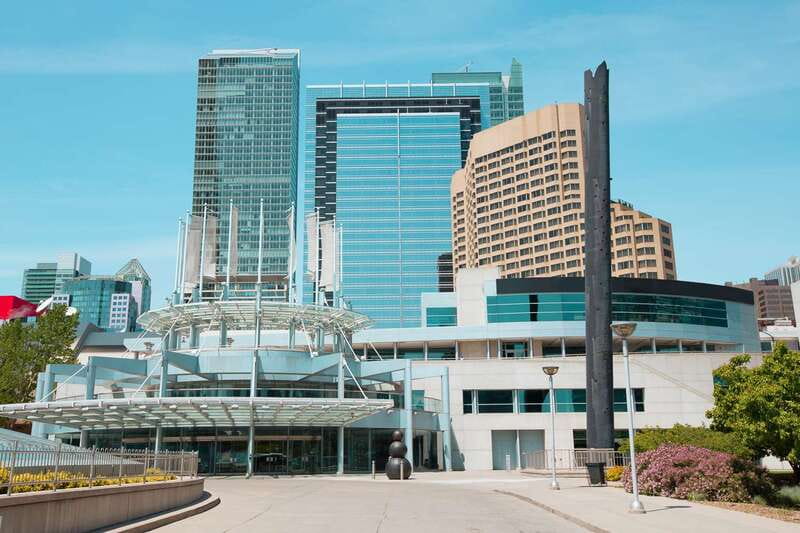
Reviewed · WALKING TOURS
Toronto: 2-Hour Downtown Walking Tour
Toronto’s story makes the most sense on foot. This two-hour walk links First Nations trading paths, a muddy frontier fort, Bay Street finance, grand railway architecture, and the modern downtown core. You finish at St. Lawrence Market, where the guide explains Toronto’s old Hogtown nickname and you can decide if lunch should be a peameal bacon sandwich.
I like two things right away: the route gives you a useful first map of downtown, and the guides bring a personal, conversational touch to the history. Rachel, Marilyn, Lennie, Ann Marie, and Maralyn have all led tours praised for clear stories, good questions, and practical food suggestions. The main drawback is the pace. Two hours covers a lot, so some stops receive a quick explanation rather than a long look.
Key points
- Starts at Yonge-Dundas Square: Meet beside the square at 1 Dundas St E, looking for the white flag with blue checkers.
- Covers central Toronto’s main sights: The route includes City Hall, the Ed Mirvish Theatre, Mackenzie House, the Toronto Stock Exchange, Union Station, the CN Tower area, and more.
- History meets finance and architecture: You get a broad look at how Toronto grew from a frontier settlement into Canada’s financial and cultural capital.
- Ends at St. Lawrence Market: The finish is well timed for lunch and a chance to try peameal bacon.
- Small groups can feel personal: The public tour may be small, and private bookings are available with start times from 10:00 AM to 4:00 PM.
- Plan for city weather: The tour runs in rain or shine, so comfortable shoes and weather-ready clothing matter.
Starting at Yonge-Dundas Square

Your meeting point is Yonge-Dundas Square, at 1 Dundas St E, one of downtown Toronto’s most recognizable public spaces. Arrive 15 minutes early and look for the guide with a white flag marked by blue checkers. That small detail matters in a busy city center, where a guide can otherwise be hard to spot.
The tour begins in one of Toronto’s most modern settings, then works backward and forward through the city’s story. You learn how the area developed from early trading routes and a rough frontier outpost into a major urban center. This is a good opening because Toronto’s history is not confined to one old quarter. Its past is scattered through office towers, theaters, civic buildings, railway stations, and busy streets.
Yonge-Dundas Square can be crowded and noisy. That is part of the setting, but it may also make the first few minutes less calm than a tour starting in a quiet historic district. Listen closely, stay near the guide, and expect an urban orientation rather than a preserved old town.
Other walking tours in Toronto:
- Show me the City! A Small Group Walking Tour of Toronto
★ 5.0 · 621 reviews - Toronto Distillery District Walking Tour
★ 5.0 · 327 reviews - Toronto: City Highlights Walking Tour | 3-Hour
★ 4.6 · 306 reviews
Tracing Toronto from frontier fort to financial center
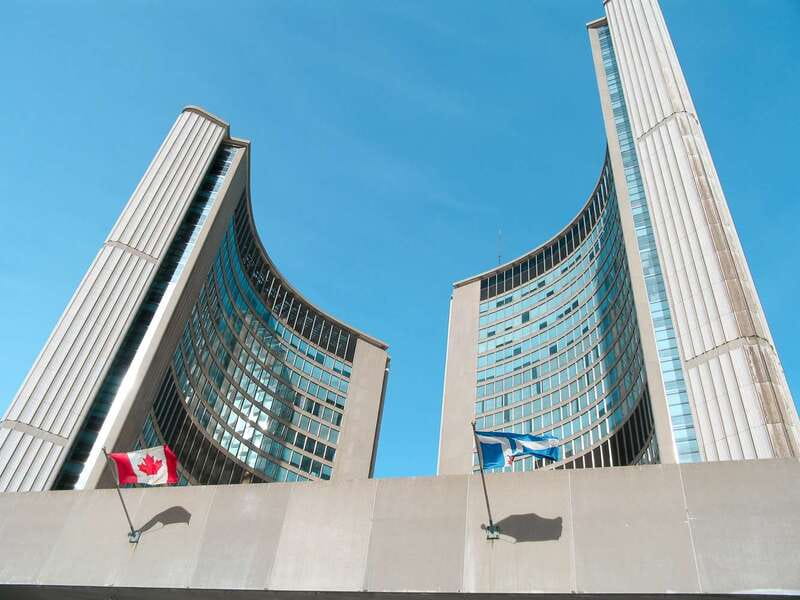
The strongest part of the tour is its broad time line. Instead of treating each building as an isolated sight, the guide connects Toronto’s early settlement to its later role in Canadian business, government, arts, and transportation.
You hear about First Nations trading paths before walking through the streets shaped by later commercial growth. You also learn how a small, muddy frontier fort became the city now recognized as Canada’s cultural and financial center. That change gives the walk a clear purpose: you are not simply checking off buildings, you are seeing how power and money moved through the city.
The history is presented in English, with live commentary from the guide. The style can vary from one guide to another. Rachel has been praised for an upbeat approach and for answering questions in a relaxed way. Marilyn has been noted for helping visitors understand what it might be like to live in Toronto, not just naming dates and buildings. Ann Marie adds practical suggestions about places to eat and other sights to visit.
You should ask questions as you go. The smaller the group, the easier it is to pause and follow a topic that interests you, such as immigration, architecture, finance, local food, or the arts. One booking had only two participants, which turned the public tour into something close to a private walk.
Yonge Street, the Ed Mirvish Theatre, and Mackenzie House
As the walk moves through the central core, Yonge Street provides a useful link between Toronto’s commercial identity and its cultural life. The exact emphasis can depend on the guide and group, but the tour includes the Ed Mirvish Theatre and Mackenzie House among its notable stops.
The Ed Mirvish Theatre offers a window into Toronto’s stage tradition and the role of theater in the downtown area. This is especially worthwhile if you care about the arts, since one guide, Mary Ann, was praised for bringing an interest in Toronto’s artistic side into the walk.
Mackenzie House adds a more personal historical layer. Rather than looking only at large institutions and office towers, you get a connection to a specific home and an earlier period of civic life. The stop helps break up the financial and architectural material with a more human scale.
Do not expect a full interior visit at every named sight. The experience is a walking tour with outdoor commentary, not a sequence of museum admissions. If you want detailed time inside Mackenzie House or the theater, you would need to plan that separately.
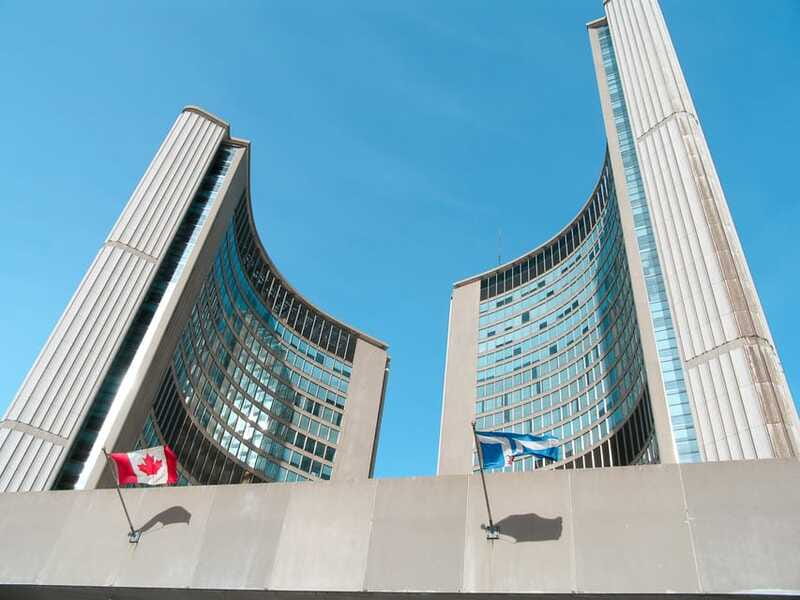
City Hall and Toronto’s changing architecture
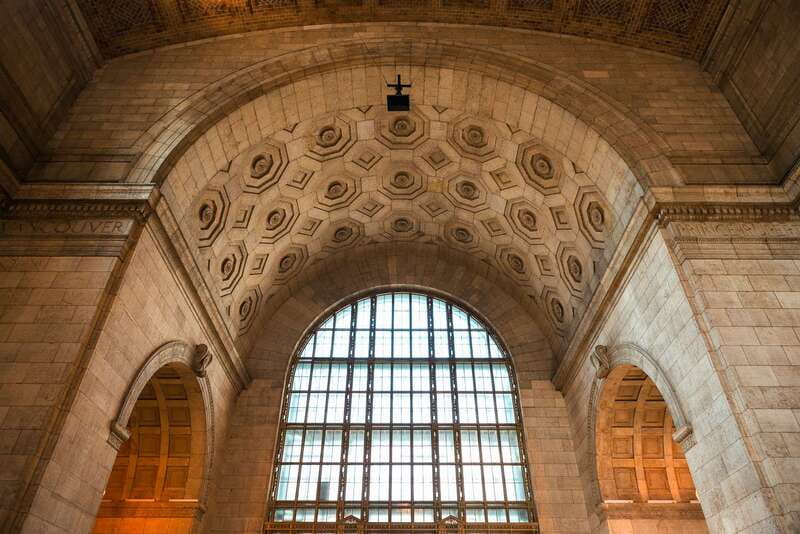
City Hall is one of the route’s major visual moments. The contrast between civic buildings, commercial towers, and older structures gives the guide plenty to explain about Toronto’s changing architectural style.
This is where a good guide can make the difference. One guide described some building eras as boring, which is a useful warning about presentation: the subject matter is stronger than any single phrase used to explain it. Most of the feedback points to lively storytelling, but your experience will still depend on the guide’s pace and style.
You will likely spend more time looking up than looking at a map. The tour is suited to people who enjoy hearing why buildings look the way they do and how architecture reflects civic ambition, business growth, or a particular period in Toronto’s development.
The route is wheelchair accessible, and one participant specifically noted that the paving was easy to manage. Still, downtown sidewalks can be busy, and a walking tour always involves moving through public streets. If you use a wheelchair or have limited mobility, confirm the current route details when booking.
Other guided walks in Toronto:
- Old Town Toronto Highlights 3 Hour Walking Tour | Gratuity-Based
★ 4.5 · 290 reviews - Toronto: Dark History Nighttime Walking Tour
★ 4.7 · 273 reviews - Toronto: Distillery District Historic Walking Tour
★ 4.8 · 267 reviews - Toronto: City Walking Tour
★ 4.9 · 185 reviews
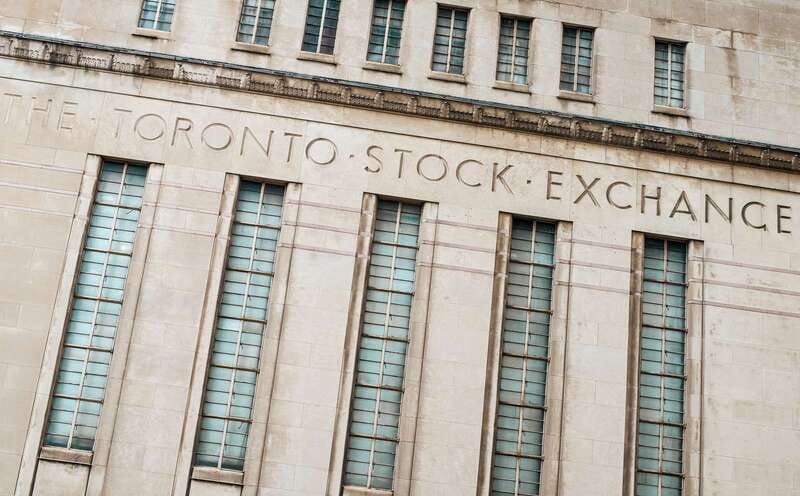
Bay Street, the Toronto Stock Exchange, and Union Station
The financial side of Toronto becomes the focus around Bay Street and the Toronto Stock Exchange. This section gives the walk a different flavor from a standard history tour. You are not only hearing about old buildings and famous residents. You are also seeing the institutions that helped make Toronto a major business center.
That mix is one of the tour’s best features. If you like finance, economics, or the way cities grow around trade and investment, the Bay Street section will probably be your highlight. If those topics leave you cold, the guide’s historical and architectural connections help keep the walk moving.
Union Station adds another important piece. Railways played a major role in connecting Toronto to the rest of Canada, and the station helps explain why transportation and commerce grew together. The stop also gives you a sense of the downtown core as a place built for movement, work, and exchange.
The tour does not include transportation, food, or drinks. You walk between the sights, so do not schedule a separate activity immediately afterward unless you leave some breathing room. The stated duration is two hours, but a group that asks many questions may experience a slightly different rhythm from a group that moves briskly.
Looking up at the CN Tower
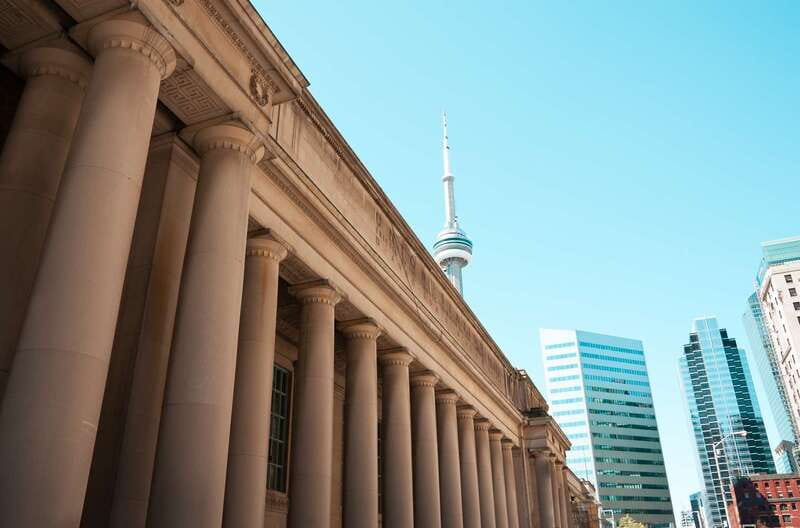
The CN Tower is the route’s most familiar landmark, but it is used here as part of the wider city story rather than as a tower admission visit. You gaze up at the structure while considering Toronto’s modern identity and its place in the skyline.
This is an important distinction. The walking tour does not include entry to the CN Tower, observation levels, or any special access. You see it from the city streets and learn how it fits into the downtown picture. If the tower is a major priority for you, arrange a separate visit and treat this walk as a way to understand its surroundings.
The same principle applies to several sights along the route. You get an outside look, historical context, and help connecting the locations. That is good value for a short introduction, but it is not a replacement for full visits to every attraction.
Finishing at St. Lawrence Market
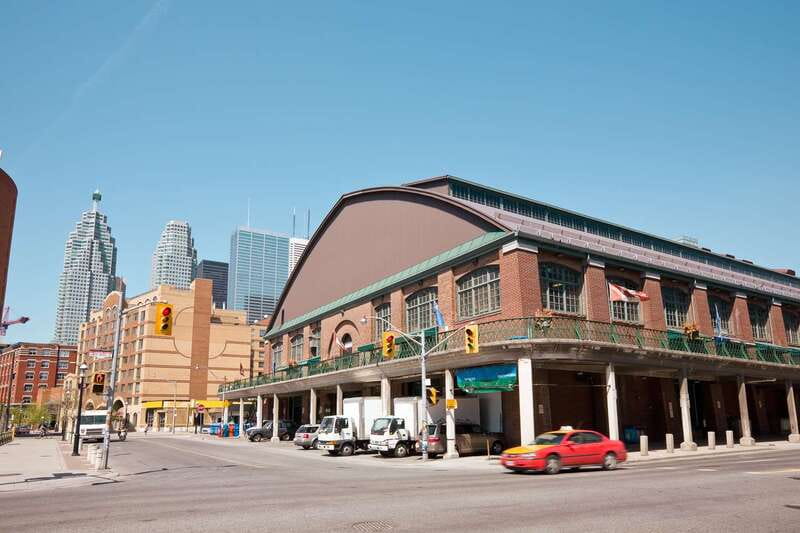
The final stop at St. Lawrence Market is a smart choice. After two hours on foot, you end somewhere built for food rather than another office block or civic building. The guide explains why Toronto became known as Hogtown, then leaves you with a practical lunch decision.
A peameal bacon sandwich is the classic suggestion. Food is not included, so budget separately for lunch. The market finish also gives you flexibility: you can eat there, continue exploring, or use the location as a launch point for the rest of your day.
This ending is one reason I would book the tour early in a Toronto visit. You get a working sense of the downtown layout, hear about several areas you may want to revisit, and finish with an easy meal option. One participant found that taking the tour early made the rest of the trip less dependent on phone maps. That is a real benefit in a large city.
The market can also be a busy place, so do not expect a quiet final stop. The reward is choice and atmosphere, not a private farewell.
What the guides add to the walk

The feedback about the guides is unusually consistent in the areas that matter most: friendly delivery, clear explanations, and a willingness to answer questions. Rachel is repeatedly described as positive, relaxed, and well prepared. Marilyn is associated with useful city advice and a warm way of explaining local life. Lennie is praised for being helpful and easy to talk with, while Ann Marie made the history fun and suggested places to eat.
That does not mean every guide will use the same jokes or spend equal time at each sight. One participant advised a guide to slow her diction slightly, and another felt that certain building periods were presented too negatively. If English is not your first language, stay close and ask the guide to repeat anything you miss.
Small groups improve the experience. You can ask more questions, hear the answers clearly, and stop without holding up a large crowd. A private option is available if you want more control over the pace or the discussion. Public tours depart once daily, while private start times are available from 10:00 AM to 4:00 PM.
Price, pace, and practical planning
At $28 per person, the tour is reasonably priced for a two-hour guided introduction in central Toronto. You are paying for the guide’s time, a planned route, and the links between sights that are easy to pass without understanding. Since food, drinks, and admissions are not included, the value is strongest if you want orientation and context rather than a package of paid attractions.
I would wear shoes you can walk in for two hours and dress for the forecast. The tour runs in rain or shine, so a waterproof layer or sun protection may make the difference between enjoying the commentary and simply trying to get through it.
A minimum of two participants is required. That means a solo booking may depend on another person joining, so check the current status before building an inflexible schedule around it. Cancellation is free up to 24 hours before the start, and you can reserve now and pay later, which helps if your Toronto plans are still moving.
The activity is wheelchair accessible. Alcohol and drugs are not allowed, and the tour is conducted in English.
Who should book this Toronto walk?
I would choose this tour for a first visit, especially if you want to understand how downtown Toronto fits together before exploring on your own. It also suits history fans, architecture lovers, people curious about finance, and anyone who prefers a guide to a self-guided route.
Families and mixed-interest groups may like the variety. The route shifts from frontier history to theaters, civic buildings, finance, railway architecture, skyline views, and food. There is enough range to keep the walk from becoming a lecture on one narrow topic.
I would think twice if you want long museum visits, a deep architectural study, or entry into the CN Tower. Two hours is enough for a strong overview, not enough for detailed exploration of every stop. The route also depends on walking outdoors in changing weather.
Should you book the two-hour downtown tour?
Book it if you want a clear first read of Toronto, friendly English commentary, and a route that ends at a useful lunch stop. The small-group feel, strong guides, and mix of history, architecture, culture, and finance make it more useful than a simple landmark checklist.
Skip it if your schedule already includes a detailed downtown walking program or if you prefer to spend your time inside individual attractions. For most first-time visitors, though, $28 is a fair price for two hours of orientation, local stories, and a much better sense of where to go next.
FAQ
How long is the Toronto downtown walking tour?
The tour lasts two hours.
Where does the tour meet?
Meet at Yonge-Dundas Square, 1 Dundas St E, Toronto. Your guide will be there 15 minutes before departure with a white flag marked by blue checkers.
Where does the tour finish?
The tour ends at St. Lawrence Market.
Is food included?
No. Food and drinks are not included. The tour ends at St. Lawrence Market, where you can buy lunch, including the suggested peameal bacon sandwich.
Is the tour available as a private booking?
Yes. A private group option is available. Private tours can start between 10:00 AM and 4:00 PM daily.
Does the tour operate in bad weather?
Yes. The tour operates in rain or shine. Bring comfortable shoes and clothing suited to the weather.
Just added in Toronto
- Toronto Waterfront and Islands Guided Bicycle Tour★ 4.9 · 80 reviews
- Toronto: Winter Niagara Falls Tour with Attractions Package★ 4.7 · 43 reviews
- Toronto: Toronto Zoo Entry Ticket★ 4.1 · 68 reviews
- Toronto: Toronto Raptors NBA Game Ticket at Scotiabank Arena★ 4.6 · 88 reviews
- Toronto: Must Do NonTouristy Street Art Tour by local Artist★ 4.9 · 30 reviews
- Toronto: Craft Brewery Tour★ 5.0 · 8 reviews
- Toronto: St Lawrence Market Food Tour with 6 Tastings★ 4.7 · 168 reviews
- Toronto: Toronto Maple Leafs Game Ticket at Scotiabank Arena★ 4.6 · 43 reviews
Walking Tours, compared.
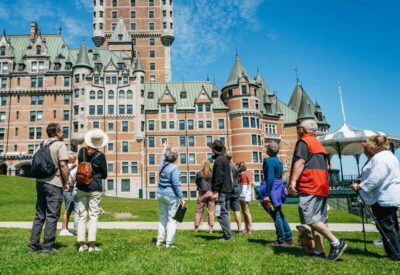
Old Quebec City: Grand Walking Tour with Private Option
Read our review →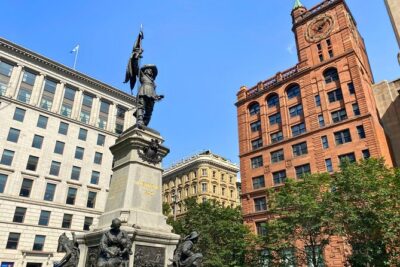
The Original Old Montréal Walking Tour by Guidatour
Read our review →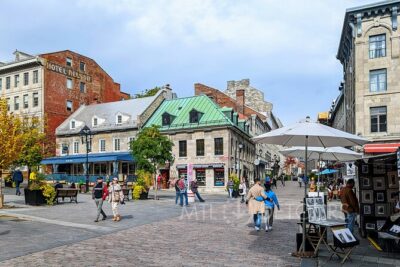
Old Montreal Small-Group Walking Tour | Max 10 | by MTL Detours
Read our review →
Old Quebec Classique Walking Tour with Funicular
Read our review →

Quebec: Crimes of New France Animated Walking Tour
Read our review →Browse the lists this tour appears in