
Reviewed · MUSEUMS
Ottawa: Canadian Museum of Nature Admission
The first thing to know about the Canadian Museum of Nature is that it is far more than a traditional collection of objects behind glass. A complete blue whale skeleton, dinosaur fossils, live tide pool creatures, insects, and interactive Arctic displays give you plenty to see, but the museum also makes the science easy to follow. The building itself, a grand historic castle about a 20-minute walk from Parliament Hill, is part of the experience.
I like the museum’s family-friendly layout, with galleries arranged along a fairly clear route instead of one enormous room. I also like the range: you can move from dazzling minerals to Canadian birds, then from ancient fossils to living butterflies without leaving the building. The main thing to plan around is time. You can see the highlights in a few hours, but three to four hours is a more sensible minimum, and special exhibits may require a separate timed ticket.
Key points to know before you go

- The complete blue whale skeleton gives the museum an unforgettable centerpiece and helps you grasp the enormous scale of the animal.
- Four floors of permanent galleries cover dinosaurs, geology, Canadian mammals, birds, water, Earth, and Arctic life.
- Live displays add movement and surprise, including Pacific tide pool creatures, insects, and the Bugs Alive exhibition.
- Butterflies in Flight requires planning, since daily capacity is limited and tickets are available at the museum.
- The Canada Goose Arctic Gallery is highly hands-on, with interactive displays and real ice to touch.
- The $19 admission is strong value if you can spend several hours exploring instead of making a short stop.
A castle near Parliament Hill with a very different collection
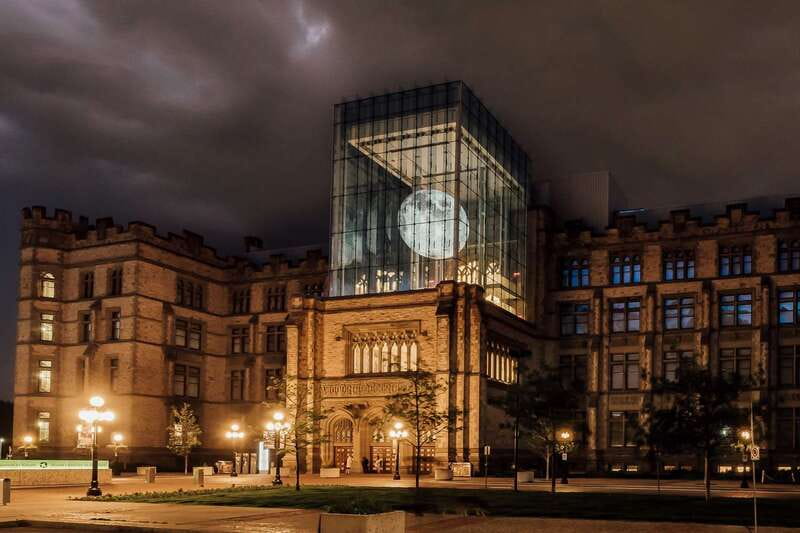
The Canadian Museum of Nature is easy to fit into an Ottawa sightseeing day. It is about a 20-minute walk from Parliament Hill, and you can also reach it by public transportation or car. Paid parking is available on site, which is useful if you are touring Ottawa by car, though a central walking route may be simpler if the rest of your day is focused around Parliament.
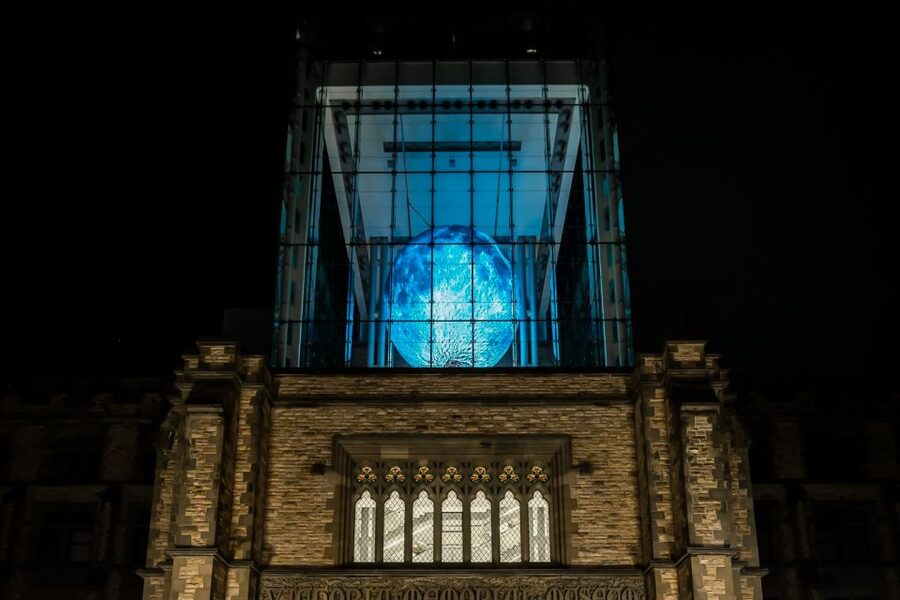
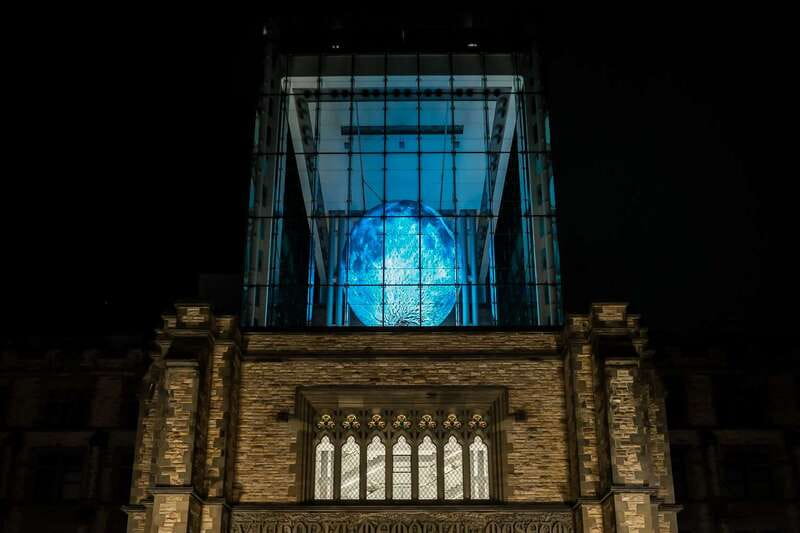
The museum occupies a striking historic building that once served as Canada’s Parliament. Its stone exterior and castle-like towers give the visit a sense of occasion before you reach the first gallery. Inside, the open spaces and large displays make the building feel less cramped than many older museums.
I would allow at least three hours if you want to read signs, try the interactive stations, and stop at the live exhibits. Families moving at a quick pace can see plenty in less time, while anyone interested in fossils, geology, animals, or Canada’s Arctic could easily spend most of a day here.
Opening hours change with the season, so check the current schedule before setting out. Thursday is especially useful for a late visit because the museum remains open until 8:00 PM, and admission after 5:00 PM is complimentary. Special exhibits still cost extra after that time, so the late Thursday offer is best for the permanent galleries.
Other museums in Ottawa:
- Ottawa: Canadian War Museum Admission
★ 4.7 · 232 reviews - Gatineau: Canadian Museum of History Admission
★ 4.8 · 230 reviews - Canadian War Museum Admission
★ 4.5 · 213 reviews
Four floors that turn science into a walking route
The museum’s galleries cover geology, ecology, paleontology, water, Earth, Canadian wildlife, and the Arctic. That list sounds broad, but the route is manageable. You are not simply wandering through disconnected rooms. Each area gives you a different way to think about Canada and the natural world.
The layout is particularly helpful if you are visiting with children. Interactive games, activities, and talking exhibits break up the reading. Large signs placed in sensible locations make it easier to follow the story without constantly stopping to work out where to go next.
I would start by checking the capacity counters at the entrance to each gallery. These help with planning and physical distancing, especially on busy days. They also let you decide whether to move into a crowded area now or visit another gallery first.
The museum works for mixed-age groups because adults can read about the science while children handle activities and look for moving creatures. It is also a good choice for grandparents and parents visiting together. The displays offer enough visual impact for younger children, but older children and adults can spend more time with the details.
Dinosaurs, fossils, and the scale of ancient life
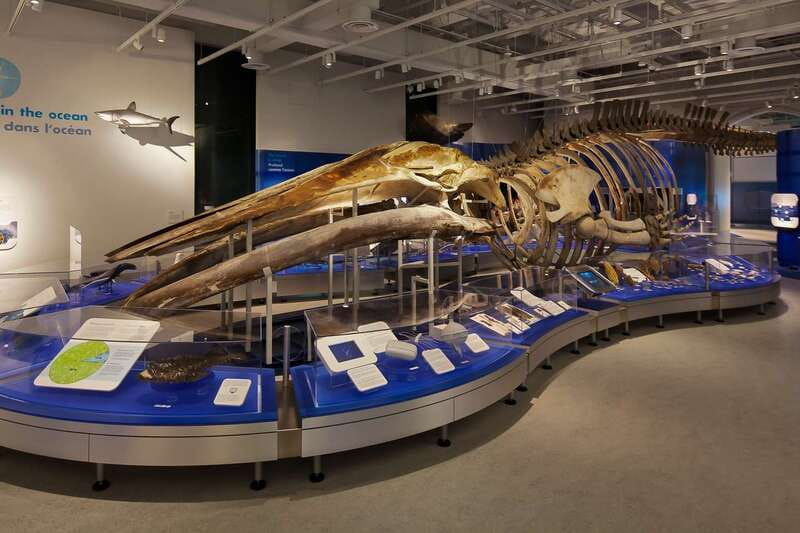
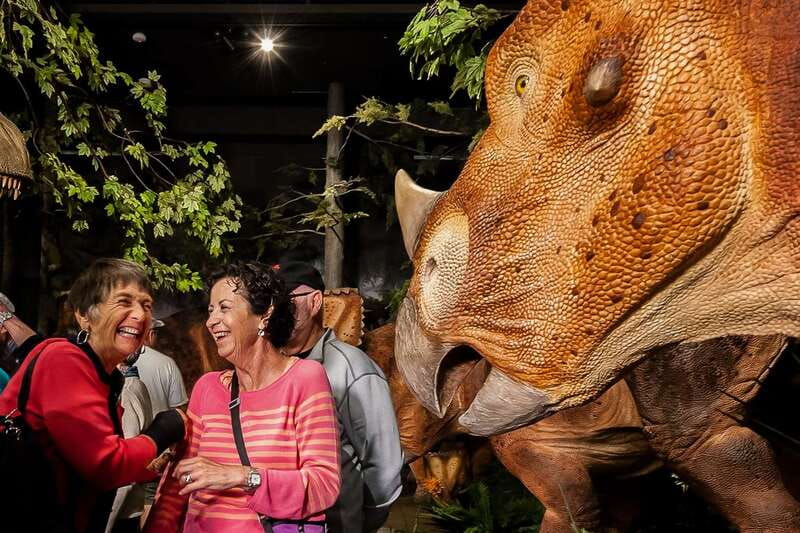
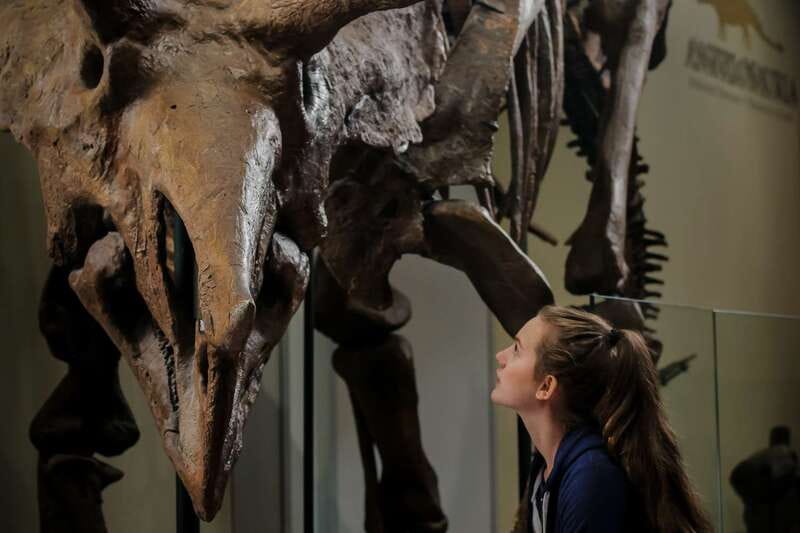
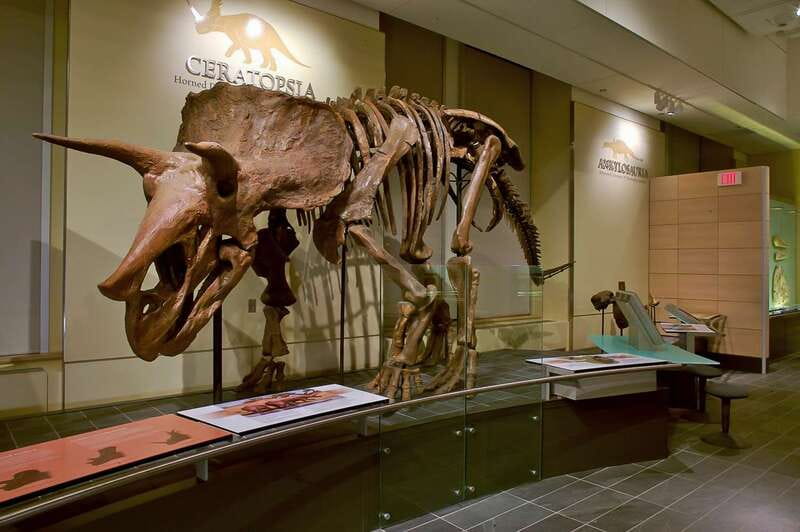
The paleontology displays provide plenty of the classic museum pleasures: dinosaurs, fossils, and creatures from long ago. The number of dinosaur and whale fossils is substantial enough that you will want more than a quick glance.
The appeal is not just the number of specimens. Seeing bones and fossils at full scale gives you a useful sense of size, structure, and time. Children who arrive looking for dinosaurs can gradually move into questions about extinction, geology, and how scientists read evidence from the past.
The complete blue whale skeleton is another major draw. A whale skeleton is impressive in photographs, but standing below the full length of one makes the animal’s size easier to understand. It is one of the displays I would make sure not to skip, even if your main interest is dinosaurs or mammals.
The museum also connects ancient life with the present. After looking at fossils, you can move into galleries about animals that live in Canada now. That change helps prevent the visit from feeling like a collection of unrelated skeletons.
Canadian mammals and birds up close
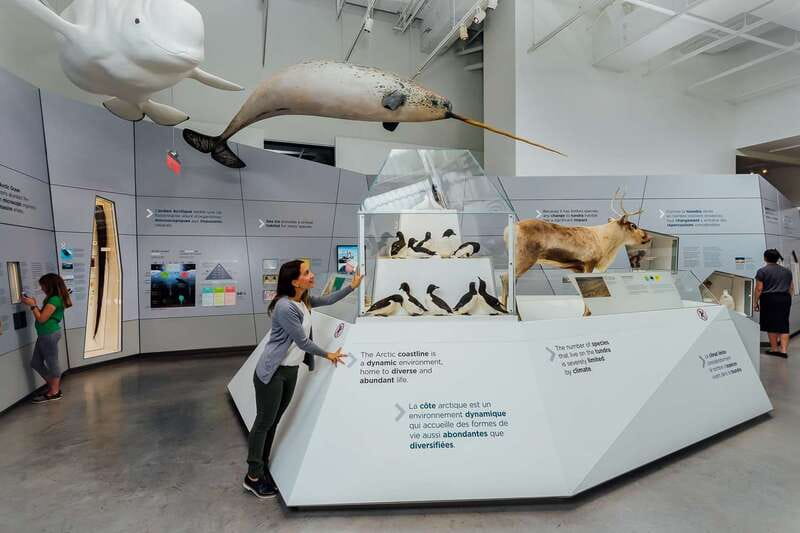
The Canadian wildlife galleries give you a useful introduction to the country’s animal life. You can see iconic Canadian mammals and displays devoted to Canadian birds, with the specimens arranged to show the variety of habitats and species found across the country.
This section is a good fit for anyone trying to understand Canada beyond its cities and famous landmarks. It gives context to the animals you may hear about during a wider trip, even if you are not heading into remote areas yourself.
The presentation is accessible, but you should not expect every display to be a hands-on activity. Some sections rely more on specimens and explanatory panels, while others use games or audio. That mix works well for adults, though younger children may move quickly through the quieter displays.
I would use this part of the museum as a slower middle section between the high-energy dinosaur and live-animal areas. It gives you a chance to read and look closely without needing to hurry.
Other museums and galleries in Ottawa:
- Toronto: Royal Ontario Museum Admission Ticket
★ 4.6 · 1,237 reviews - Royal Ontario Museum Admission
★ 4.5 · 411 reviews - Toronto: Art Gallery of Ontario General Admission Ticket
★ 4.6 · 251 reviews - Britannia Mine Museum General Admission
★ 5.0 · 233 reviews
Real ice and interactive Arctic displays
The Canada Goose Arctic Gallery is one of the museum’s most distinctive sections. It explores Canada’s Arctic through hands-on displays, interactive activities, and real ice that you can touch.
That physical detail matters. Arctic science can feel abstract when it is presented only through maps and text. Touching ice and seeing the subject built into an interactive gallery gives children a direct way into the topic, while adults can spend time thinking about the Arctic’s unusual environment and vulnerability.
The gallery presents the Arctic as a place with its own wildlife, conditions, and mysteries, rather than treating it as a blank area at the top of a map. It is a strong part of the visit if you want more than animal displays.
Allow extra time here if your group likes interactive exhibits. Children may want to repeat activities, and the gallery can become a natural pause point. If you are visiting during a busy period, check the entrance capacity counter before committing to the room.
Pacific tide pools and live creatures
The live exhibits add a different rhythm to the museum. Pacific tide pool creatures give you a look at animals in a setting that changes from the static fossil and mineral displays.
These exhibits are valuable because they show behavior and movement. A live creature can prompt questions that a mounted specimen cannot, especially for children. The displays also broaden the museum beyond Canada’s land animals and ancient past.
You will find other living displays as well, including insects and the Bugs Alive exhibition. The live bug area has been a particular hit with families, and it gives children a chance to see creatures they might otherwise only encounter briefly or avoid altogether.
Keep in mind that not everyone enjoys the insect section. For some children it is the most memorable part of the museum; for others, it is a quick walk-through. That makes it a useful place to let family members split up briefly if interests differ, provided children remain with an adult.
Butterflies in Flight, a warm stop with limited capacity
Butterflies in Flight is a special exhibition in the museum’s Solarium. Inside, live butterflies fly freely in a warm, humid tropical setting, with new pupae arriving from Costa Rica and the Philippines each week.
The exhibit is smaller than the main museum, but its atmosphere is entirely different. After galleries filled with fossils, minerals, and taxidermy, the sight of living butterflies moving through the room offers a gentle change of pace.
You should ask about tickets as soon as you arrive. Capacity is limited, and the exhibition can sell out. A ticket gives you a time to enter, depending on availability, so do not assume your general museum admission guarantees immediate access.
The Solarium is warm and humid. Dress in layers, and remember that you can leave a coat or other items at the coat check. If you are visiting on a Thursday after 5:00 PM, special exhibit fees still apply even though entry to the main museum is complimentary.
Minerals, gems, water, and Earth
The geology displays provide some of the museum’s most visual material. Dazzling gems and minerals catch the eye first, but the value of the section is in showing how Earth is formed and changed.
I would not rush through this area. Minerals are easy to treat as decoration, yet their colors, shapes, and patterns connect to larger questions about geology and the materials used in daily life. The displays about water and Earth help link those details to the planet’s wider systems.
This section suits adults and older children especially well, though younger visitors can still enjoy the color and scale of the specimens. If your group starts to tire, focus on the pieces that attract your attention rather than trying to read every panel.
How much time should you allow?
The stated validity is one day, so you can build the museum into a flexible Ottawa schedule rather than treating it as a short timed tour. There is no guided tour included, which means you control the pace and can return to a gallery during the same visit if time allows.
A quick visit could cover the blue whale, dinosaurs, Arctic gallery, and live exhibits in around two hours. That approach gives you the main sights but leaves little room for reading or activities.
For a satisfying visit, I would plan three to four hours. This gives you time for the permanent galleries, live displays, and at least one special exhibit if tickets are available. Families with children may need longer because interactive stations slow the pace in a good way.
A full day is reasonable for serious nature fans, particularly if you want to read the geology and paleontology material carefully. The museum cafe provides a practical break, and you can use the coat check to make moving between galleries easier.
Is the $19 admission good value?
At $19 per person, the admission is good value if you use the day well. You are paying for four floors of permanent galleries, the blue whale skeleton, dinosaurs, Canadian wildlife, minerals, Arctic displays, and live exhibits under one roof.
The price becomes even more attractive for families because the museum offers activities that appeal across several age groups. Adults do not have to rely on a children’s section, and children are not expected to spend the whole visit reading labels.
Special exhibits are included in the general admission description, but capacity limits apply and you should ask at arrival for tickets. After 5:00 PM on Thursdays, the main museum is free, but special exhibits require an additional payment.
The main value question is time. If you only have 45 minutes before another activity, you will see the building and a few highlights but may not feel you received the full benefit. If you can give it half a day, the price is easy to justify.
Accessibility, families, and practical details
Wheelchair access is available through the main entrance, and the museum is wheelchair accessible. Staff can assist visitors with mobility needs, which makes the museum a practical choice for mixed-ability groups.
Children must be accompanied by an adult, and unaccompanied minors are not allowed. Smoking and pets are not permitted, although assistance dogs are allowed.
Wi-Fi and coat check are included. The coat check is especially useful for Butterflies in Flight because the Solarium is warm and humid. Paid parking is available on site, while the location also works well by public transportation or on foot from Parliament Hill.
The museum’s code of conduct applies to all visitors. During busy periods, keep an eye on children in the galleries. The open layout makes navigation easier, but active exhibits can attract energetic groups and the museum can feel lively at peak times.
Who should book this museum visit?
I would recommend it to families, grandparents traveling with children, couples who enjoy natural science, and anyone looking for a strong rainy-day activity in Ottawa. It is also a good choice if you want a break from political and military history without giving up an educational experience.
Children who love dinosaurs, bugs, animals, or hands-on displays have plenty to keep them busy. Adults who prefer geology, Arctic subjects, fossils, or Canadian wildlife will find enough substance to make the visit worthwhile.
You may want to skip it only if your Ottawa schedule is extremely tight or your group has little interest in nature. The museum rewards time, and rushing across four floors can turn a good visit into a checklist.
Should you book the Canadian Museum of Nature?
Book it if you can spare at least three hours and want a museum that works for several ages at once. The blue whale skeleton, Arctic gallery, live exhibits, and dinosaur fossils give the visit a strong range, while the historic building adds character before you even reach the galleries.
Ask about Butterflies in Flight when you arrive, and plan your route around limited-capacity areas. For $19, this is one of Ottawa’s better-value indoor attractions, especially on a wet or windy day and especially for families who want hands-on learning rather than rows of silent cases.
FAQ
Where is the Canadian Museum of Nature?
The museum is in Ottawa, Ontario, about a 20-minute walk from Parliament Hill. It is also accessible by public transportation or car, with paid parking available on site.
How long is admission valid?
Admission is valid for one day. Opening hours vary seasonally, so check availability and current hours before visiting.
What does general admission include?
Admission includes access to all permanent galleries and special exhibits, subject to capacity. Wi-Fi and coat check are also included.
Is Butterflies in Flight included?
Access to special exhibits is included in the admission information, but Butterflies in Flight has limited daily capacity. Ask for a ticket when you arrive, as the exhibition may sell out and entry is assigned by available time.
Is the butterfly exhibition warm?
Yes. Butterflies in Flight takes place in a warm, humid Solarium. You can store a coat or other items at the coat check.
Is the museum wheelchair accessible?
Yes. Wheelchair access is available through the main entrance.
Is there a free evening at the museum?
On Thursdays, the museum stays open until 8:00 PM, and entry after 5:00 PM is complimentary. Special exhibits cost extra after 5:00 PM on Thursdays.
Are guided tours included?
No. Guided tours are not included with this admission.
Just added in Ottawa
- Ottawa City Highlights 3 Hour Walking Tour | Gratuity-Based★ 4.5 · 80 reviews
- Ottawa: 4 or 8-Hour Bike Rental with Self-Guided Tour★ 4.7 · 51 reviews
- Street Art Exploration Game and Self-Guided Tour in Ottawa★ 4.0 · 20 reviews
- Ottawa: Private Walking Tour with a Local★ 4.5 · 80 reviews
- Ottawa: Walking Tour in the Heart of the Capital★ 5.0 · 122 reviews
- Cycling Ottawa’s 200th Anniversary, self-guided★ 5.0 · 45 reviews
- Ottawa: 2 or 3.5-Hour Guided Bike Tour with a Local Guide★ 4.9 · 84 reviews
- Ottawa Highlights 3.5 Hour Bike Tour★ 5.0 · 98 reviews
Museums, compared.
Art Gallery of Ontario General Admission Ticket
Read our review →

3.5-Hour Bus City Tour with Gasoline Alley Museum
Read our review →
Browse the lists this tour appears in